Handwriting improvement Tracing Letters Worksheets for Ages 3-6
5 filtered results
-
From - To
Enhance your child's handwriting skills with our engaging Tracing Letters Worksheets designed specifically for ages 3-6. These printable resources provide a fun and interactive way for young learners to master letter formation through tracing activities. By consistently practicing with our worksheets, children can improve their fine motor skills, develop better pencil grip, and cultivate confidence in their writing abilities. Each worksheet features colorful and enticing designs that capture children's attention, making learning enjoyable. Catered to preschool and kindergarten levels, our handwriting improvement resources support early literacy development while nurturing a love for learning. Start your child's handwriting journey today!
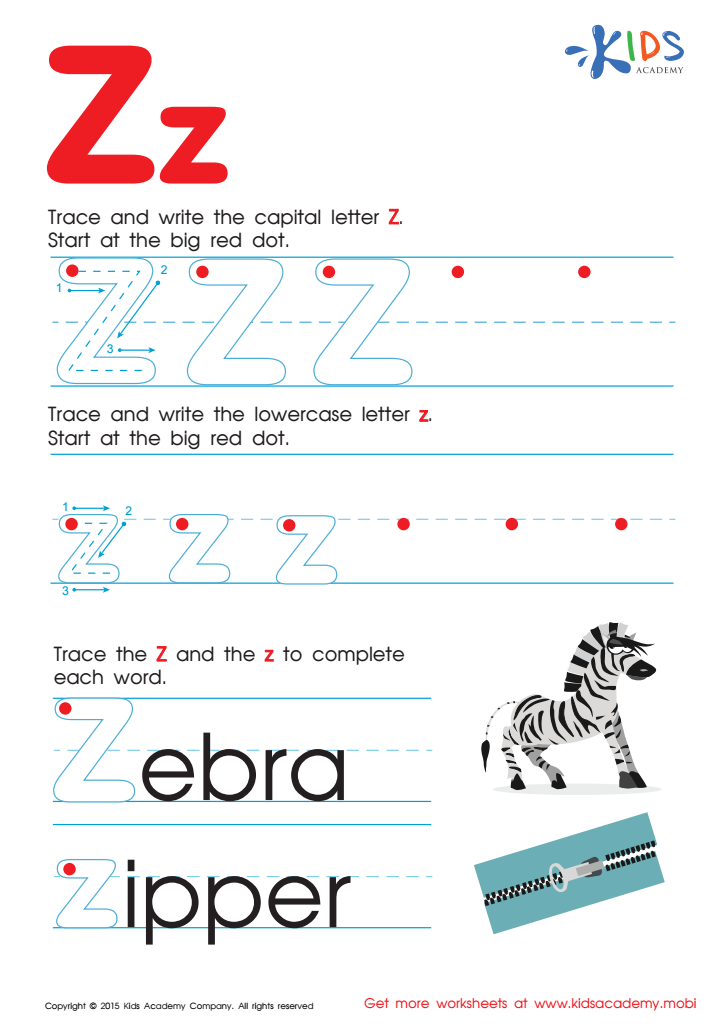
Letter Z Tracing Page
 Assign to My Students
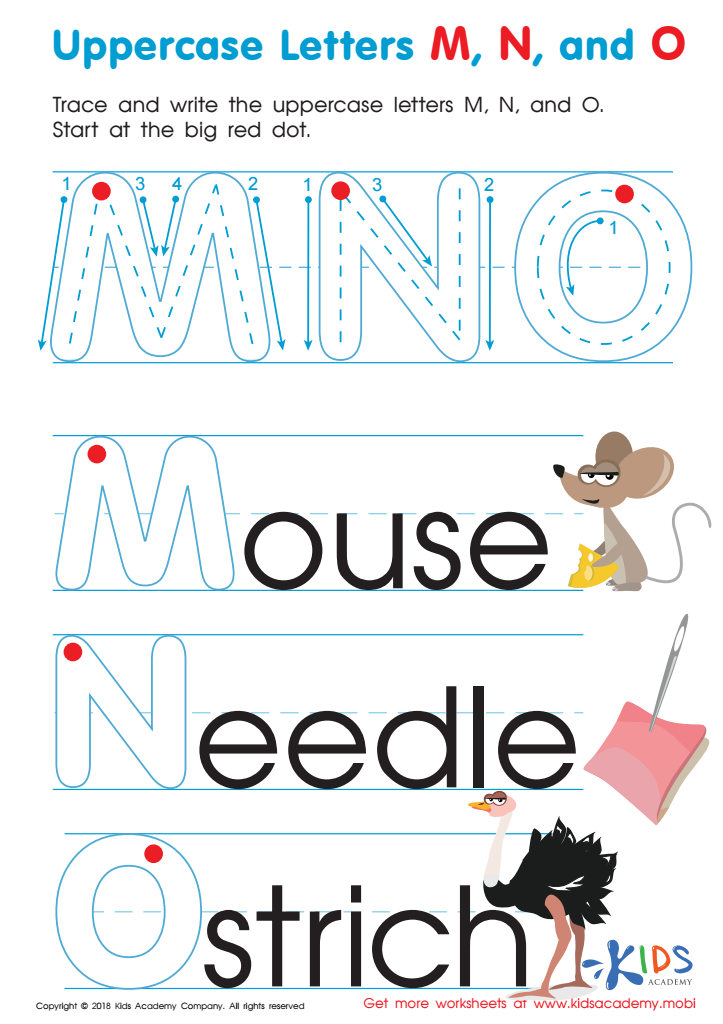
Uppercase Letters M, N, and O Worksheet
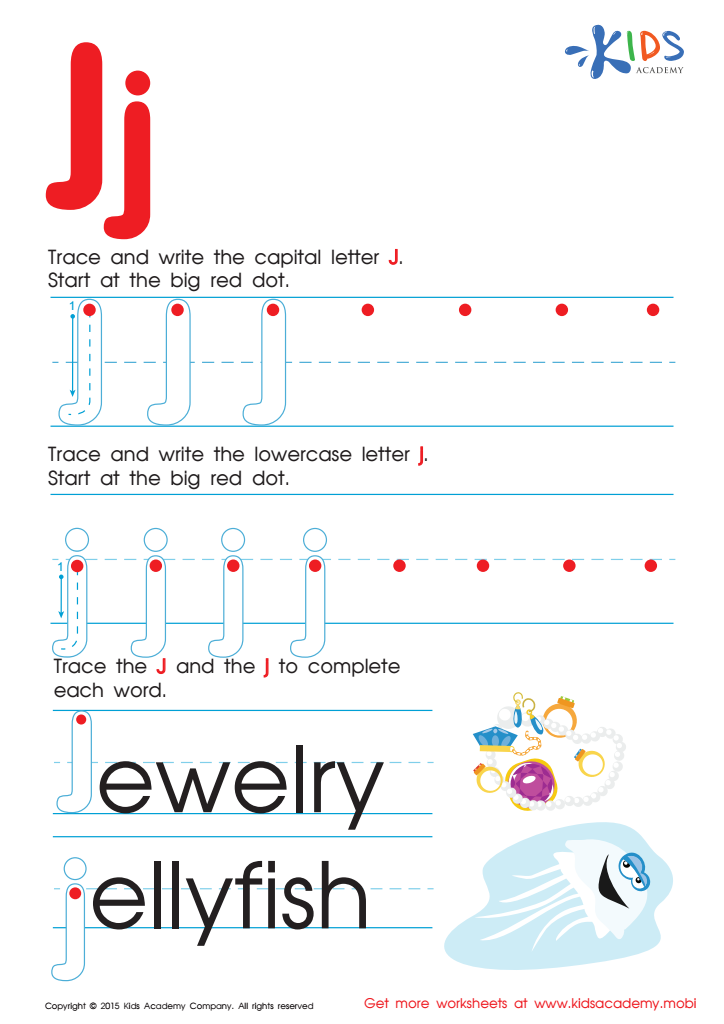
Letter J Tracing Page
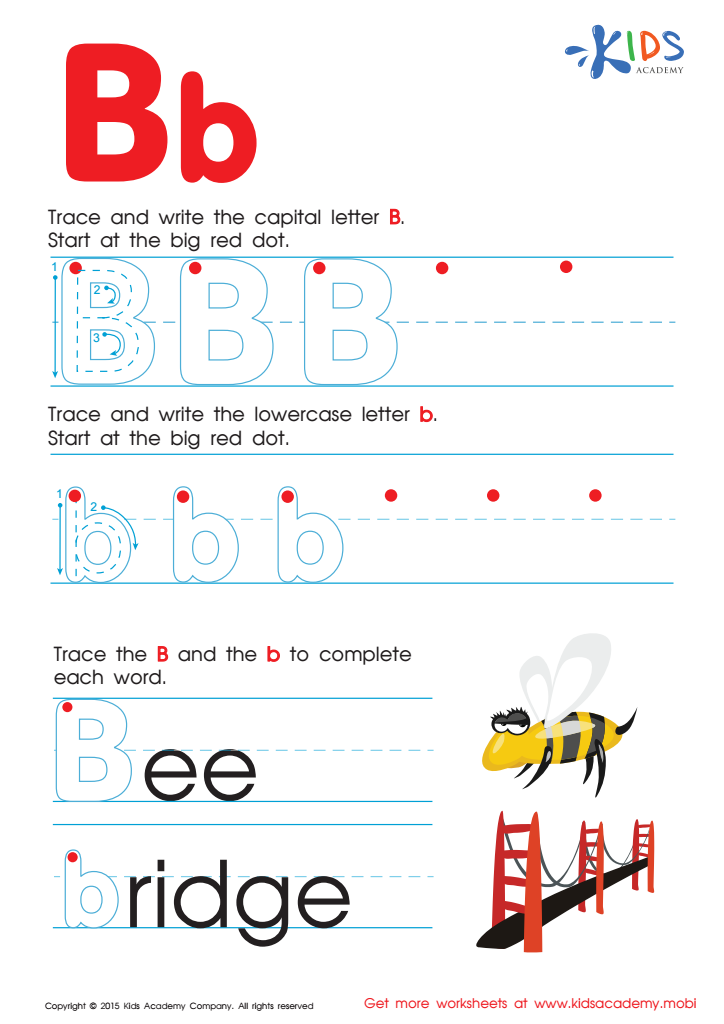
Letter B Tracing Page
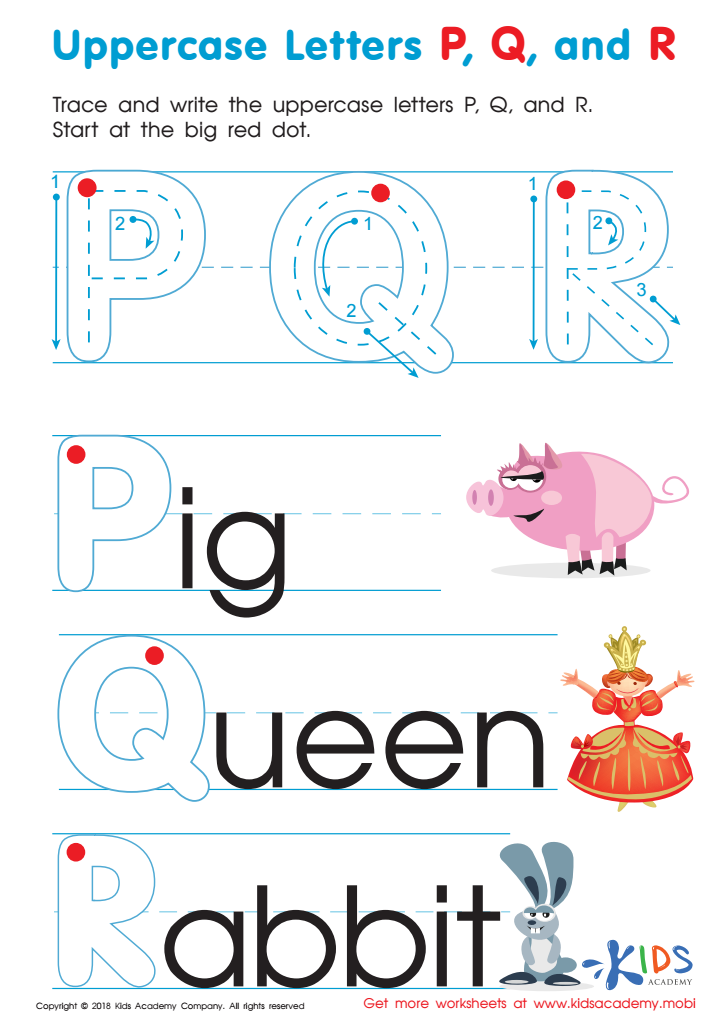
Uppercase Letters P, Q, and R Worksheet








Handwriting improvement through tracing letters is crucial for young children aged 3-6, as it forms the foundation for effective writing skills. At this formative stage, children are developing fine motor skills, hand-eye coordination, and cognitive abilities. Tracing letters not only helps in recognizing shapes and letters but also reinforces the connection between the visual and motor skills necessary for writing.
Parents and teachers should care about handwriting improvement because strong writing skills significantly influence a child's academic success and self-confidence. Children who struggle with handwriting may encounter challenges in conveying their thoughts, which can lead to frustration and hinder their learning process. Tracing letters allows children to practice penmanship in a structured way, promoting tactile learning and repetition, which are vital in mastering coordination and letter formation.
Moreover, beautifully formed letters can contribute to positive self-esteem as children receive praise for their efforts. Making handwriting enjoyable through games and creative activities encourages a positive attitude towards writing. Early focus on handwriting not only prepares children for future academic endeavors but also instills a sense of pride in their work, setting the stage for lifelong learning and effective communication skills. In essence, prioritizing handwriting development in the early years nurtures well-rounded learners.








