Letter Tracing Practice Tracing Letters Worksheets for Ages 3-6
5 filtered results
-
From - To
Discover fun and engaging Letter Tracing Practice Worksheets designed specifically for children aged 3-6. Our interactive tracing activities help young learners develop essential fine motor skills, improve handwriting, and boost their confidence in recognizing letters. Each worksheet is carefully crafted to make learning enjoyable and effective, offering a variety of letters and exciting themes that capture children's interest. These printable resources are perfect for both home and classroom use, providing a structured approach to mastering the alphabet. Encourage your child’s literacy journey today with our fun letter tracing worksheets that lay the foundation for successful reading and writing skills!
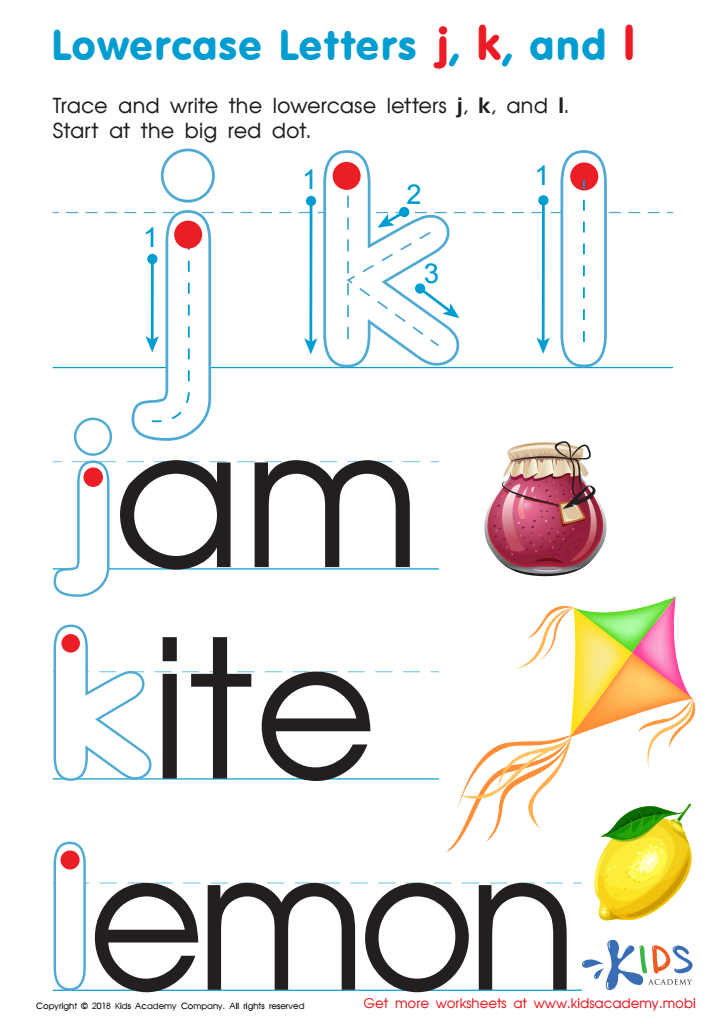
Lowercase Letters j k l Worksheet
 Assign to My Students
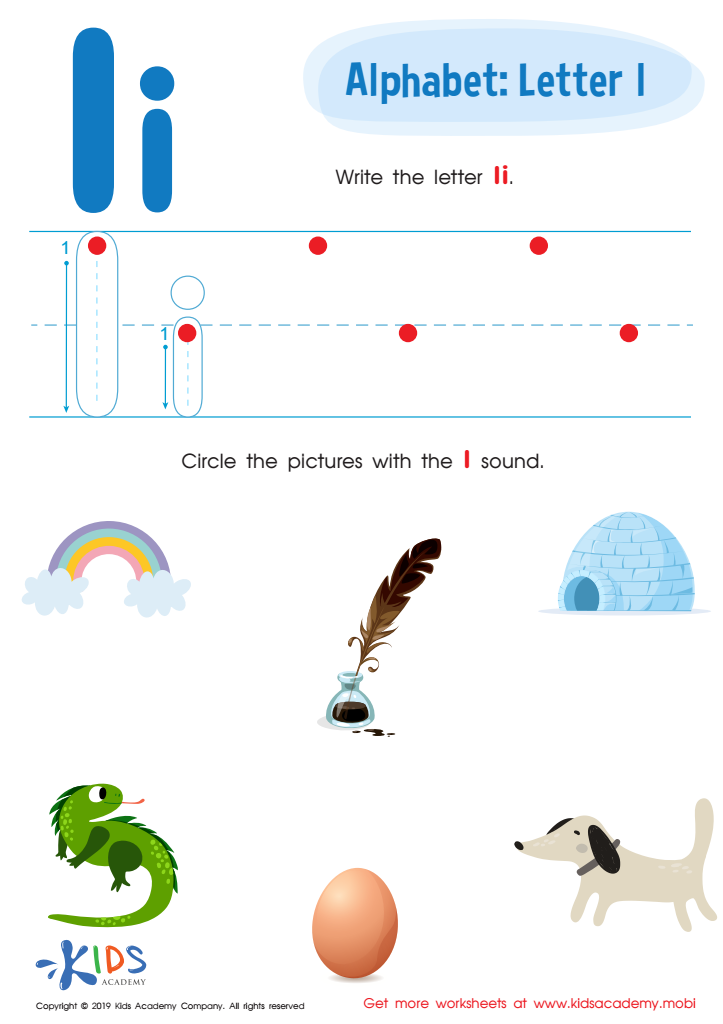
Letter I Tracing Worksheet
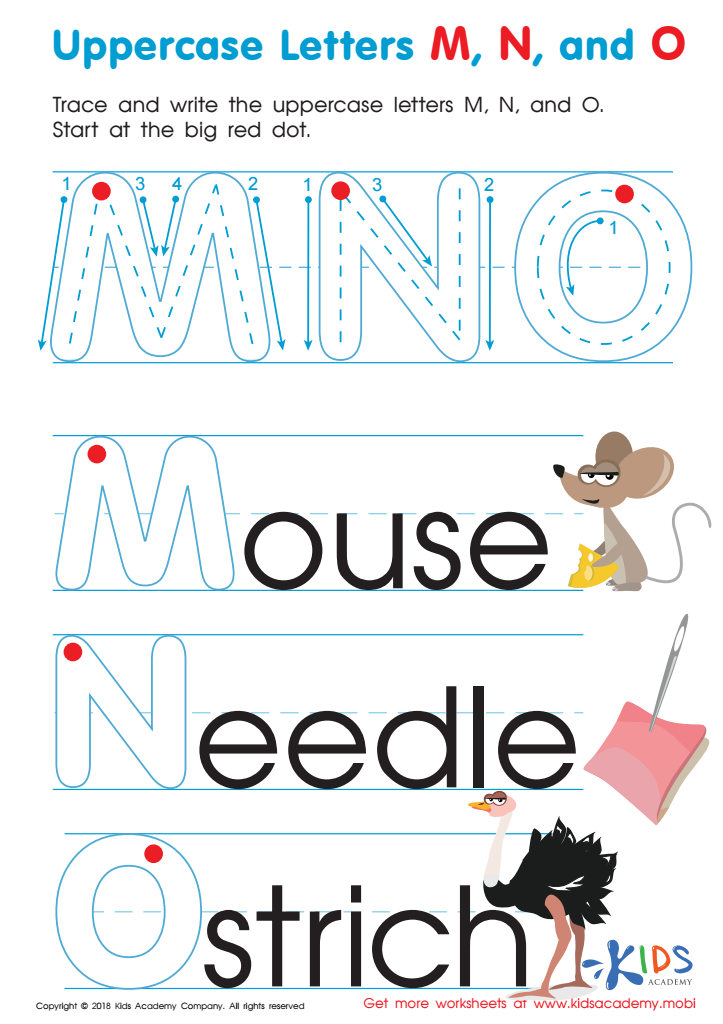
Uppercase Letters M, N, and O Worksheet
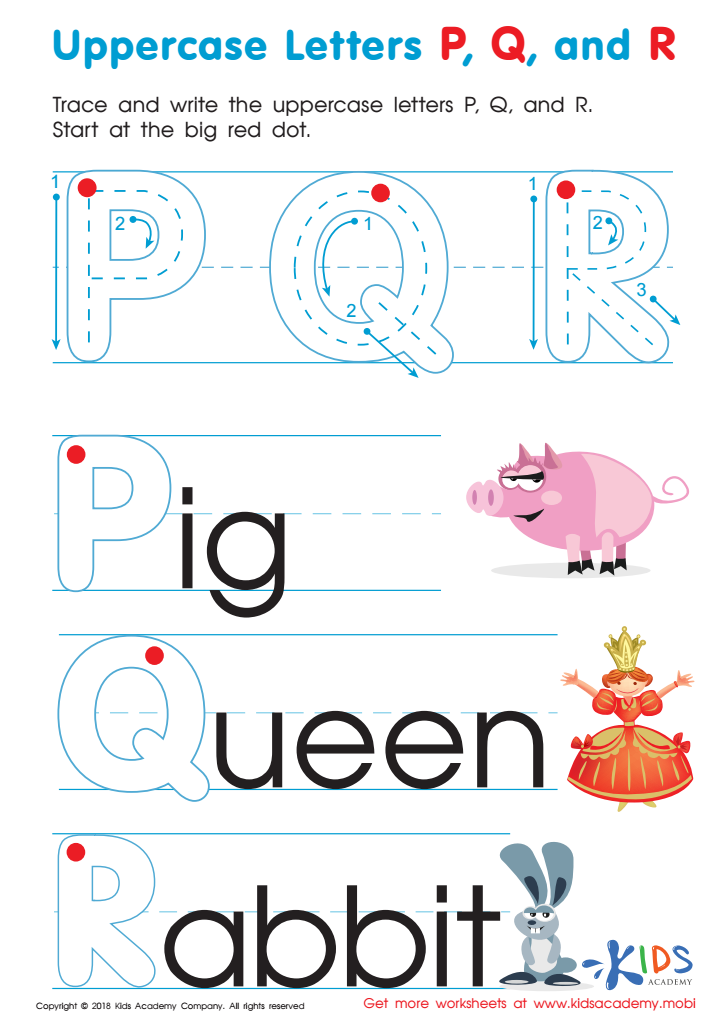
Uppercase Letters P, Q, and R Worksheet
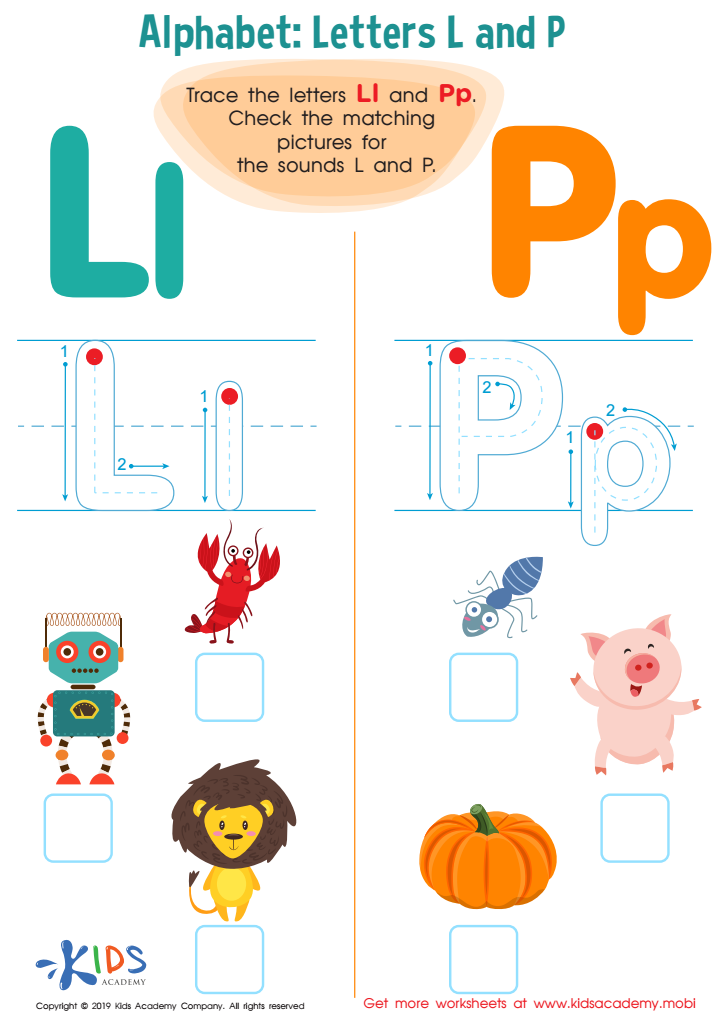
Letter L and P Tracing Worksheet








Letter tracing practice is a valuable tool for children ages 3-6 and should be a priority for parents and teachers alike. During early childhood, children are developing essential fine motor skills that are crucial for everyday tasks, including writing. Tracing letters helps strengthen the small muscles in their hands and fingers, promoting better control and dexterity.
Moreover, letter tracing encourages proper letter formation and can aid in letter recognition, both vital components in early literacy development. This practice doesn’t just focus on letters; it also introduces kids to the fundamentals of reading and writing in an engaging way. By tracing letters, children are also practicing concentration and following directions—skills that lay the groundwork for more complex learning later on.
Additionally, a positive environment for letter tracing can boost a child’s confidence in their abilities. Celebrating small accomplishments as they perfect their tracing can foster a love for learning, making them more enthusiastic about language arts activities in the future.
Overall, incorporating letter tracing into a child’s routine is an effective way for parents and teachers to support early literacy, fine motor development, and a lifelong love for learning.








