Problem-Solving Skills Upper & Lowercase Letters Worksheets for Ages 3-6
3 filtered results
-
From - To
Discover the fun and engaging way for children ages 3-6 to enhance their alphabet recognition with our Problem-Solving Skills Upper & Lowercase Letters Worksheets. Designed to strengthen crucial early literacy skills, these worksheets provide interactive exercises that combine letter learning with problem-solving activities. Young learners will enjoy matching, tracing, and identifying both upper and lowercase letters, promoting cognitive development and fine motor skills. Our thoughtfully crafted worksheets ensure that learning becomes a playful experience, making alphabet mastery easier and more enjoyable. Ideal for preschool and kindergarten students, these resources pave the way for confident reading and writing foundations.
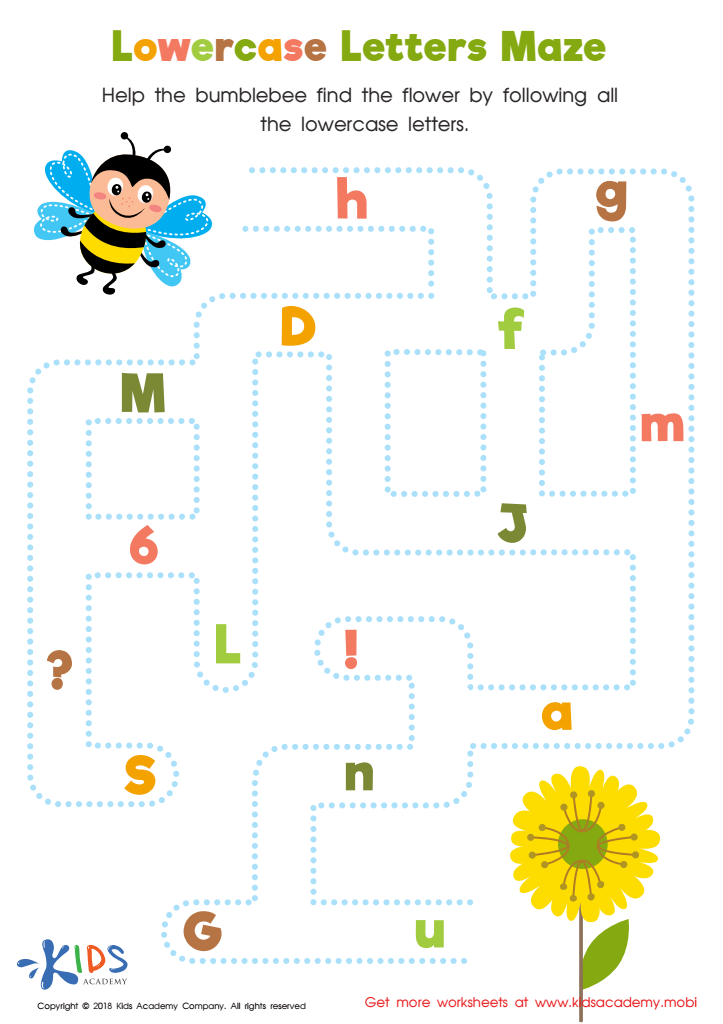
Lowercase Letters Maze Worksheet
 Assign to My Students
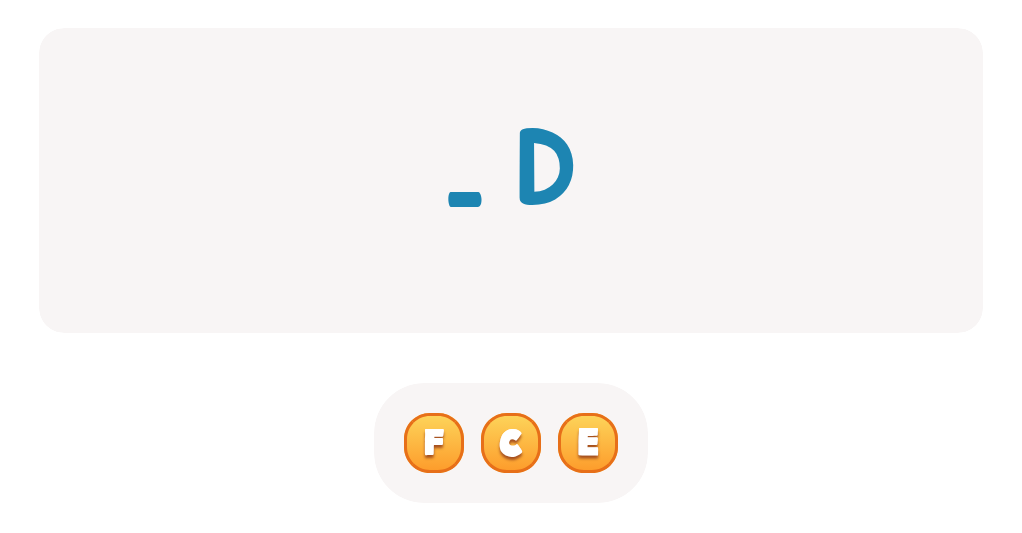

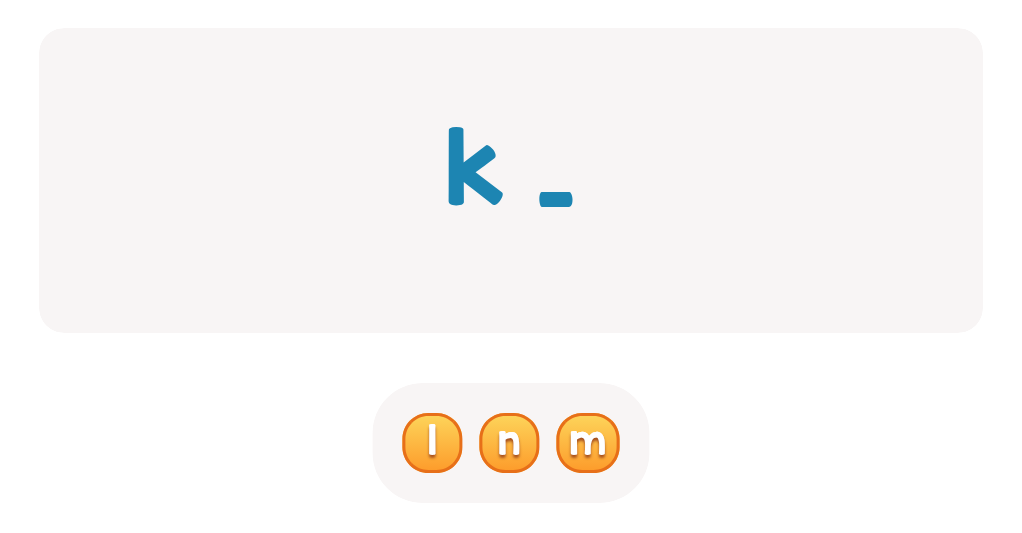
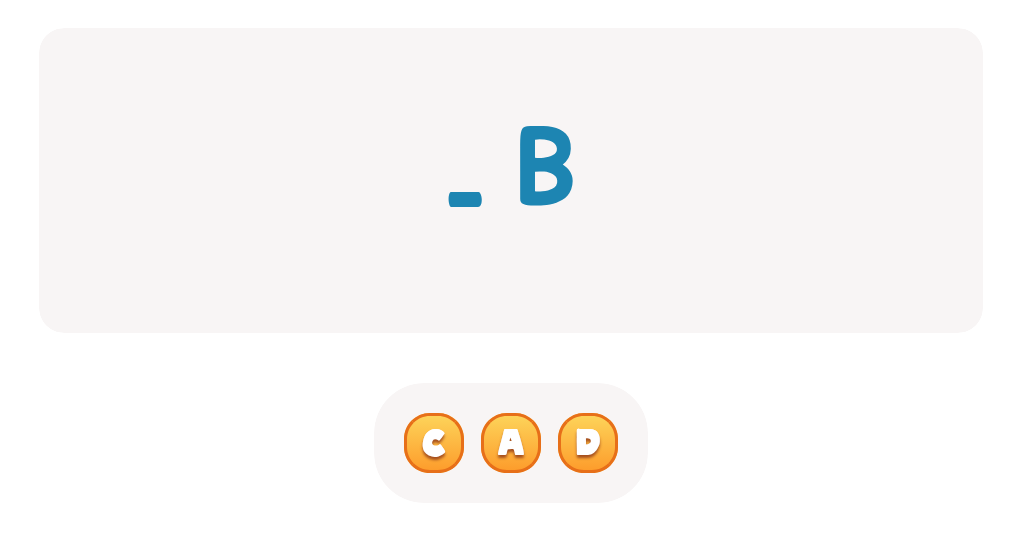
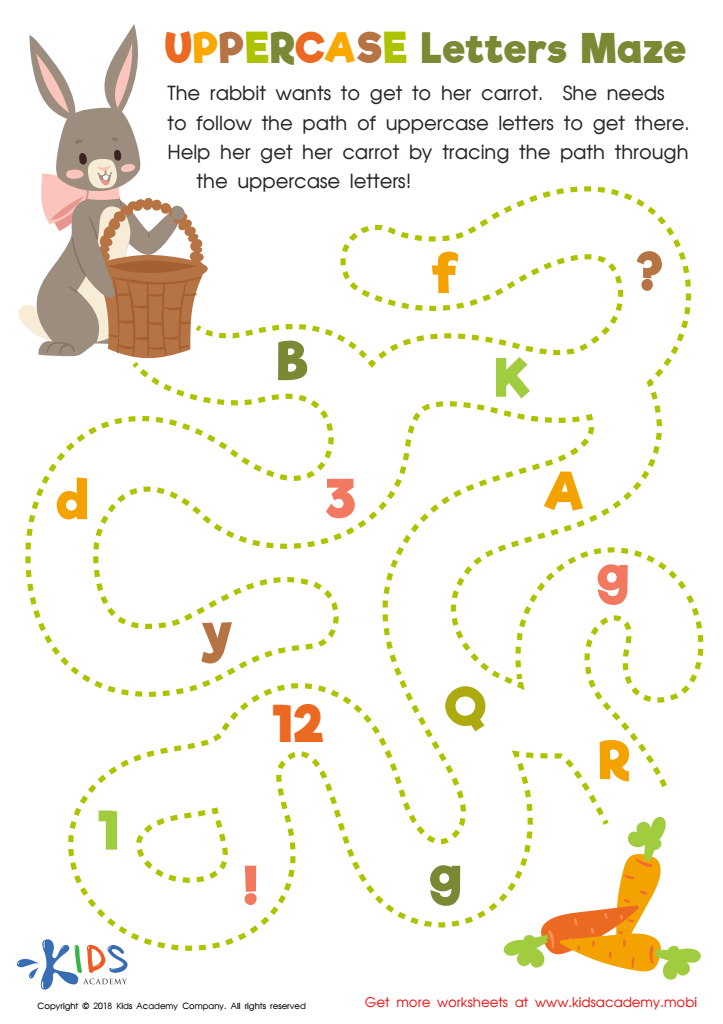
Uppercase Letters Maze Worksheet
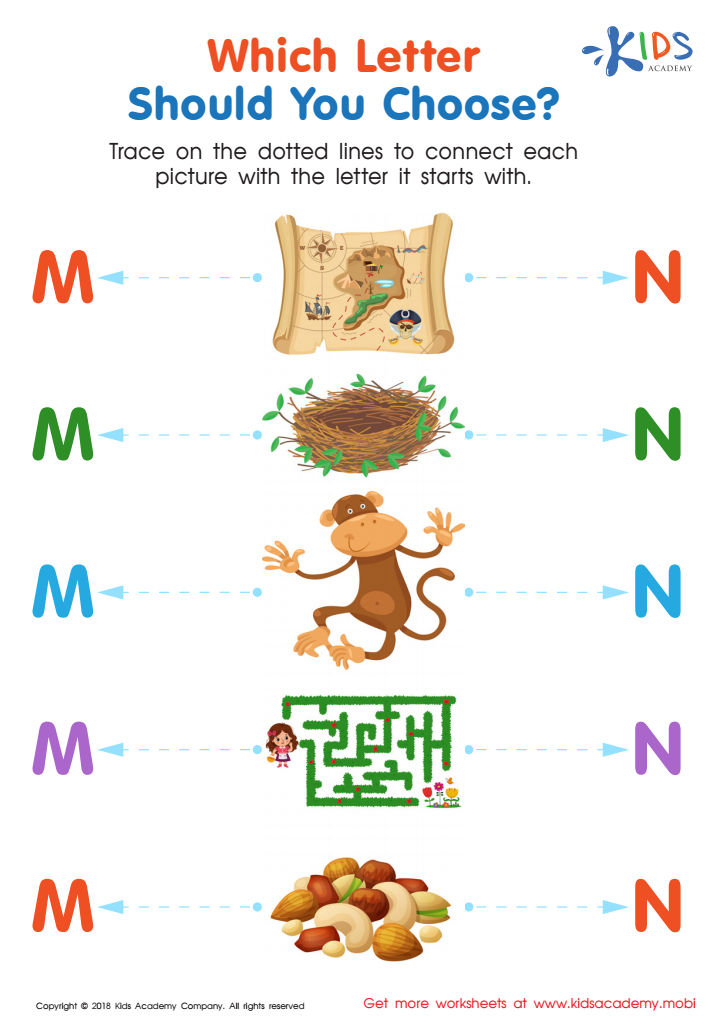
Which Letter Should you Choose? Worksheet






Problem-solving skills in early childhood provide a foundational block for lifelong learning, making them crucial for children aged 3-6. During these formative years, young minds are exceptionally receptive and capable of rapid development. Introducing problem-solving activities, such as identifying and differentiating between upper and lowercase letters, fosters critical thinking abilities and cognitive flexibility—key components for academic success and everyday life.
Engaging with upper and lowercase letters also lays the groundwork for literacy. Recognizing and forming these letters involves spatial awareness and fine motor control, both of which enhance a child’s ability to write and read fluently. When children learn to solve problems by categorizing letters, they practice active decision-making, patience, and perseverance.
Additionally, the social and emotional benefits are noteworthy. Collaborative problem-solving scenarios with peers promote social interaction, teach conflict resolution, and enhance communication skills. These situations create valuable opportunities for children to express their thoughts, share ideas, and show empathy.
In essence, incorporating problem-solving tasks related to upper and lowercase letters not only bolsters foundational academic skills but also nurtures essential attributes such as persistence, cooperation, and self-confidence. Parents and teachers who emphasize these activities help young learners build a strong base for future educational and personal growth.







