Chess knowledge Chess Worksheets for Ages 3-6
3 filtered results
-
From - To
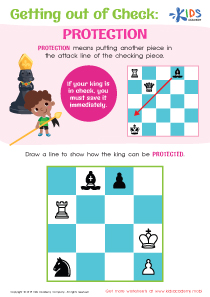
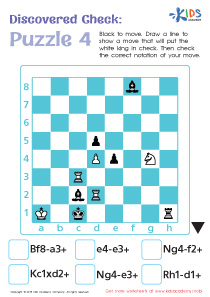
Introduce your child to the exciting world of chess with our engaging Chess Knowledge worksheets for ages 3-6. At Kids Academy, our printable resources are designed to develop critical thinking and problem-solving skills in young learners. Each worksheet features fun, age-appropriate activities that teach chess basics, from identifying pieces to mastering simple moves. Through interactive and colorful exercises, children will build a solid foundation in chess, enhancing their cognitive abilities while having fun. Nurture your little one's curiosity and strategic thinking with our expertly crafted chess worksheets. Start their learning journey in chess today!
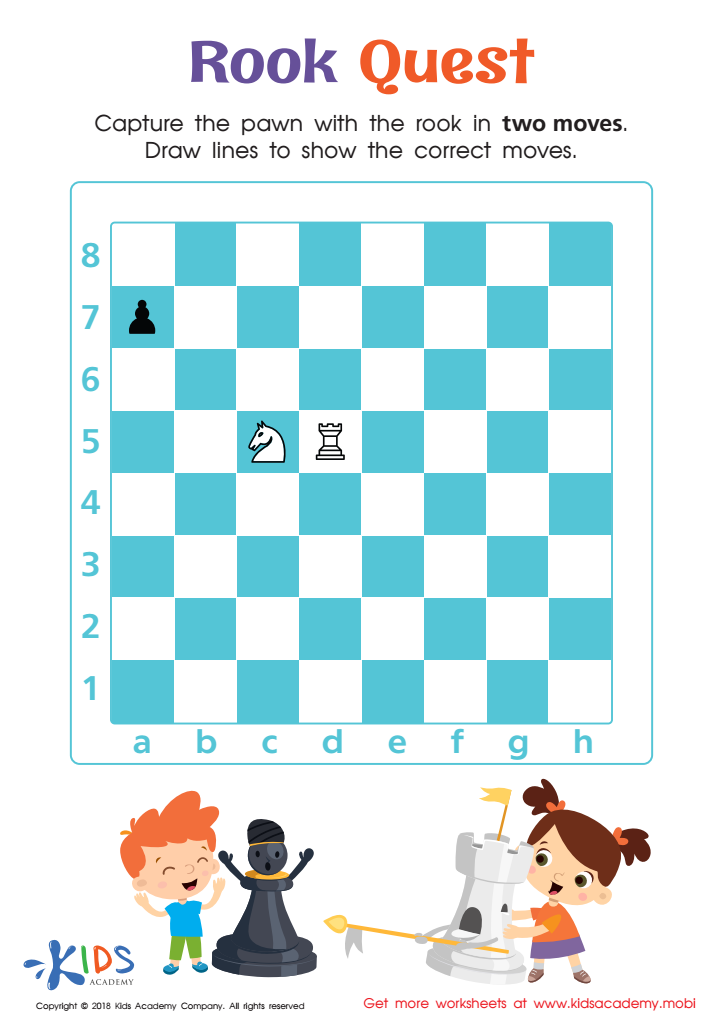
Rook Quest Worksheet
 Assign to My Students
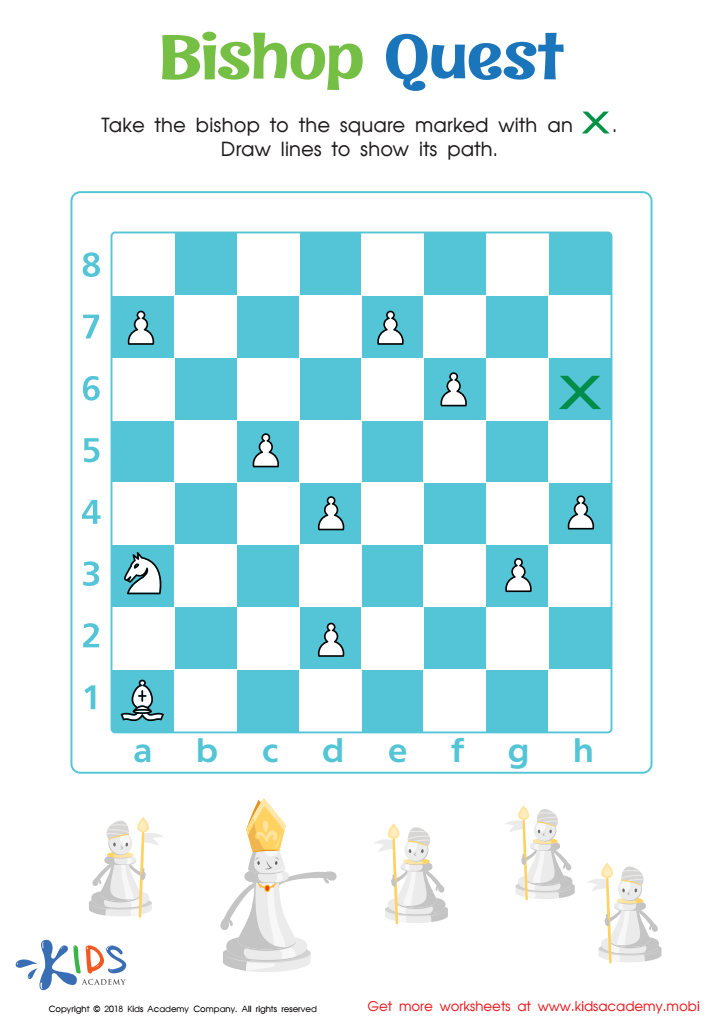
Bishop Quest Worksheet
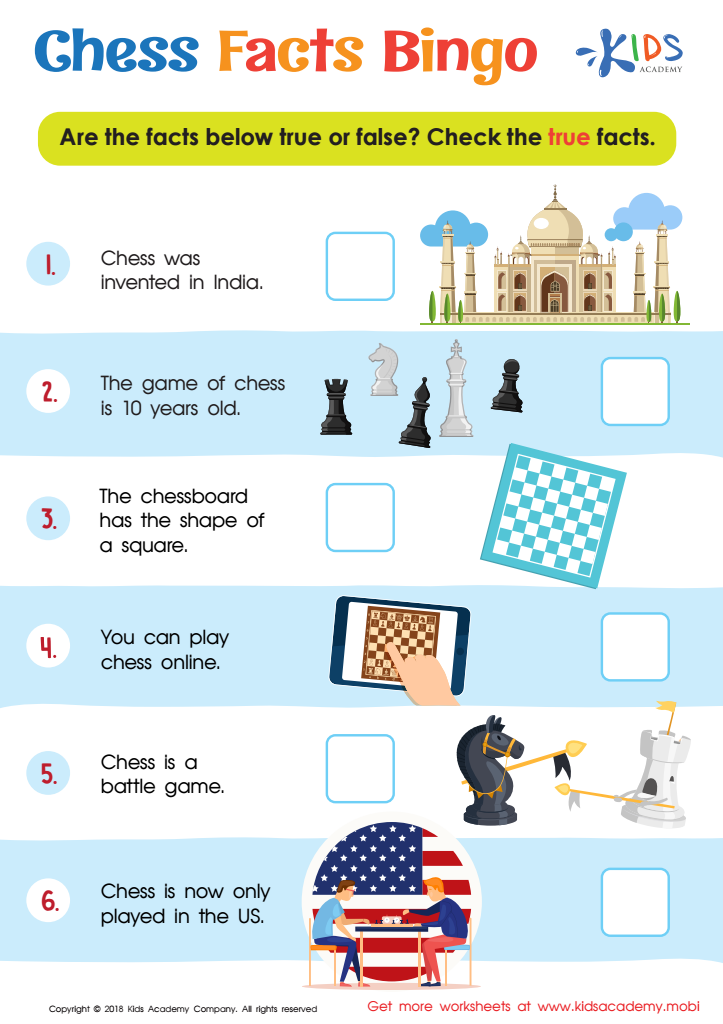
Chess Facts Bingo Worksheet






Parents and teachers should care about introducing chess to children aged 3-6 for numerous valuable reasons. Chess is more than just a game; it's a powerful educational tool that fosters cognitive development, critical thinking, and problem-solving skills. When children engage with chess at a young age, they learn to think ahead, plan strategically, and consider multiple outcomes, enhancing their analytical skills. This mental discipline can translate to improved performance in subjects like math and science.
Furthermore, chess encourages patience and concentration, essential traits for academic success. The game teaches young children how to pay attention for extended periods, follow rules, and develop patience as they wait for their turn. These abilities are fundamental in a classroom setting, where focus and adherence to guidelines greatly influence learning outcomes.
Additionally, chess promotes social interaction and emotional intelligence. Playing chess with peers offers young children the chance to experience friendly competition and sportsmanship, learning how to cope with winning and losing gracefully. This experience helps in the development of empathy, respect, and interpersonal skills. For these reasons, integrating chess into early childhood education poses substantial benefits for cognitive and social development, making it a worthwhile investment in a child's future.