Critical Thinking Chess Worksheets for Ages 3-6
4 filtered results
-
From - To
Enhance your child's critical thinking skills with our engaging "Critical Thinking Chess Worksheets for Ages 3-6." Designed specifically for young minds, these interactive worksheets fuse the delightful game of chess with essential learning concepts. Perfect for building problem-solving abilities, these activities simplify complex thought processes through strategically fun exercises. Each worksheet encourages children to think ahead, recognize patterns, and make thoughtful decisions, setting a solid foundation for lifelong cognitive development. Start your child's journey toward becoming a confident, strategic thinker with our captivating chess worksheets — where learning and fun come together seamlessly.
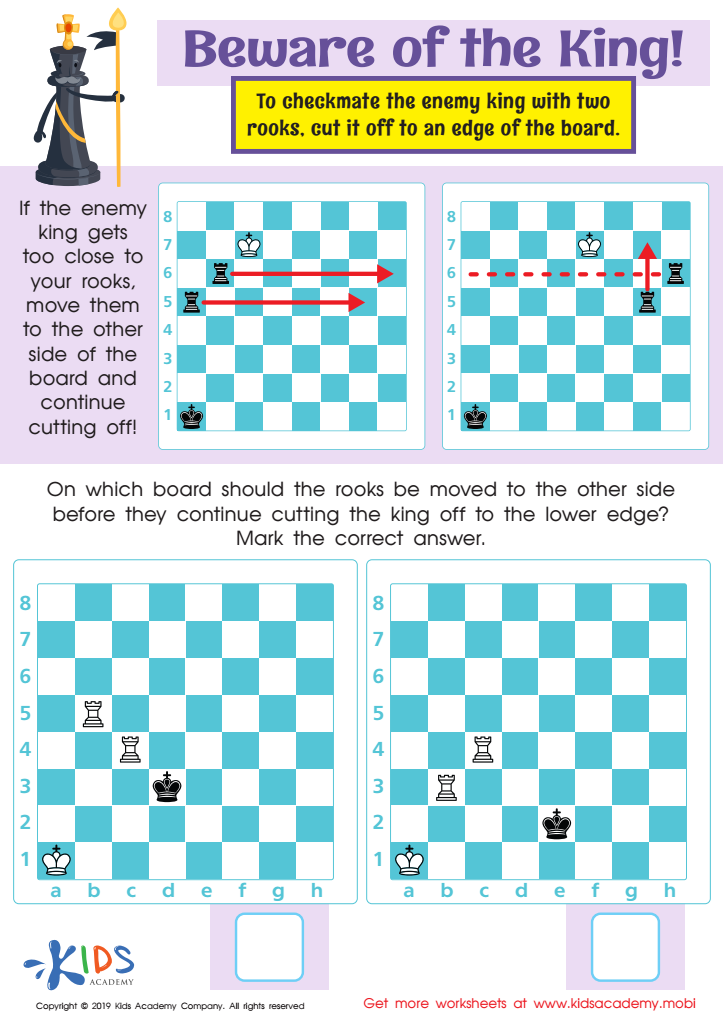
Beware of the King! Worksheet
 Assign to My Students
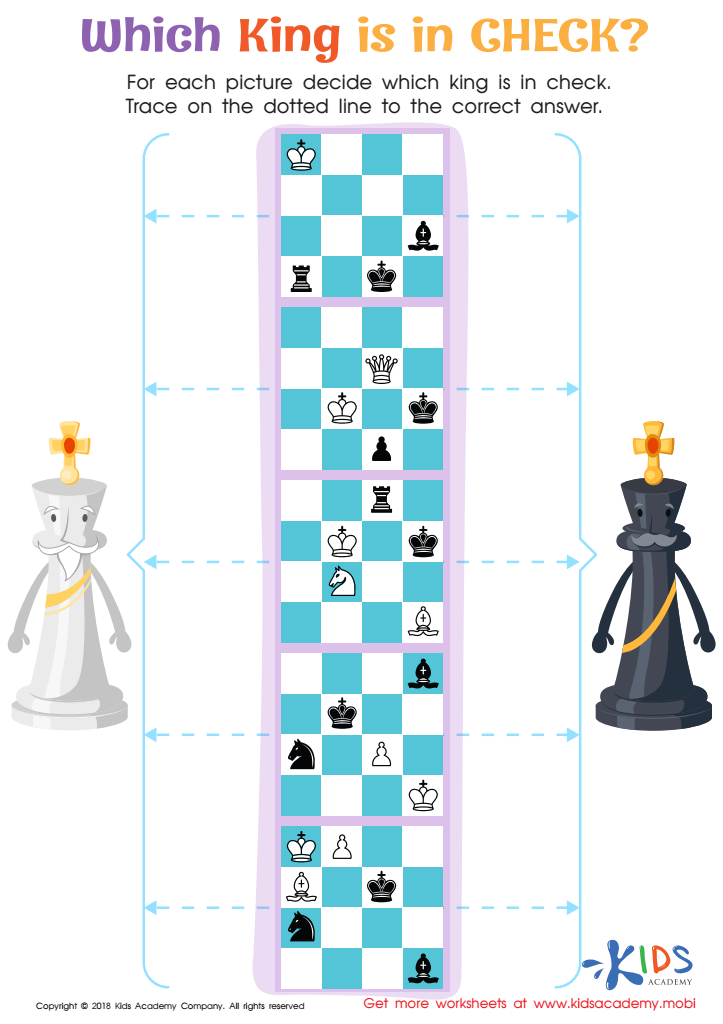
Which King is in Check? Worksheet
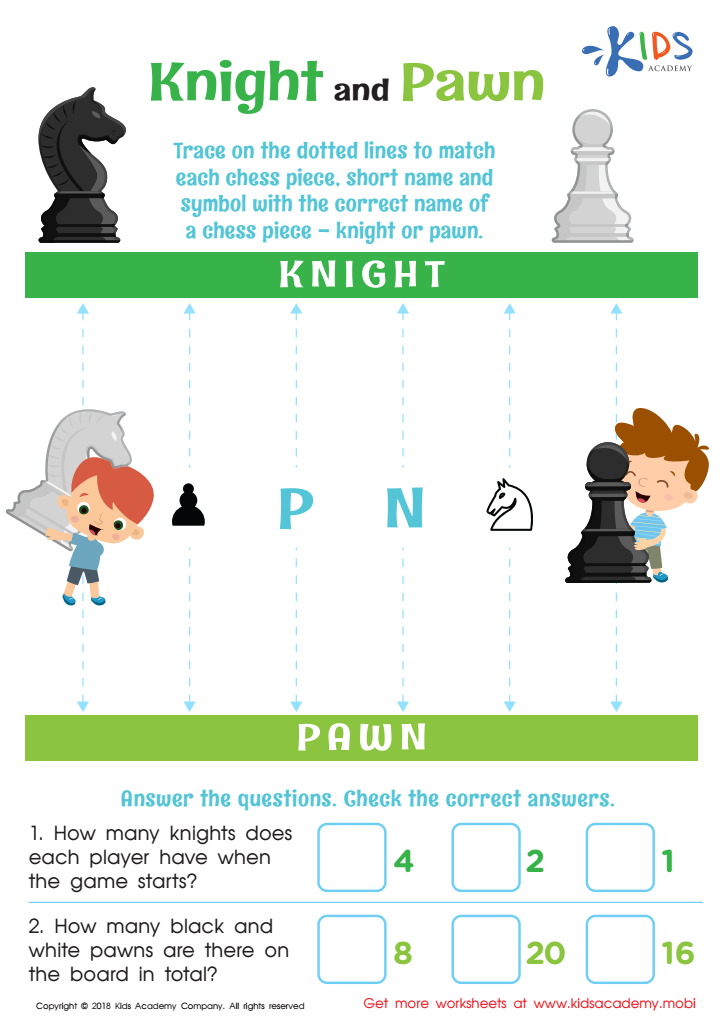
Knight and Pawn Worksheet
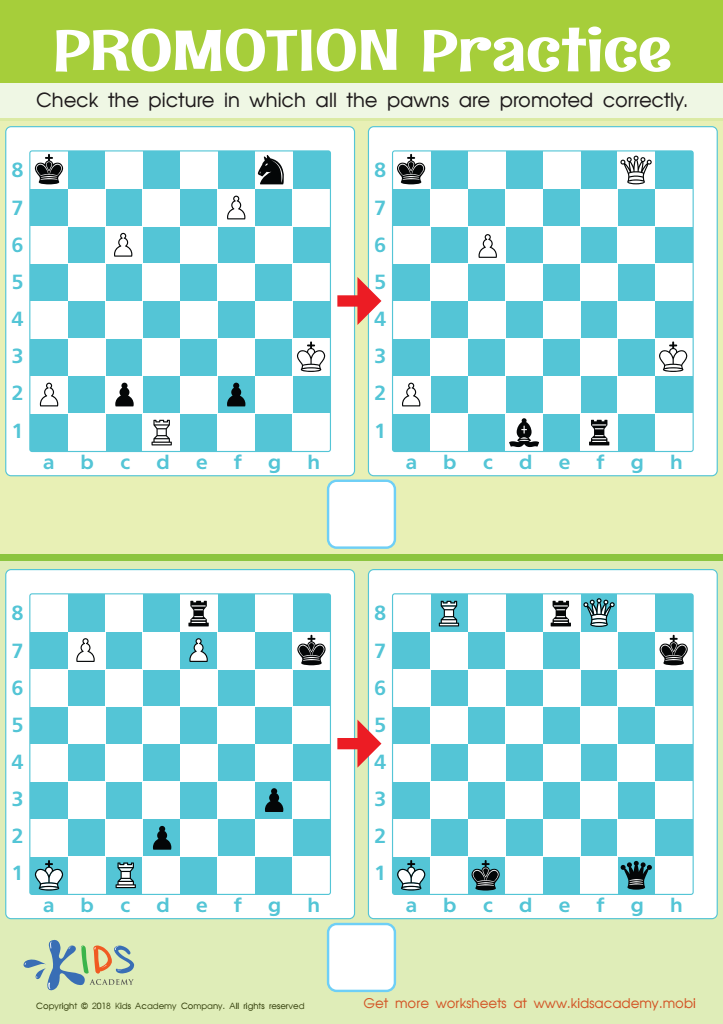
Promotion Practice Worksheet



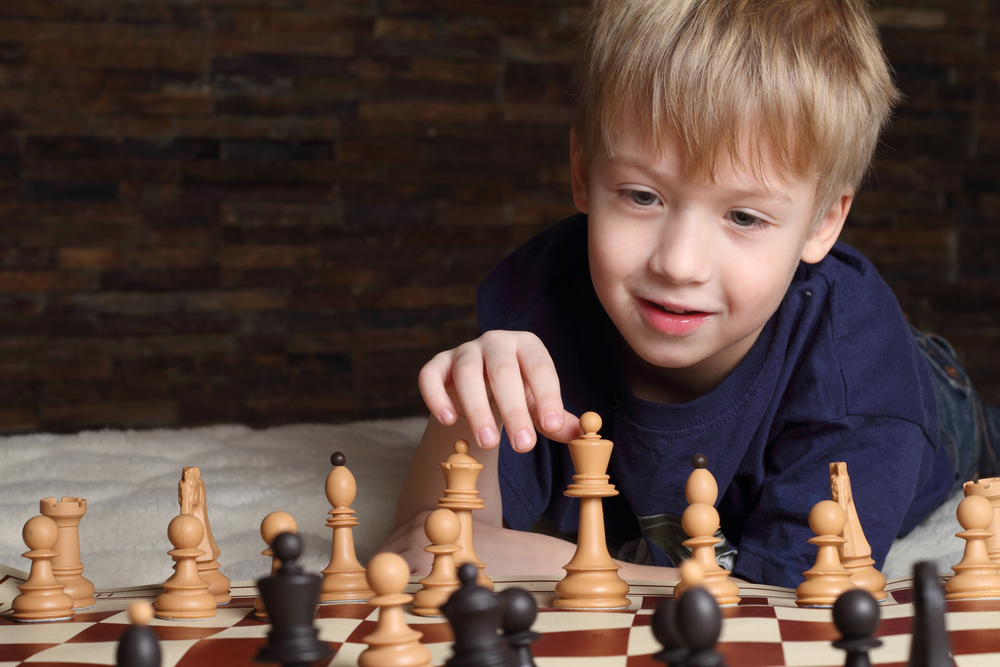



Parents and teachers should care about Critical Thinking Chess for ages 3-6 because it fosters essential cognitive and emotional skills during key developmental years. Chess, renowned for its strategic complexity, helps children build critical thinking and problem-solving abilities. For young minds, learning to predict moves, recognize patterns, and think ahead cultivates decision-making and reasoning skills.
Engaging in chess also supports memory enhancement. The game's structure helps children remember rules and strategies, ultimately strengthening their information retention ability. Additionally, as they ponder their moves, children learn to focus and develop patience—a crucial trait for lifelong learning.
Social and emotional benefits also abound. Playing chess teaches kids about fair play, taking turns, and handling wins or losses with grace. This interplay promotes better control over emotions and fosters empathy and resilience.
Moreover, introduction to chess can spark a love for intellectual pursuits. Encouraging early exposure to such mentally-stimulating activities builds a foundation for academic enthusiasm and curiosity. Chess also provides a constructive screen-free pastime, balancing children’s playtime with educational enrichment.
By integrating Critical Thinking Chess, parents and teachers are not only teaching a game but empowering children with skills critical for personal and academic growth. Creating a fun, engaging learning environment allows young kids to develop holistically, laying a solid groundwork for their future success.