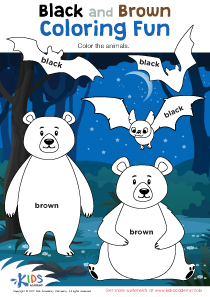
Hand-eye Coordination English for Beginners Worksheets for Ages 3-6
15 filtered results
-
From - To
Boost your child's development with our "Hand-eye Coordination English for Beginners Worksheets" for ages 3-6. Designed to enhance motor skills and language acquisition, these engaging activities combine fun tasks with foundational English learning. Perfect for fostering early childhood education, our worksheets stimulate young minds with puzzles, tracing, and interactive games, ensuring a seamless blend of play and learning. Ideal for ESL students or any beginner, these resources help children master basic vocabulary while improving hand-eye coordination. Give your child a head start on their educational journey with our expertly crafted, age-appropriate worksheets.
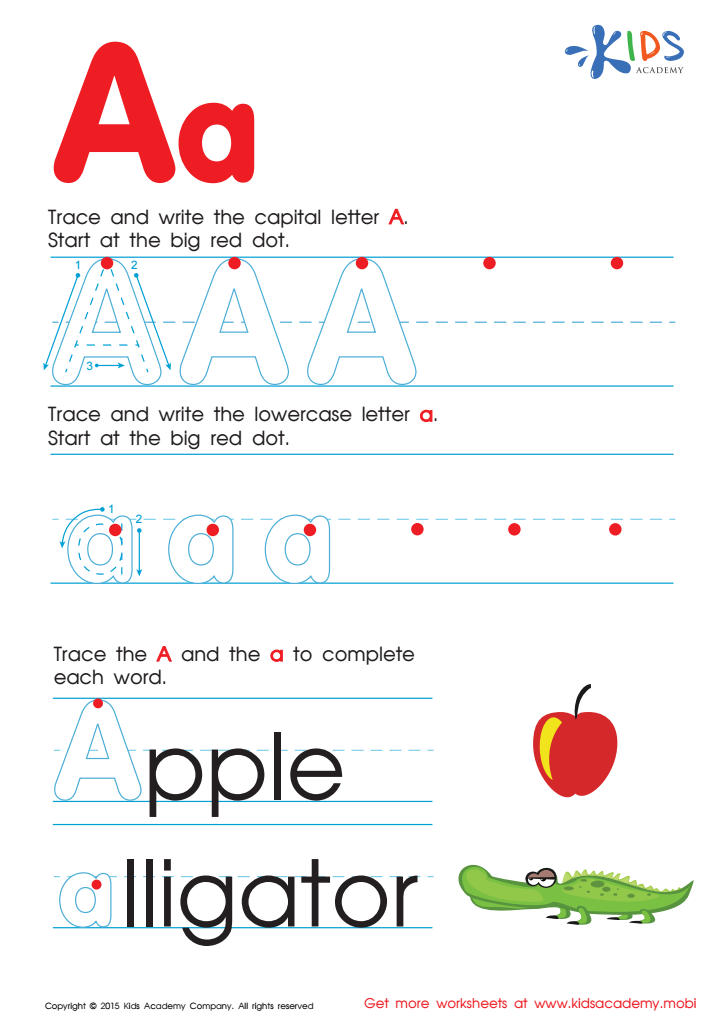
Letter A Tracing Page
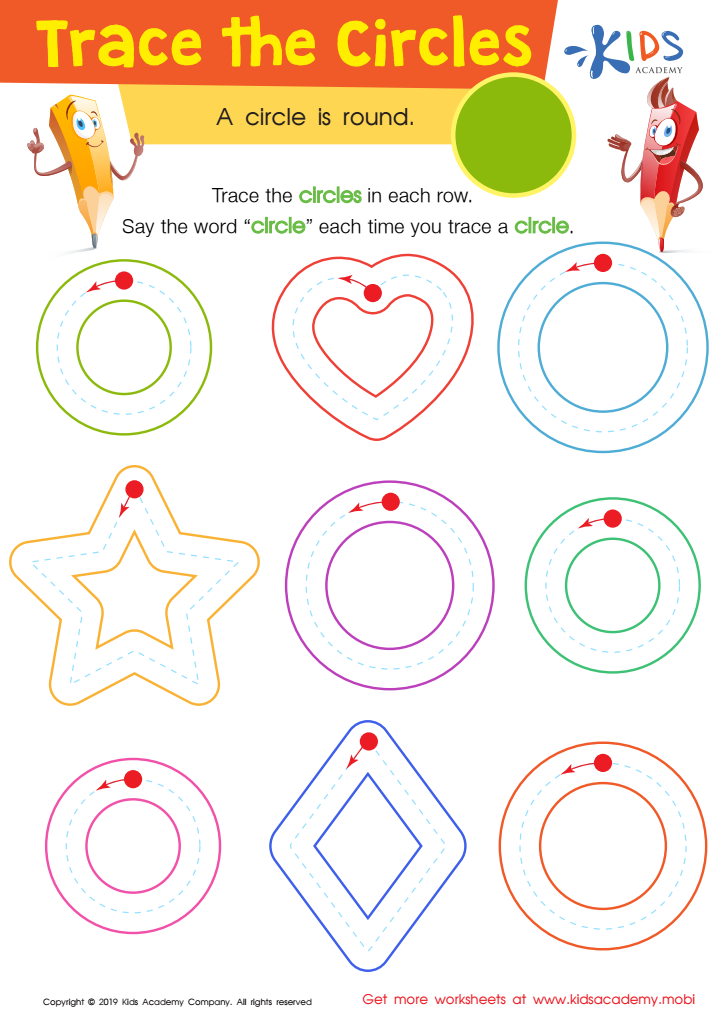
Trace The Circles Worksheet
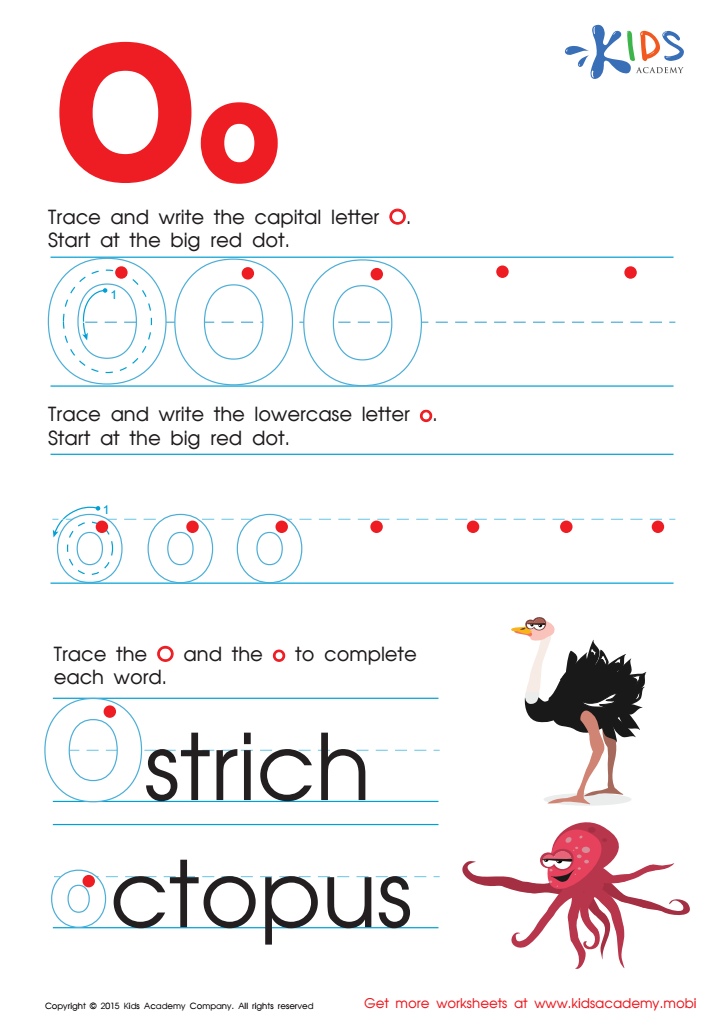
Letter O Tracing Page
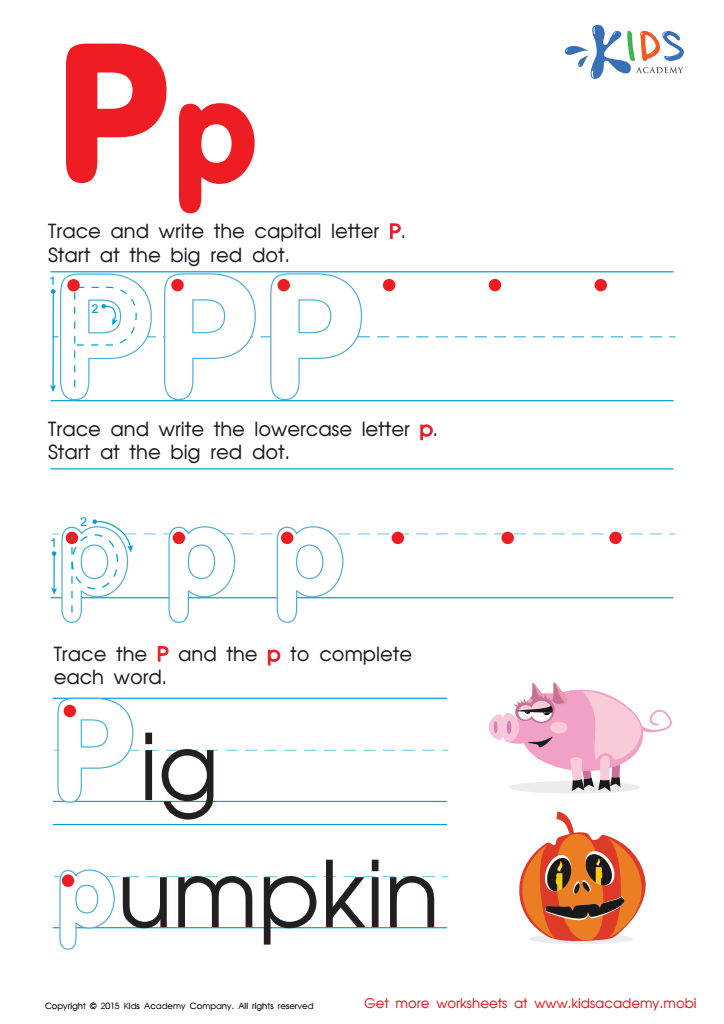
Letter P Tracing Page
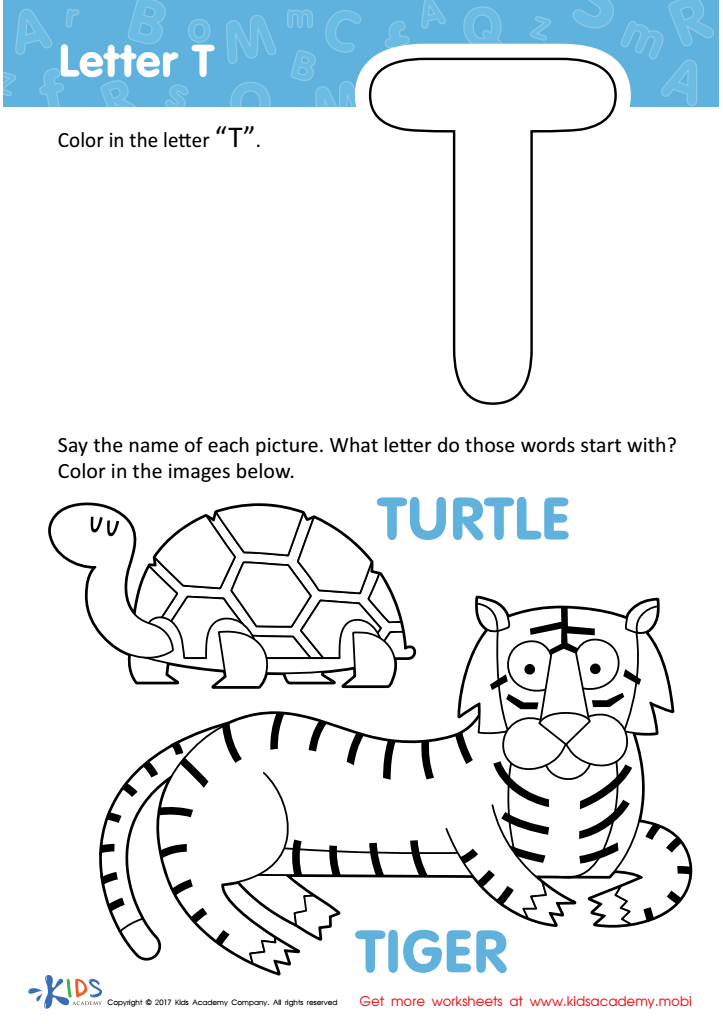
Letter T Coloring Sheet
 Assign to My Students
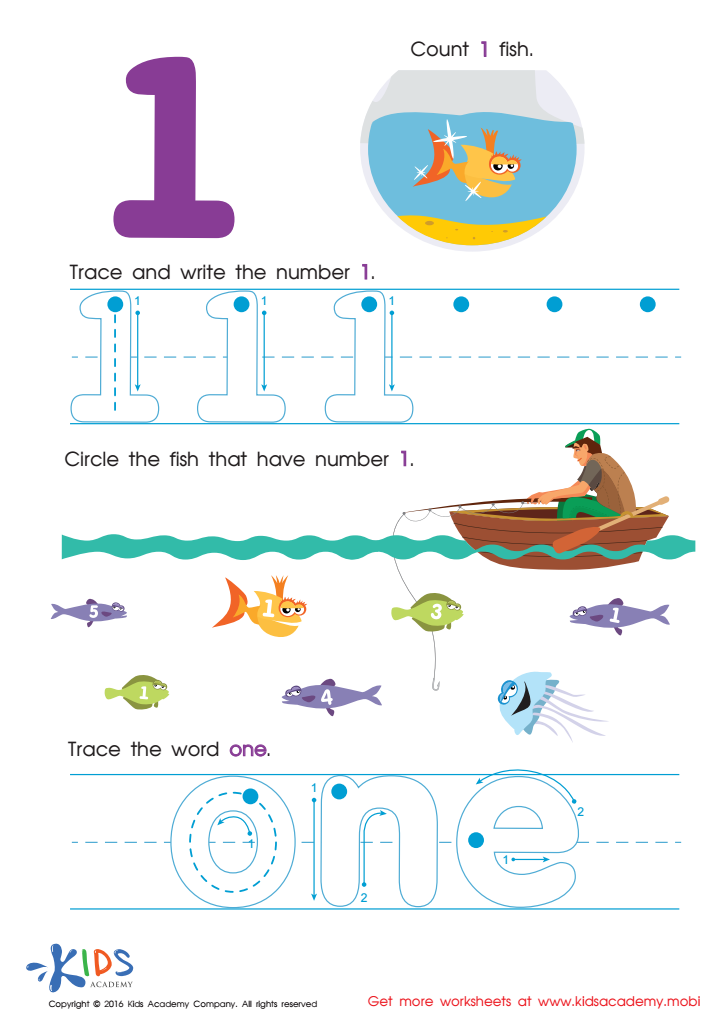
Learning to Write 1 Worksheet
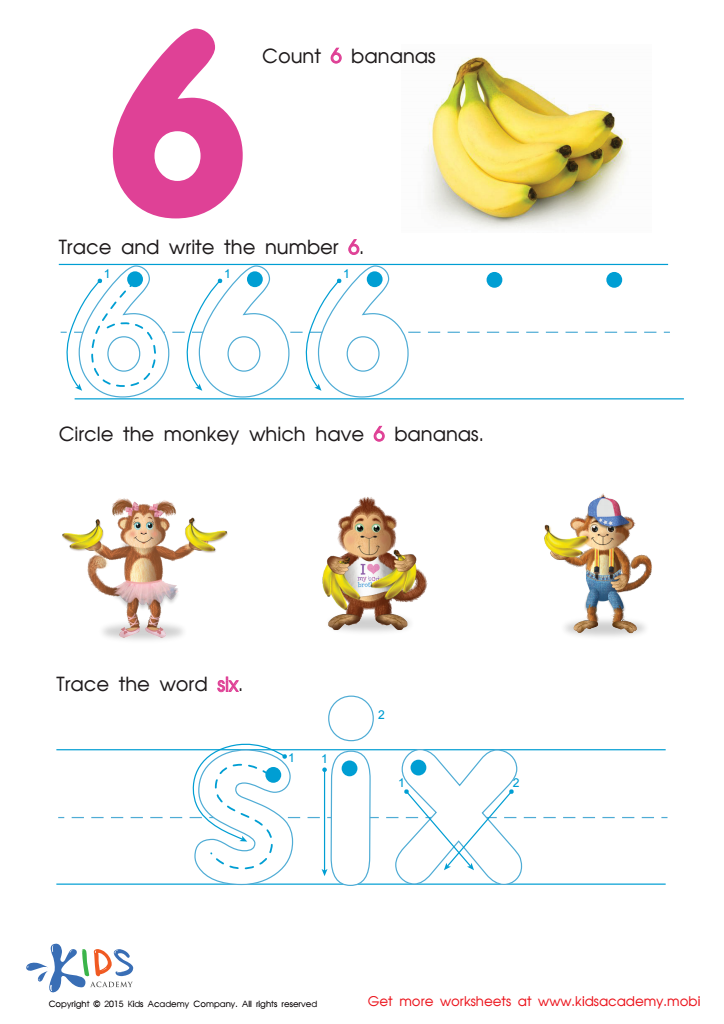
Tracing And Writing Number 6 Worksheet

Letter H Tracing Page
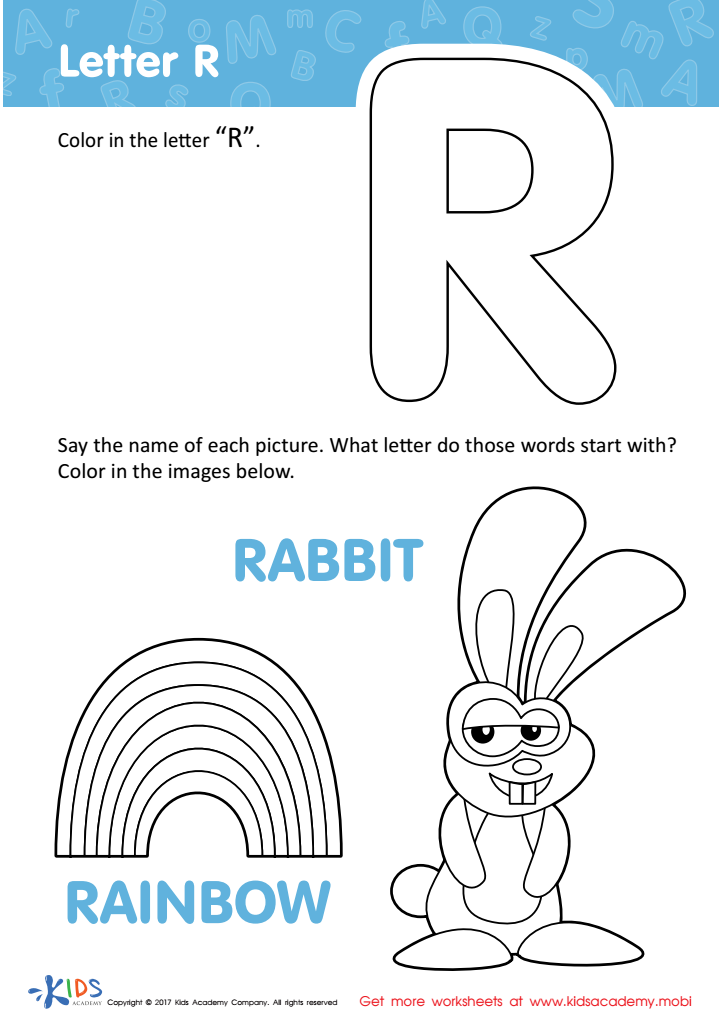
Letter R Coloring Sheet
Assign to My Students

Long and Short U Worksheet
Assign to My Students
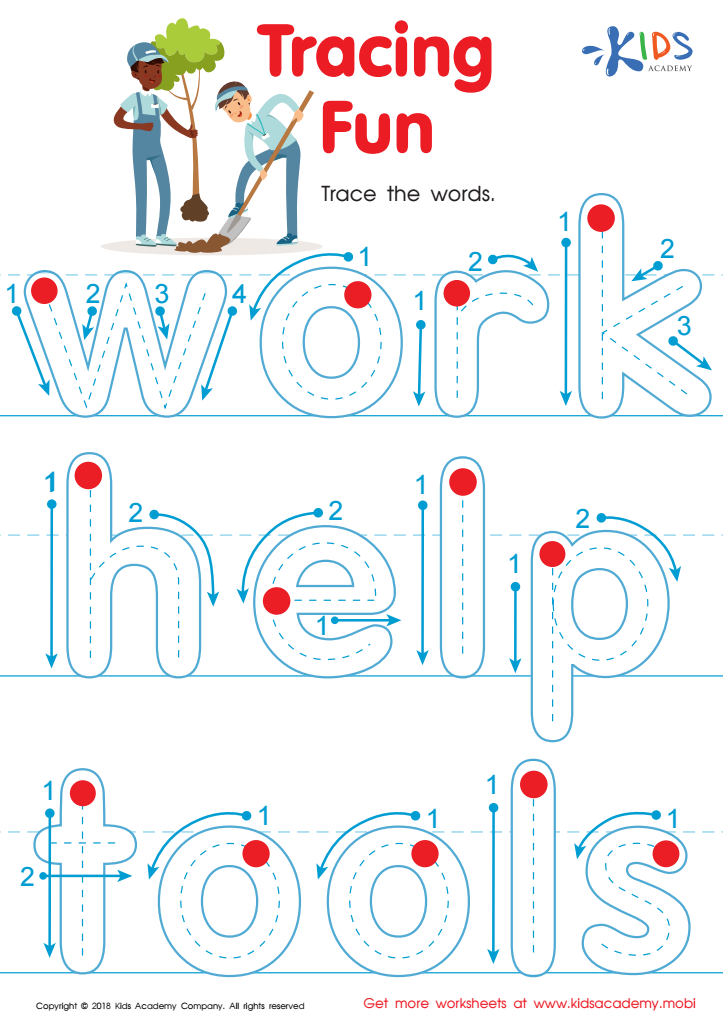
Tracing Fun Worksheet
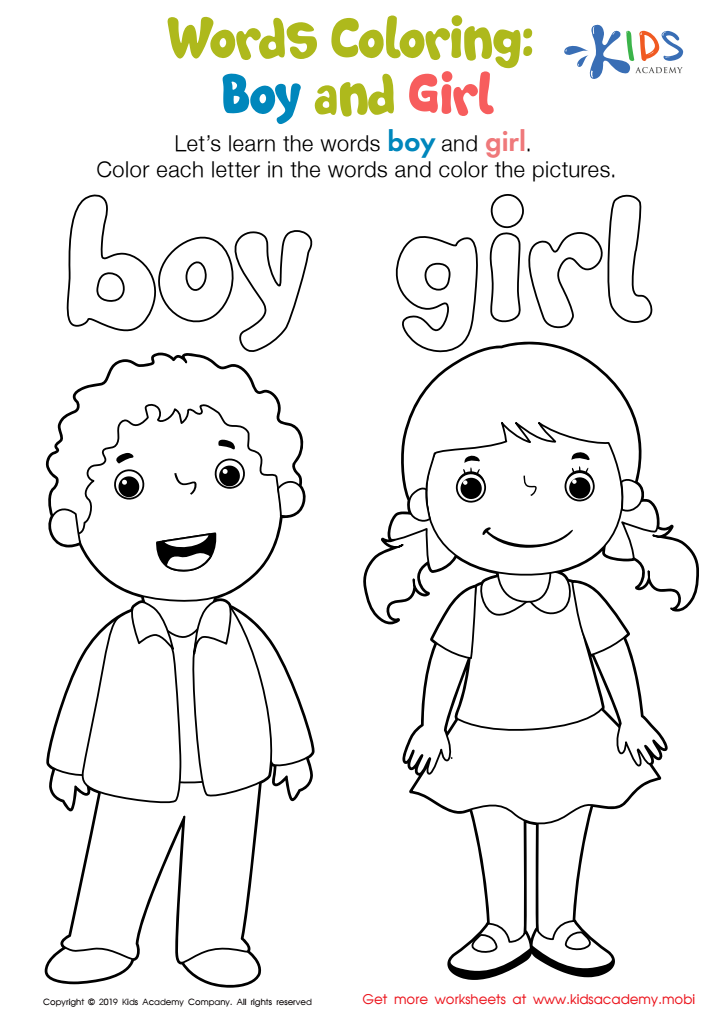
Boy and Girl Words Coloring Worksheet
Assign to My Students
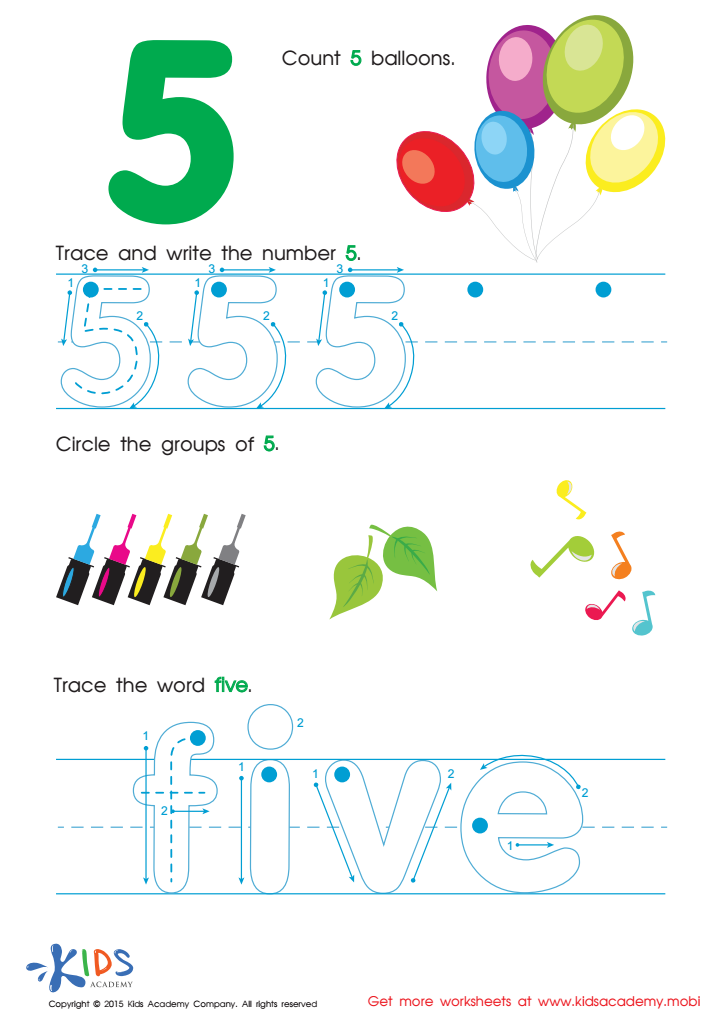
Practice Writing Number 5 Worksheet
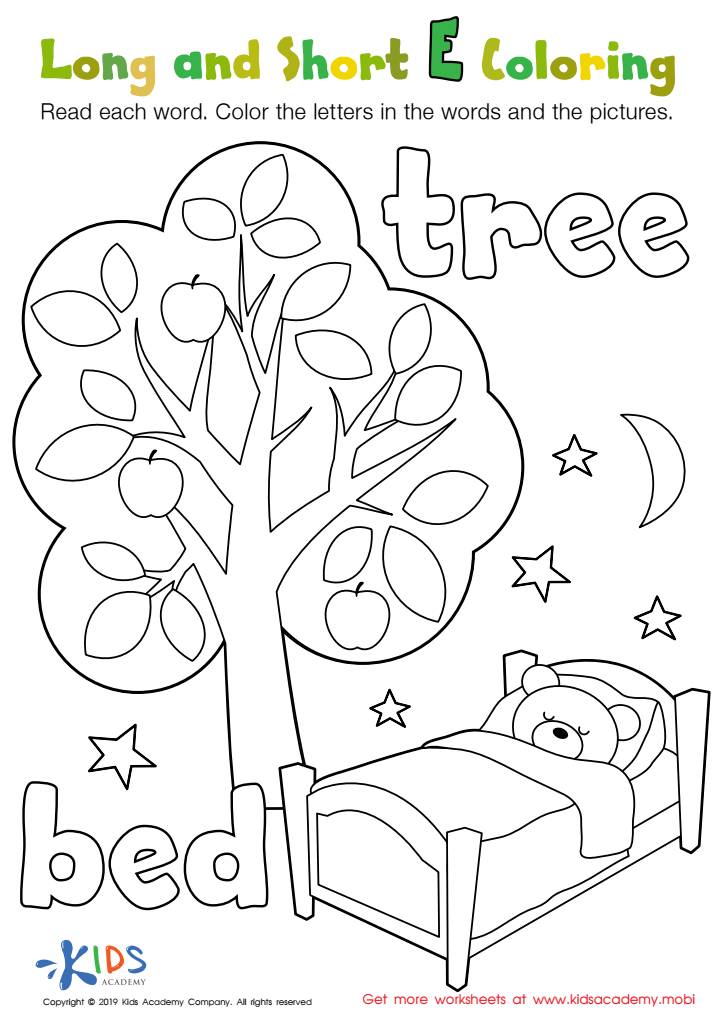
Long and Short E Worksheet
Assign to My Students

Letter D Tracing Page





Parents and teachers should prioritize Hand-eye Coordination activities in English for children aged 3-6 because this skill underpins many crucial early learning and developmental milestones. Hand-eye coordination is the synchronized control of eye movement with hand movements and processing visual input to guide reaching and grasping.
Firstly, it significantly impacts a child's ability to perform everyday tasks such as writing, cutting with scissors, or dressing themselves. These activities require precise tracking of the eyes and corresponding hand movements, forming the foundation for fine motor skills fundamental in school readiness. Proficient hand-eye coordination also enhances visual-motor integration, essential for reading because it helps children efficiently track lines of text.
Additionally, integrating English into these activities allows children to enhance their language acquisition while engaging in play-based learning. Young children are at a prime stage of language development, and combining it with physical activities helps reinforce vocabulary and comprehension in an interactive manner.
Moreover, activities that develop hand-eye coordination stimulate neural pathways in the brain, promoting better cognitive development. Children develop not just motor skills, but also problem-solving and critical thinking abilities as they navigate and interact with their environment.
Thus, fostering hand-eye coordination in young learners provides a solid educational and developmental framework, enhancing both their physical capabilities and language skills crucial for future academic and daily life success.