Reading comprehension English for Beginners Worksheets for Ages 3-6
10 filtered results
-
From - To
Unlock the joy of reading with our "Reading Comprehension English for Beginners Worksheets" designed specifically for ages 3-6. These engaging and age-appropriate worksheets support early language skills, helping children develop essential comprehension techniques. Each activity encourages little learners to explore the world of stories through fun illustrations and simple questions, making reading an exciting adventure. Our carefully crafted worksheets incorporate visual aids and interactive elements that enhance understanding, boost vocabulary, and build confidence in reading English as a second language. Perfect for parents and educators, these resources will guide young minds on their journey to becoming enthusiastic readers. Start exploring today!
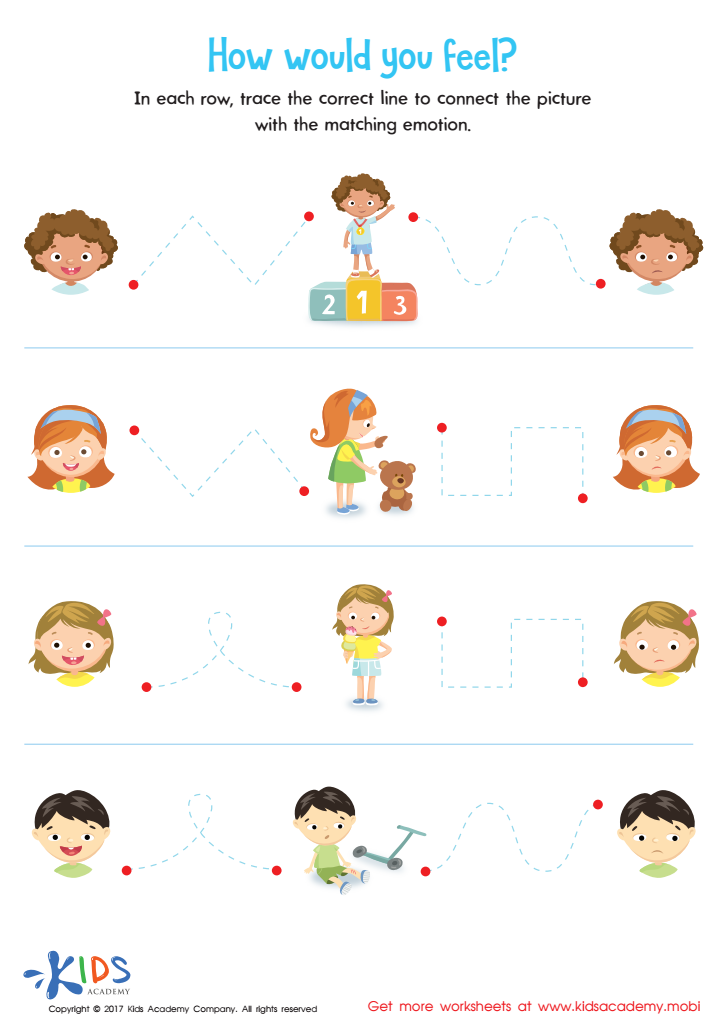
Feelings and Emotions Worksheet
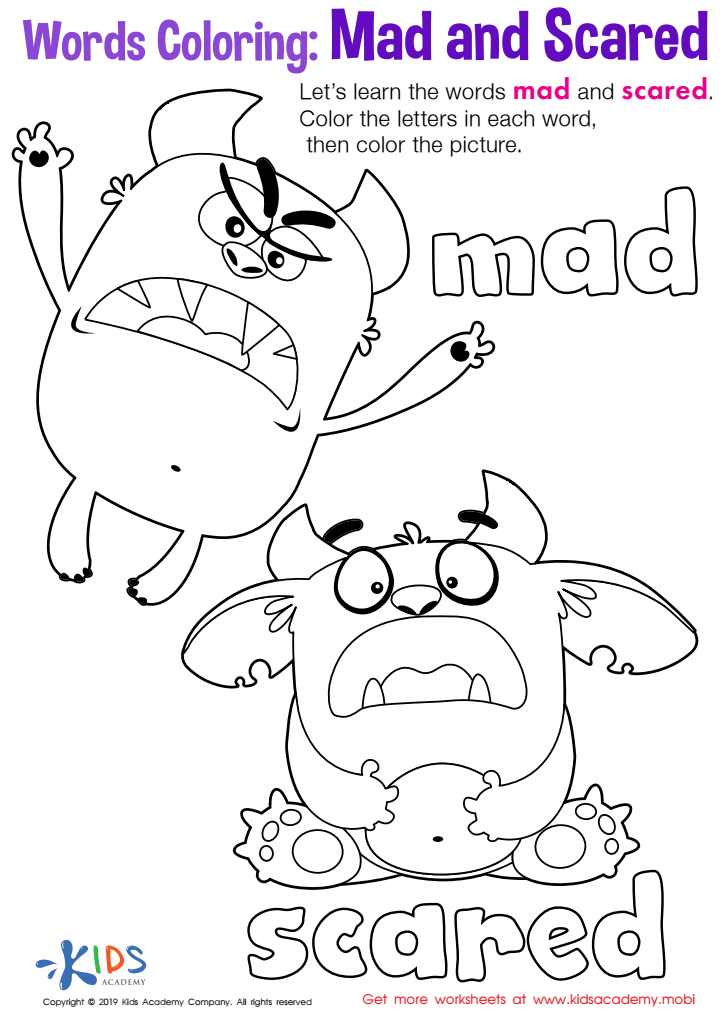
Mad and Scared Words Coloring Worksheet
 Assign to My Students
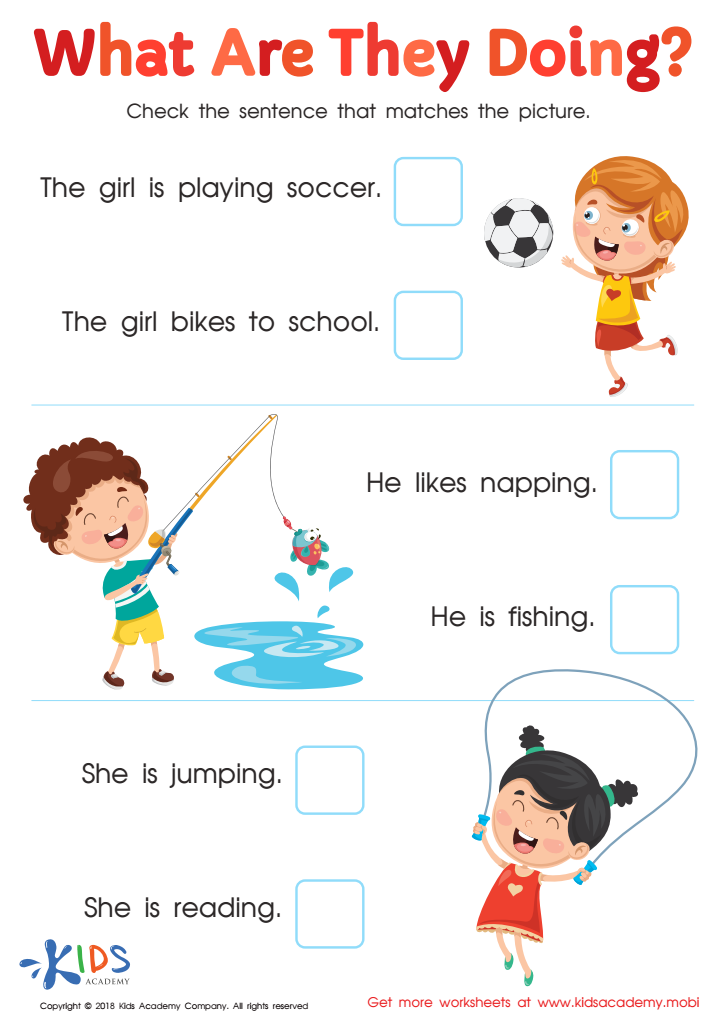
What Are They Doing? Worksheet
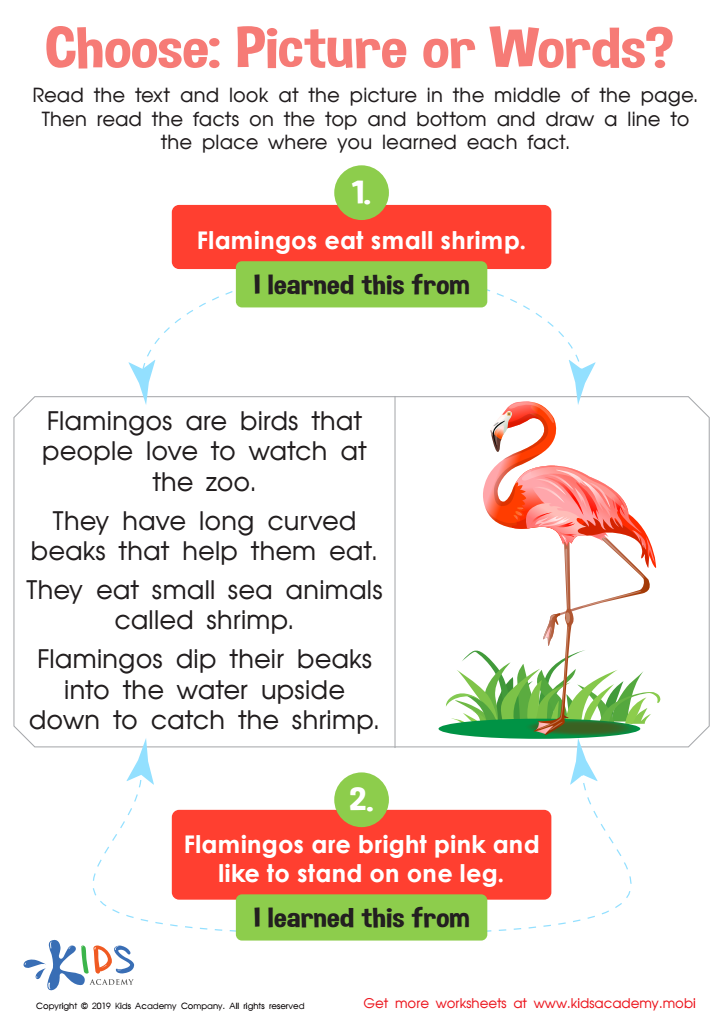
Choose Picture Words Worksheet
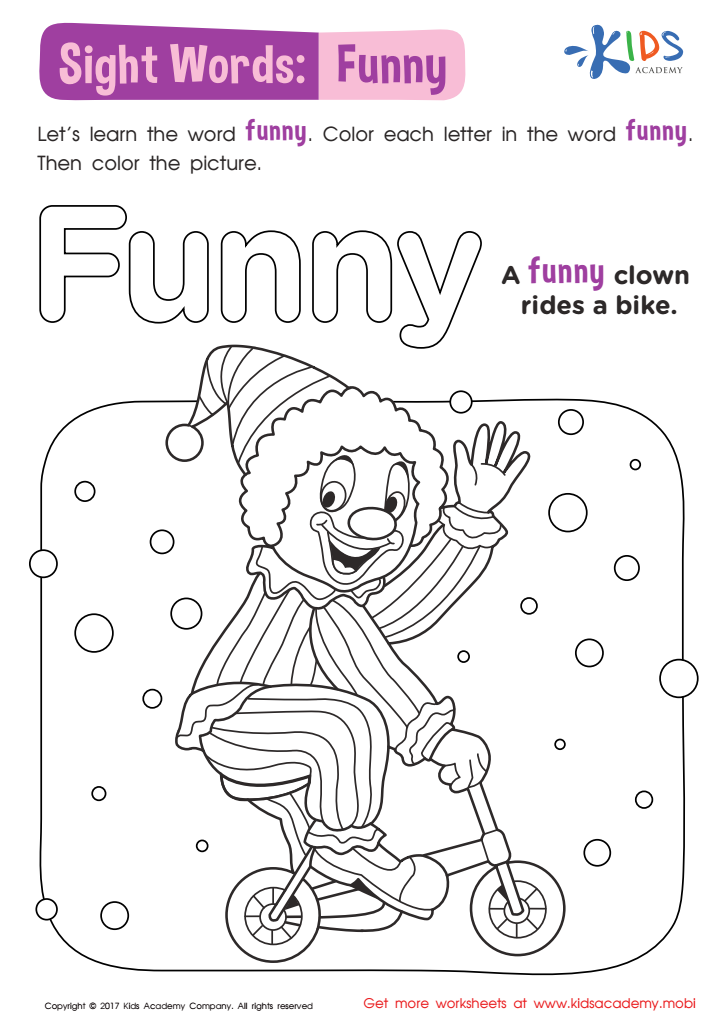
Funny Worksheet Sight Words Worksheet
Assign to My Students
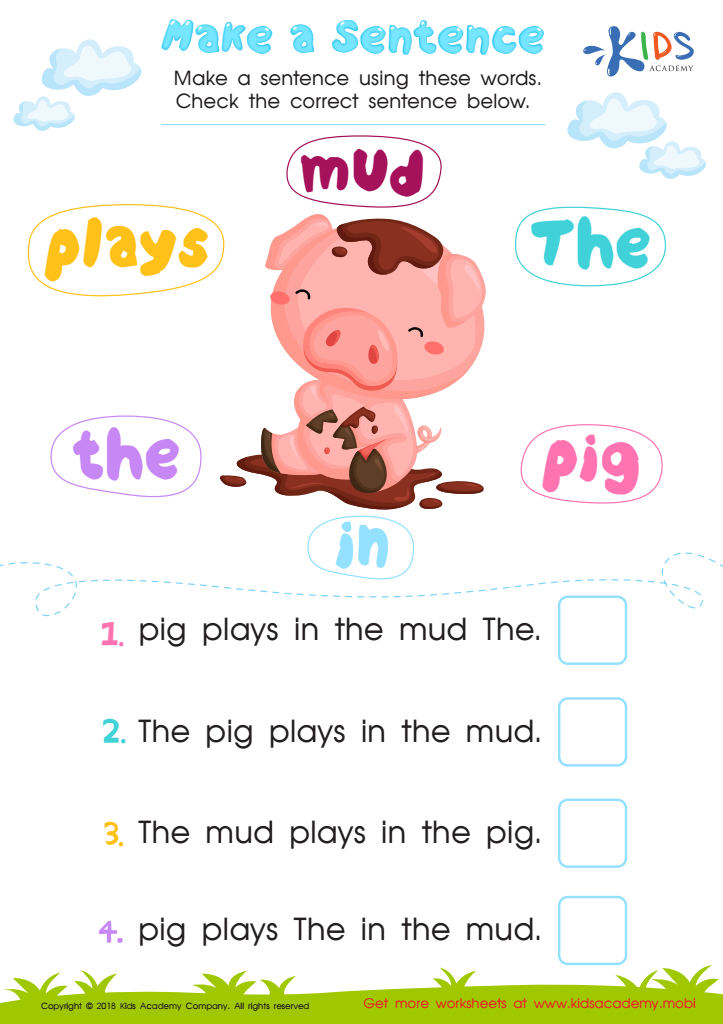
Assessment: Make a Sentence Worksheet
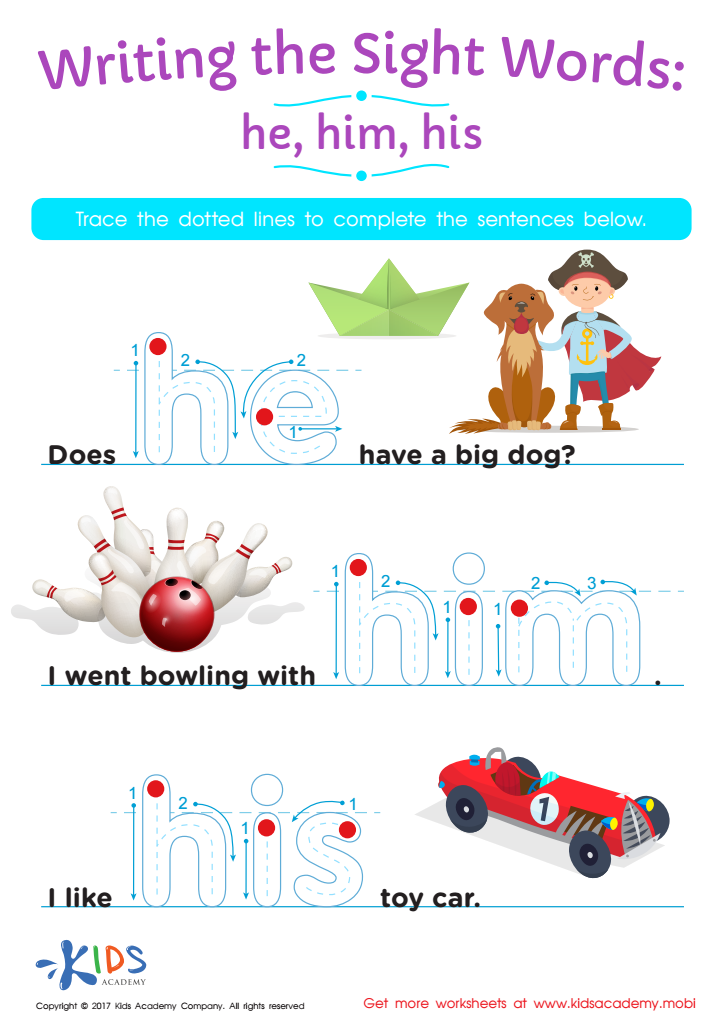
He, Him, His Printable Sight Words Worksheet
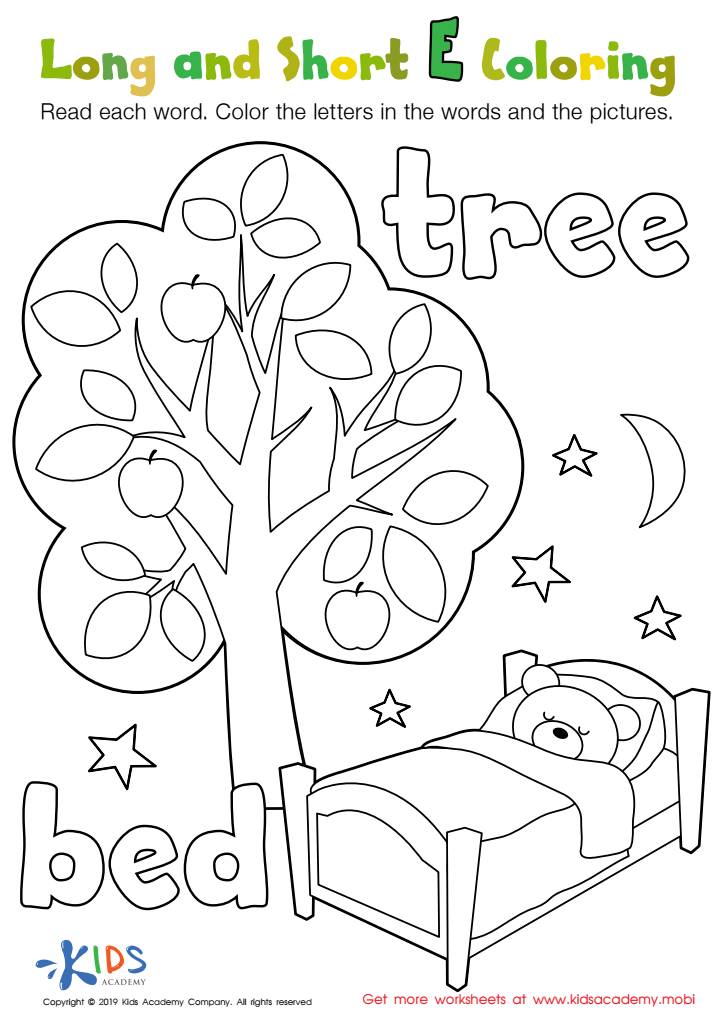
Long and Short E Worksheet
Assign to My Students
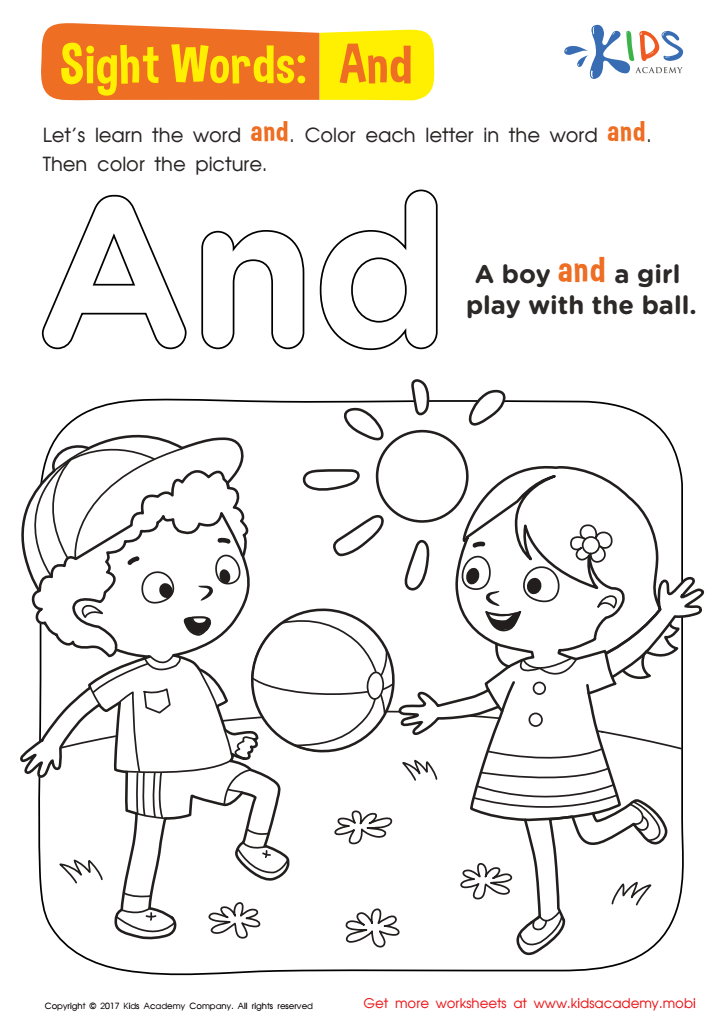
And Worksheet Sight Words Worksheet
Assign to My Students
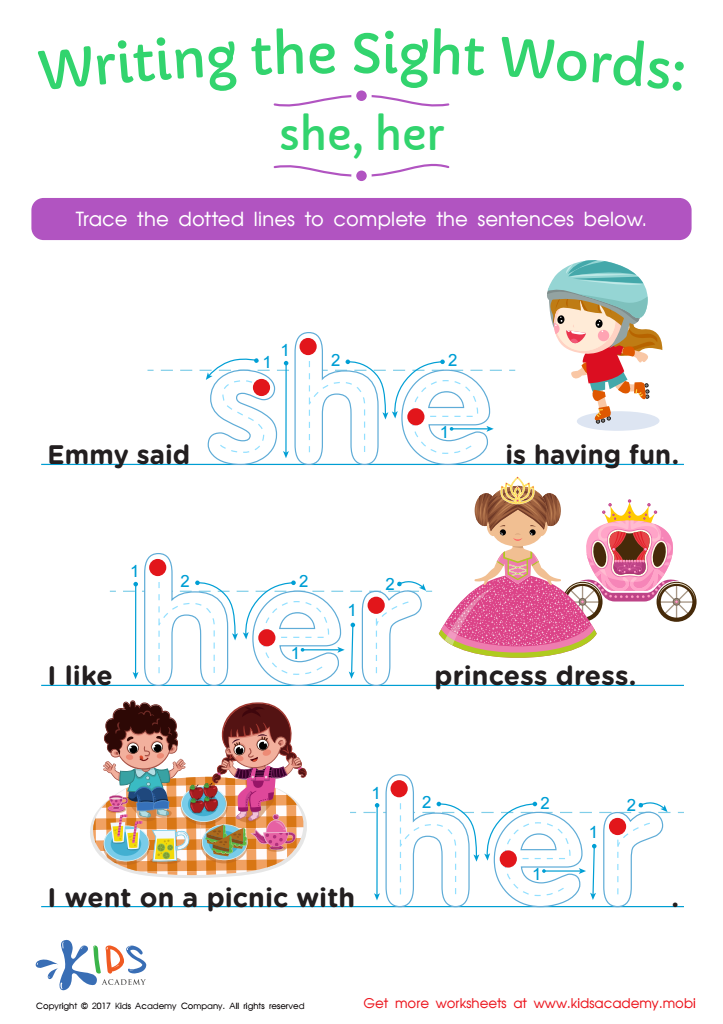
She, Her Printable Sight Words Worksheet




Reading comprehension is essential for children ages 3-6 as it lays the foundation for lifelong learning and effective communication. At this early stage, children are developing critical thinking skills and the ability to understand stories, which shapes their imagination and cognitive abilities. When parents and teachers emphasize reading comprehension, they help children process and analyze information, fostering curiosity and engagement.
Furthermore, strong reading comprehension skills enhance vocabulary development and grammar understanding, enabling children to express themselves better in both spoken and written forms. Engaging young learners through interactive reading also strengthens their listening skills and promotes bonding between caregivers and children, creating a positive learning environment.
For children just beginning to read, understanding the content is as crucial as recognizing words. By nurturing comprehension skills early on, educators and parents equip children with the tools needed to navigate academic challenges in later years. Overall, focusing on reading comprehension in this critical age range not only prepares children for future educational success but also instills a love for reading that encourages lifelong learning. Prioritizing this aspect of literacy education ultimately contributes to well-rounded development and academic achievement.