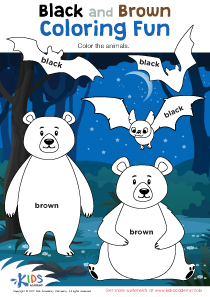
Sound Association English for Beginners Worksheets for Ages 3-6
5 filtered results
-
From - To
Discover our Sound Association English for Beginners Worksheets designed for ages 3-6! These engaging and educational worksheets from Kids Academy help young learners develop critical listening and phonics skills. Featuring fun, interactive exercises that pair common sounds with corresponding letters and words, children will enjoy learning through play. Perfect for ESL students, our printable worksheets are crafted to support early language acquisition, boost vocabulary, and build confidence in reading and speaking English. Make learning a joyous adventure with Kids Academy’s expertly designed worksheets. Start exploring today and watch your child’s language skills flourish!
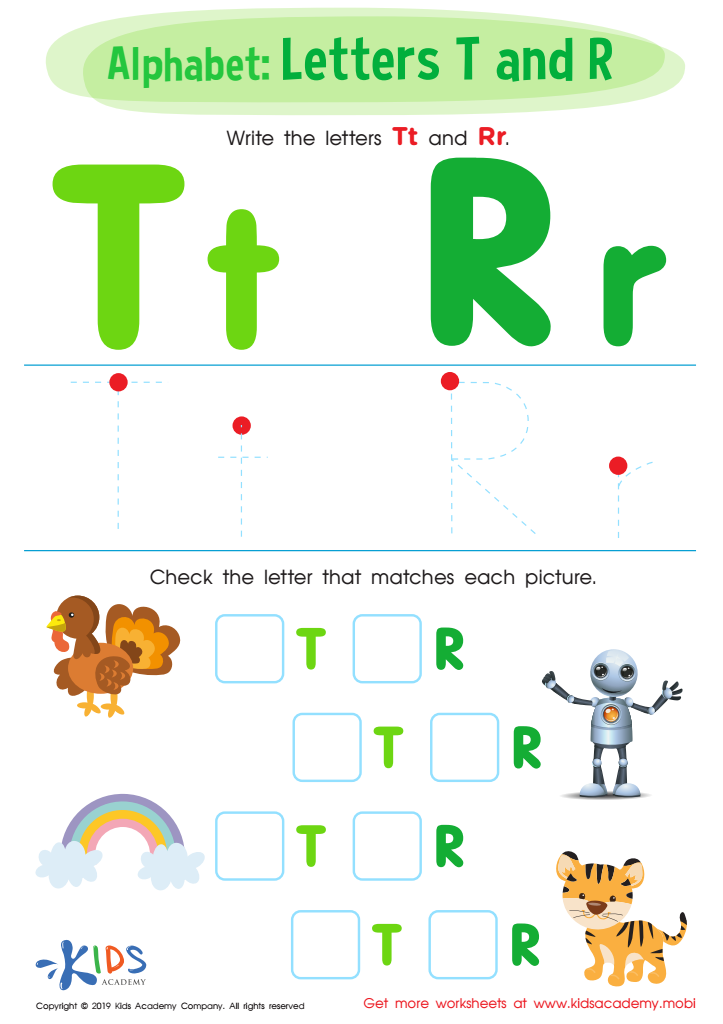
Letters T and R Worksheet
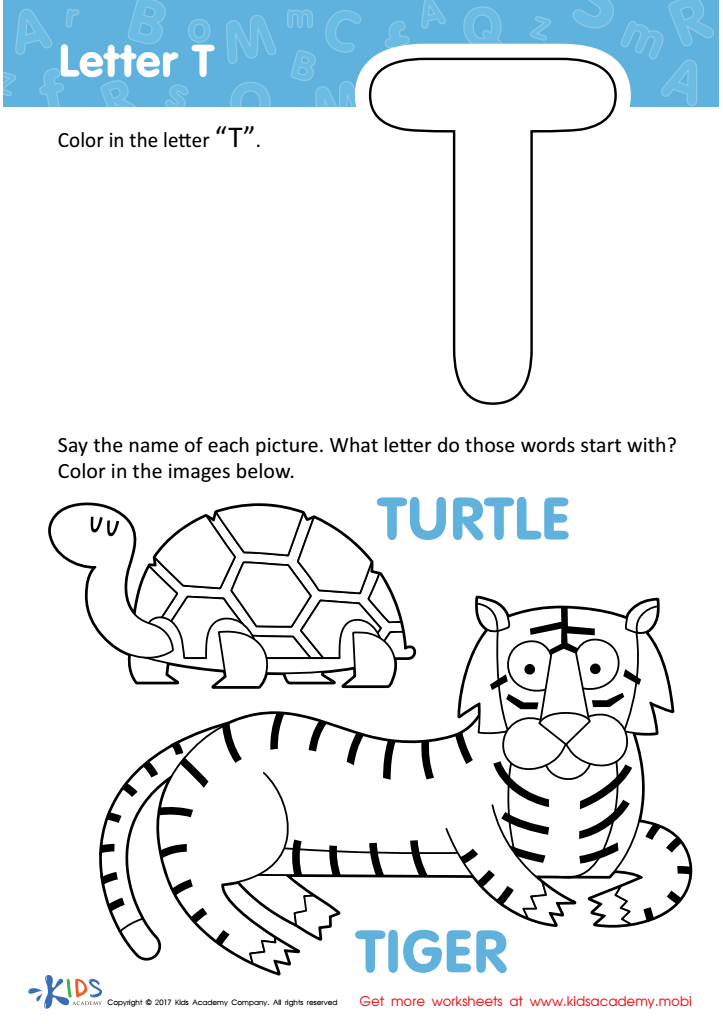
Letter T Coloring Sheet
 Assign to My Students
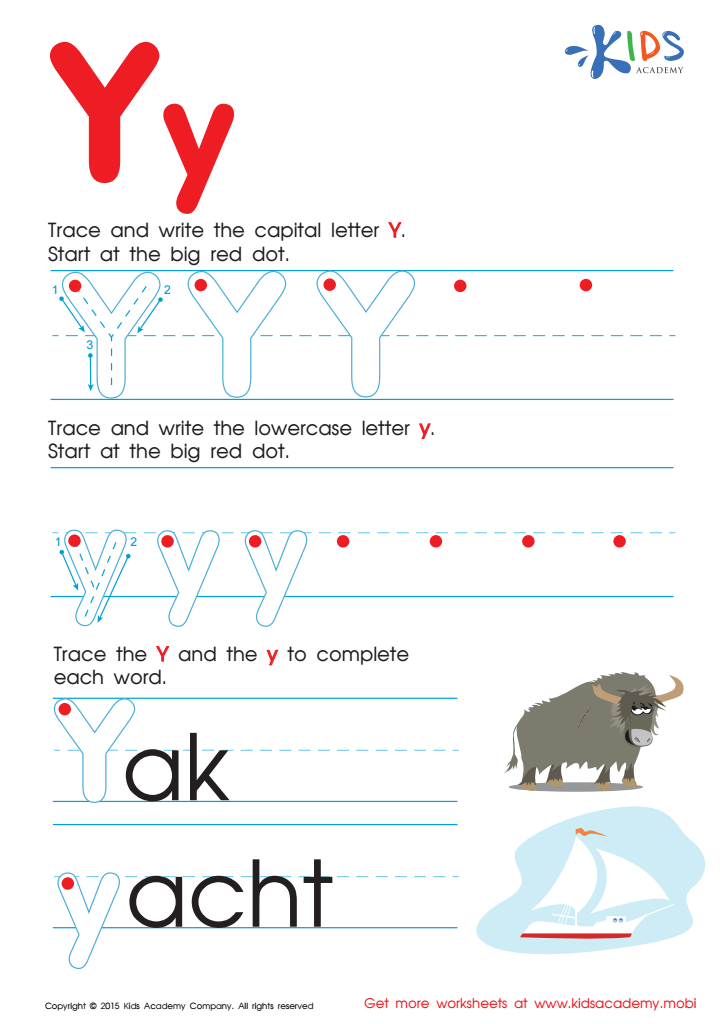
Letter Y Tracing Page
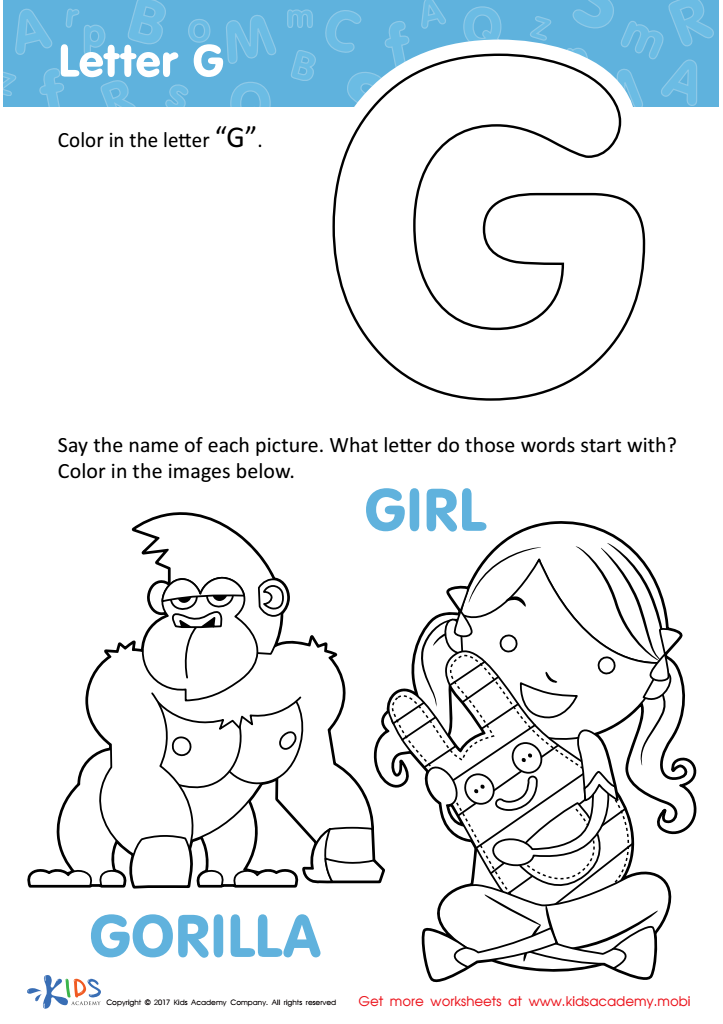
Letter G Coloring Sheet
Assign to My Students
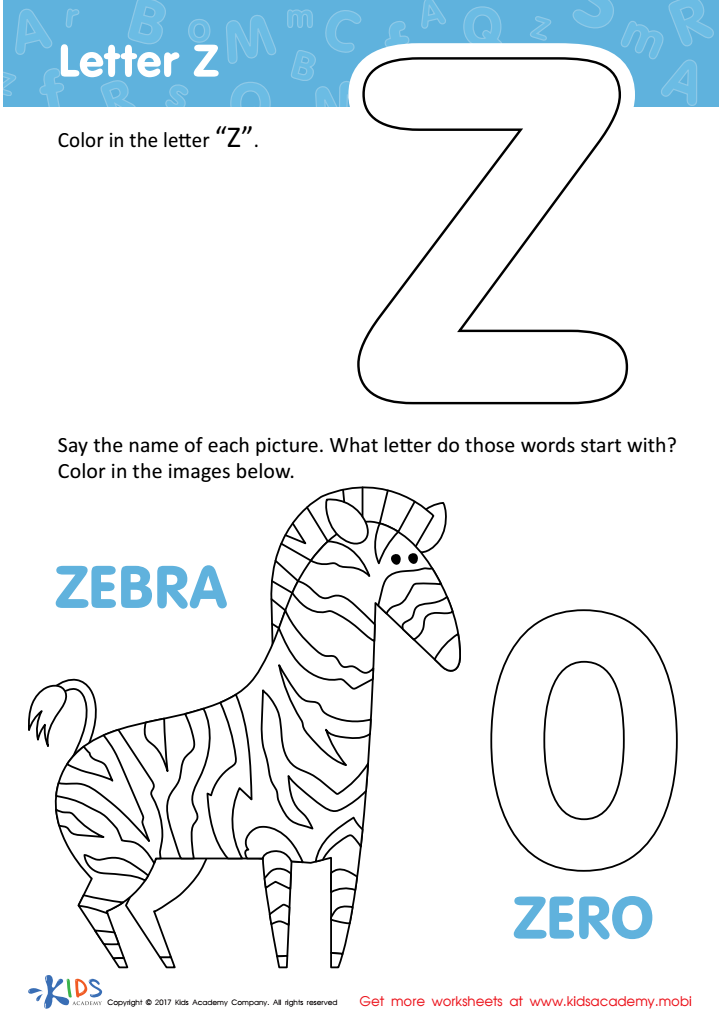
Letter Z Coloring Sheet
Assign to My Students





Sound association is a fundamental aspect of early literacy for children aged 3-6, and here's why parents and teachers should place significant emphasis on it. During this critical period, young brains are extremely receptive to learning language, and sound association aids in recognizing the relationship between phonemes (the smallest units of sound) and their corresponding letters or groups of letters. This foundational understanding allows children to develop critical early reading skills, such as phonemic awareness and decoding, which are essential for fluent reading.
Children who are proficient in sound association are better positioned to decode new words, improve their reading comprehension, and build a robust vocabulary. This early start can lead to more confidence and enjoyment in reading, setting the stage for lifelong learning.
Teachers and parents play a pivotal role in creating a rich and engaging auditory environment through activities like songs, rhymes, and alphabet games, which naturally encourage sound association. Moreover, fostering an early love for reading and learning through sound association helps in boosting cognitive development and language skills. Investing time and effort into sound association lessons for young learners equips them with the tools they need to achieve academic success and nurtures their curiosity and enthusiasm for learning.