Boost your child's cognitive development with our Analytical Thinking Worksheets for Ages 3-6. Carefully designed to captivate young minds, these engaging worksheets challenge little learners to observe, analyze, and solve problems creatively. By incorporating fun activities like sorting, matching, and sequencing, children hone critical thinking skills while enjoying the learning process. Our worksheets cater to varying skill levels to ensure every child progresses confidently. Perfect for both classroom and at-home learning, these printables not only make education exciting but also lay a strong foundation for future academic success. Explore our diverse collection and inspire a love of learning today!

Check out this FREE "Analytical thinking" Trial Lesson for age 3-6!

Match Objects that Fit Together

Favorites
With answer key
Interactive
  • 3-6
  • Analytical thinking
The 5 Sense Scientist Worksheet

The 5 Sense Scientist Worksheet

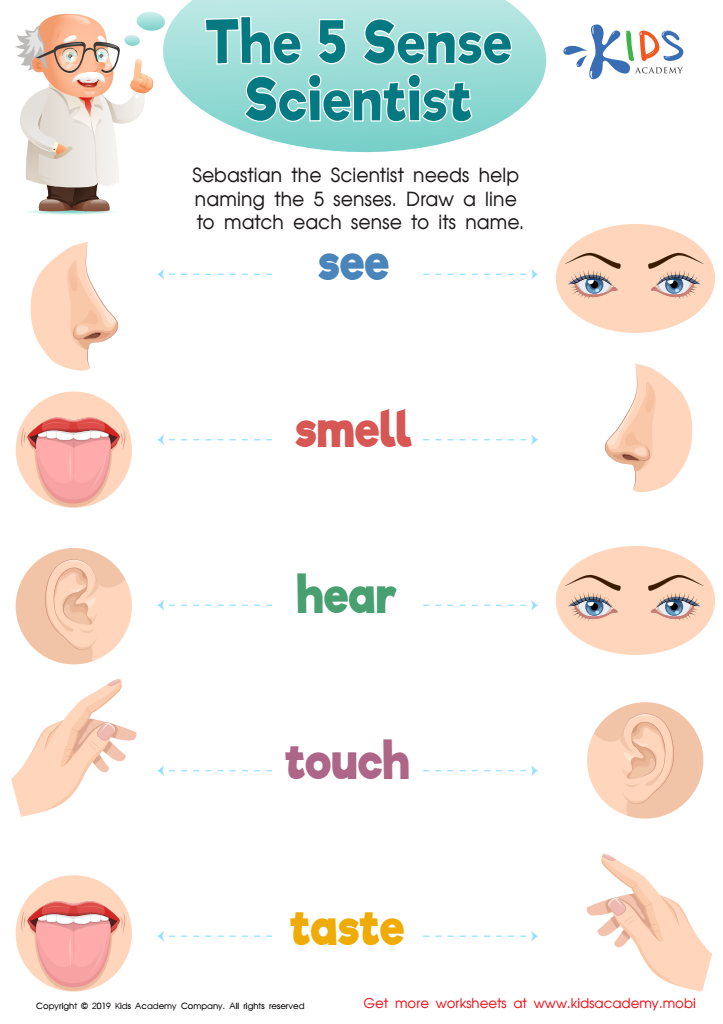
Our young children will have fun learning about their five senses with this free Sense Scientist worksheet. Helping Sebastian the Scientist, they'll name the five senses and use traceable lines to connect each picture with its correct sense. Colorful words and pictures will create a memorable picture representation.
The 5 Sense Scientist Worksheet
Worksheet
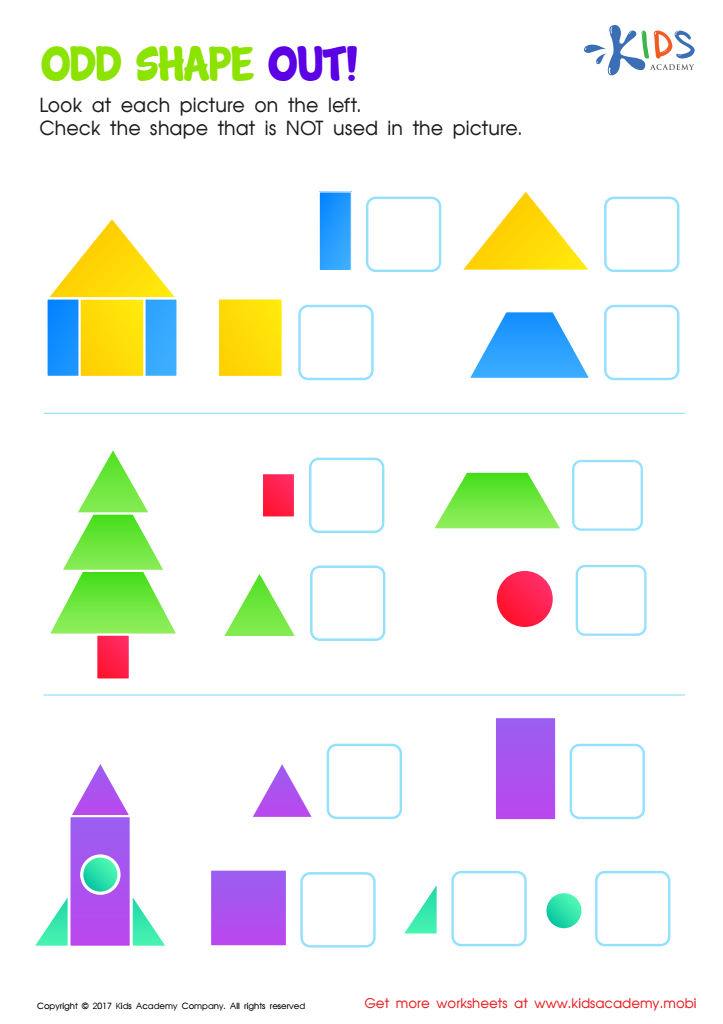
Odd Shape Out Worksheet for Grade 1

Odd Shape Out Worksheet for Grade 1

This worksheet can help your kids test their knowledge of shapes. They should have already been introduced to the most common shapes and be able to identify and draw them. Look at the picture and help your child identify each shape. Then, check which one isn't used to make the object.
Odd Shape Out Worksheet for Grade 1
Worksheet
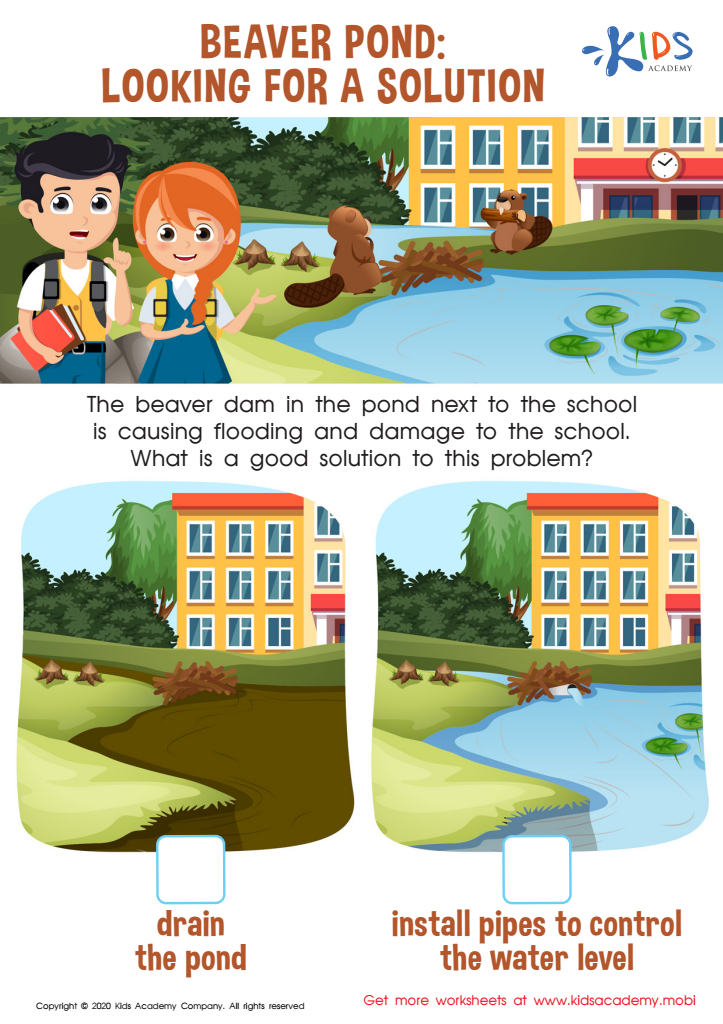
Beaver Pond: Looking for a Solution Worksheet

Beaver Pond: Looking for a Solution Worksheet

Beavers are building dams and flooding the local pond! Help your child practice problem-solving skills by reading through and selecting from possible solutions, with this fun PDF worksheet. See how your child's skills are improved!
Beaver Pond: Looking for a Solution Worksheet
Worksheet
The Boy Who Cried Wolf: Cause and Effect

The Boy Who Cried Wolf: Cause and Effect Worksheet
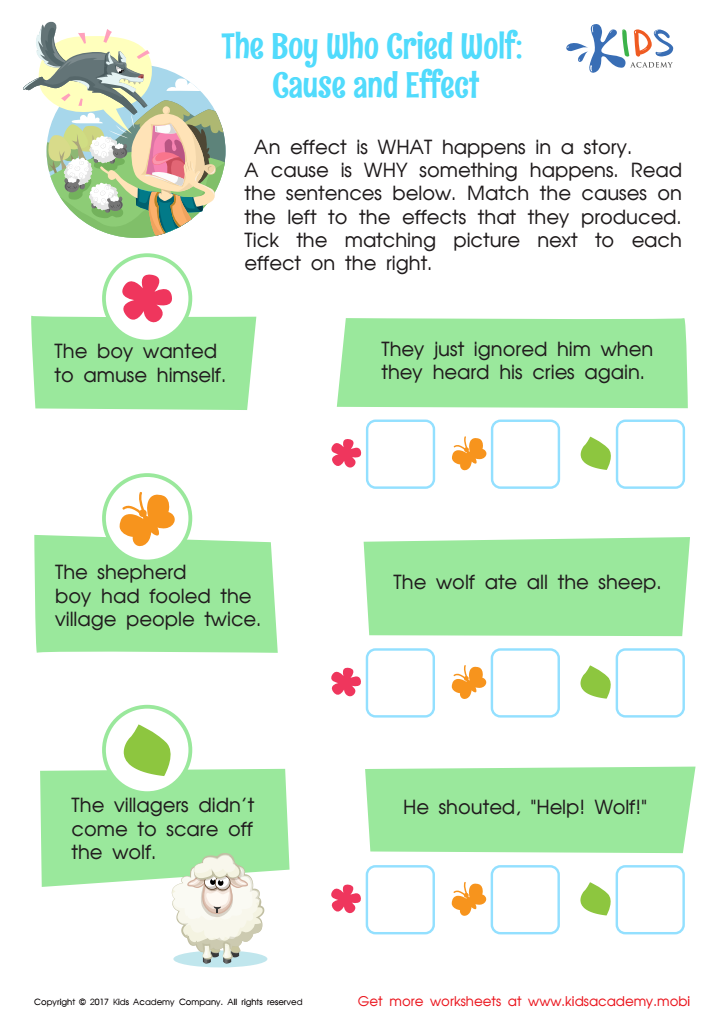
With classic stories and fables, learning reading comprehension is easy - and fun!
The Boy Who Cried Wolf: Cause and Effect Worksheet
Worksheet
Matching Worksheet for Toddlers

Logic Game Sorting Worksheet

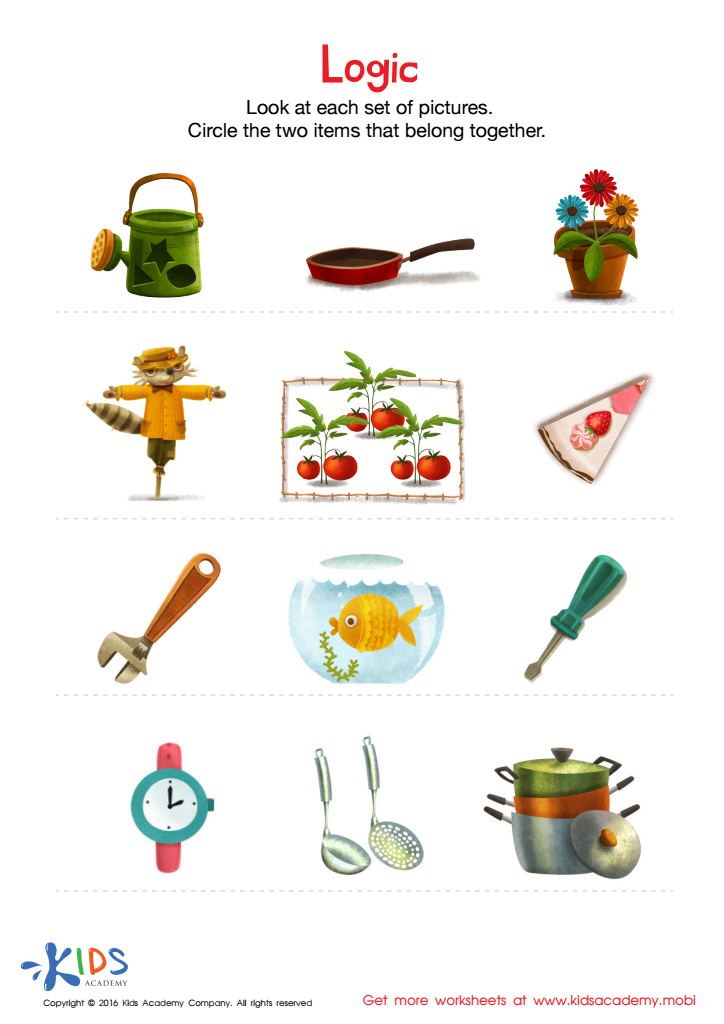
Start your child's logic and reasoning development early with this fun matching worksheet! Through cute images and simple conversations, your little one can learn problem-solving, categorization, and matching skills. Plus, it's a great way for children to explore how items are used in real life. Try it and watch them boost skills with ease and fun!
Logic Game Sorting Worksheet
Worksheet
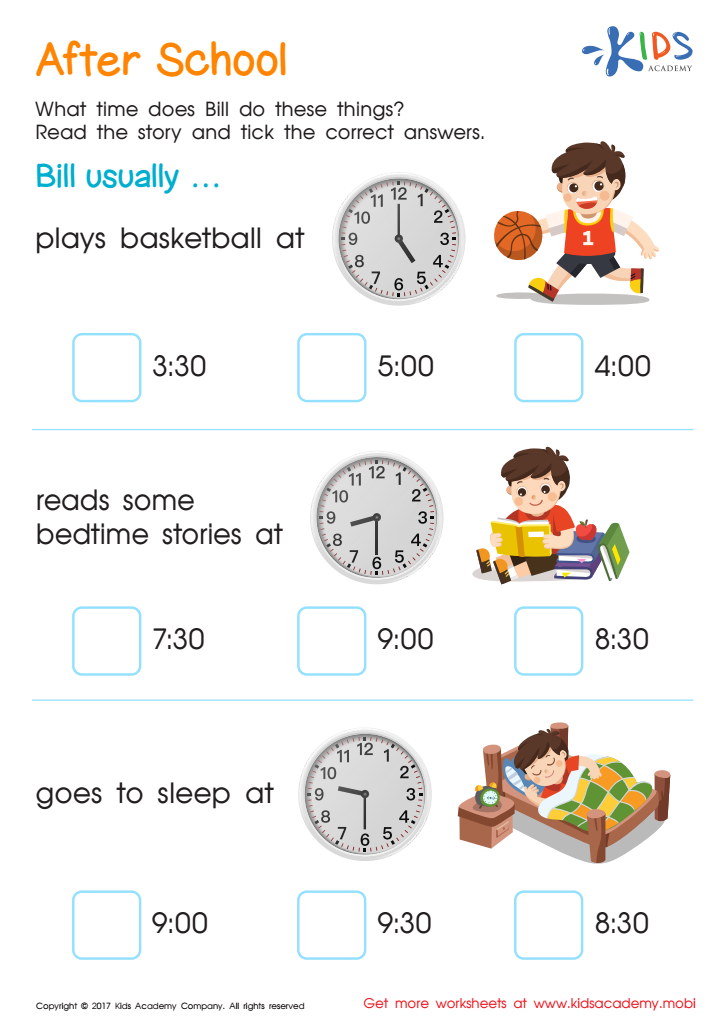
Telling time printable worksheet: After School

After School Time Printable

Meet Bill, a fun character who does the same things as all of us! This time-telling printable worksheet, 'After School', is an enjoyable way for your child to get familiar with Bill. It's a quick and cute activity to help understand the clocks and learn more about this new friend.
After School Time Printable
Worksheet
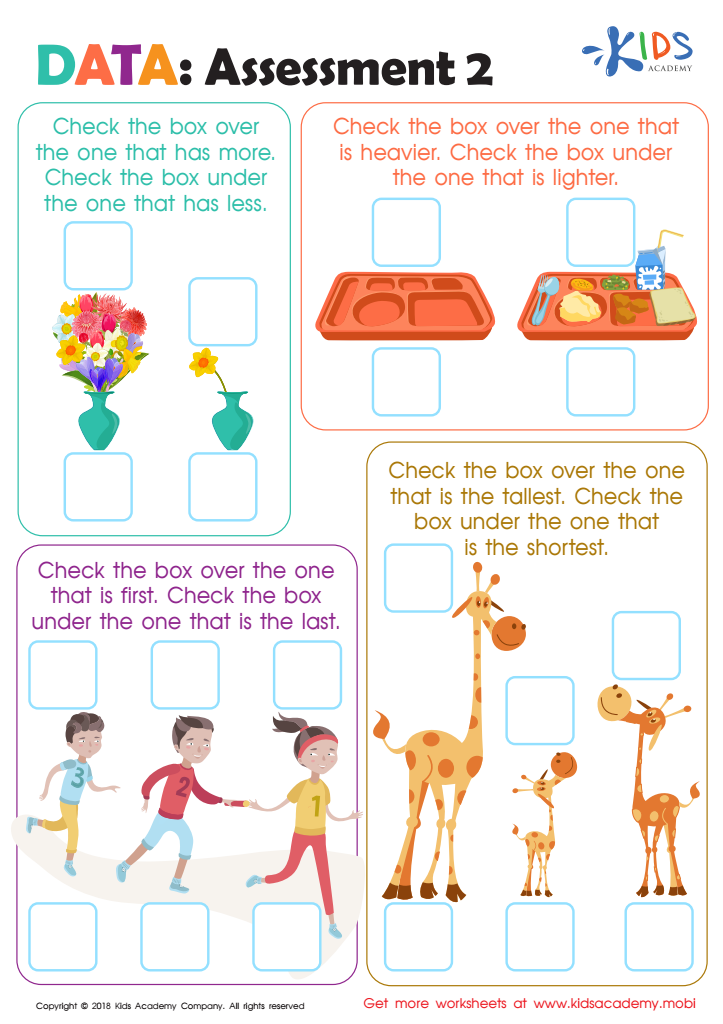
Data: Assessment 2 Worksheet

Data: Assessment 2 Worksheet

This printable worksheet tests students' understanding of words related to quantity and measurement, such as "more", "less", "heavy", "light", "first", "last", "tall", and "short". It helps children compare and contrast when solving measurement problems. Ideal for math classes, it encourages students to gain the essential skills needed in subjects like math, science, and reading.
Data: Assessment 2 Worksheet
Worksheet


Analytical thinking is a foundational skill that enhances overall cognitive development in children ages 3-6. During these early years, children's brains are incredibly receptive and rapidly forming connections. Encouraging analytical thinking at this stage sets the groundwork for more complex problem-solving, critical thinking, and decision-making skills later in life.

For parents and teachers, fostering analytical thinking means creating opportunities for children to explore, ask questions, and engage in activities that require observation, categorization, and logical reasoning. Simple activities like sorting objects by color or shape, or playing matching games, can significantly enhance analytic capabilities.

These skills are essential for mathematical reasoning, scientific inquiry, and effective reading comprehension. When children learn how to dissect a problem and understand its component parts, they become more confident and self-reliant learners. Furthermore, analytical thinking allows children to develop empathy by learning to see situations from various perspectives and make reasoned judgments.

By prioritizing analytical thinking, parents and teachers can help children develop a lifelong love for learning, critical inquiry, and independent thought. This not only supports academic achievement but also builds essential life skills that govern personal and social situations, making them well-rounded individuals.