Categorization skills Worksheets for Ages 3-6 - Page 2
29 filtered results
-
From - To
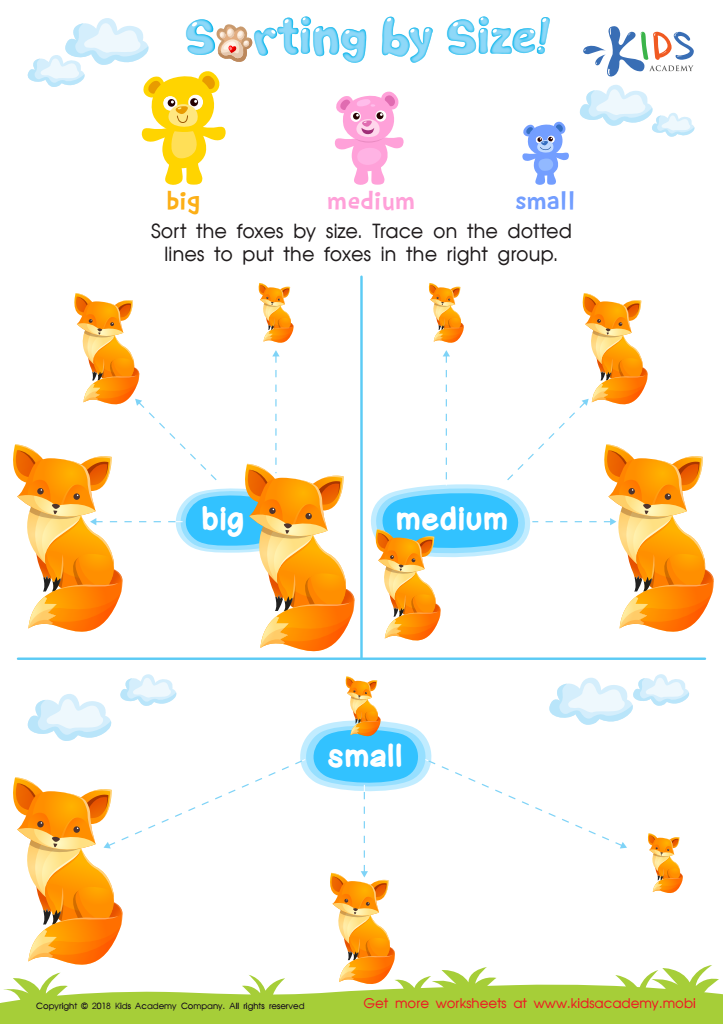
Sorting by Size Worksheet
 Assign to My Students
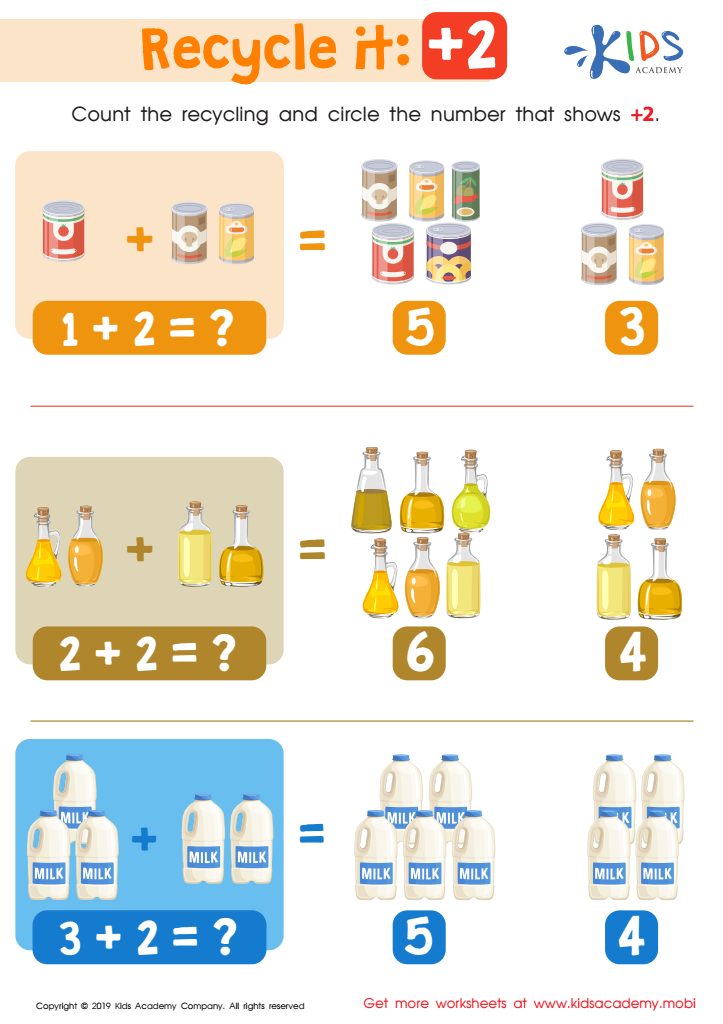
Recycle It: +2 Worksheet
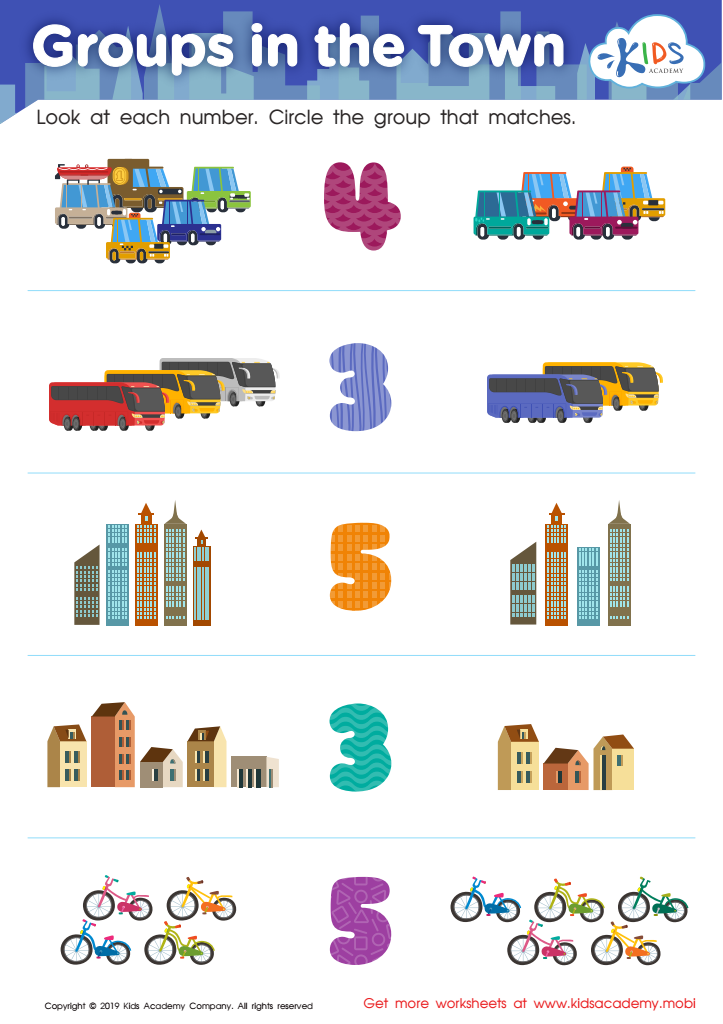
Groups in the Town Worksheet
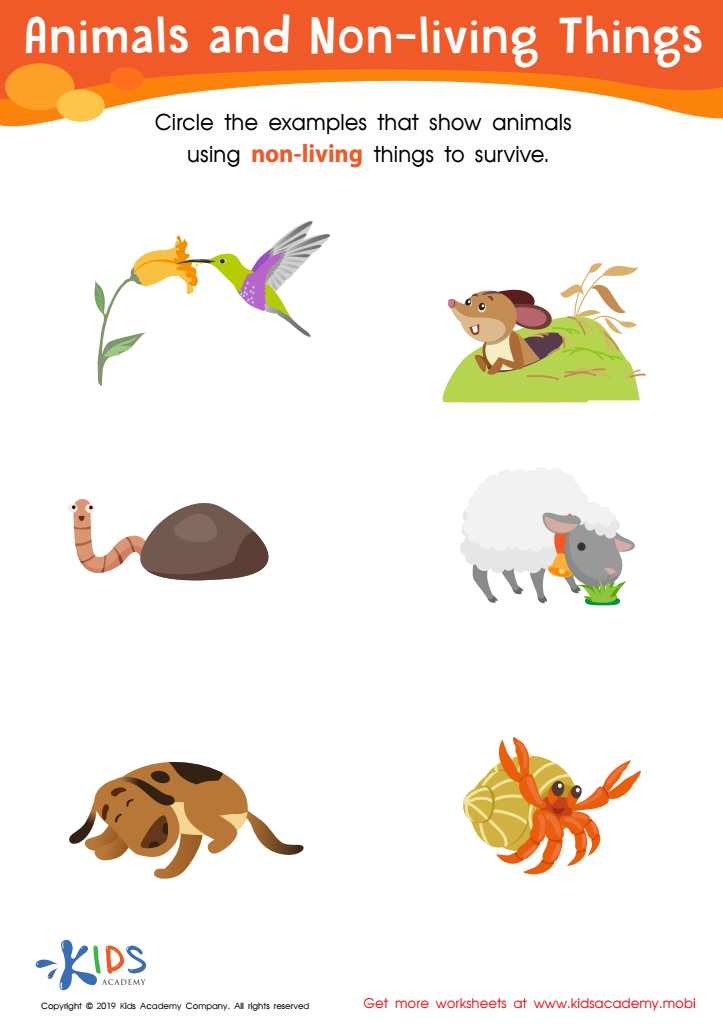
Animals and Non-Living Things Worksheet




.jpg)


Categorization skills are essential for children aged 3-6, as they lay the foundation for critical thinking and cognitive development. During this stage, children are naturally curious and begin to explore the world around them. Encouraging categorization helps them organize their experiences and understand relationships among objects, which is crucial for learning.
By recognizing how items are alike or different, children enhance their ability to think logically, solve problems, and make connections between concepts. For instance, when a child sorts shapes or groups animals by habitat, they engage in active learning that fosters inquiry and exploration.
Furthermore, categorization skills support language development. As children classify objects, they expand their vocabulary by learning descriptors and categories, preparing them for more complex language structures in later years.
Teachers and parents play a vital role in nurturing these skills through interactive play, discussions, and hands-on activities. By fostering an environment where categorization is encouraged, we help children build a robust cognitive framework that influences their academic success and everyday decision-making.
In summary, nurturing categorization skills within this age group not only enhances cognitive abilities but also equips children with essential tools for effective communication and understanding of their environment.








