Categorizing objects Worksheets for Ages 3-6
4 filtered results
-
From - To
Explore our engaging "Categorizing Objects Worksheets" designed especially for children aged 3 to 6! These worksheets help young learners develop important sorting and classification skills through fun and interactive activities. By categorizing items based on various attributes such as color, shape, and size, children enhance their cognitive abilities and critical thinking. Our user-friendly, printable resources encourage creativity while promoting hands-on learning. Ideal for parents and educators, these worksheets make learning enjoyable and effective. Discover a variety of vibrant designs and themes that spark curiosity and ensure hours of educational fun. Start your child’s journey towards organized thinking today!
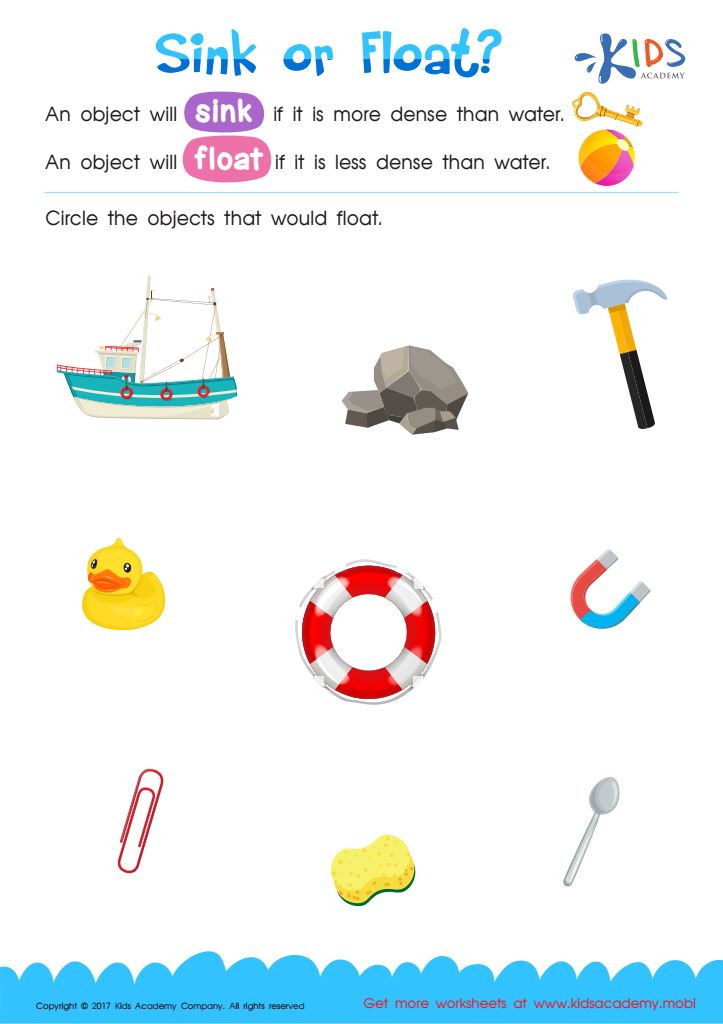
Sink or Float Printable
 Assign to My Students
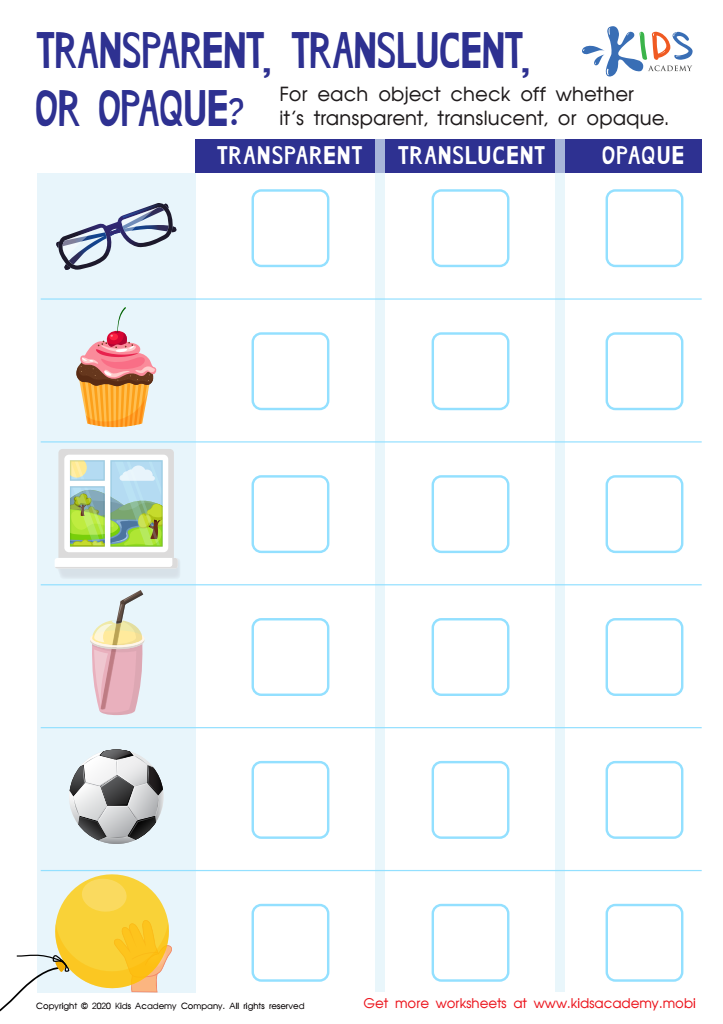
Transparent, Translucent, or Opaque Worksheet
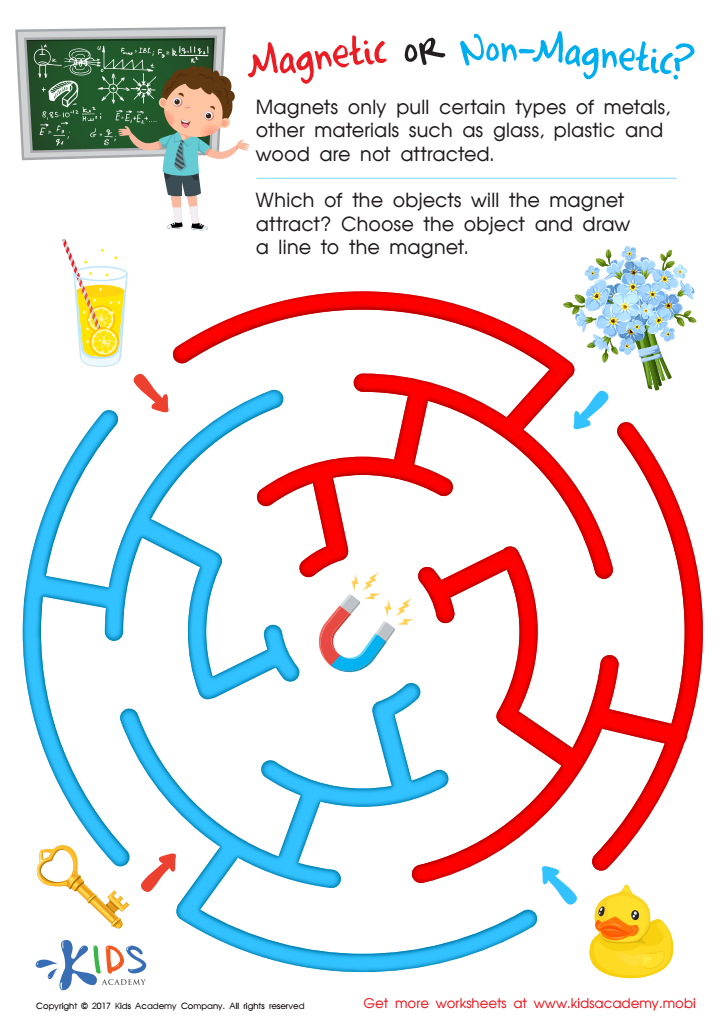
Magnetic or Non–Magnetic Worksheet
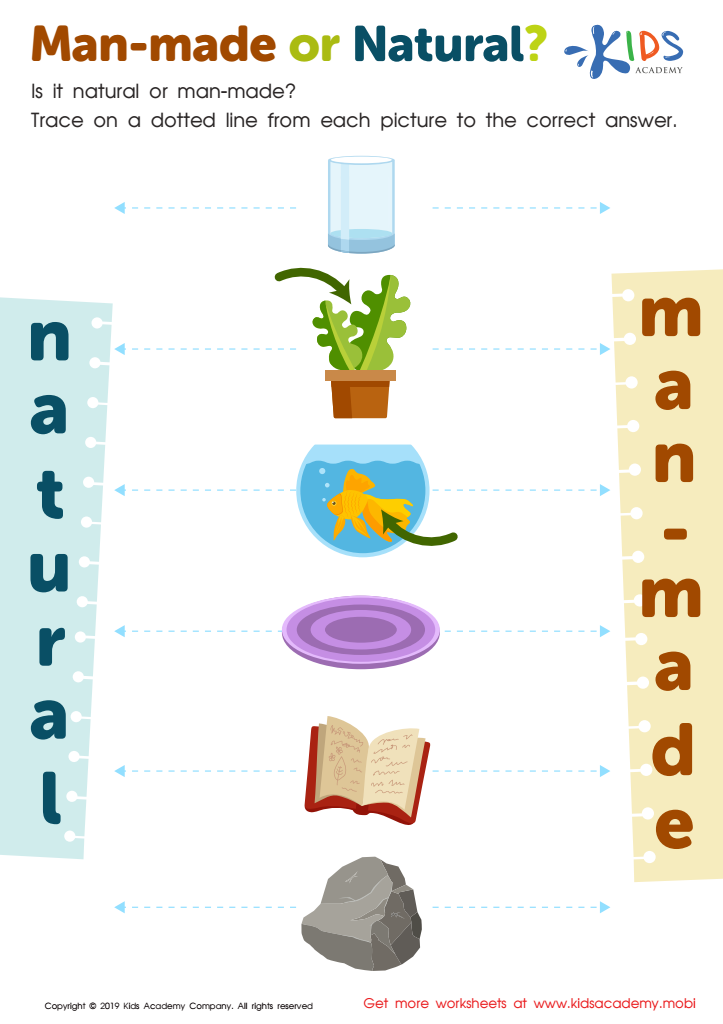
Man-Made or Natural? Worksheet






Categorizing objects is a crucial developmental step for children aged 3-6, as it lays the foundation for critical thinking and problem-solving skills. During these formative years, children are naturally inclined to explore the world around them, and categorization helps them make sense of it. When parents and teachers engage children in sorting activities—like grouping animals, toys, or shapes—they enhance their cognitive growth by encouraging them to recognize similarities and differences among items.
This activity enhances vocabulary acquisition as children learn the names of categories and related attributes. It fosters analytical skills, as children become adept at organizing information based on various criteria, sparking early math concepts such as counting and comparison.
Additionally, categorizing can promote social and emotional development; group activities can encourage teamwork and communication among peers. For parents and educators, understanding the significance of categorization aids in creating meaningful learning experiences that intersect play and education. Ultimately, prioritizing categorization helps instill a sense of order and understanding, critical aspects that will support children’s lifelong learning journey. Therefore, enhancing categorizing skills in young children is an investment not just in their academic success, but also in their overall cognitive and social development.








