Develop problem-solving skills Worksheets for Ages 3-6
3 filtered results
-
From - To
Welcome to our engaging collection of problem-solving skills worksheets designed specifically for children aged 3 to 6! These interactive activities help young learners develop critical thinking and analytical abilities through fun, age-appropriate challenges. Our worksheets focus on enhancing reasoning, pattern recognition, and logic skills with colorful visuals and playful themes that capture children's attention. Perfect for both home and classroom use, these resources encourage independent thinking, creativity, and collaboration as kids explore various scenarios. Help your little ones build a strong foundation for future learning by fostering their problem-solving skills today! Engage them with our fun and educational worksheets.
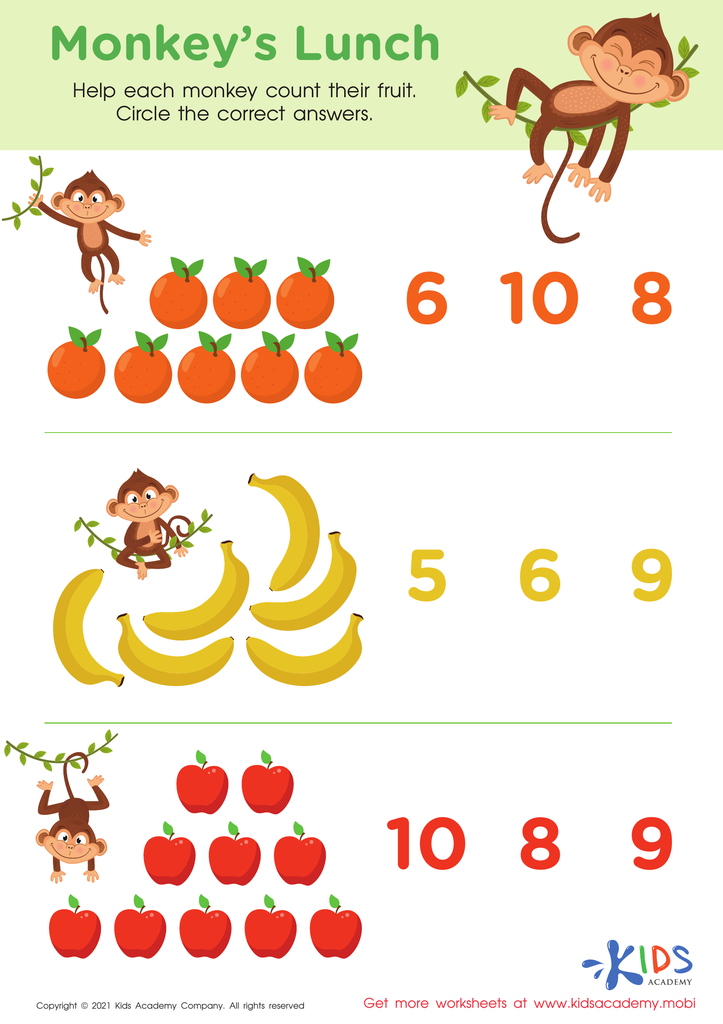
Monkey’s Lunch Worksheet
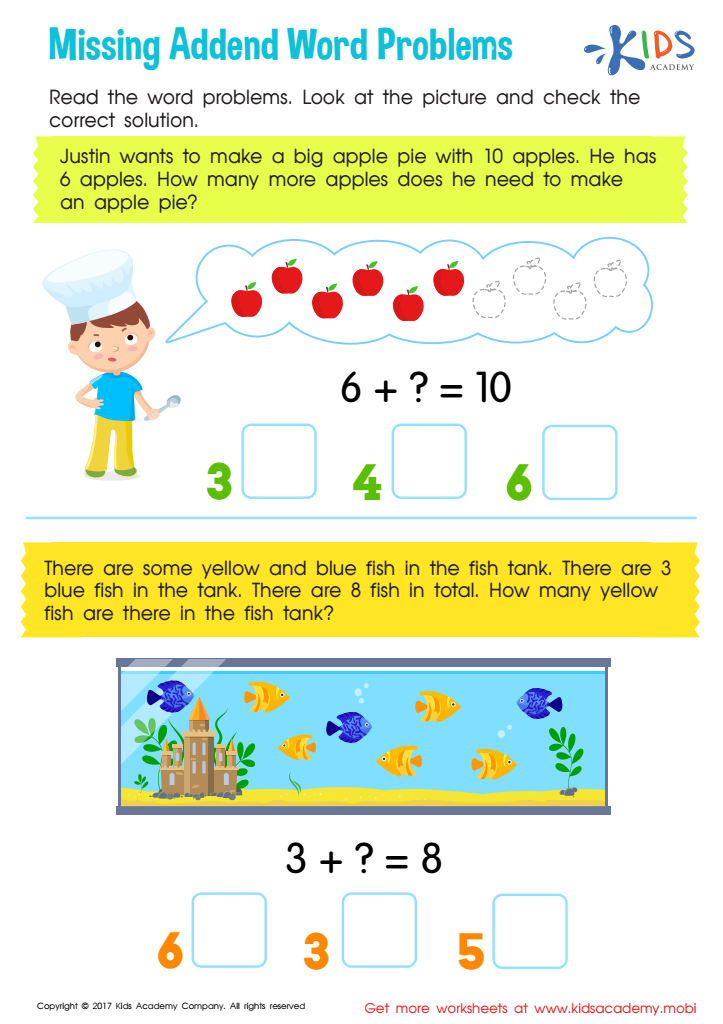
Missing Addend Word Problems Worksheet
 Assign to My Students
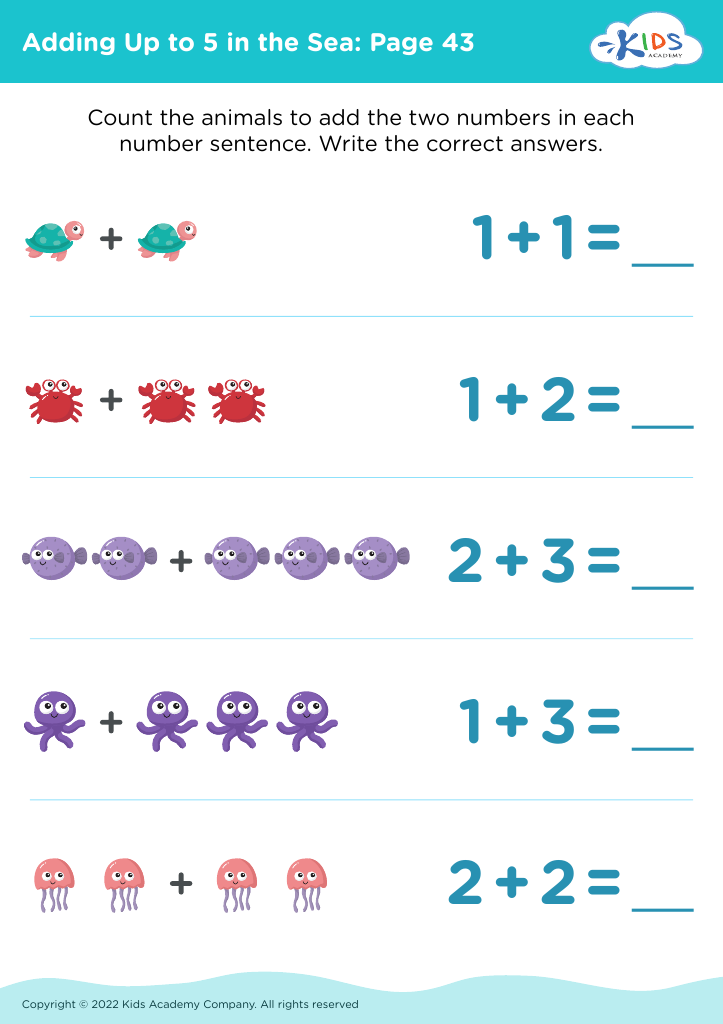





Developing problem-solving skills in children ages 3-6 is crucial for their cognitive, social, and emotional growth. During these formative years, children are naturally curious and eager to explore their environment. Encouraging them to engage in problem-solving activities nurtures their critical thinking, creativity, and resilience.
When kids tackle challenges, whether it's figuring out how to fit different shapes into a puzzle or resolving conflicts with peers, they learn valuable lessons in perseverance and decision-making. These skills are foundational, allowing them to handle more complex problems as they grow. Parents and teachers who prioritize problem-solving help foster independence, as children learn to trust their abilities and develop a sense of agency.
Additionally, enhancing problem-solving skills supports academic readiness. As children learn to analyze situations and develop strategies, they also improve their language skills and ability to express artistic ideas. Collaborative problem-solving with peers promotes teamwork and empathy, establishing a basis for strong interpersonal skills.
By investing in this critical area of development, parents and teachers equip children with essential tools that will serve them well throughout their lives, preparing them to navigate challenges both inside and outside the classroom effectively. Overall, developing problem-solving skills during early childhood is vital for lifelong learning and adaptability.








