Developing comprehension Worksheets for Ages 3-6
3 filtered results
-
From - To
Welcome to our "Developing Comprehension Worksheets" for children aged 3-6! Our carefully crafted worksheets are designed to enhance reading comprehension skills through engaging and interactive activities. Tailored for early learners, these worksheets feature vibrant illustrations and age-appropriate content that encourage curiosity and critical thinking. Activities focus on key comprehension strategies, such as predicting outcomes, remembering details, and making connections, all in a playful and supportive environment. With our resources, children will build confidence in their understanding of stories while fostering a love for reading. Explore our collection and nurture your child's comprehension ability as they embark on their learning journey!
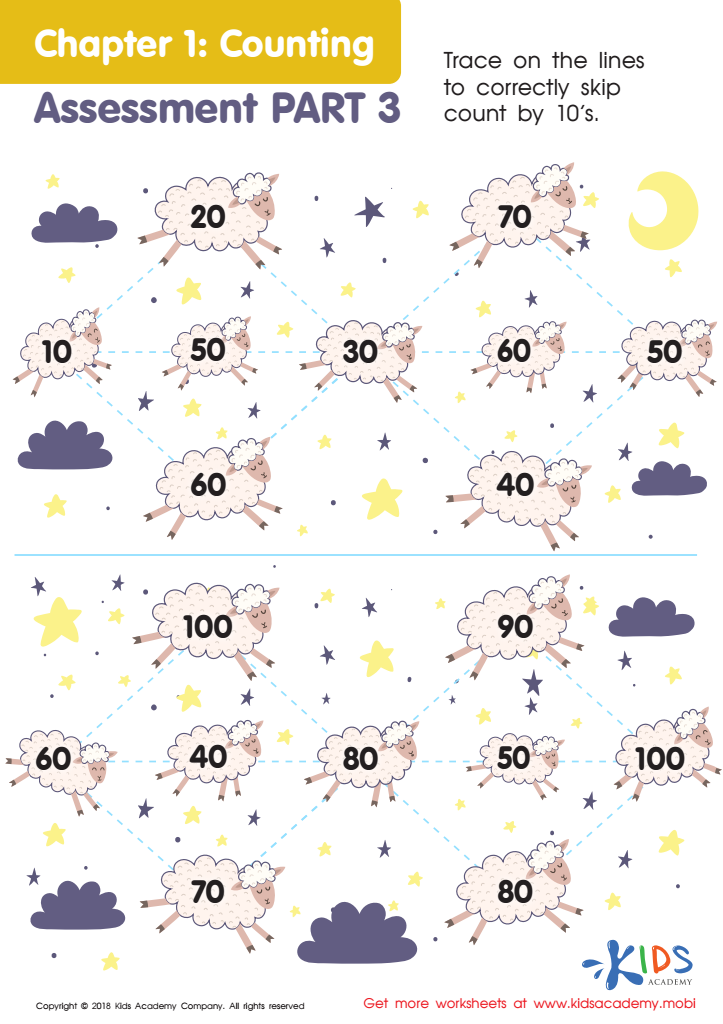
Counting: Assessment 3 Worksheet
 Assign to My Students
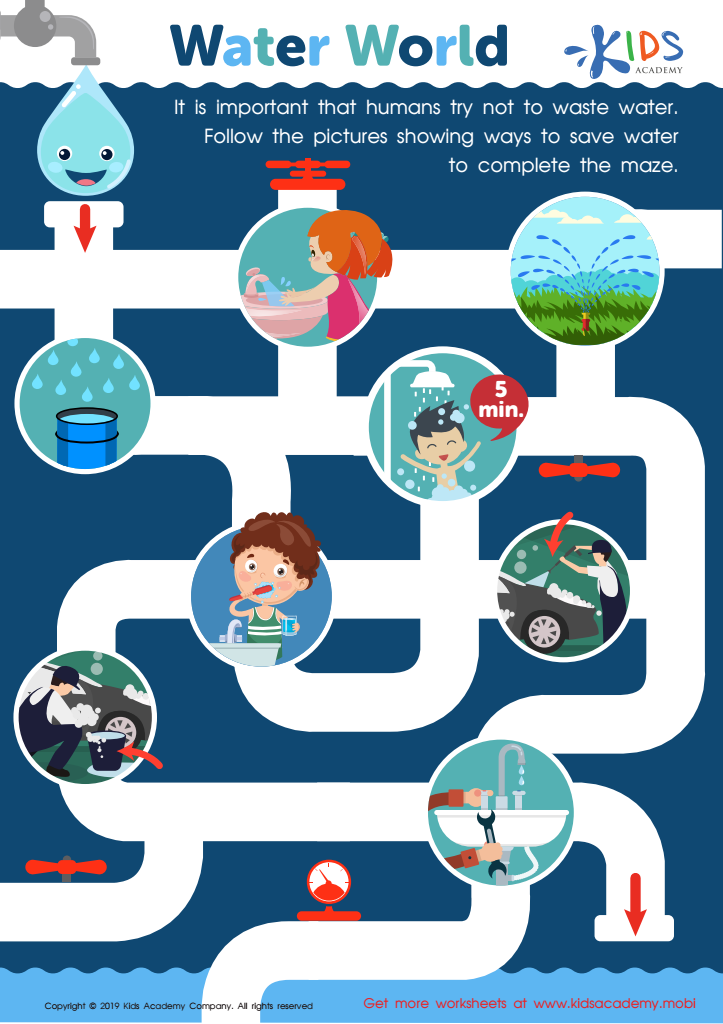
Water World Worksheet
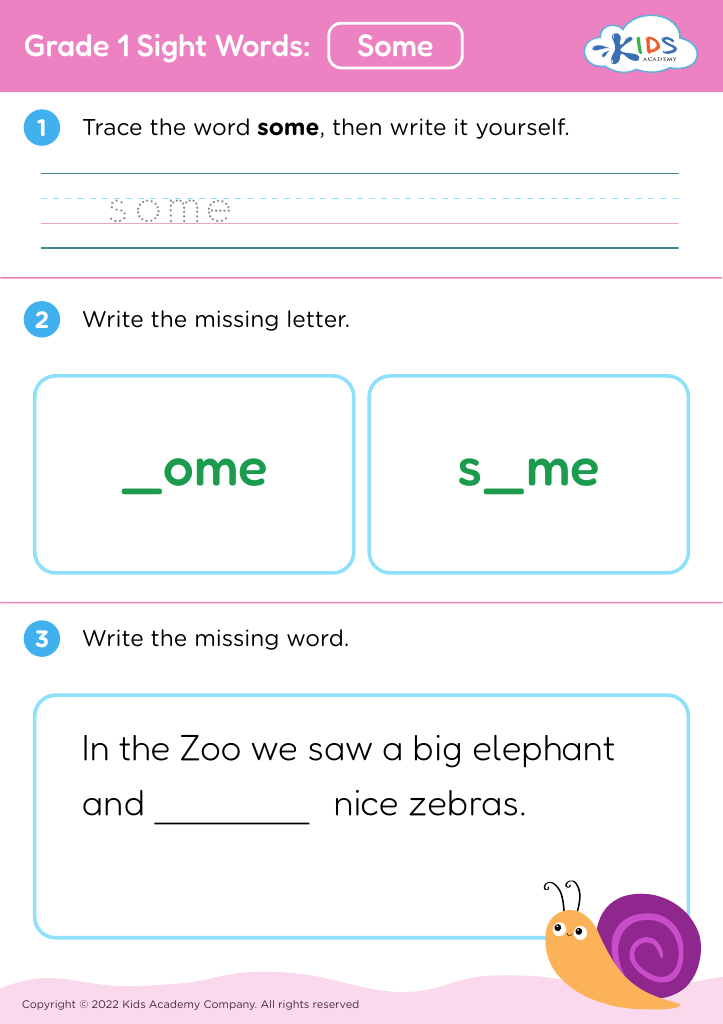







.jpg)
Developing comprehension skills in children aged 3-6 is crucial for several reasons. At this early stage, children are building foundational literacy skills that will serve them throughout their educational journey. Comprehension, the ability to understand and make meaning from texts, is essential not just for reading success but also for overall cognitive development.
When parents and teachers focus on enhancing comprehension, they encourage language development as children learn to articulate their thoughts, ideas, and feelings. Engaging children in conversations about stories—predicting outcomes, discussing characters, and retelling events—helps them learn to infer and analyze information, essential skills for lifelong learning.
Furthermore, strong comprehension skills boost a child’s confidence in reading and learning, fostering a positive attitude towards education. When children are successful in understanding what they read, they are more likely to become enthusiastic and eager readers, leading to higher academic achievement.
Investing in comprehension skills early also aids in emotional and social development. Storytime discussions enable children to empathize with characters and understand different perspectives, which is vital for their interactions and relationships. Ultimately, prioritizing comprehension in these formative years lays the groundwork for successful learners and communicators, benefiting society as a whole.








