Identifying objects Worksheets for Ages 3-6
5 filtered results
-
From - To
Boost your child's cognitive development with our specially designed "Identifying Objects Worksheets for Ages 3-6". These engaging, colorful activities help young learners enhance their visual discrimination and observation skills. Our worksheets are perfect for preschoolers and kindergarteners, encouraging them to identify and categorize various objects. Through fun exercises, children will learn to recognize shapes, colors, and everyday items, laying a solid foundation for future learning. Ideal for both parents and teachers, these worksheets make learning enjoyable and effective, ensuring kids stay entertained while acquiring essential skills. Equip your child with essential early learning strategies today!
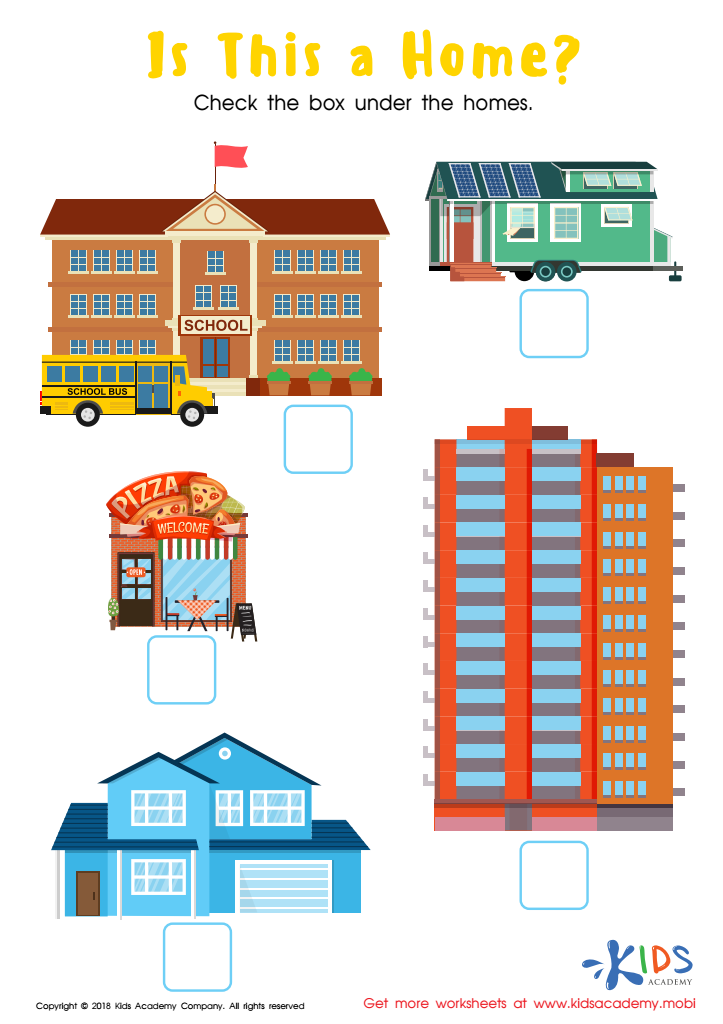
Is this a Home? Worksheet
 Assign to My Students
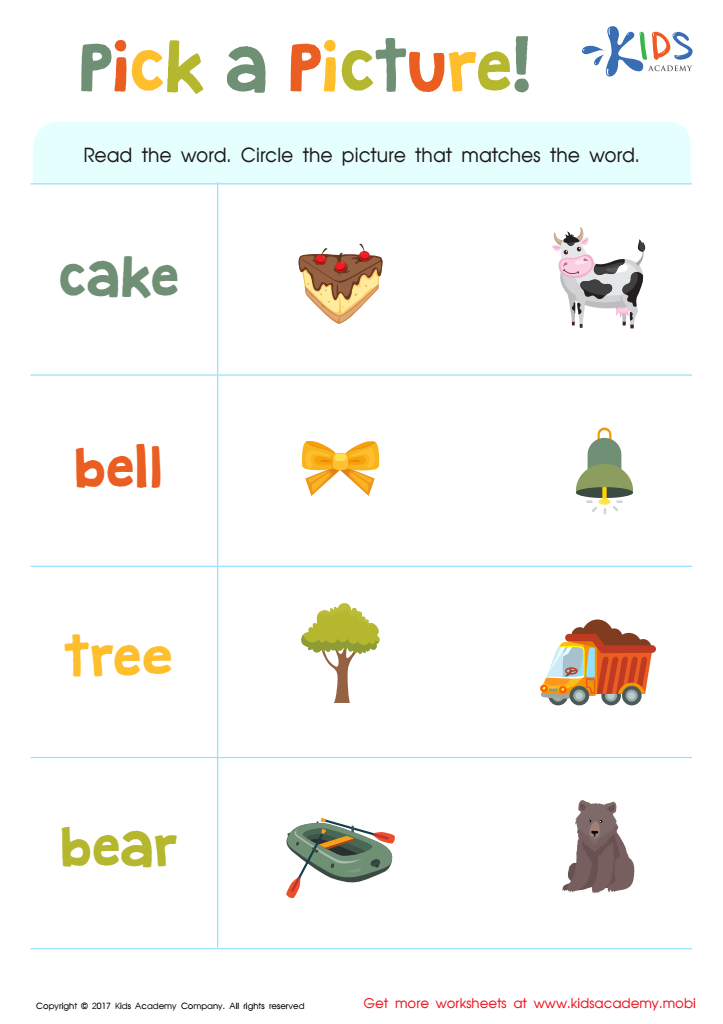
Pick a Picture Word Recognition Worksheet
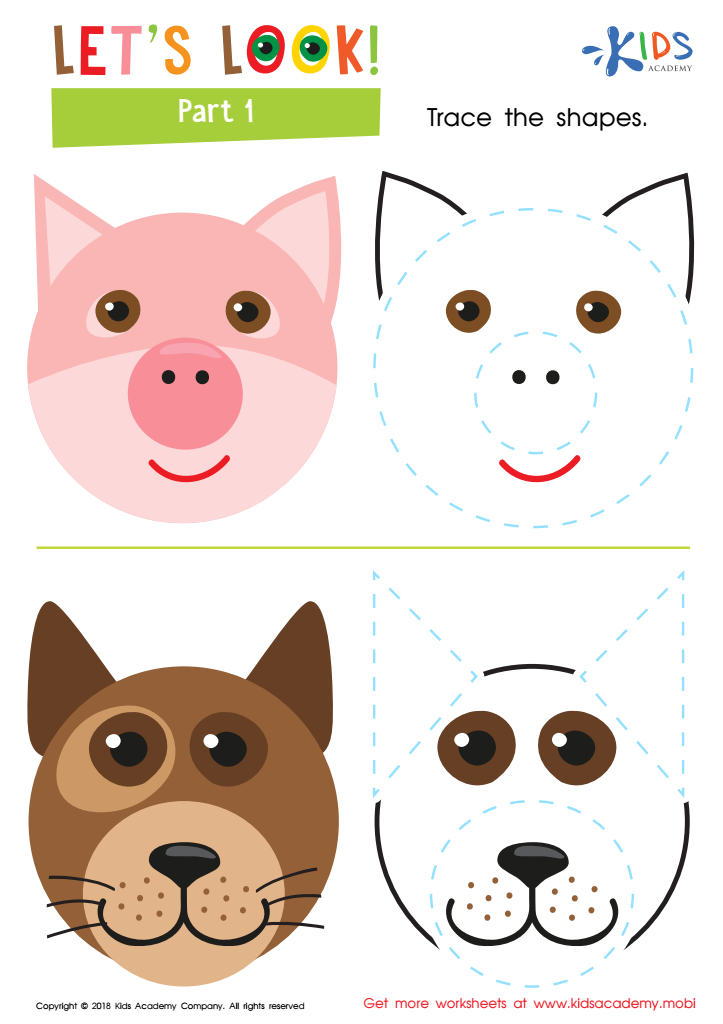
Let's Look! Part 1 Worksheet
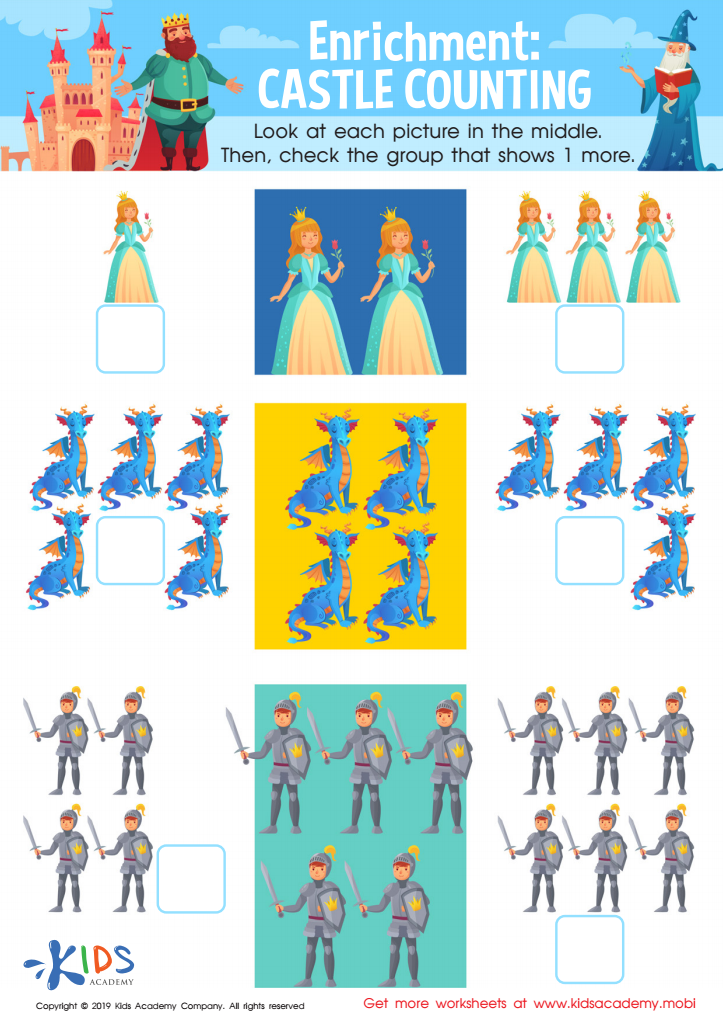
Enrichment: Castle Counting Worksheet
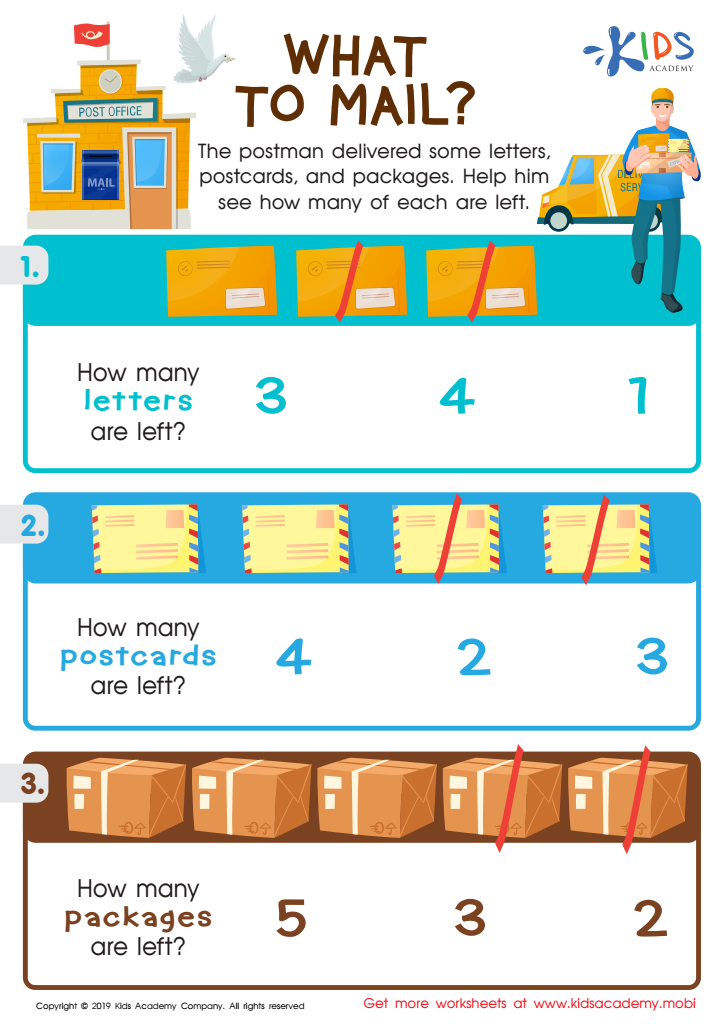
What to Mail? Worksheet







Identifying objects is a fundamental skill for children aged 3-6, and parents and teachers should prioritize its development because it lays the foundation for cognitive and language abilities. During these early years, children are like sponges, absorbing information about their surroundings. Learning to identify and categorize objects helps them build their vocabulary and enhances their ability to communicate effectively.
When children recognize shapes, colors, and names of common objects, they improve their descriptive language skills, which are crucial for social interactions and academic success. Additionally, object identification supports memory and concentration, which are essential for future learning. It also nurtures curiosity and exploration, motivating children to engage more deeply with their environment.
Moreover, recognizing and naming objects aid in understanding concepts such as similarity, difference, and categorization, which are critical for problem-solving and critical thinking. It also fosters a sense of independence and confidence as children learn to identify and interact with the world on their own.
By focusing on object identification, parents and teachers provide children with essential tools for their intellectual and emotional growth, setting the stage for a lifetime of learning and curiosity. The early mastery of these basic skills can significantly impact a child's overall development and future academic achievements.








