Logical thinking improvement Worksheets for Ages 3-6
4 filtered results
-
From - To
Enhance your child's cognitive development with our engaging Logical Thinking Improvement Worksheets for Ages 3-6! Designed to foster critical thinking skills, these worksheets challenge young minds through fun and interactive activities. From puzzles and pattern recognition to sequencing and basic problem-solving, our resources are tailored to make learning enjoyable while building the foundation for future academic success. Each worksheet encourages creativity and independence, ensuring your child is both entertained and educated. Perfect for parents and educators seeking to boost logical reasoning in early learners, our collection provides valuable tools to cultivate essential life skills. Start your journey towards smarter thinking today!
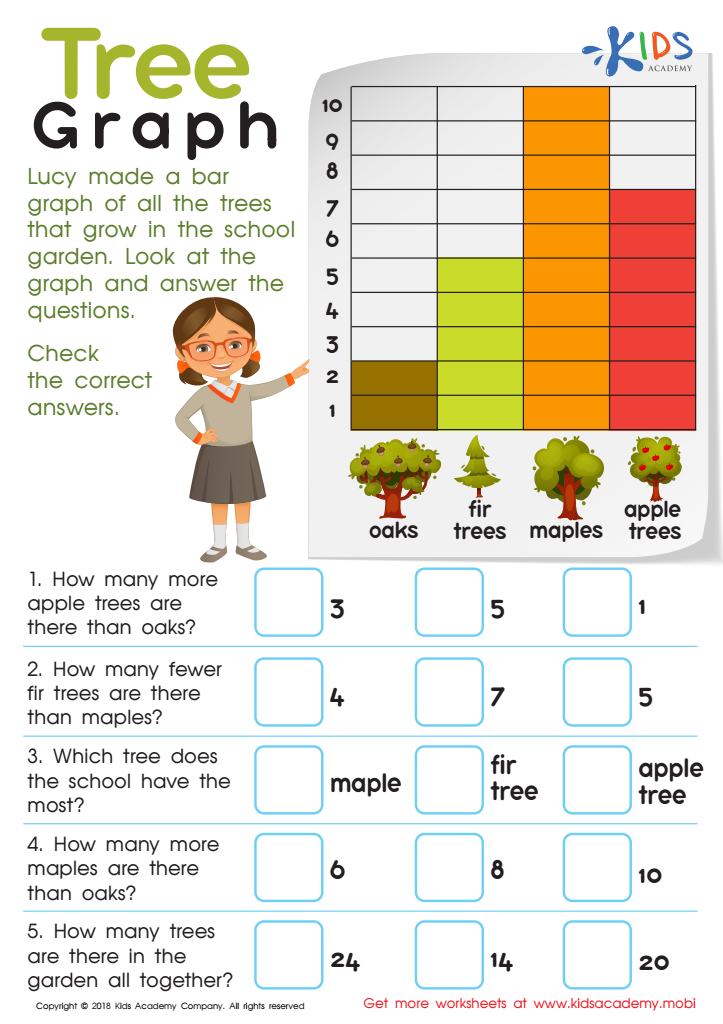
Tree Graph Worksheet
 Assign to My Students

How Knights Move Worksheet

Two Rook Mate Practice Worksheet
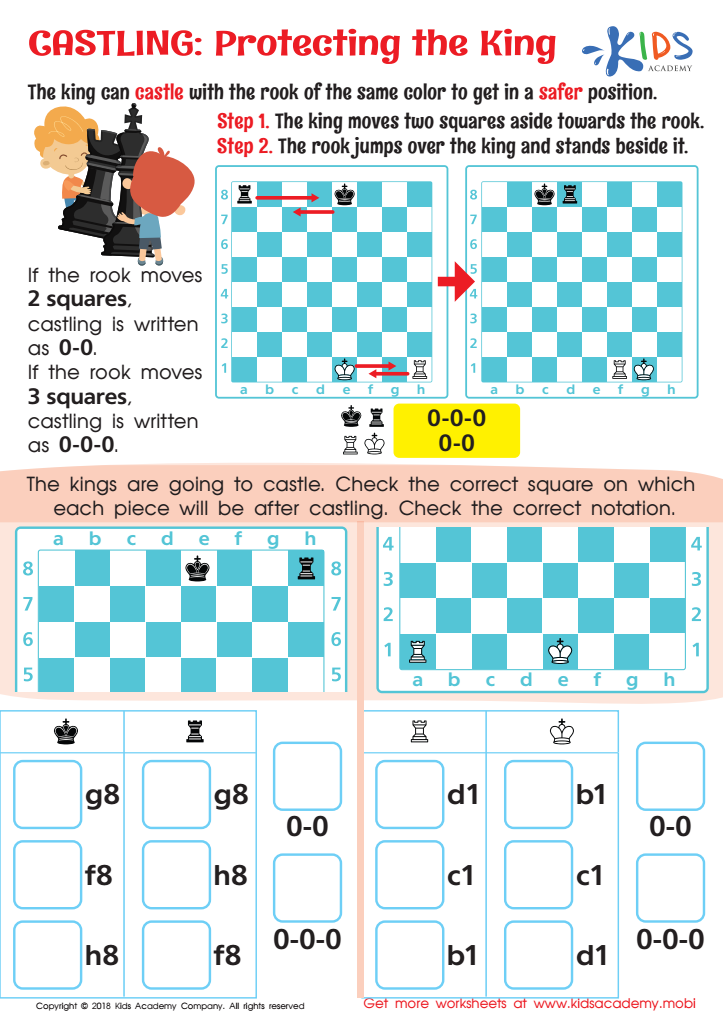
Castling: Protecting the King Worksheet








Parents and teachers should prioritize the development of logical thinking skills in children ages 3-6 as these skills lay the groundwork for cognitive and social growth. At this age, children are naturally curious and thrive on exploration, making it an ideal time to foster critical thinking and problem-solving abilities. Logical thinking helps children develop the capacity to analyze situations, form conclusions, and make informed decisions, leading to better academic performance in later years.
Moreover, enhancing logical thinking in early childhood supports emotional development. As children learn to understand cause-and-effect relationships, they become better at predicting outcomes and managing their emotions. This understanding helps them navigate social situations, resolve conflicts, and build relationships, contributing to their overall emotional intelligence.
Incorporating activities like puzzles, sorting games, and storytelling encourages imaginative thinking while reinforcing logical connections. By engaging children in these experiences, parents and teachers cultivate a strong foundation for lifelong learning, creativity, and resilience.
Investing in logical thinking improvement ultimately empowers children to approach challenges with confidence and adaptability, setting them on a path for success both in school and in everyday life.








