Check out this FREE "Mathematical reasoning" Trial Lesson for age 3-6!

Making 10's

Favorites
With answer key
Interactive
  • 3-6
  • Mathematical reasoning
Math puzzle worksheet for kindergarten

Math Puzzle Worksheet

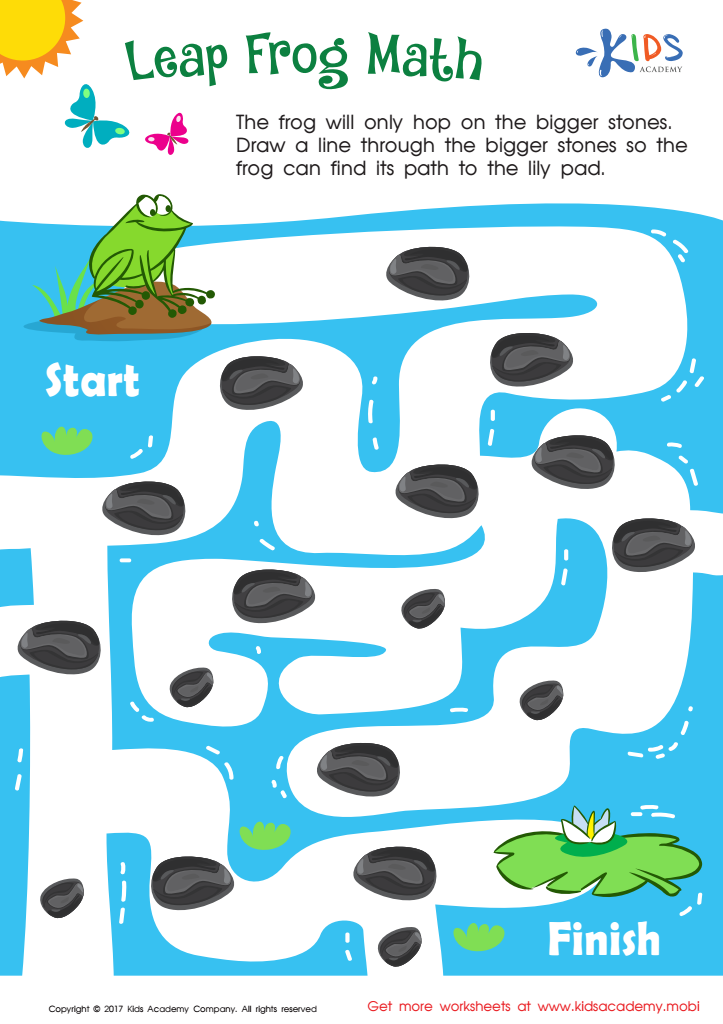
Kids will use their math skills to help the frog get through the maze by selecting the larger stones. Perfect for kindergarteners, it develops the ability to identify size differences.
Math Puzzle Worksheet
Worksheet
Free Printable More or Less Worksheets for Kindergarten

More or Less Worksheet

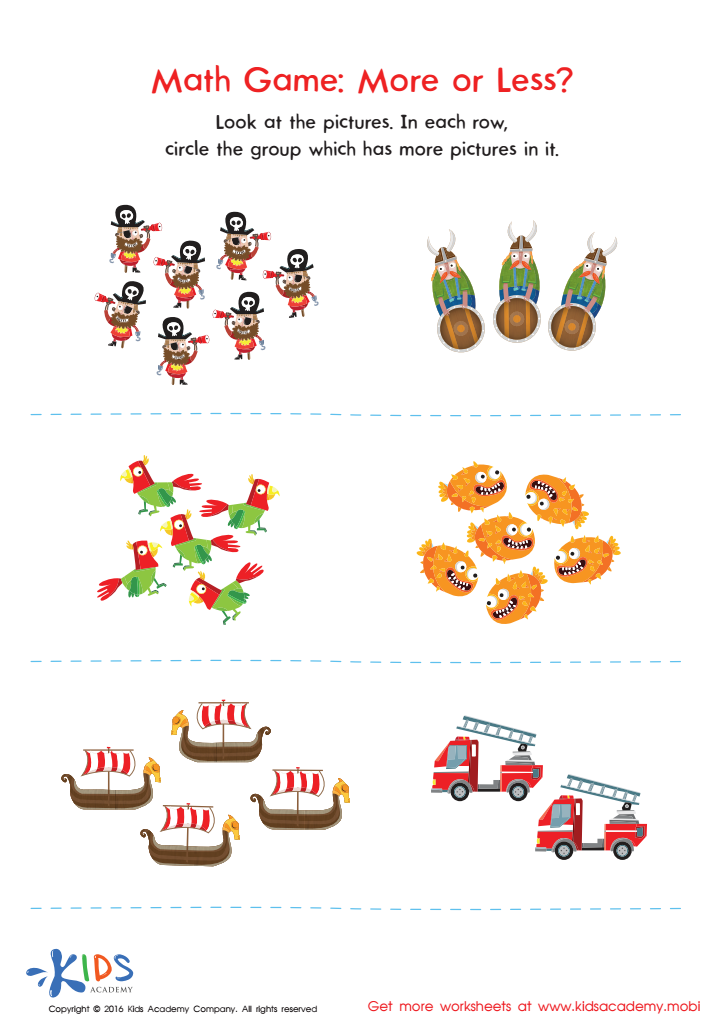
Counting and understanding quantity are essential skills for kindergarteners. Get your free printable more or less worksheet now!
More or Less Worksheet
Worksheet
Make 10 on Your Plate! Worksheet

Make 10 on Your Plate! Worksheet

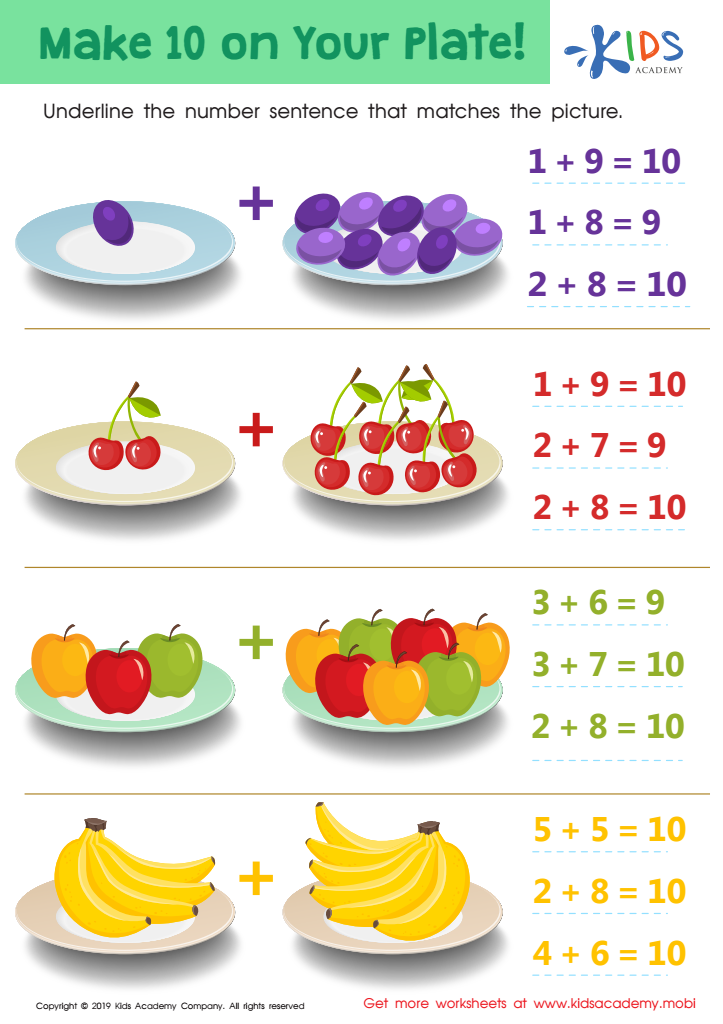
Get your students interested in this exercise by asking them to identify the fruits in the picture. Then, carefully count all the groups of fruit and add them up. Help preschoolers underline the number sentence that matches the picture. Engage their taste buds in a fun way with four different equations!
Make 10 on Your Plate! Worksheet
Worksheet
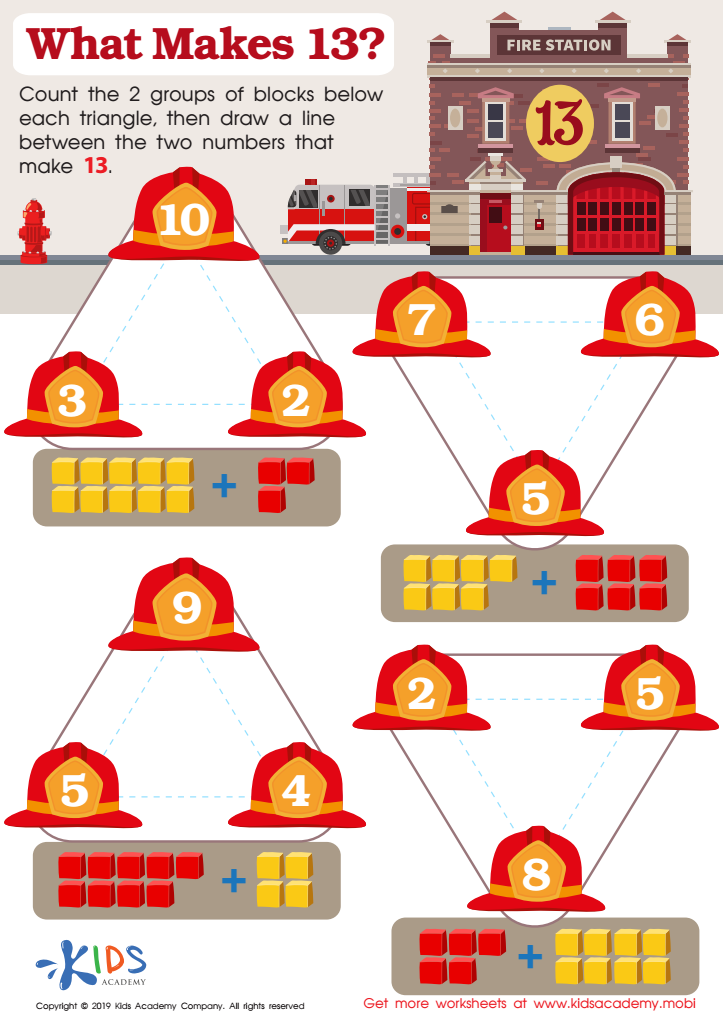
What Makes 13 Worksheet

What Makes 13 Worksheet

Help your kids practice maths with this worksheet! With colourful images and simple equations, your kids will be more engaged in learning. Go through the four equations and help them add up the numbers. Then, draw a line between the numbers that make 13. Doing this will aid their learning and understanding.
What Makes 13 Worksheet
Worksheet
Adding Up to 5 with Busy Bugs: Page 23
Worksheet
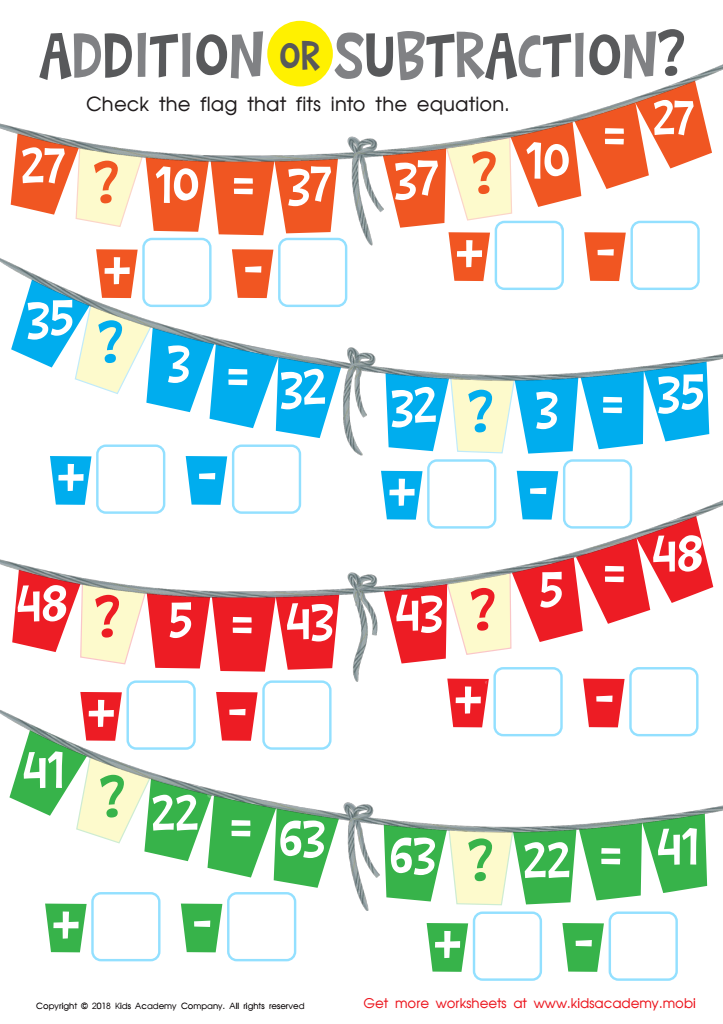
Addition or Subtraction? Worksheet

Addition or Subtraction? Worksheet

Help your math whiz's number skills advance with these colorful flag equations! With the free PDF, they'll learn to solve addition and subtraction facts by following the correct orders of operation. And the best part? They'll develop a deeper understanding of how the different operations work together within equations. Give it a try and watch their skills soar!
Addition or Subtraction? Worksheet
Worksheet
Worksheet: subtraction word problems

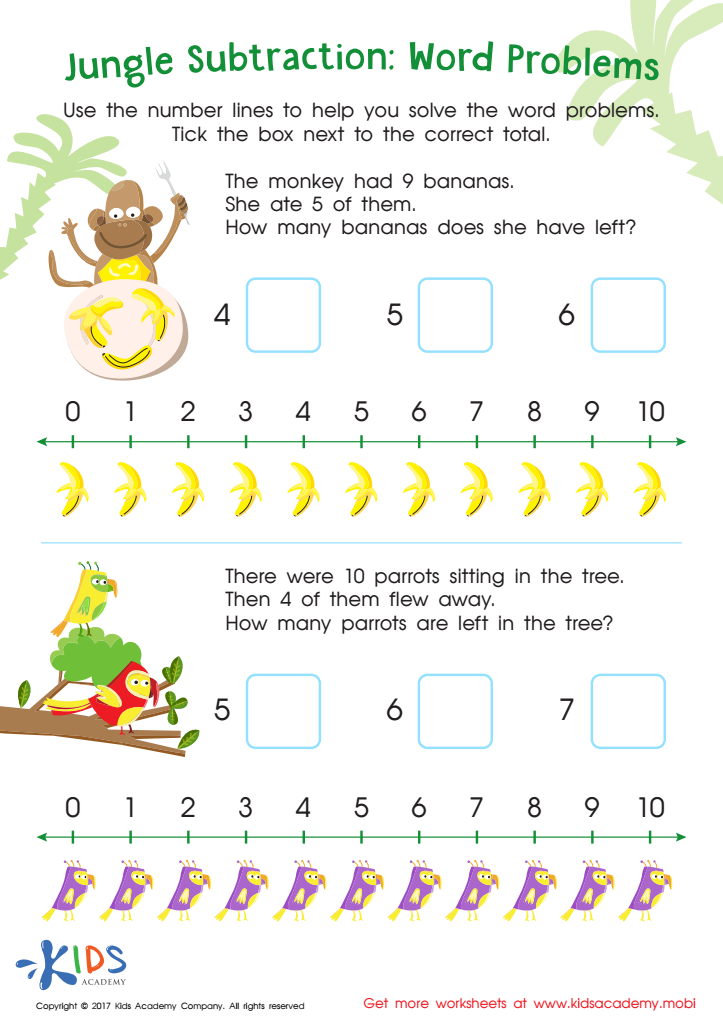
Jungle Subtraction Word Problems Substraction Worksheet
Kids will love this jungle-themed worksheet: subtraction word problems! Help the monkey work out how many bananas he has, using the number line. Encourage your child to use colorful parrots to subtract with ease and make calculations fun!
Jungle Subtraction Word Problems Substraction Worksheet
Worksheet
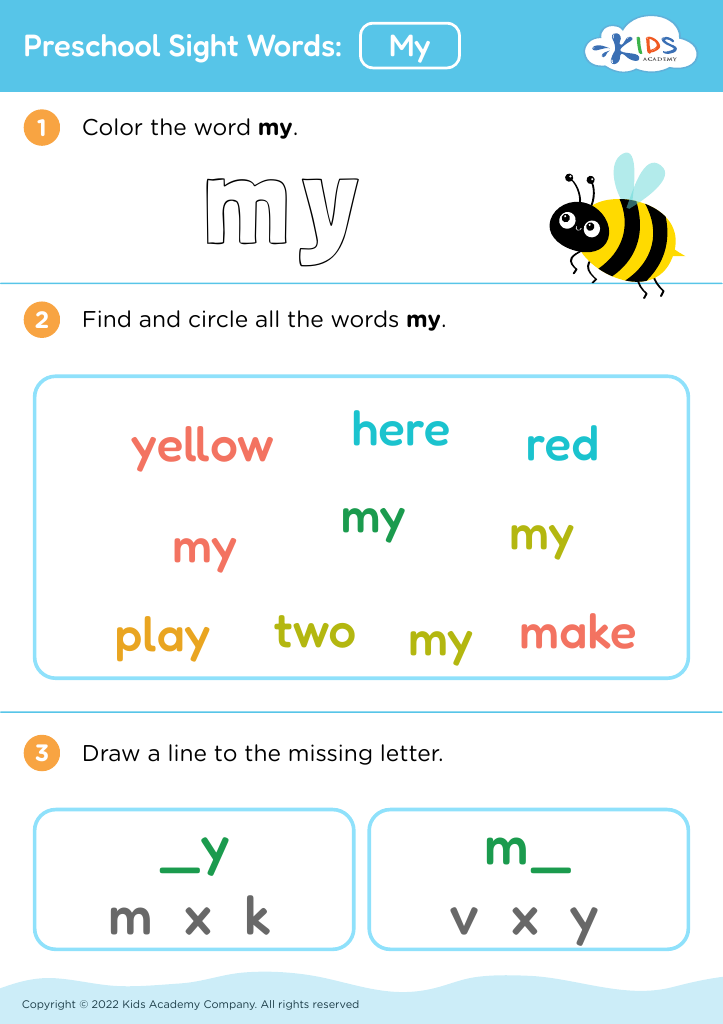
Preschool Sight Words: My

Preschool Sight Words: My

Preschool Sight Words: My
Worksheet
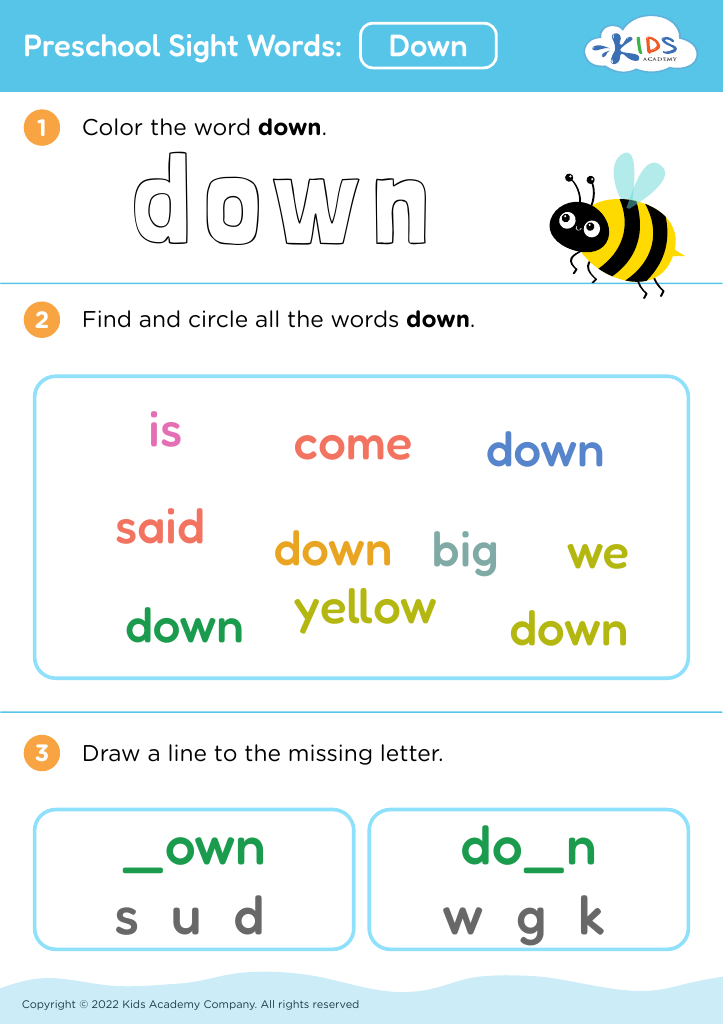
Preschool Sight Words: Down

Preschool Sight Words: Down

Preschool Sight Words: Down
Worksheet
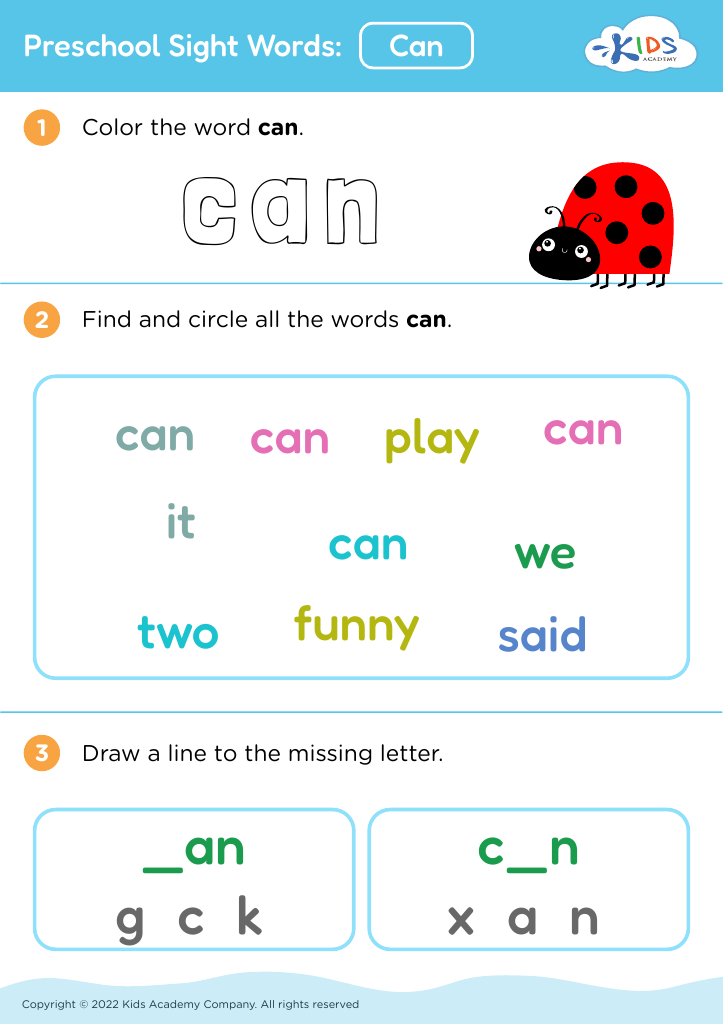
Preschool Sight Words: Can

Preschool Sight Words: Can

Preschool Sight Words: Can
Worksheet
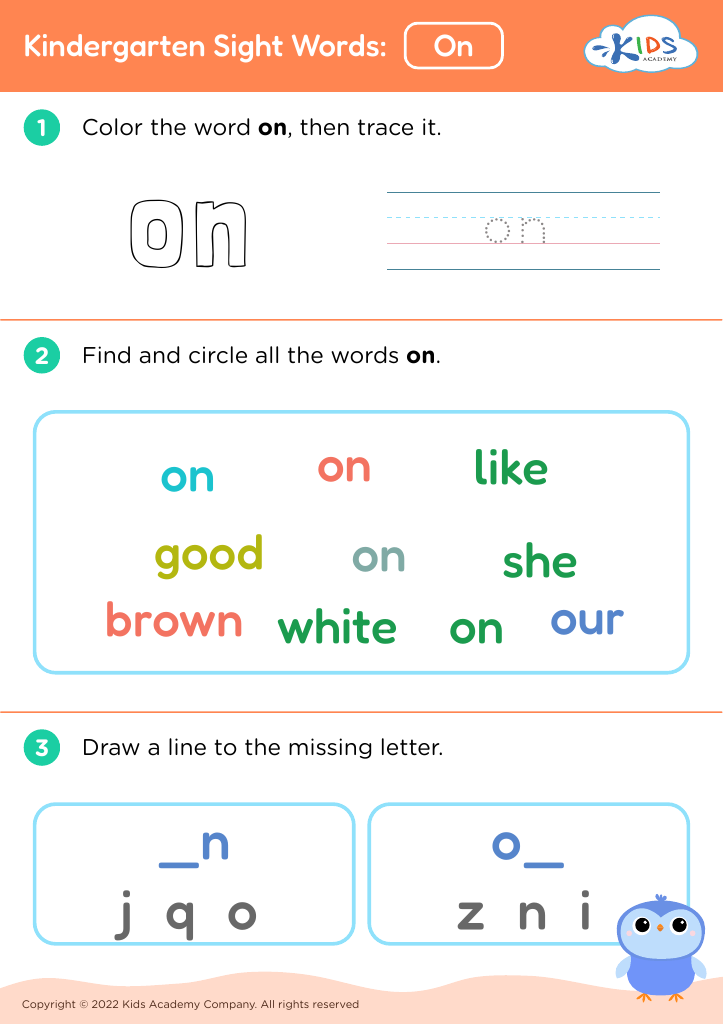
Kindergarten Sight Words: On

Kindergarten Sight Words: On

Kindergarten Sight Words: On
Worksheet
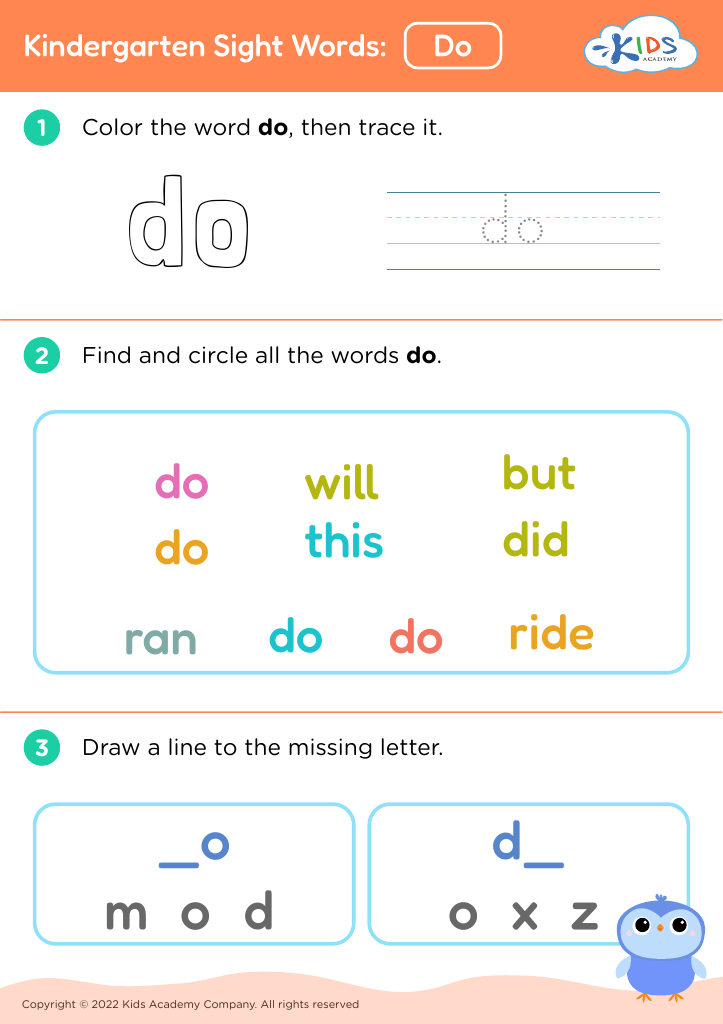
Kindergarten Sight Words: Do

Kindergarten Sight Words: Do

Kindergarten Sight Words: Do
Worksheet


Mathematical reasoning for ages 3-6 is crucial because it lays the foundation for later success in both academics and everyday life. When parents and teachers focus on developing these skills early, they help children build essential cognitive abilities like problem-solving, critical thinking, and logical reasoning.

First, young children with strong mathematical reasoning skills are better at understanding shapes, numbers, and patterns, which are the building blocks for more complex math concepts. For example, recognizing that two sets of objects are equal in number fosters early numeracy. These concepts are vital for future learning in subjects like science, technology, engineering, and math (STEM).

Secondly, fostering an early interest in mathematics helps build confidence. When children successfully figure out a puzzle or solve a problem, they feel a sense of achievement that boosts their self-esteem. This positivity towards math can diminish math anxiety, a common issue that often persists into later schooling.

Moreover, mathematical reasoning supports other areas of development, such as language skills. For example, describing the size or quantity of objects introduces new vocabulary and helps children communicate more precisely.

In summary, by prioritizing mathematical reasoning for young children, parents and teachers equip them with critical skills necessary for academic success and competent daily living, setting them on a path of lifelong learning and problem-solving.