Boost your child's memory with our engaging Memory Enhancement Worksheets for ages 3-6! Designed to foster cognitive skills, these worksheets are packed with fun activities that challenge young minds while promoting critical thinking and retention. Each activity helps children enhance their ability to remember sequences, recognize patterns, and strengthen their overall memory. Perfect for early learners, these worksheets offer a hands-on approach to learning that keeps little ones entertained and focused. Encourage your child's mental development and prepare them for future learning success with our carefully crafted materials. Explore our collection today and watch their memory skills flourish!

Check out this FREE "Memory enhancement" Trial Lesson for age 3-6!

Match Objects that Fit Together

Favorites
With answer key
Interactive
  • 3-6
  • Memory enhancement
Chess Pieces Quest Worksheet

Chess Pieces Quest Worksheet

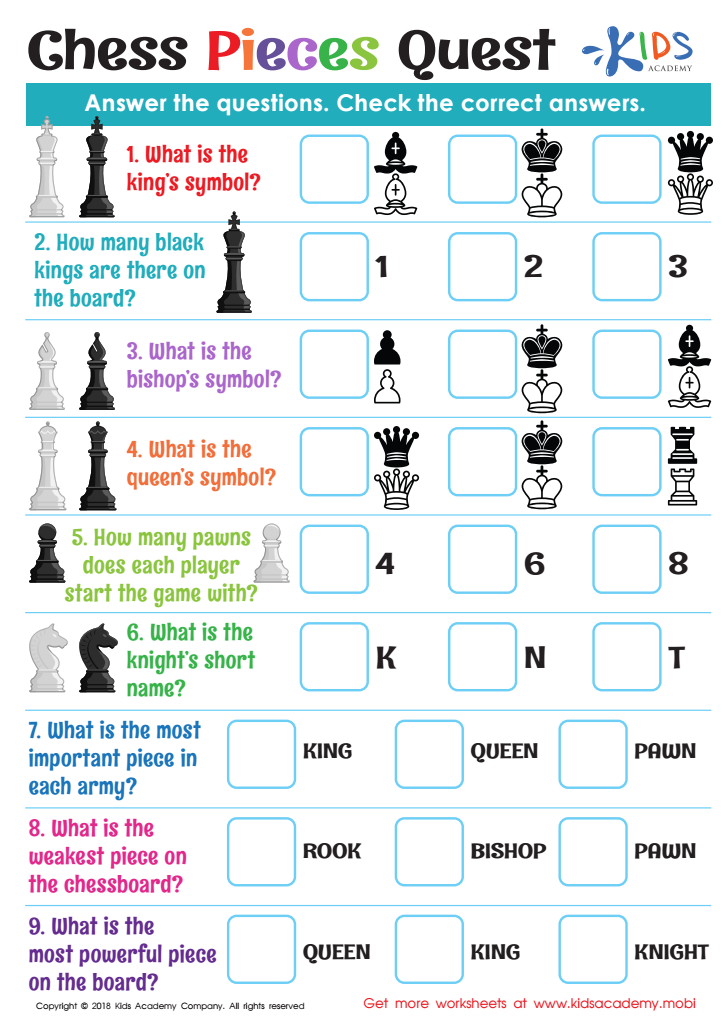
Help your child prepare for the chess quest by refreshing their knowledge of the symbols and characteristics of each chess piece. Then, have them try the 9 questions on this worksheet. These questions will assess their understanding of the symbols and how many pieces each player starts with.
Chess Pieces Quest Worksheet
Worksheet
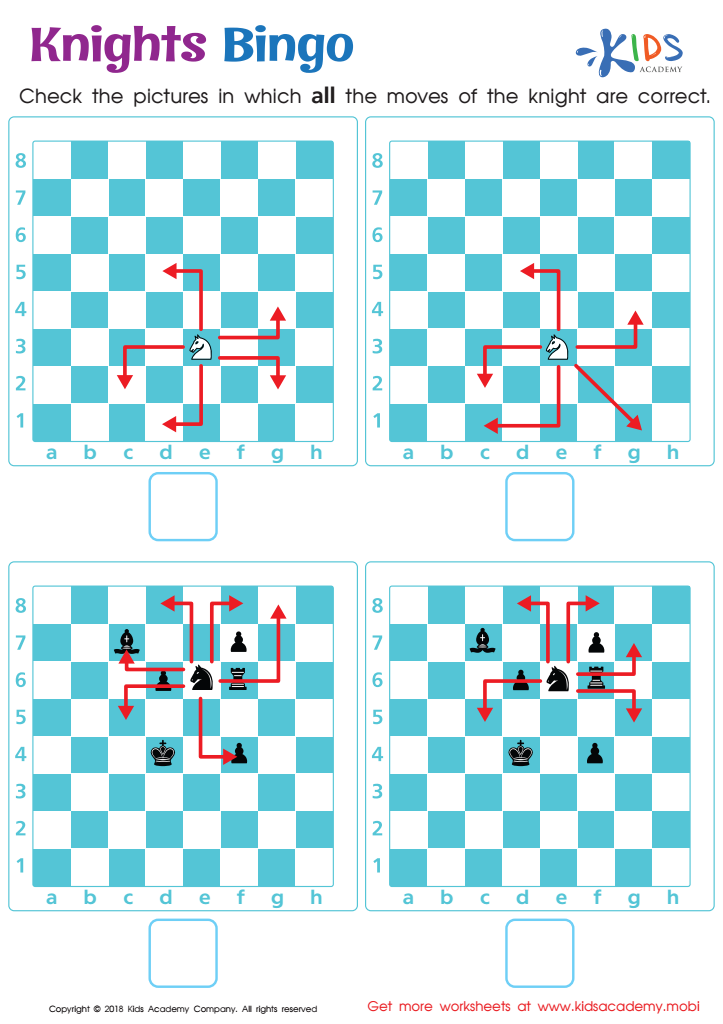
Knights Bingo Worksheet

Knights Bingo Worksheet

Help your child identify legal knight moves in this easy worksheet. Review each picture with them, questioning if the knight moves are correct. Then have them verify pictures with correct moves.
Knights Bingo Worksheet
Worksheet
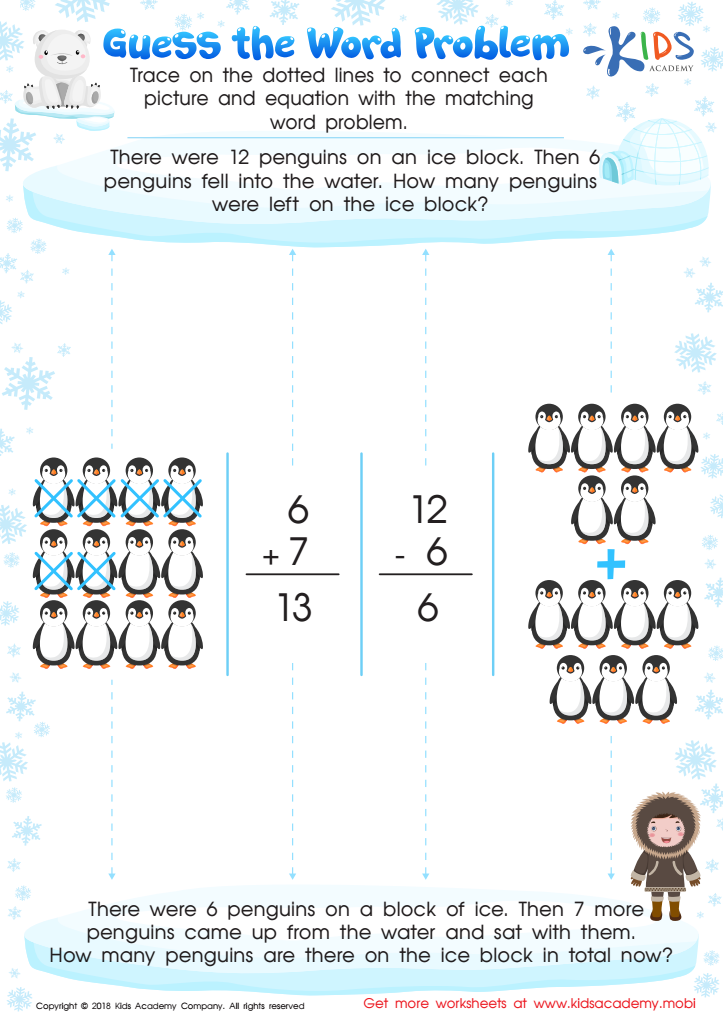
Guess the Word Problem Worksheet

Guess the Word Problem Worksheet

Head to the Arctic Circle for math word problems with penguins, bears, and eskimos! This winter printable worksheet helps kids enjoy math with cute images. Guide kids through addition and subtraction in standard form with the penguins. Compare word problems to its written and pictorial forms for an enjoyable lesson!
Guess the Word Problem Worksheet
Worksheet
Cities Worksheet
Cities Worksheet

Cities Worksheet

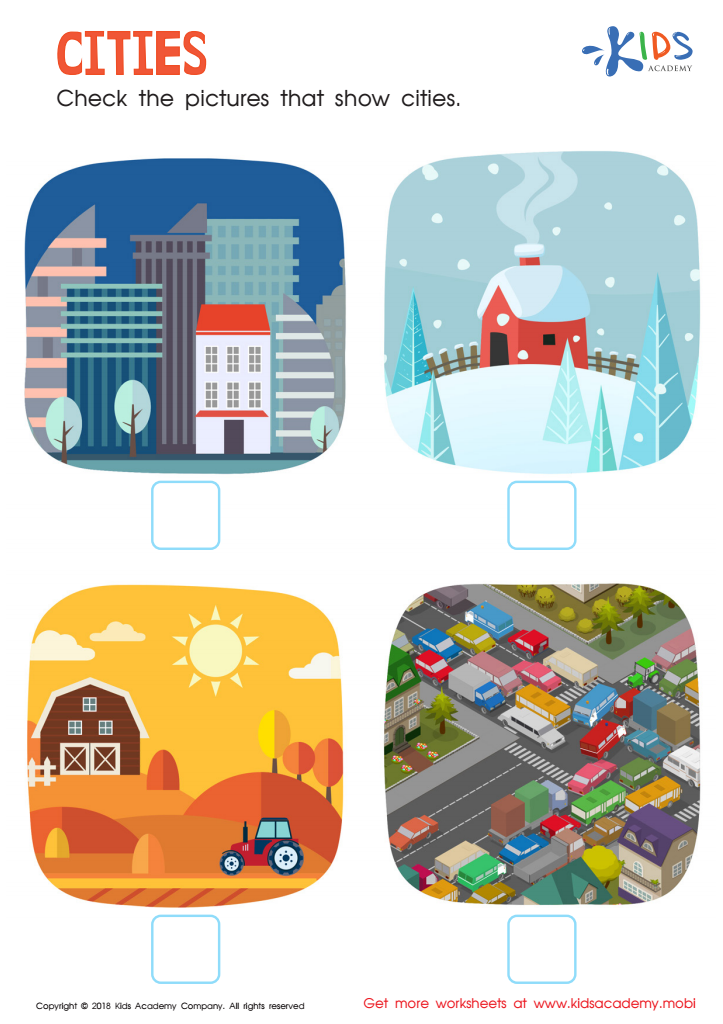
This worksheet helps kids identify similarities and differences between communities. It offers four pictures of different places to live; country, city, etc. Kids use picture clues to determine which one is a city and can practice their geography and map skills. It's a great way for them to learn, allowing them easy success and reinforcement.
Cities Worksheet
Worksheet
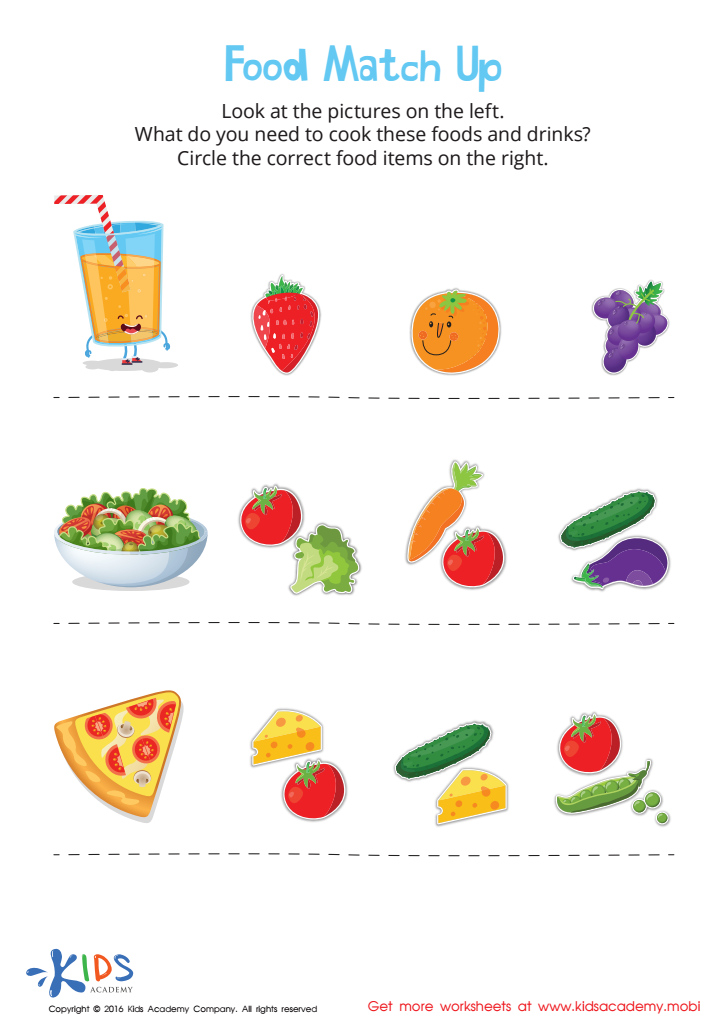
Food Matching Worksheet

Food Match Up Worksheet

This worksheet will help your preschooler develop early math and cognitive skills. It challenges them to pay attention to details, understand how smaller parts make a whole, and increase important matching skills. Use it to give them a hands-on learning experience in the kitchen, and watch them understand how ingredients come together to make something delicious!
Food Match Up Worksheet
Worksheet
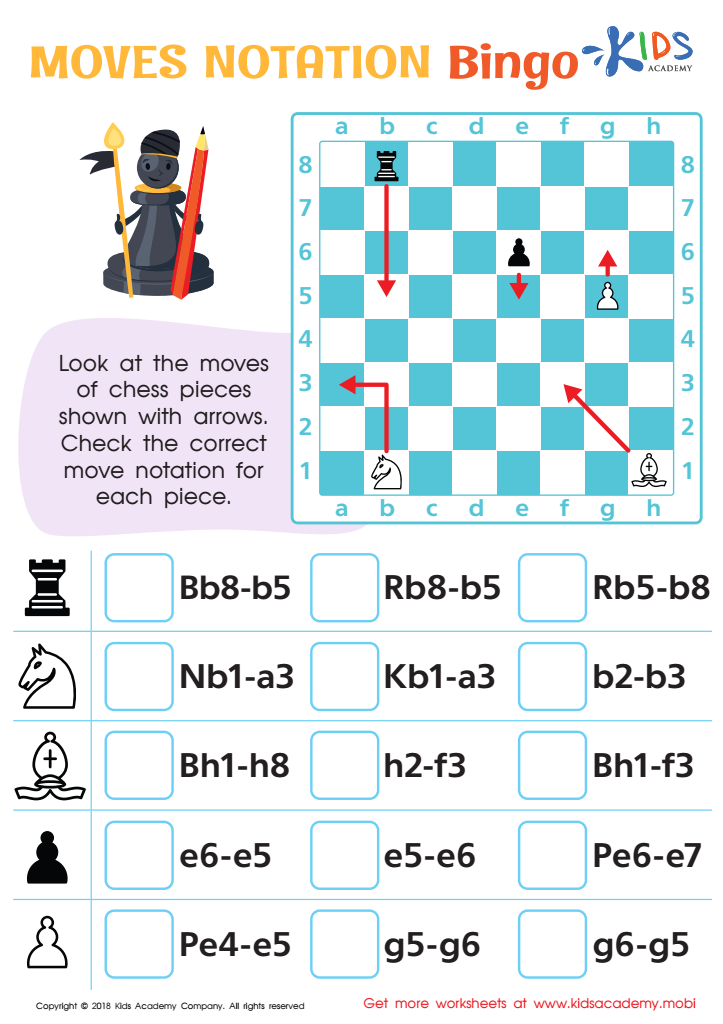
Moves Notation Bingo Worksheet

Moves Notation Bingo Worksheet

Test your child's chess notation skills with this simple worksheet. Download the PDF which shows a chess board and arrows pointing to pieces. Ask your child to identify the moves and note them down correctly. The notations needed are for bishop, pawn, rook and knight. Up to 80 words.
Moves Notation Bingo Worksheet
Worksheet
Arctic Animals Worksheet

Arctic Animals Worksheet

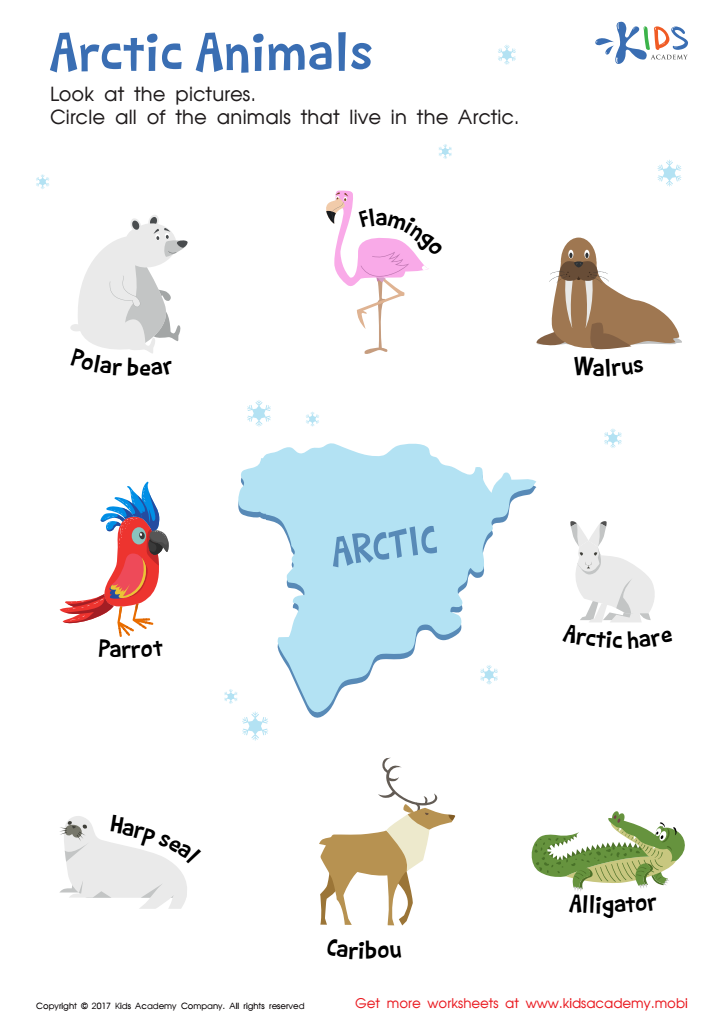
Kids love animals and this worksheet is a great way to teach them where they live. It reinforces classification skills and introduces new animals, like the Arctic hare. Use it to discuss the Arctic climate and how these animals live, then ask your child where other animals live to keep the conversation going.
Arctic Animals Worksheet
Worksheet


Memory enhancement is crucial for children aged 3-6, as this developmental stage lays the foundation for cognitive skills, learning, and future academic success. During these formative years, a child's brain undergoes rapid growth, making it an ideal time to promote effective memory techniques. Parents and teachers should prioritize memory enhancement because it directly impacts children's ability to acquire knowledge, solve problems, and engage in social interactions.

Enhanced memory skills enable young learners to retain and recall information better, making learning experiences more meaningful and enjoyable. Activities that promote memory, such as games, storytelling, and hands-on activities, foster creativity and critical thinking. Additionally, improving memory can boost a child's confidence, as they become more proficient at recalling facts and participating in discussions.

Moreover, establishing strong memory strategies early on supports the development of executive functioning skills, which include attention, self-regulation, and organization. These skills are not only vital for academic success but also for navigating daily life. By investing in memory enhancement practices today, parents and teachers nurture well-rounded, resourceful, and resilient learners equipped for future challenges. Ultimately, a focus on memory development fosters a lifelong love for learning and collaboration.