Observational skills Worksheets for Ages 3-6 - Page 2
25 filtered results
-
From - To


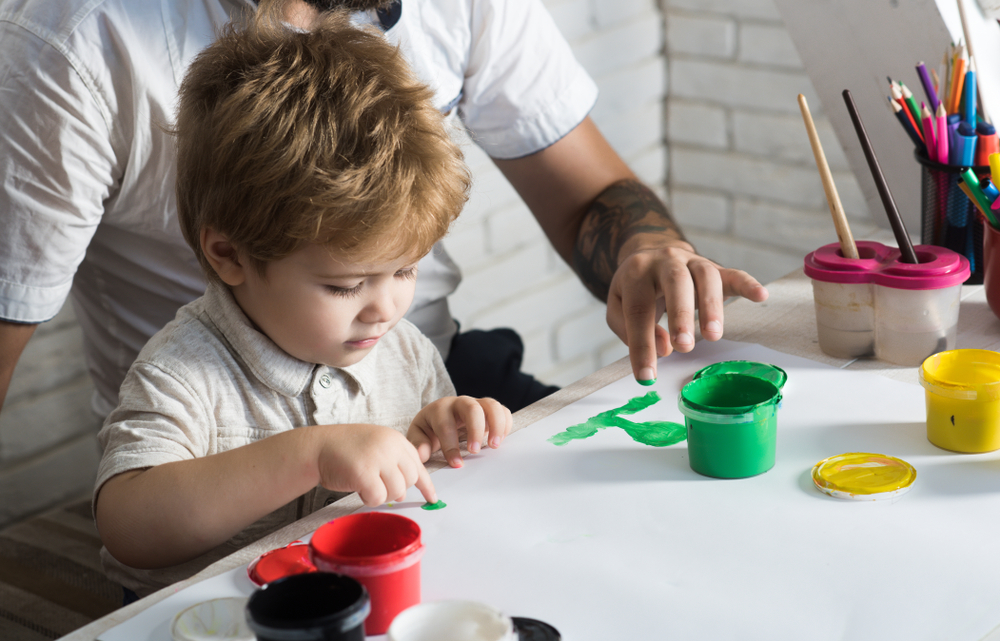




Observational skills play a crucial role in the early development of children aged 3-6, forming a foundation for future learning, critical thinking, and problem-solving abilities. Parents and teachers should prioritize these skills because they enable children to interpret and engage meaningfully with their environment. When young children pay close attention to details, they begin to understand patterns, make connections, and notice subtle changes.
By nurturing observational skills, we help children enhance their cognitive abilities. For example, observing different colors, shapes, and sizes sharpens visual perception, while identifying distinct sounds can improve auditory processing. These foundational skills are essential for later success in reading, writing, and mathematics.
Furthermore, good observational skills promote social and emotional development. When children attentively observe others, they learn empathy and social cues, crucial for forming healthy relationships. By noticing and responding to the feelings and actions of peers and adults, they develop better communication and cooperation skills.
Parents and teachers can foster observational skills through activities such as nature walks, interactive storytelling, and playing "I Spy." Providing children with opportunities to explore, ask questions, and discuss their observations ensures that they become inquisitive, attentive learners—prepared for both academic challenges and everyday situations. Investing time in cultivating these skills opens the door to a lifetime of intellectual curiosity and emotional intelligence.








