Phonics application Worksheets for Ages 3-6
3 filtered results
-
From - To
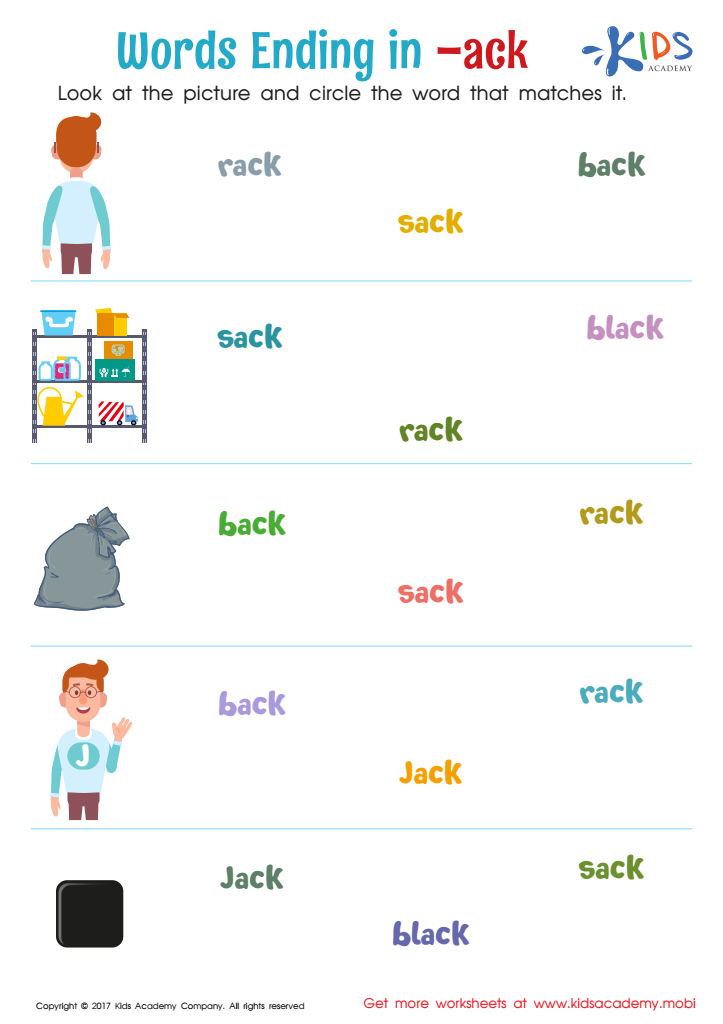
Unleash the power of early literacy with our engaging Phonics Application Worksheets for Ages 3-6! Tailored to support young learners, these printable activities combine fun and learning to help kids master the fundamentals of phonics. By focusing on letter sounds, word recognition, and basic reading skills, our worksheets make phonics exciting and accessible. Ideal for both parents and teachers, these resources ensure that little ones build a strong foundation in reading through interactive and creative exercises. Empower your child’s educational journey today by exploring our extensive collection designed to foster a love for reading from a young age!
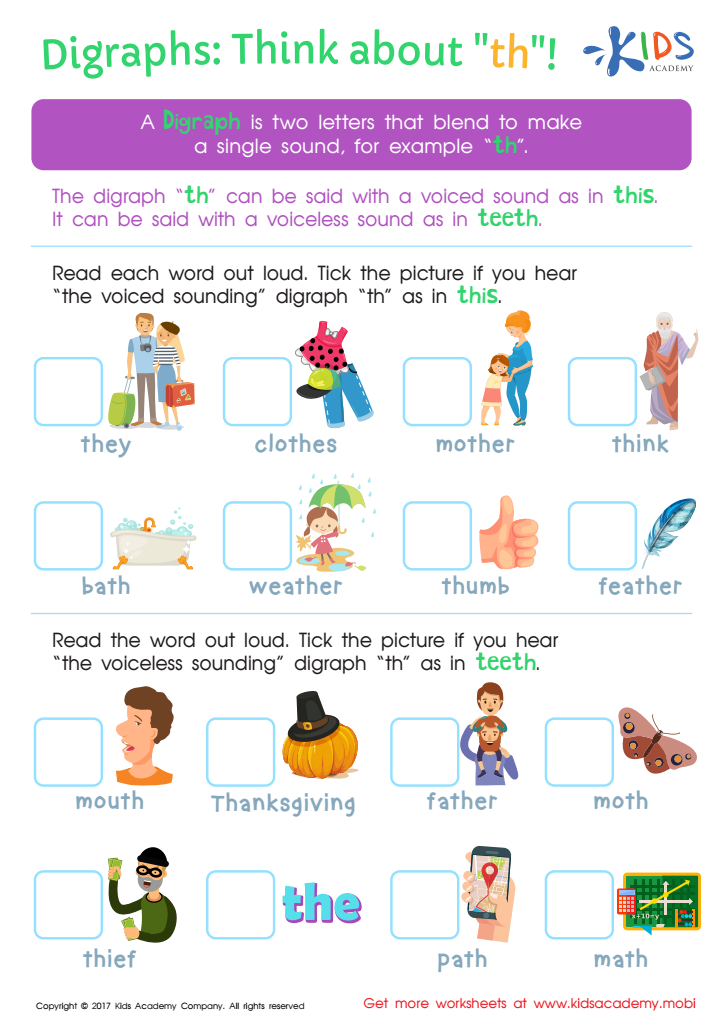
Digraphs: Think About "th" Worksheet
 Assign to My Students
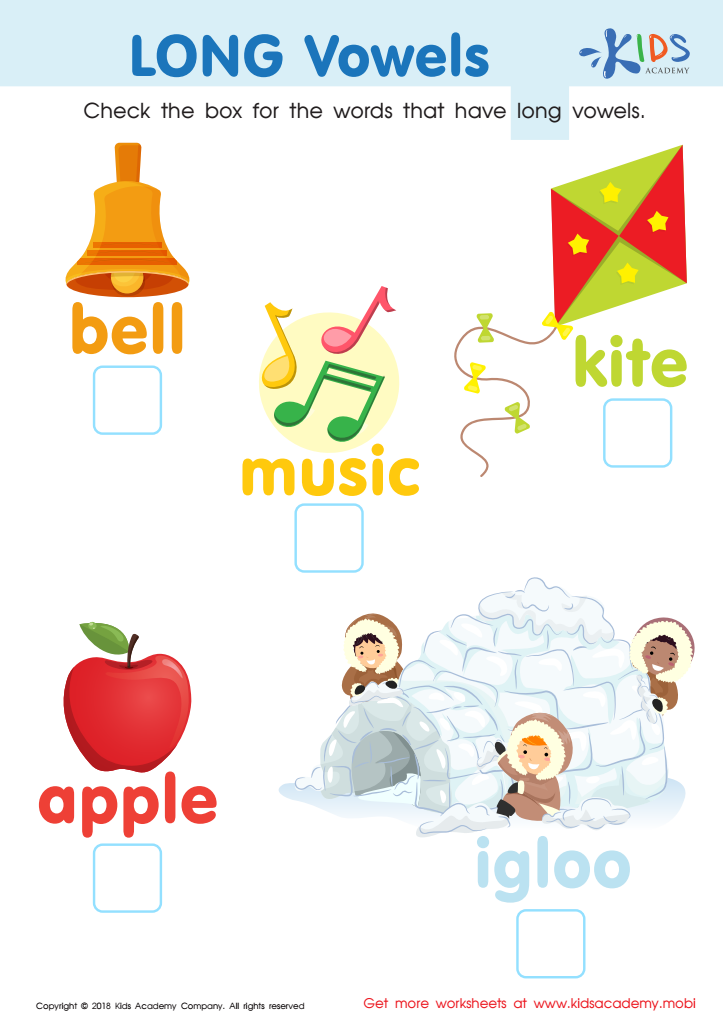
long vowels Worksheet





Phonics applications are incredibly beneficial for children aged 3-6, as these crucial years lay the foundation for future reading and literacy skills. At this developmental stage, young children are highly receptive to learning new sounds and connecting them to letters. Phonics apps offer an engaging and interactive way to introduce and reinforce these essential skills through games, songs, and activities that capture children's attention.
Parents and teachers should care about using phonics applications because they provide personalized learning experiences that cater to a child's pace and level of understanding. This individualized approach ensures that children are neither overwhelmed nor bored. Moreover, these apps often feature colorful graphics, fun characters, and interactive storytelling, making learning to read a delightful experience.
Implementing phonics through technology also helps bridge any gaps that might occur between home and school learning, offering consistent practice and reinforcement. This consistency is vital for developing strong reading skills and building a robust vocabulary. Furthermore, early exposure to phonics has been shown to improve spelling, pronunciation, and reading fluency.
By incorporating phonics applications into early childhood education, parents and teachers can give children a head-start in reading, setting the stage for academic success and a lifelong love of learning.








