Reading development Worksheets for Ages 3-6
4 filtered results
-
From - To
Explore our engaging "Reading Development Worksheets for Ages 3-6" designed to foster early literacy skills in young learners. These specially crafted worksheets help children recognize letters, develop vocabulary, and comprehend simple texts through fun activities like tracing, matching, and coloring. Our resources are perfect for parents and educators seeking to enhance reading skills in a playful manner. Each worksheet aligns with early learning standards, ensuring children build a strong foundation in literacy. With our diverse range of colorful and interactive worksheets, children will enjoy learning to read while developing essential skills for academic success. Start your child's reading journey today!
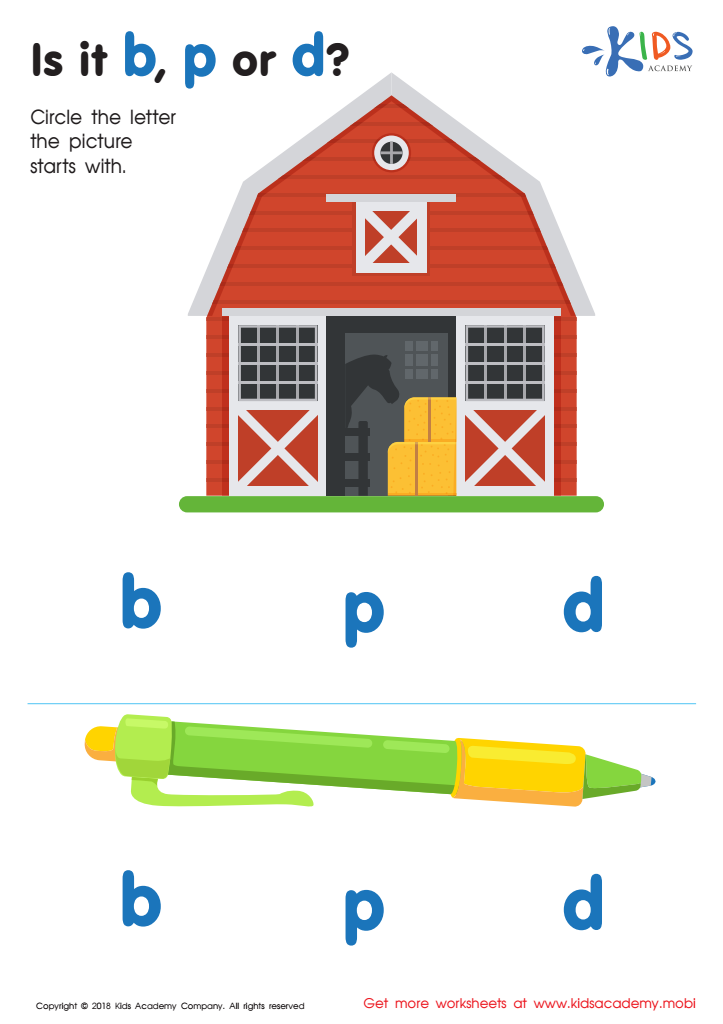
Is it b, p or d? Worksheet
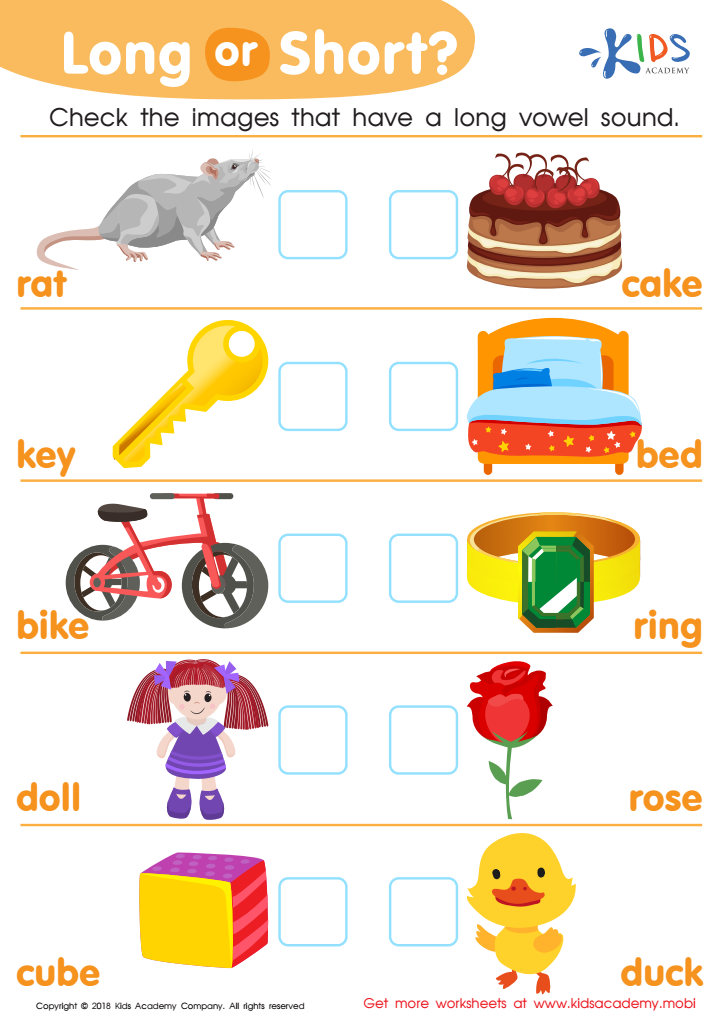
Long or Short Reading Worksheet
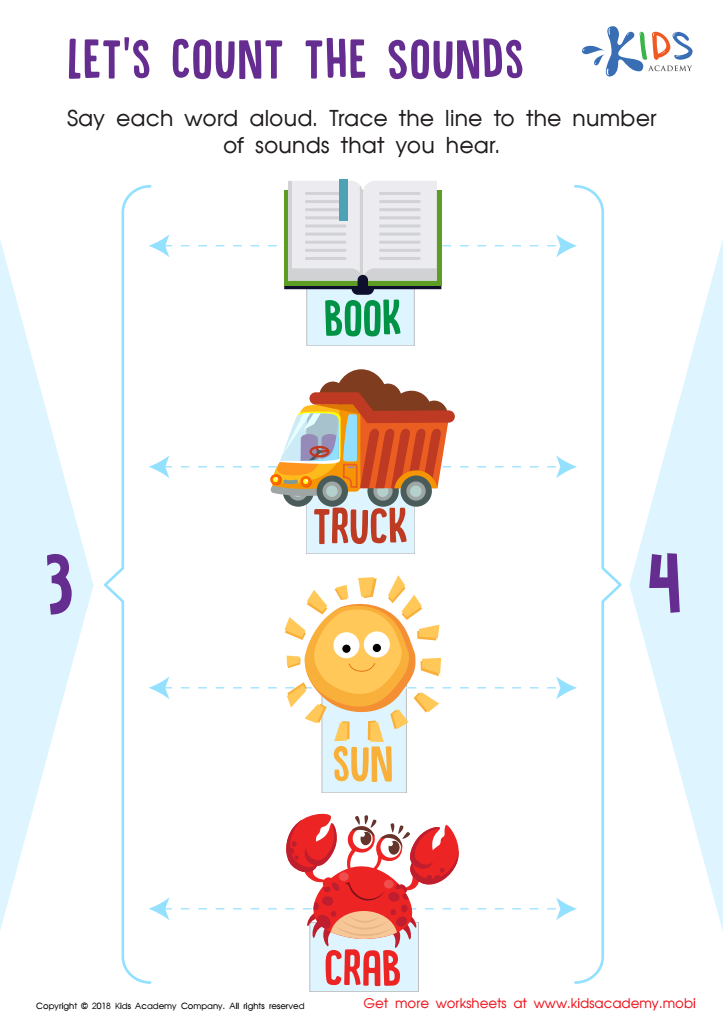
Let's Count the Sounds Worksheet
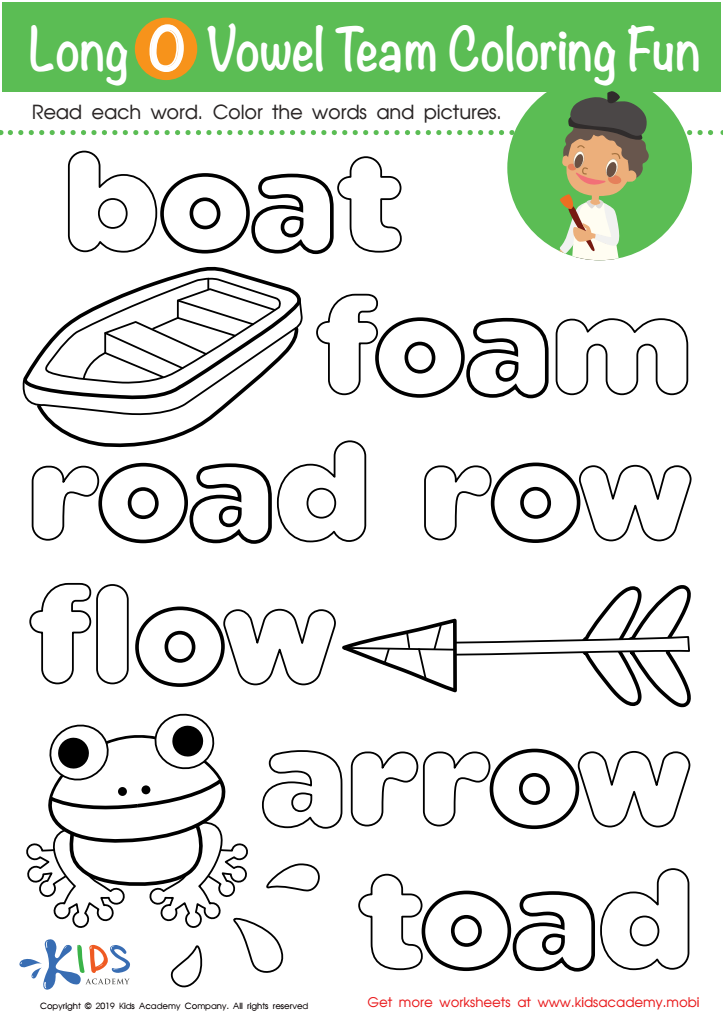
Long O Vowel Team Coloring Worksheet
 Assign to My Students








Reading development for children aged 3-6 is crucial for their overall growth and future success. During these formative years, the foundational skills of literacy are established, influencing not just reading ability but also crucial cognitive functions such as memory, problem-solving, and critical thinking. Early reading experiences help children develop a strong vocabulary, strengthen their listening skills, and improve their ability to comprehend and express information.
Moreover, reading nurtures imagination and creativity, allowing children to explore different worlds and perspectives. Encouraging a love for literature also fosters emotional intelligence as children relate to characters and stories.
Parents and teachers play a pivotal role in shaping this developmental phase. Engaged readers are more likely to perform better academically in later years. Reading also serves as a bonding activity, promoting relationships between parents and children or among peers in a classroom setting. Research consistently shows that children exposed to a rich reading environment are likelier to enjoy school and complete their education, reducing the likelihood of future reading difficulties or academic challenges.
By prioritizing reading development, parents and teachers not only unlock the potential for academic success but also cultivate lifelong learners equipped for a rapidly changing world.








