Sentence formation Worksheets for Ages 3-6
5 filtered results
-
From - To
Explore our engaging Sentence Formation Worksheets designed specifically for children ages 3-6! These interactive resources help young learners develop essential language skills by encouraging them to construct simple sentences. Each worksheet features fun illustrations and prompts that spark creativity while reinforcing vocabulary and sentence structure. With a variety of activities, kids can practice recognizing words, arranging them logically, and expressing their thoughts clearly. Our worksheets not only promote literacy skills but also enhance critical thinking and comprehension. Perfect for home or classroom use, our Sentence Formation Worksheets will make learning to read and write an enjoyable experience for your little ones!
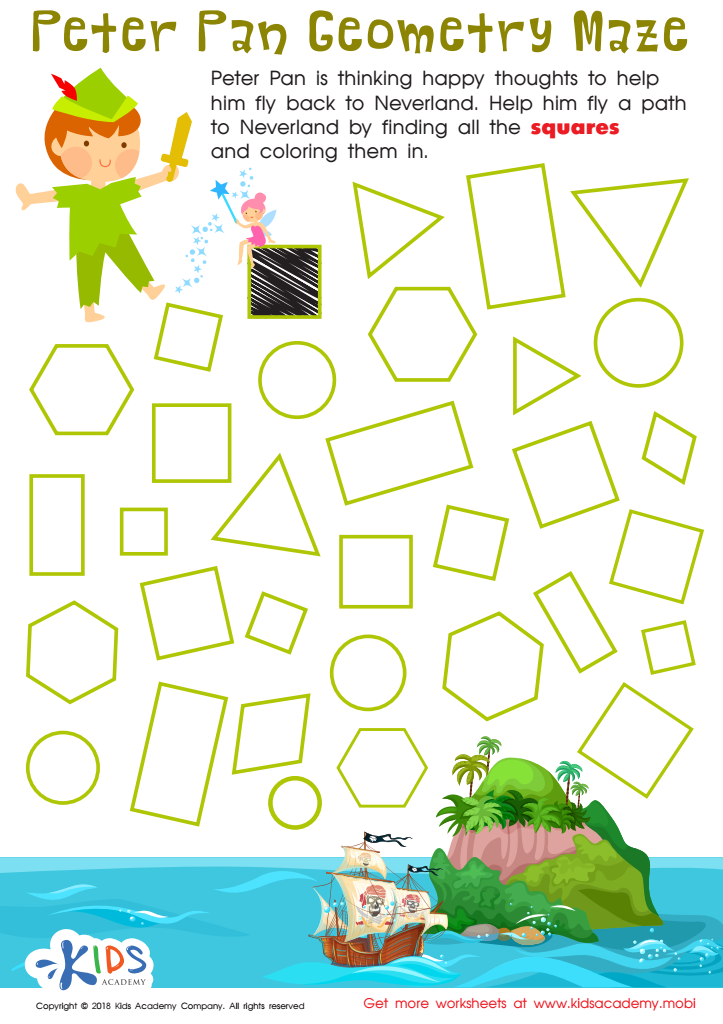
Peter Pan Worksheet
 Assign to My Students
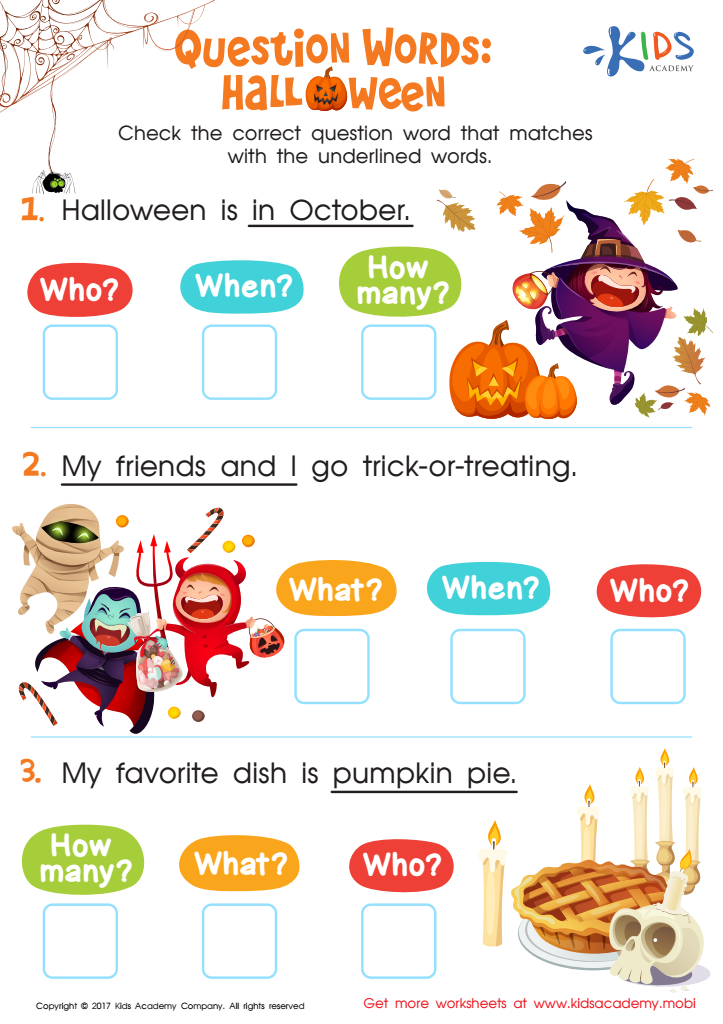
Question Words: Halloween Worksheet
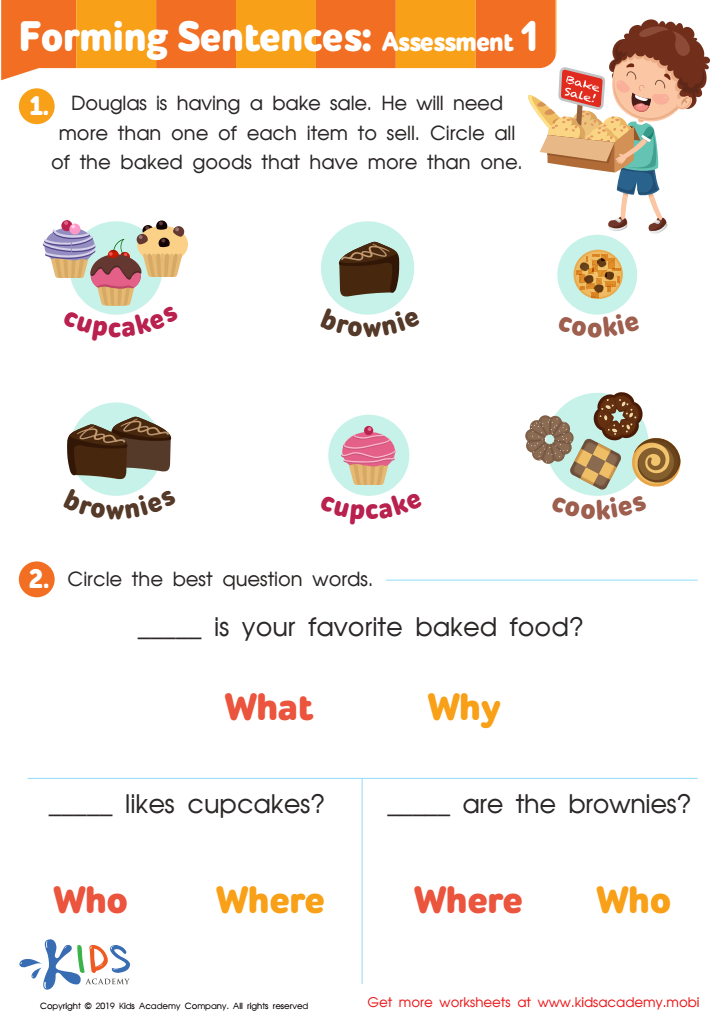
Forming Sentences: Assessment 1 Worksheet
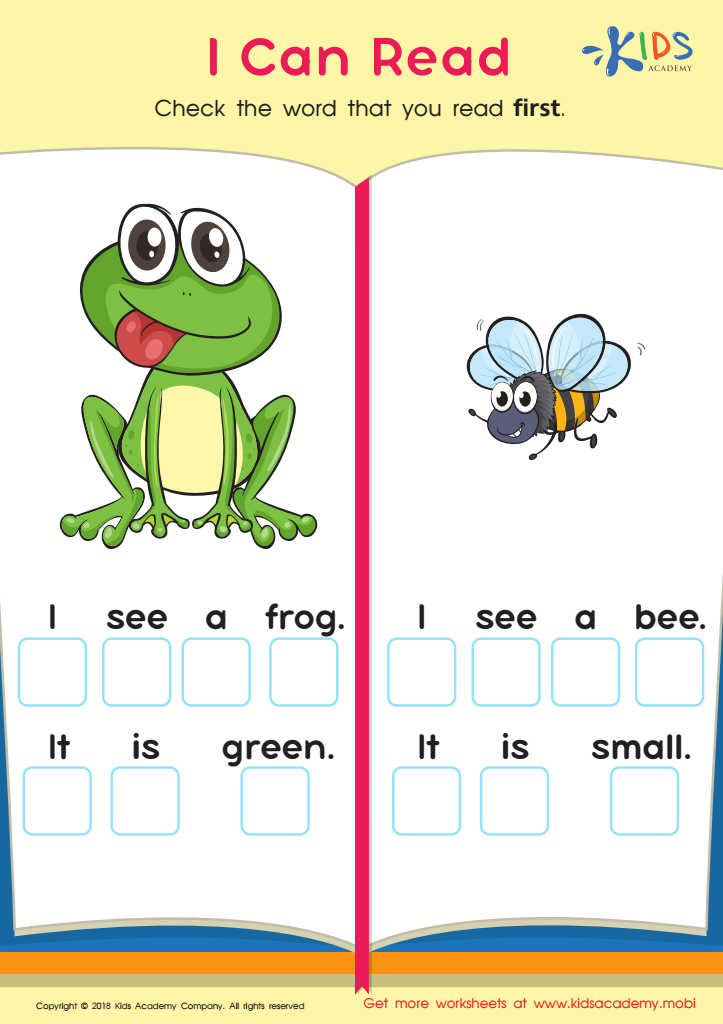
I Can Read Worksheet
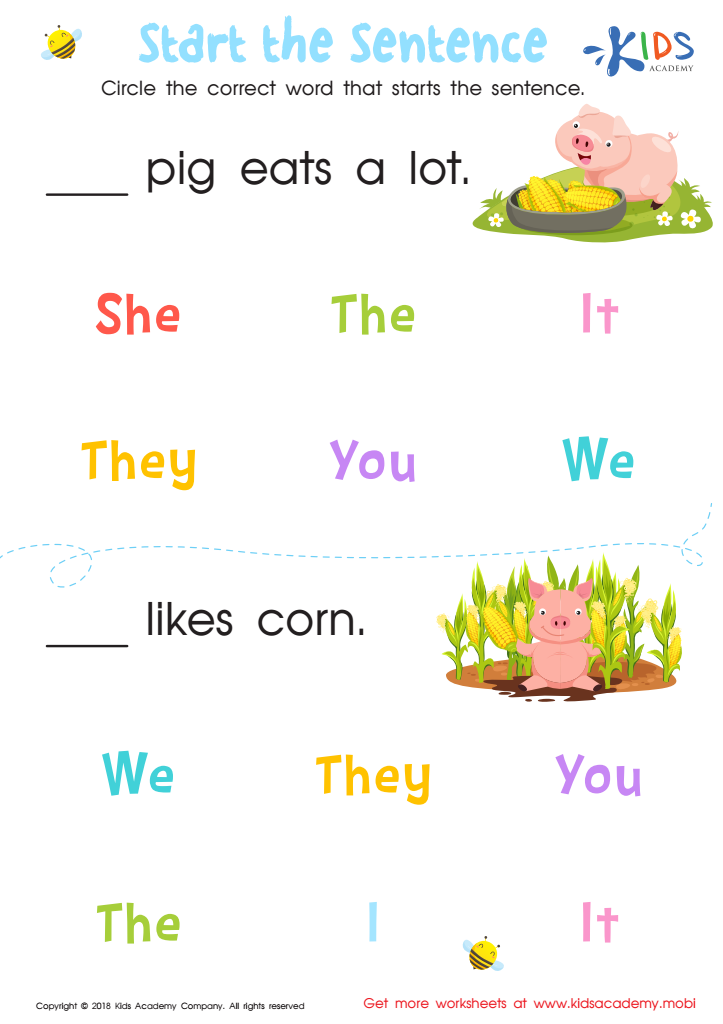
Start the Sentence Worksheet





.jpg)

Sentence formation is a critical aspect of early childhood development that parents and teachers should prioritize for children aged 3 to 6. At this age, children are rapidly acquiring language skills, and fostering their ability to form sentences lays a strong foundation for effective communication. Developing sentence structure enhances their vocabulary and encourages imaginative thinking as they learn to express their thoughts, feelings, and ideas more clearly.
Additionally, strong sentence formation skills are pivotal for cognitive development. As children learn to construct sentences, they develop critical thinking skills by organizing their thoughts logically. This cognitive process is vital for later academic success, particularly in reading and writing.
Moreover, mastering sentence formation boosts children's confidence in social interactions. As they articulate themselves well, they are more likely to engage in conversations, make friends, and express their needs without frustration. This social competence is integral to their emotional development, helping them build relationships and develop empathy.
Furthermore, encouraging sentence formation through engaging activities like storytelling or imaginative play not only makes learning fun but also strengthens the bond between adults and children. Thus, nurturing sentence formation should be a significant focus for parents and educators to set children on a path of lifelong learning and communication abilities.








