Shape Recognition Worksheets for Ages 3-6 - Page 4
88 filtered results
-
From - To
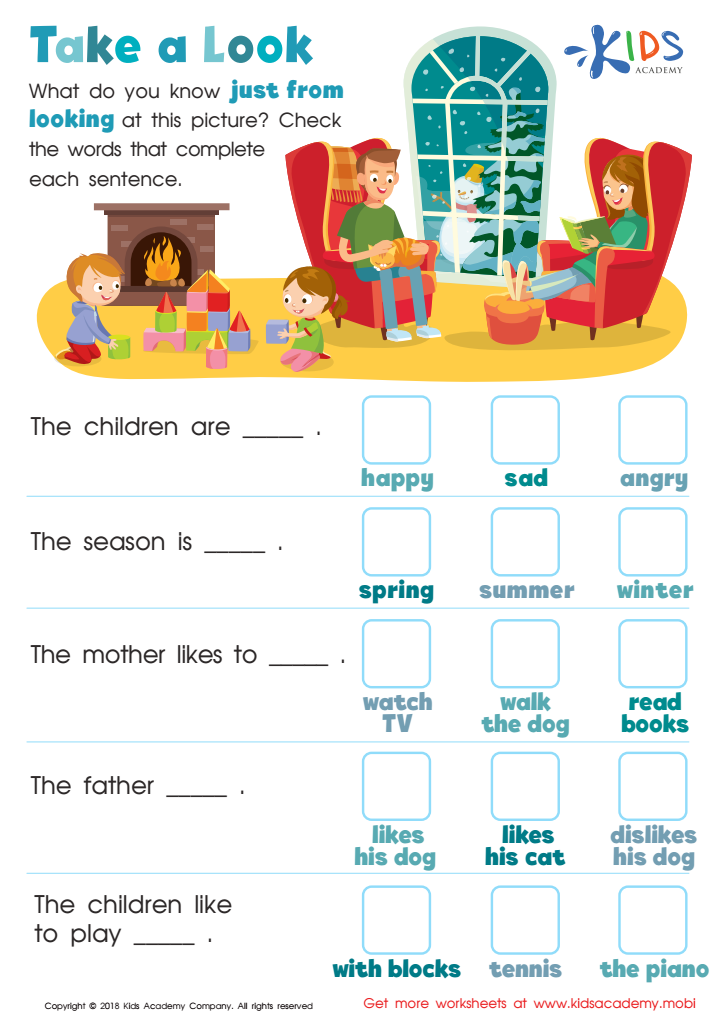
Take a Look - Part 1 Worksheet
 Assign to My Students
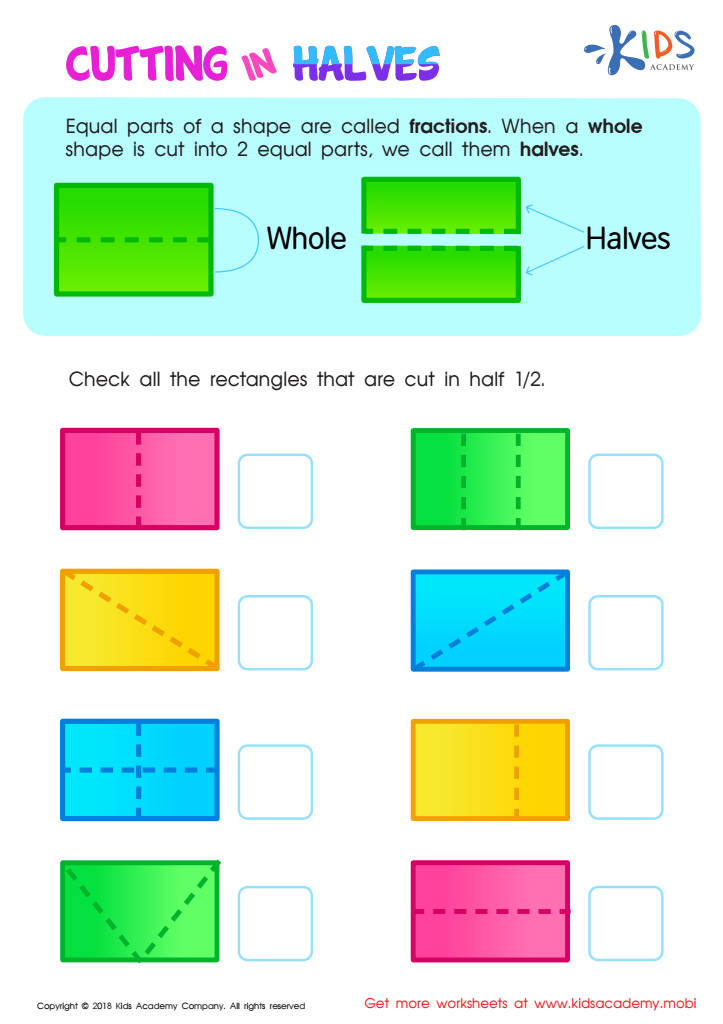
Cutting in Halves Worksheet
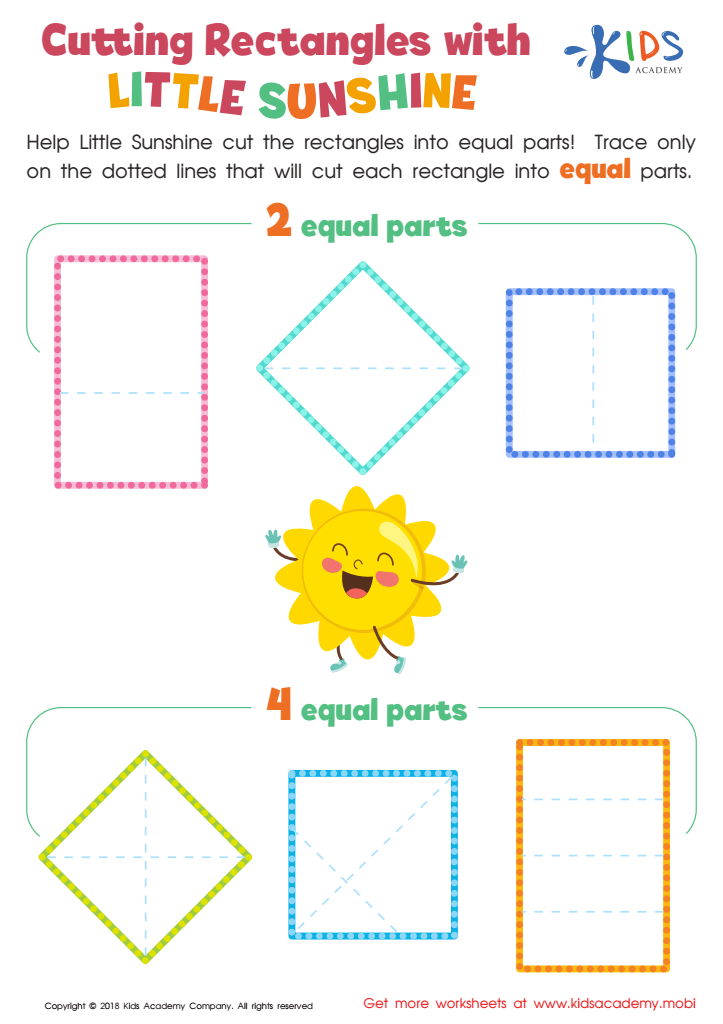
Cutting Rectangles with Little Sunshine Worksheet
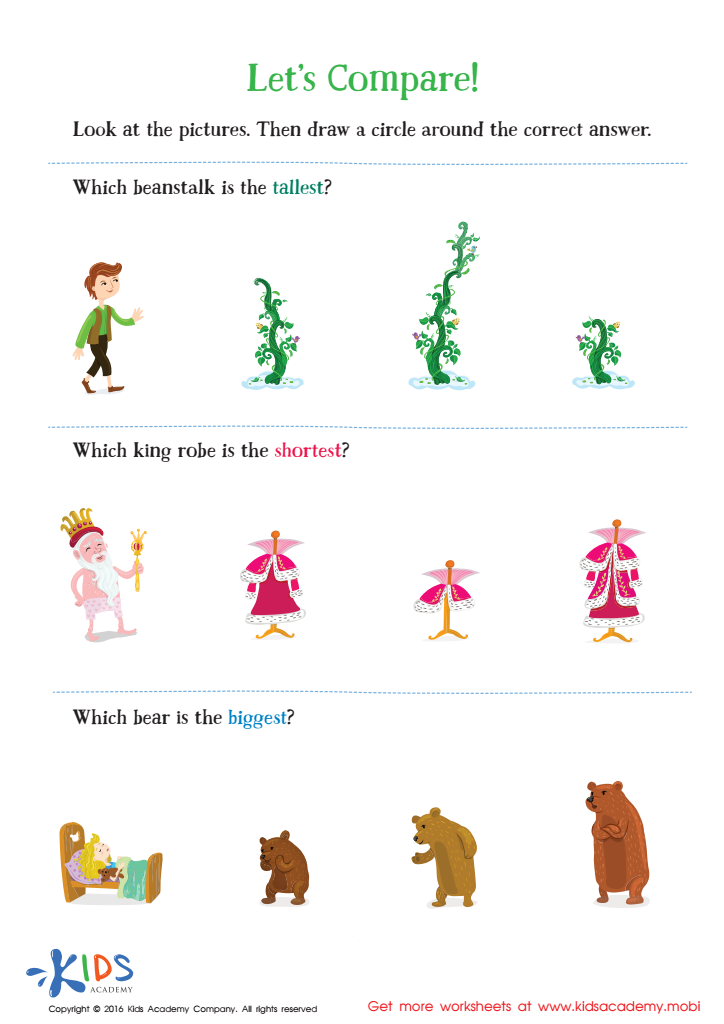
Fairy Tale Worksheet: Let's Compare
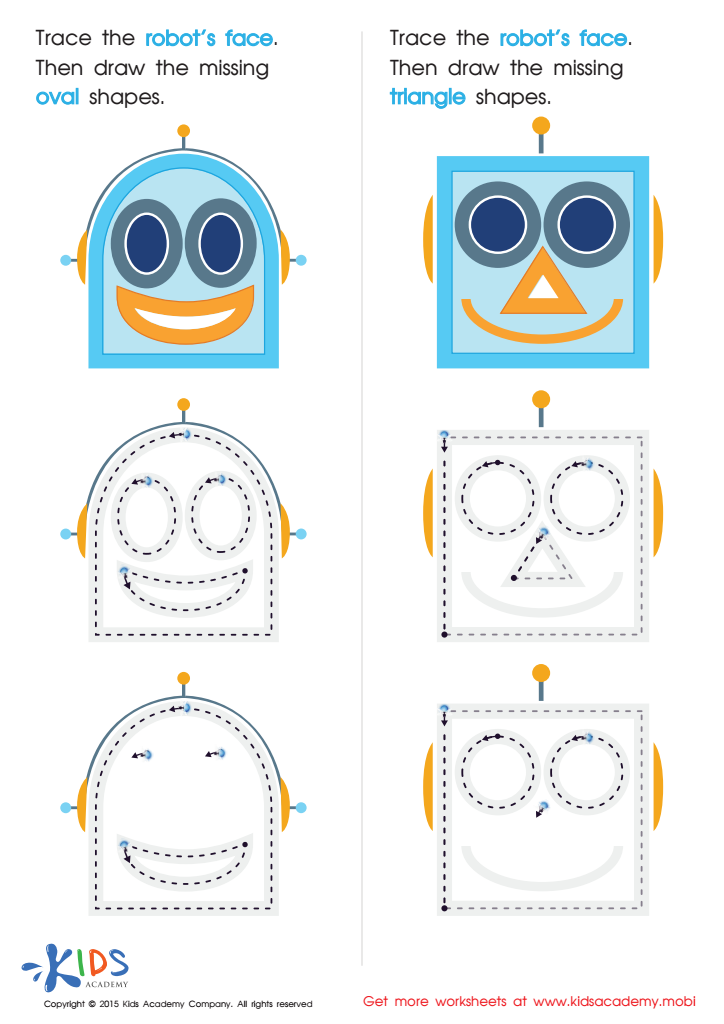
Drawing Ovals And Triangles with Fun Printable
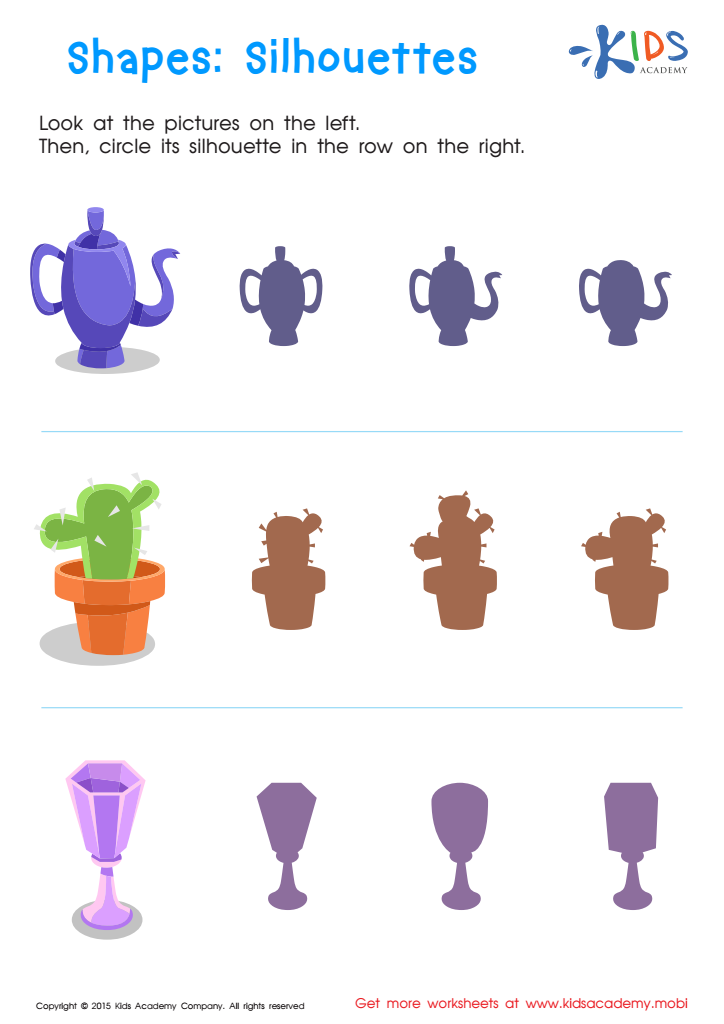
Silhouettes – Shapes Worksheet
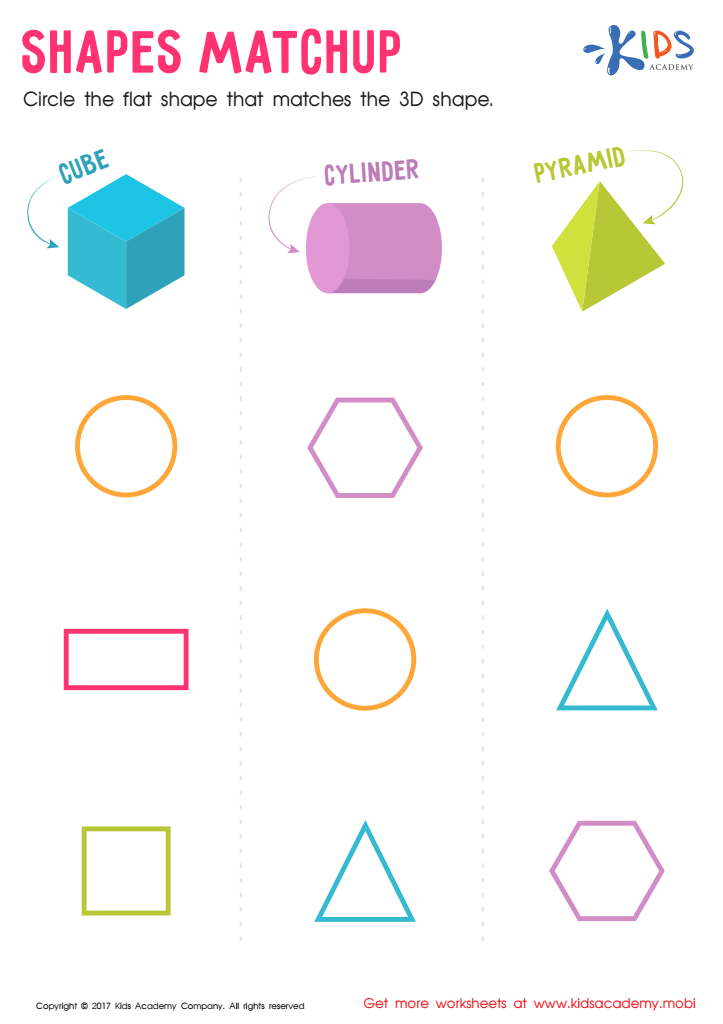
Shapes Matchup Worksheet
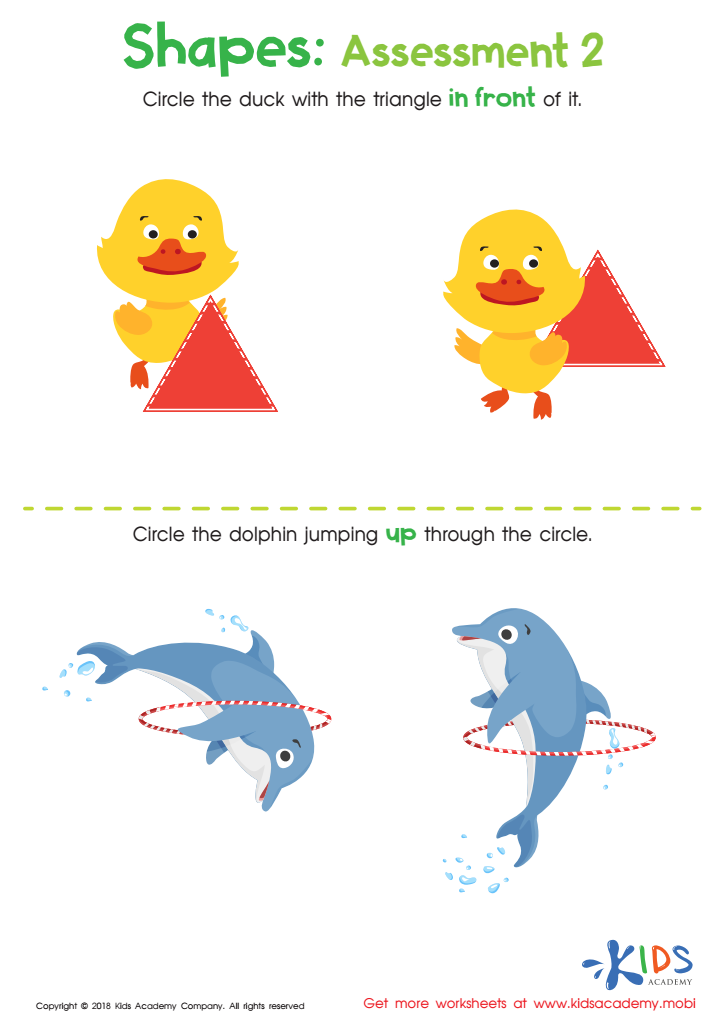
Geometry – Assessment 2 Worksheet
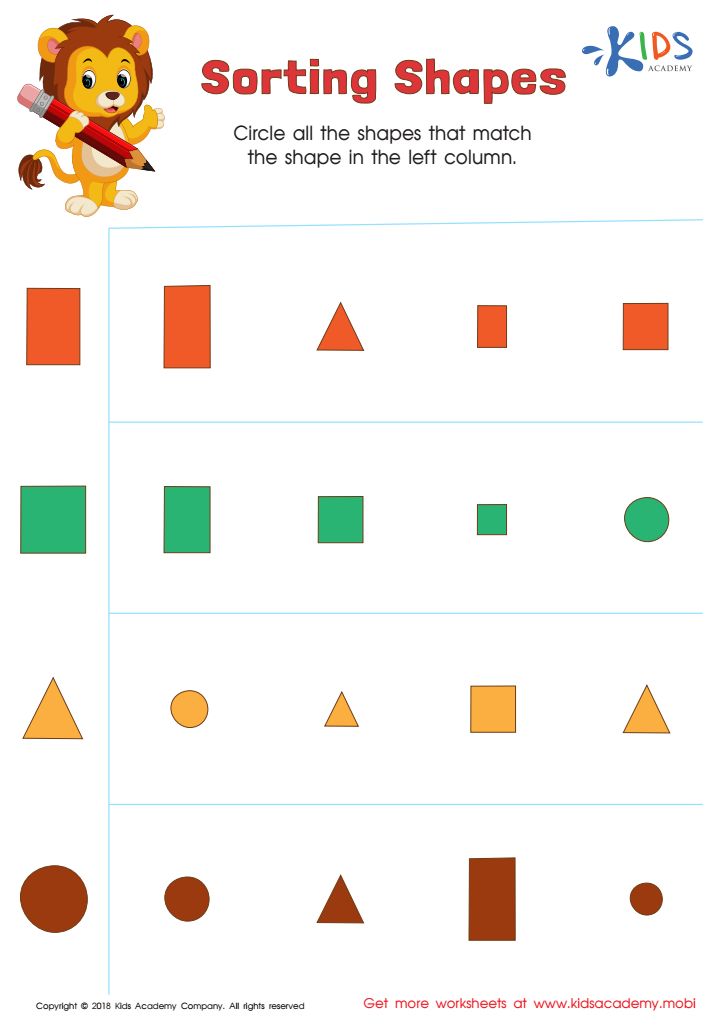
Sorting Shapes - Part 2 Worksheet
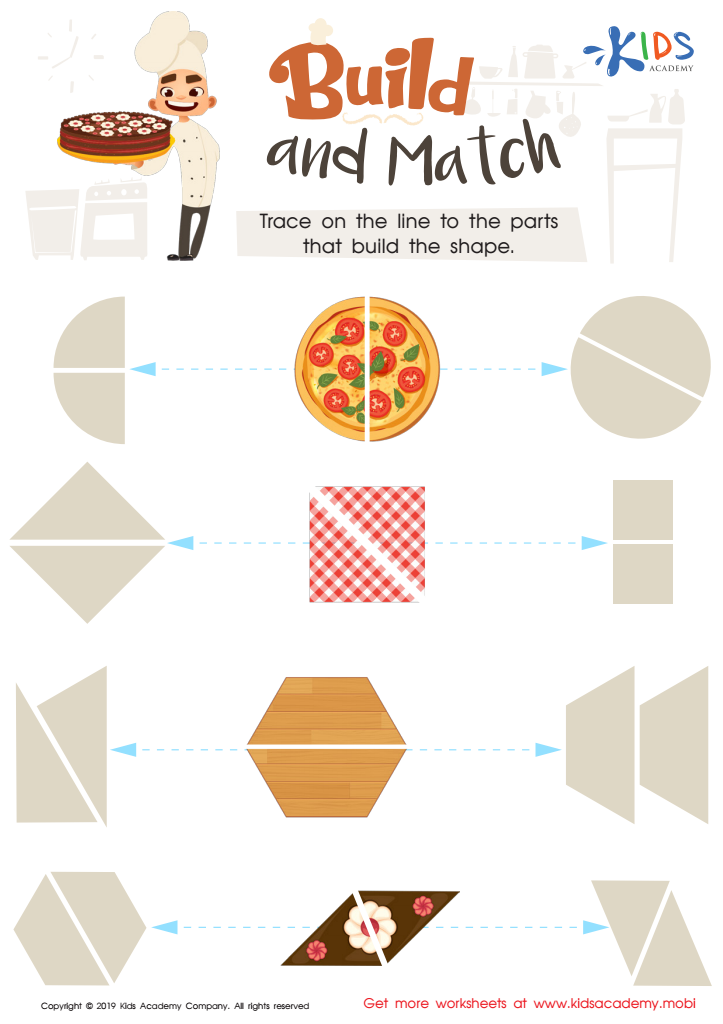
Build and Match Worksheet
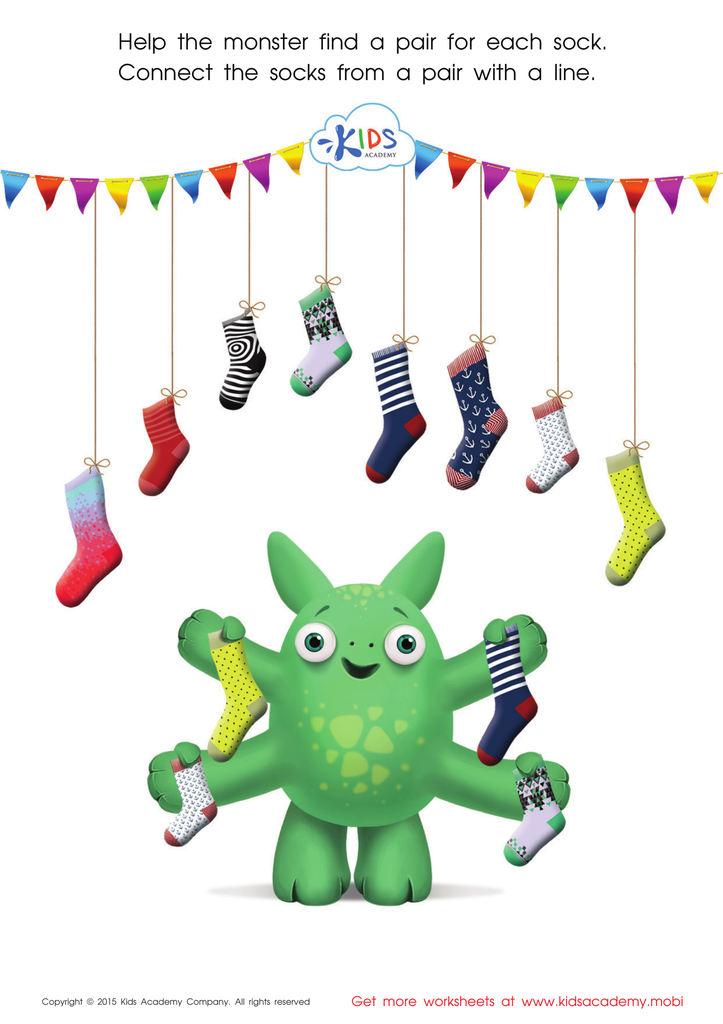
Math Matching Pairs Game: Monsterв's Socks Worksheet
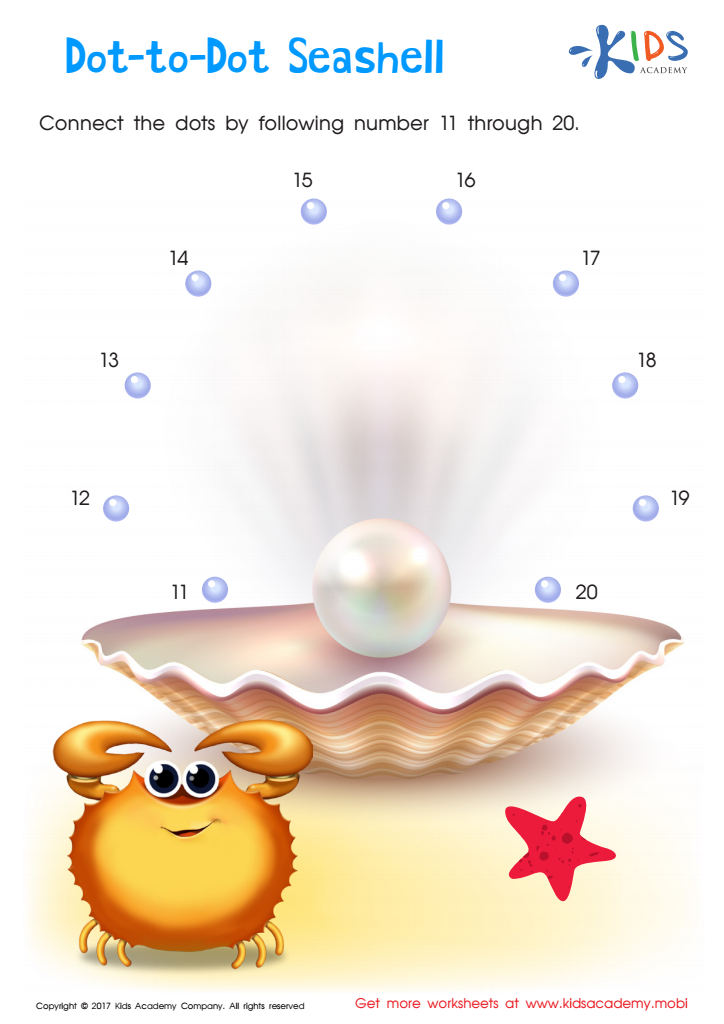
Ordering 11–20: Dot–to–dot Seashell Printable
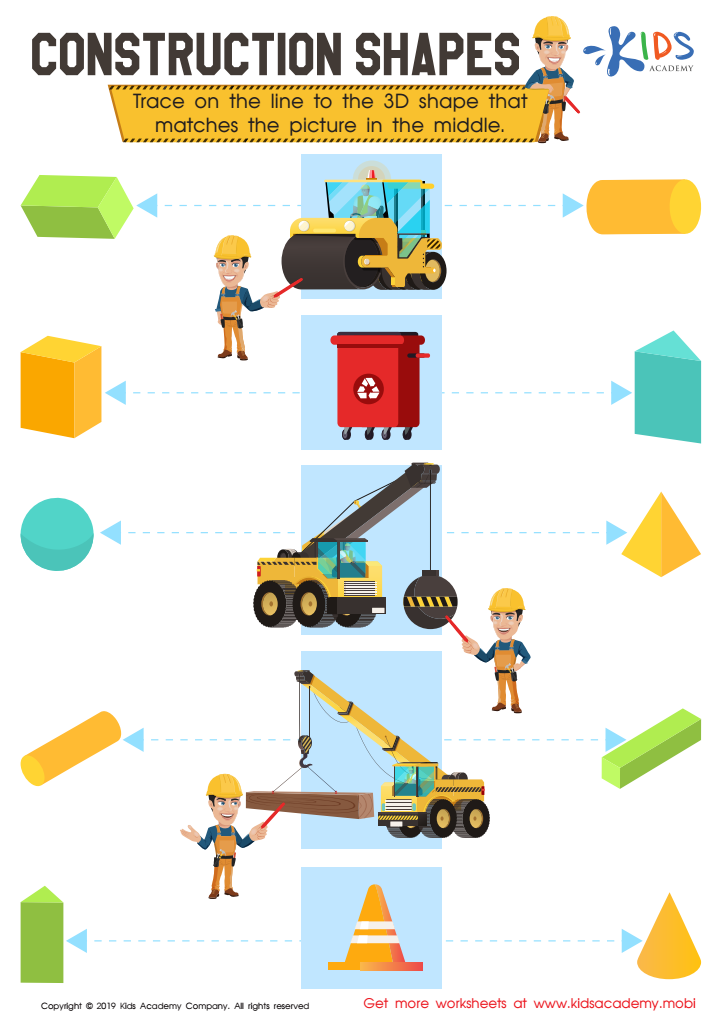
Construction Shapes Worksheet
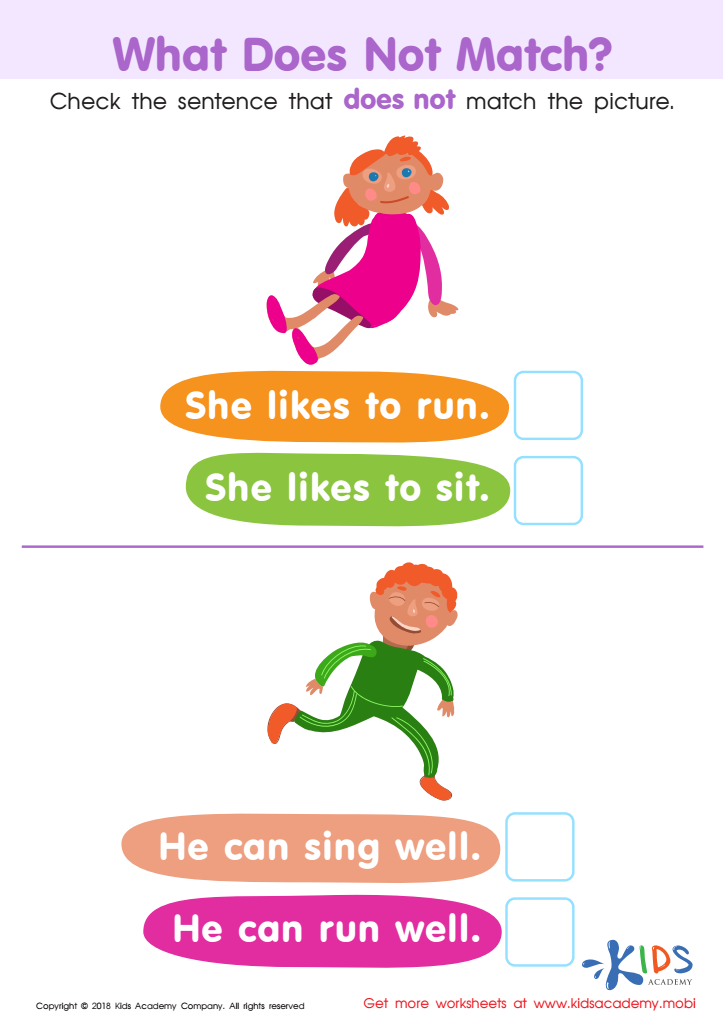
What Does Not Match? Worksheet








Shape recognition is a foundational skill that serves as a building block for early cognitive development in children aged 3-6. Parents and teachers should prioritize this concept for several reasons. First, recognizing shapes enhances children’s ability to identify patterns and categorize objects, which is crucial for developing logical thinking and problem-solving skills. These skills form the basis for advanced learning in mathematics and geometry later on.
Additionally, shape recognition plays a significant role in fostering spatial awareness. Understanding shapes helps children navigate their environment, which is essential for physical development and motor skills. Engaging with shapes through play fosters creativity and exploration, while also supporting language development as children learn to describe and discuss what they observe.
Furthermore, early shape recognition can boost confidence and independence, empowering children to express their understanding of the world around them. It creates a strong foundation for lifelong learning and adaptability. By incorporating shape recognition activities into daily routines, parents and teachers provide enriching opportunities for holistic growth, promoting curiosity and a love for learning that will stay with children as they advance in their education. Thus, it’s essential for caregivers to recognize the importance of this developmental milestone.








