Spatial awareness Worksheets for Ages 3-6 - Page 2
36 filtered results
-
From - To
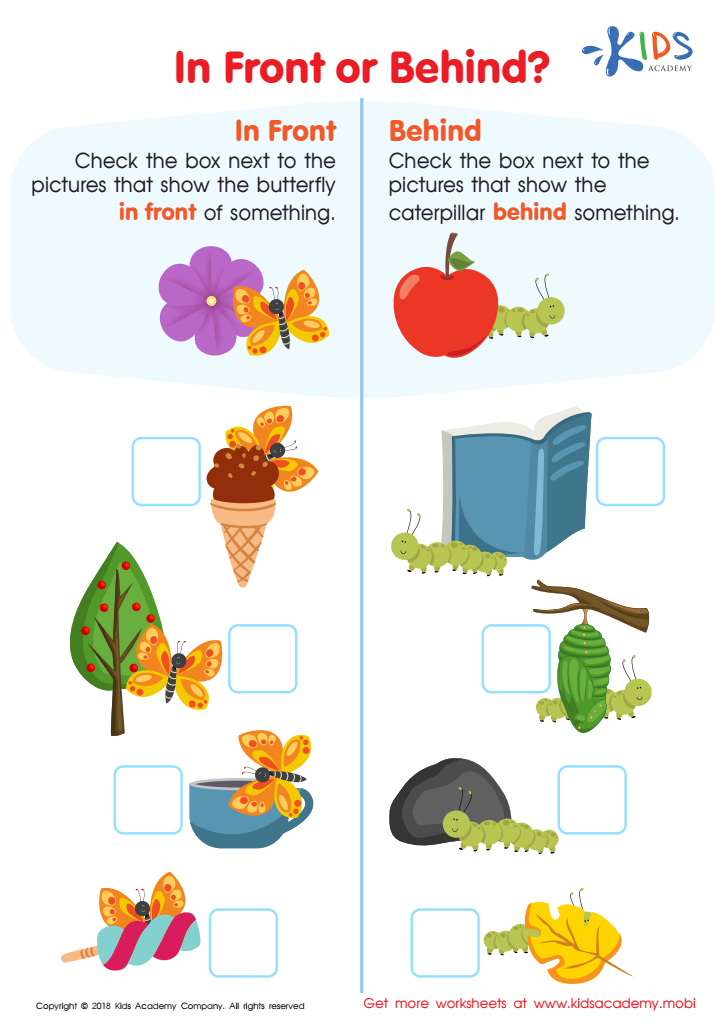
In Front or Behind Worksheet
 Assign to My Students
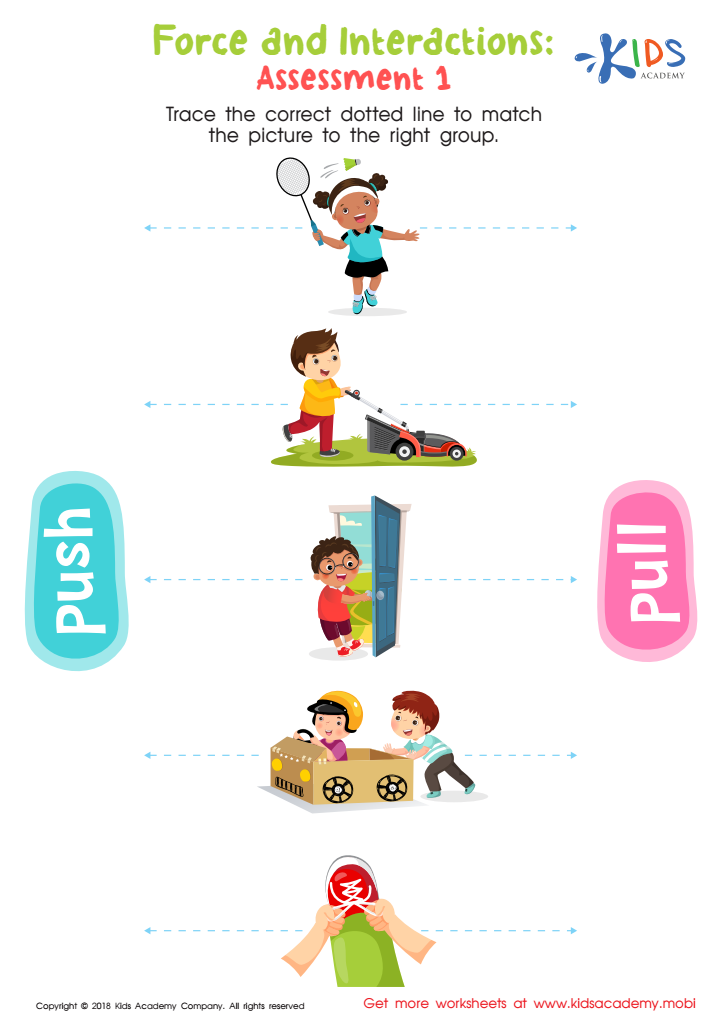
Force and Interactions: Assessment 2 Worksheet
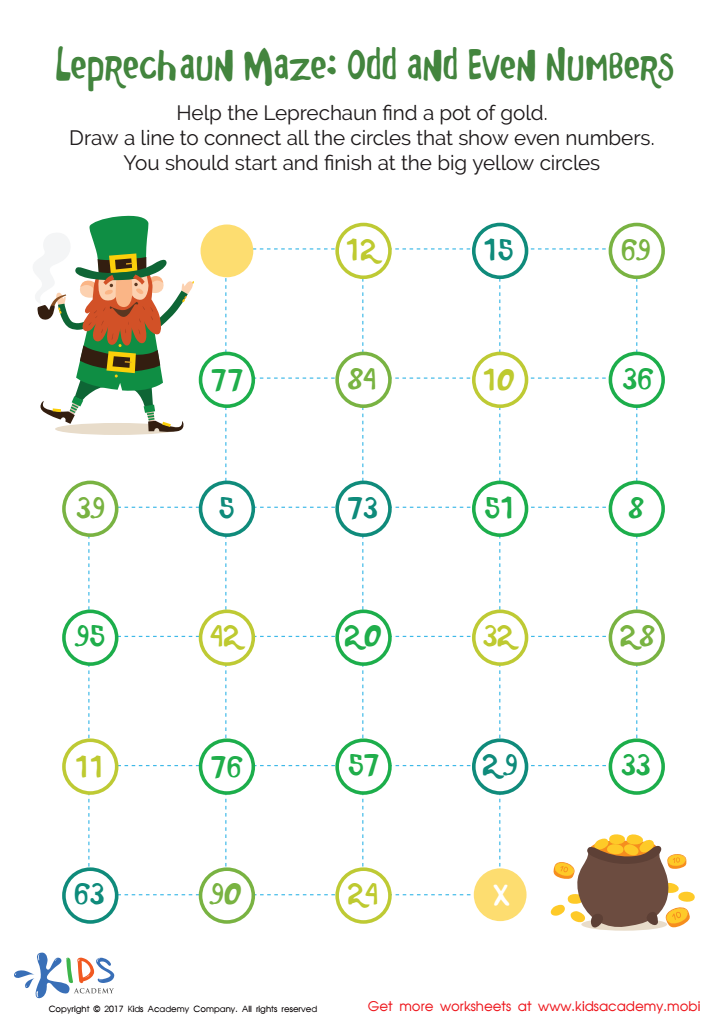
Leprechaun Maze Printable
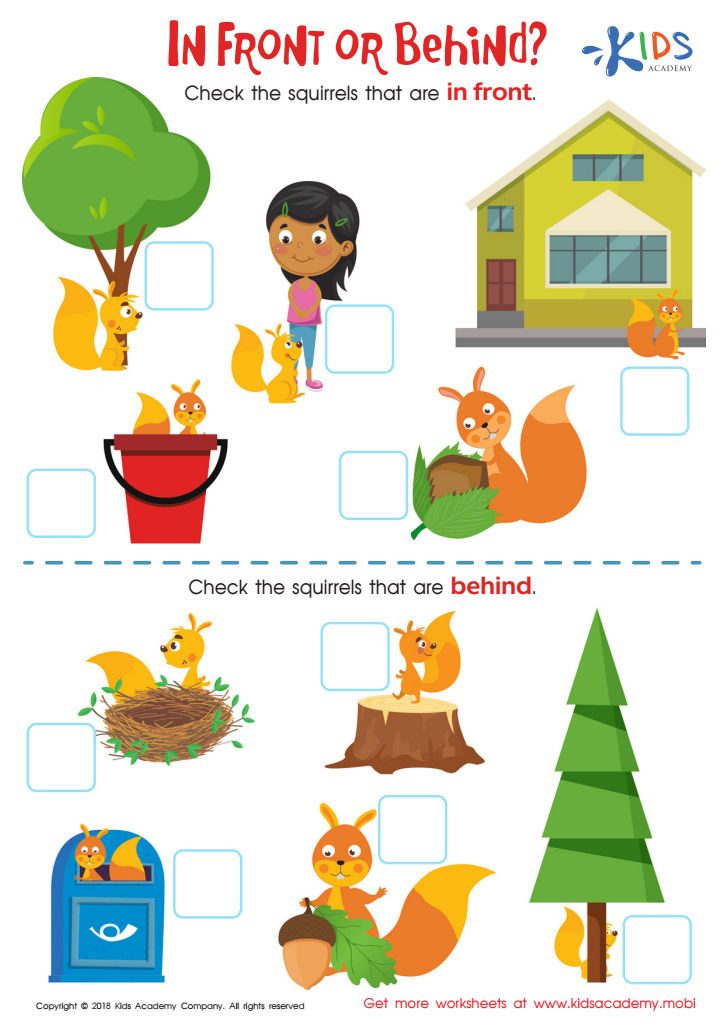
In Front or Behind: Part 2 Worksheet
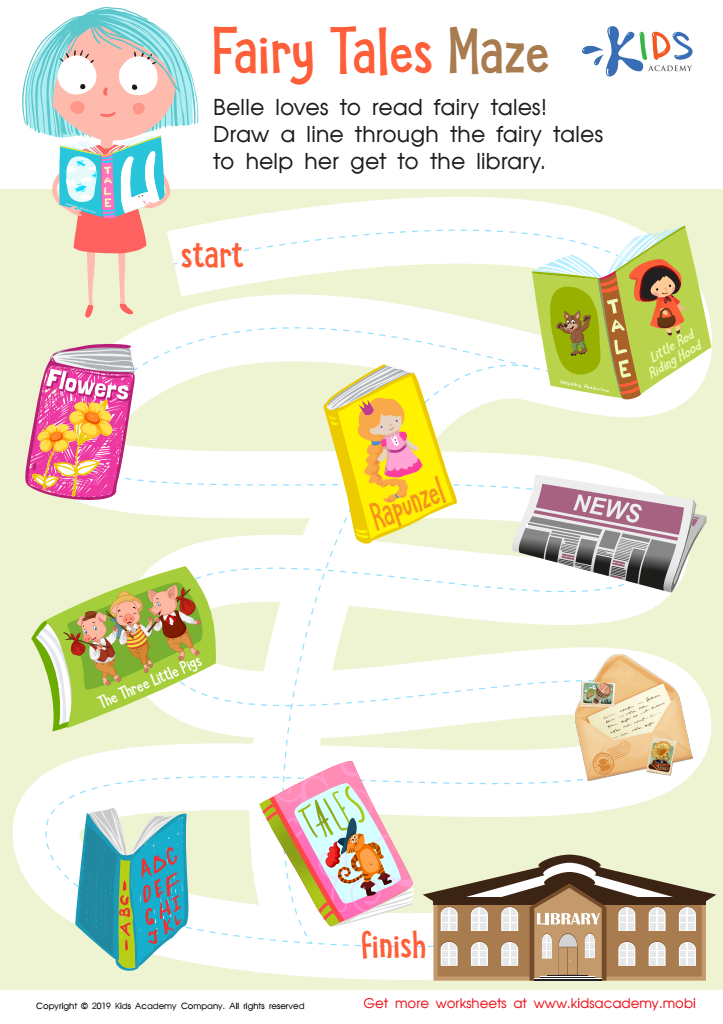
Fairy Tales Maze Worksheet
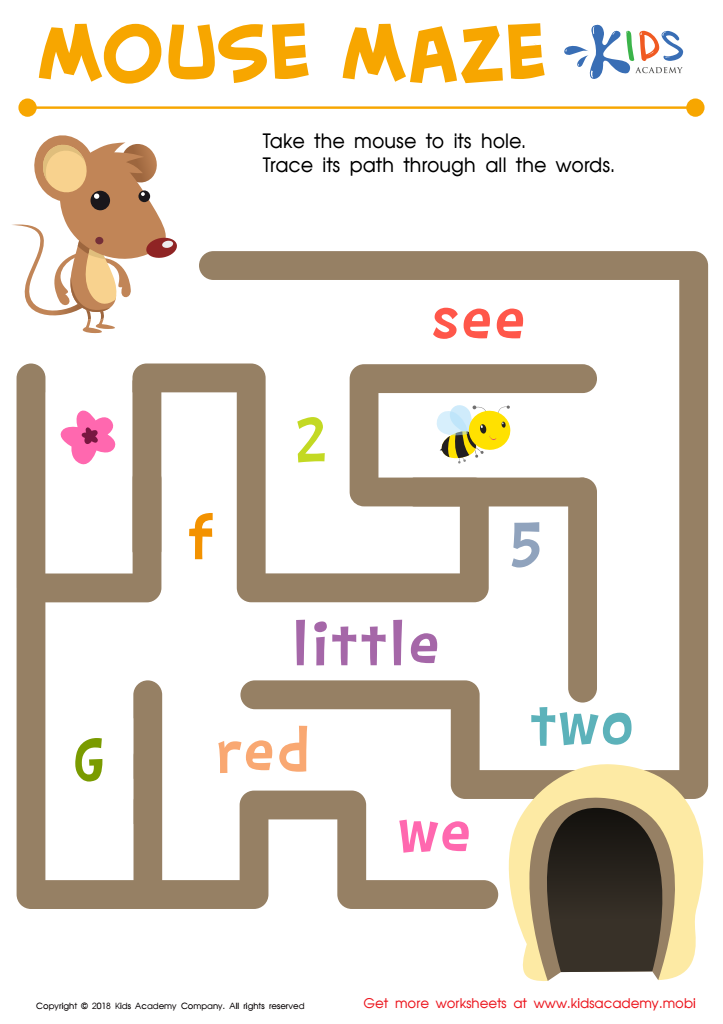
Find Words Mouse Maze Worksheet
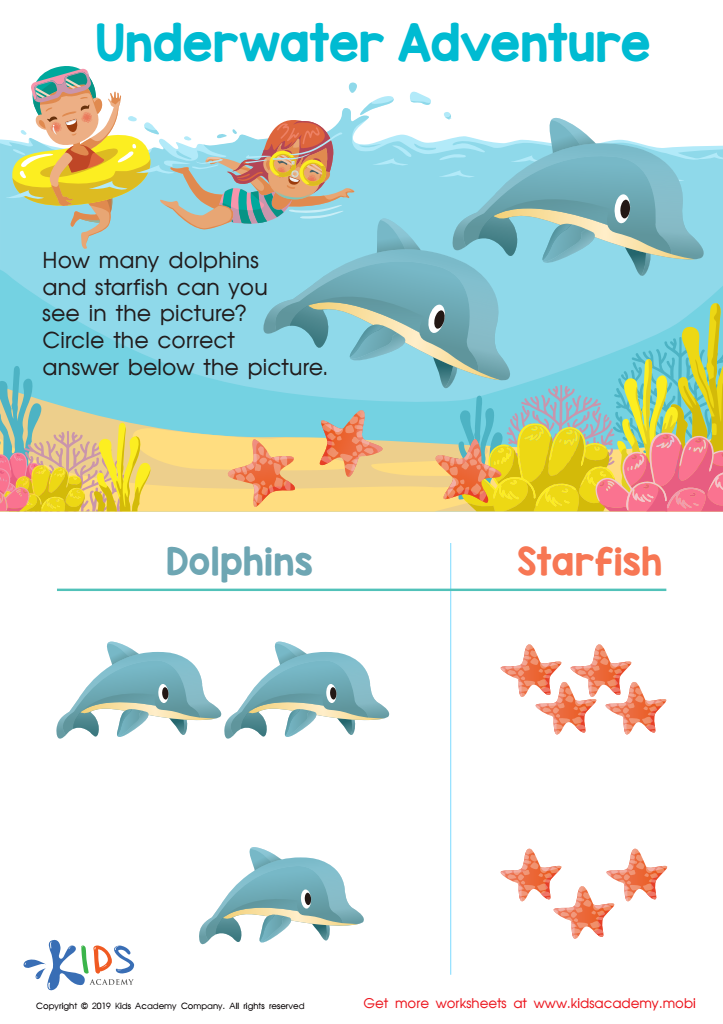
Underwater Adventure Worksheet
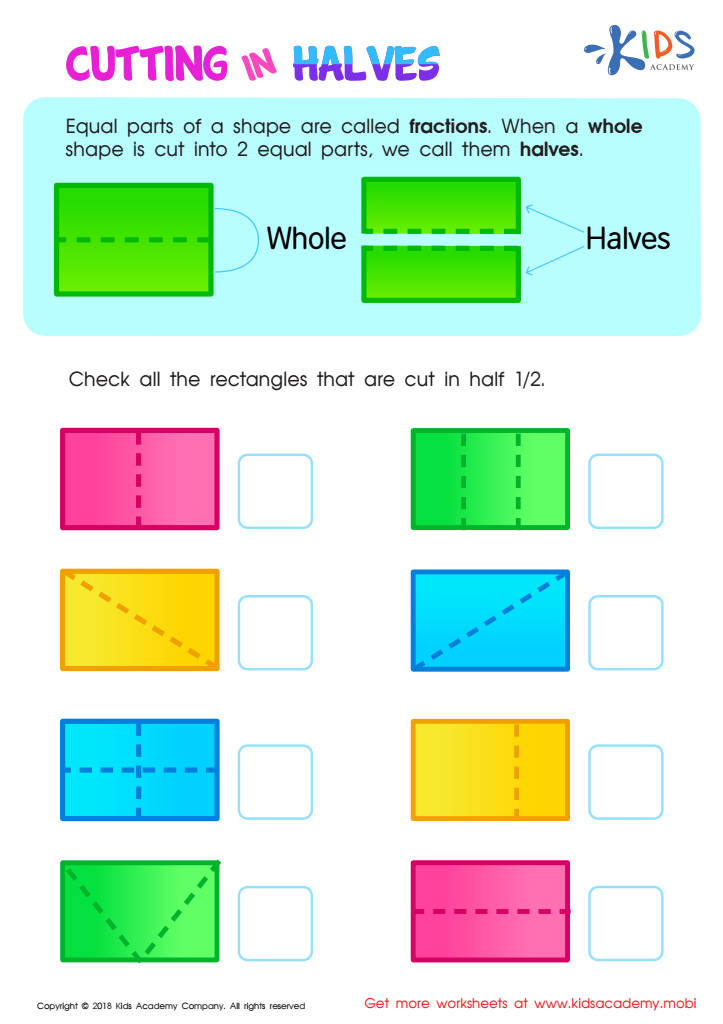
Cutting in Halves Worksheet
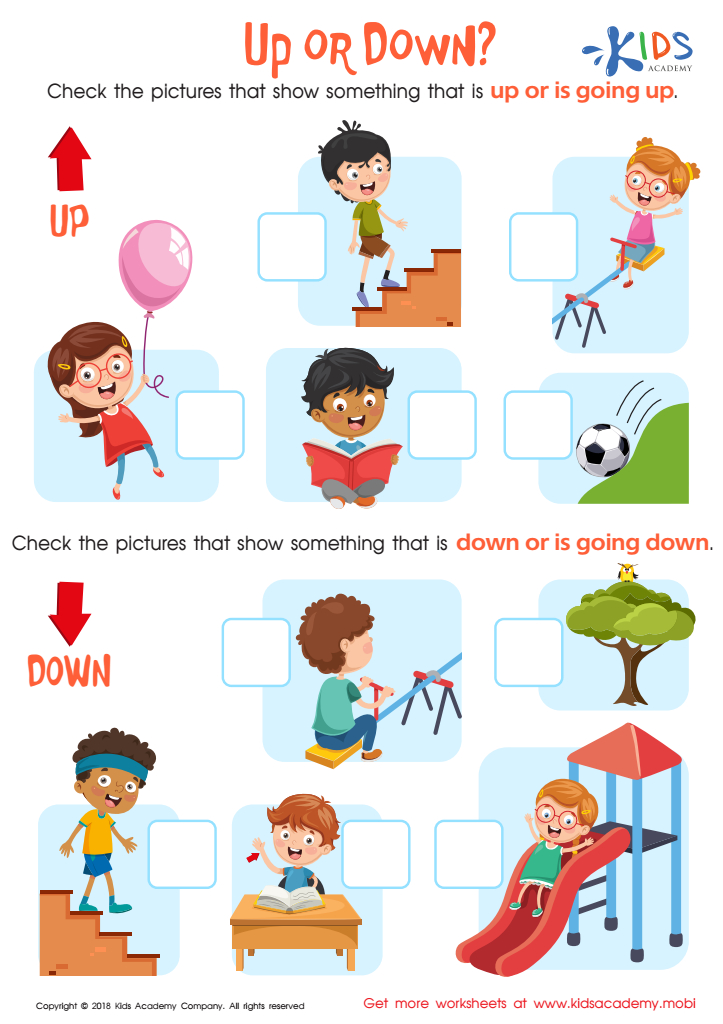
Up or Down Worksheet
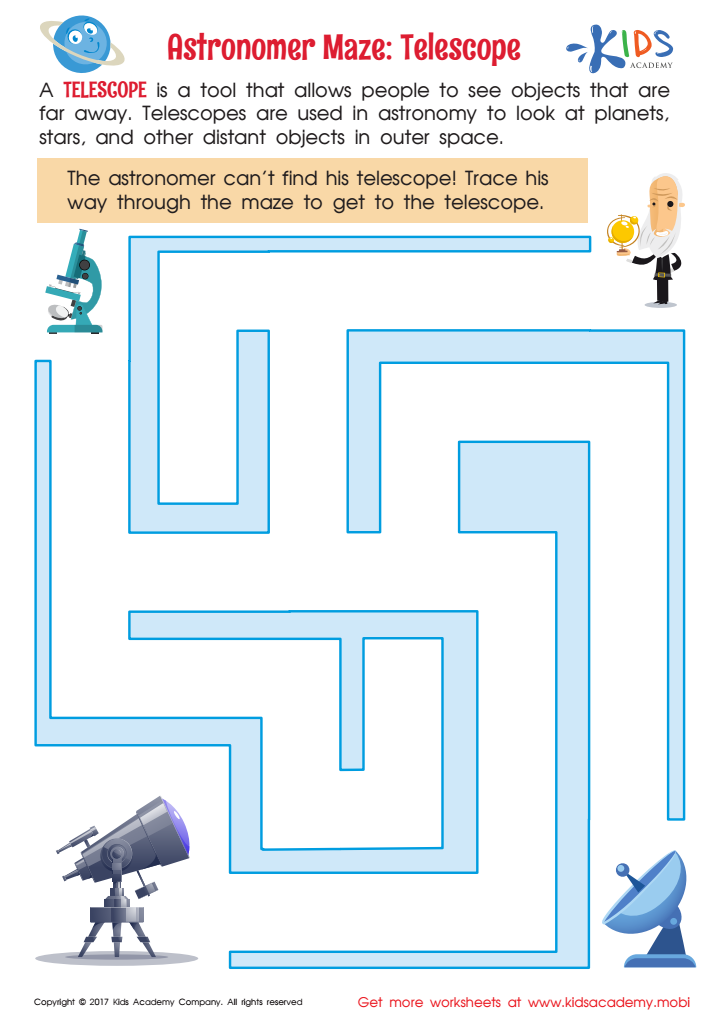
Astronomer Maze: Telescope Worksheet
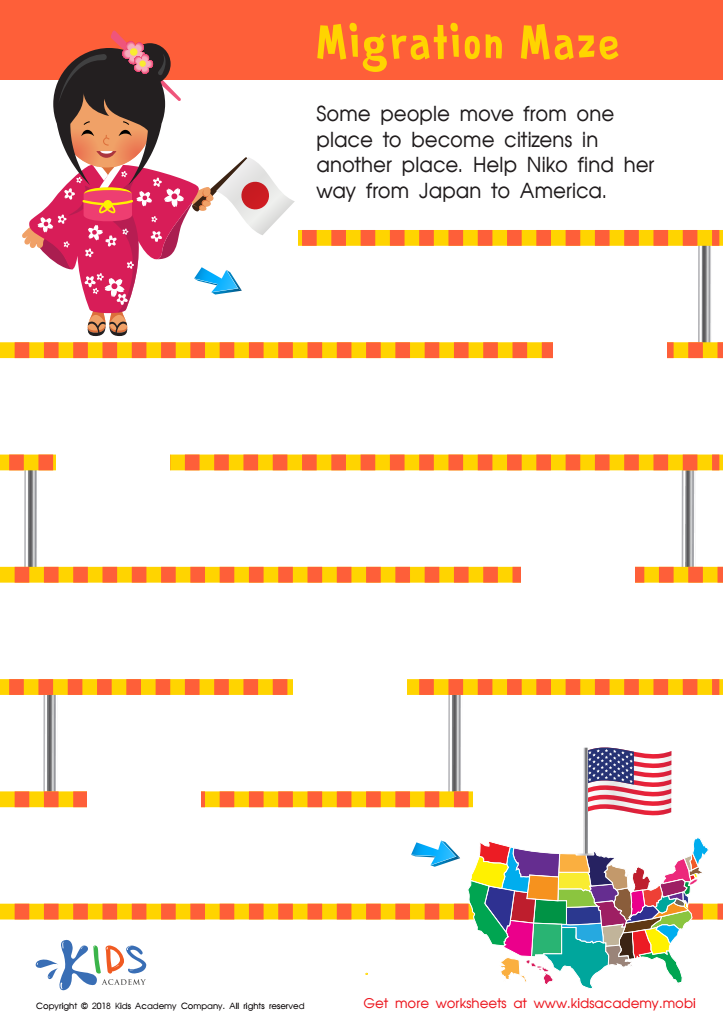
Migration Maze Worksheet
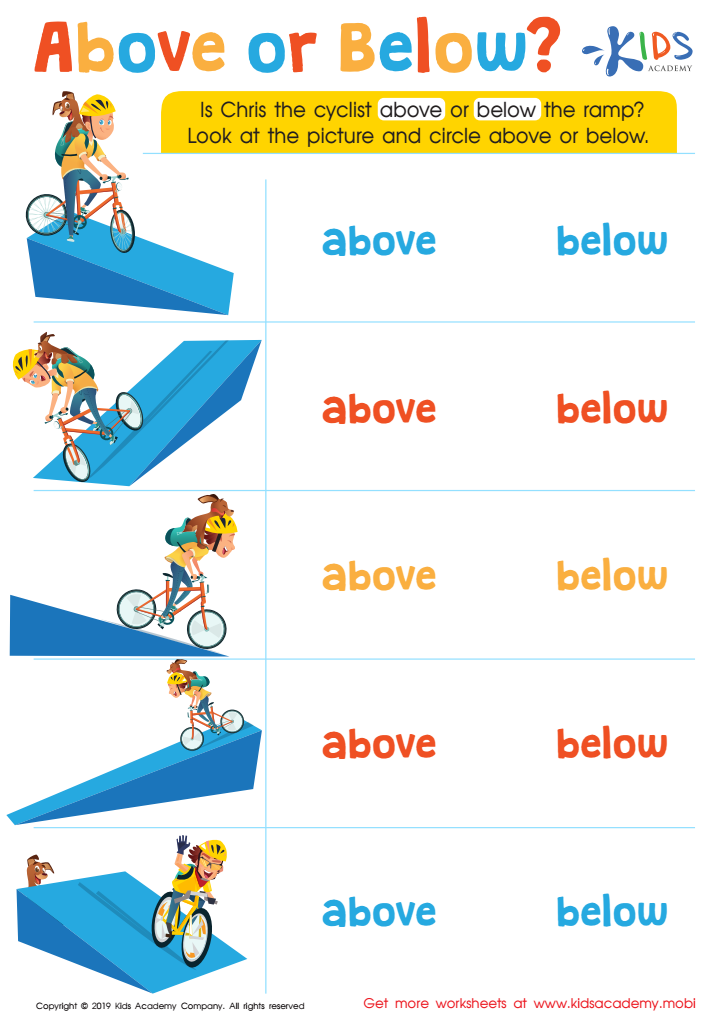
Above or Below? Worksheet







Spatial awareness is a crucial developmental skill for children aged 3-6, forming the foundation for numerous practical and cognitive abilities. At this tender age, children start understanding the world and their place in it, and spatial awareness aids them in navigating their environment safely and confidently. For instance, being aware of dimensions helps children grasp concepts like over, under, behind, and beside, which are vital for following instructions and engaging in everyday activities like organizing toys or understanding stories.
From an educational perspective, strong spatial skills contribute significantly to success in subjects such as math, science, and art. Early experiences with puzzles, building blocks, and spatial vocabulary enrich a child's ability to visualize and manipulate objects mentally. This mental manipulation is the bedrock of problem-solving and logical reasoning, helping children excel in later academic and life contexts.
Furthermore, spatial awareness plays a critical role in physical development. It aids coordination and motor skills, essential for tasks such as writing, catching a ball, or riding a bike. Ensuring that children are actively engaged in activities that promote spatial understanding helps in fostering creativity and confidence, making both parents and teachers pivotal in nurturing well-rounded development. Thus, emphasis on spatial awareness during these formative years is key to building a strong educational and experiential foundation.








