Spatial reasoning Worksheets for Ages 3-6
11 filtered results
-
From - To
Boost your child’s early development with our engaging spatial reasoning worksheets for ages 3-6! Designed to enhance cognitive skills, these enjoyable activities promote critical thinking in young learners. The worksheets focus on essential spatial concepts such as shapes, sizes, patterns, and positions, fostering a strong foundation in both math and creativity. Each printable worksheet is crafted by educational experts to ensure it captures your child’s imagination while developing important problem-solving skills. Ideal for home or classroom use, our spatial reasoning worksheets are a fantastic resource for preparing children for future academic success. Unlock your child's potential today!
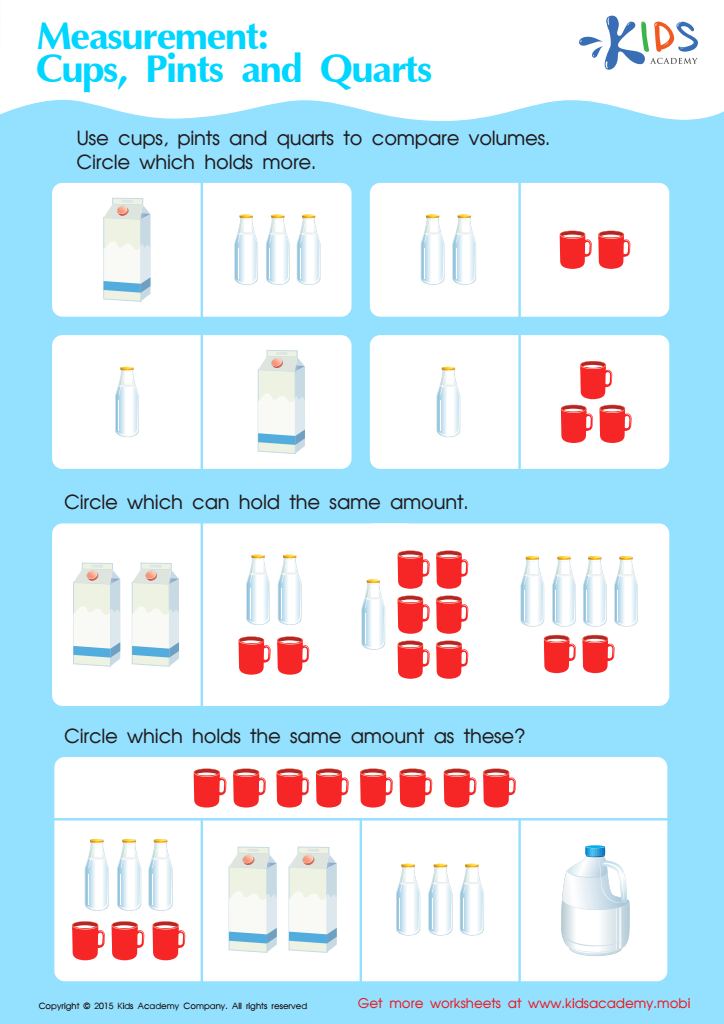
Measurement: Compare Volumes Worksheet
 Assign to My Students
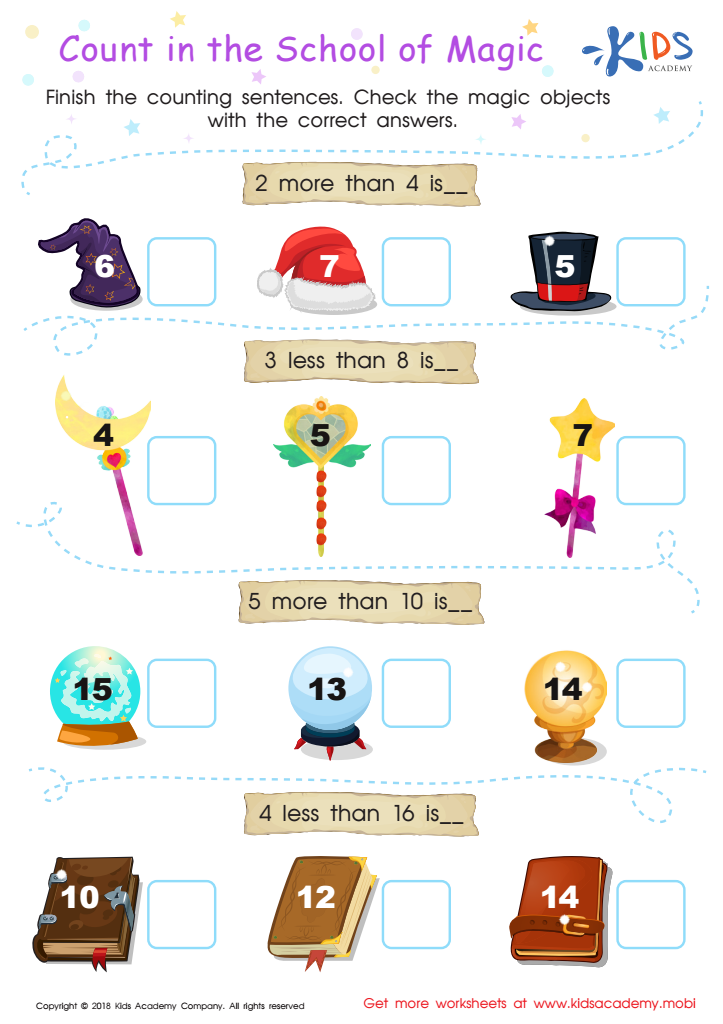
Count in the School of Magic Worksheet
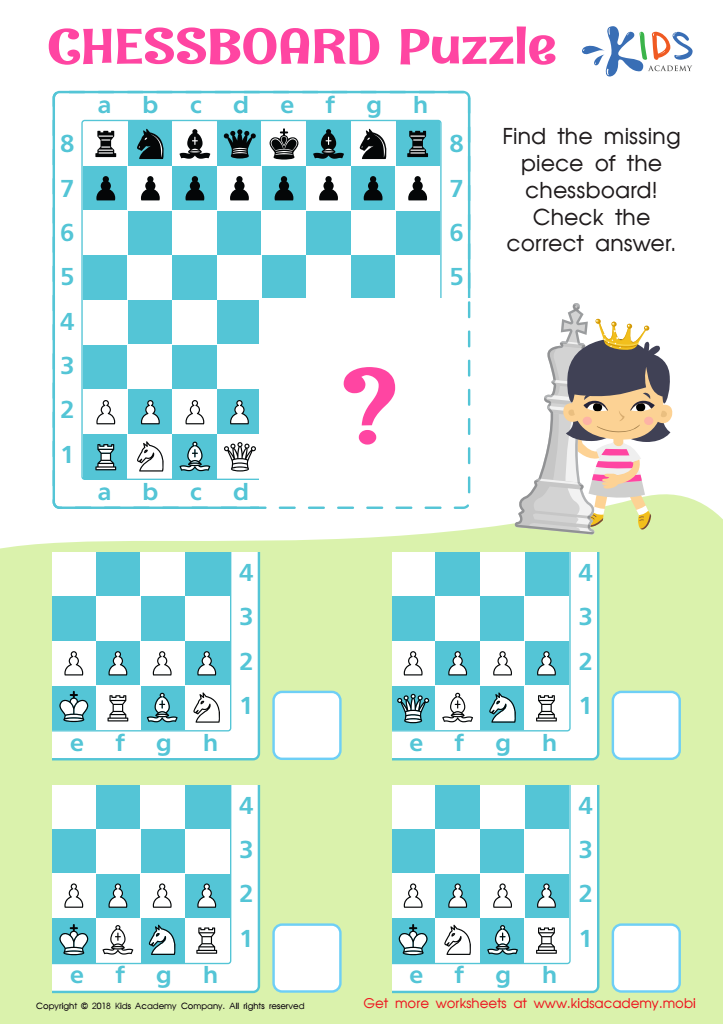
Chessboard Puzzle Worksheet
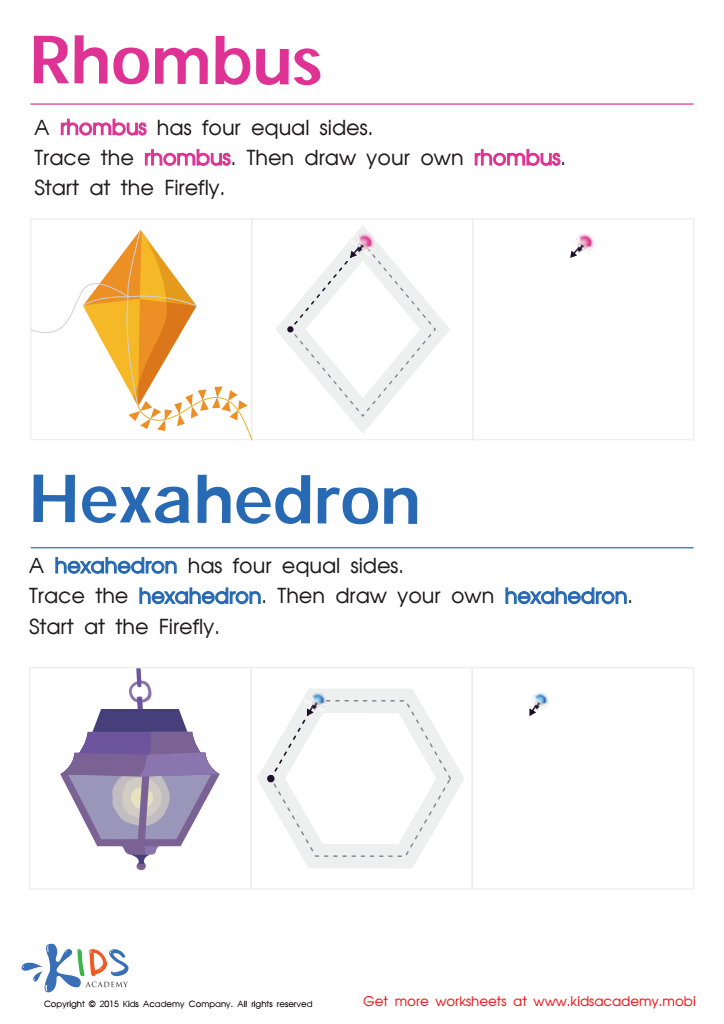
Draw a Rhombus And a Hexahedron Printable
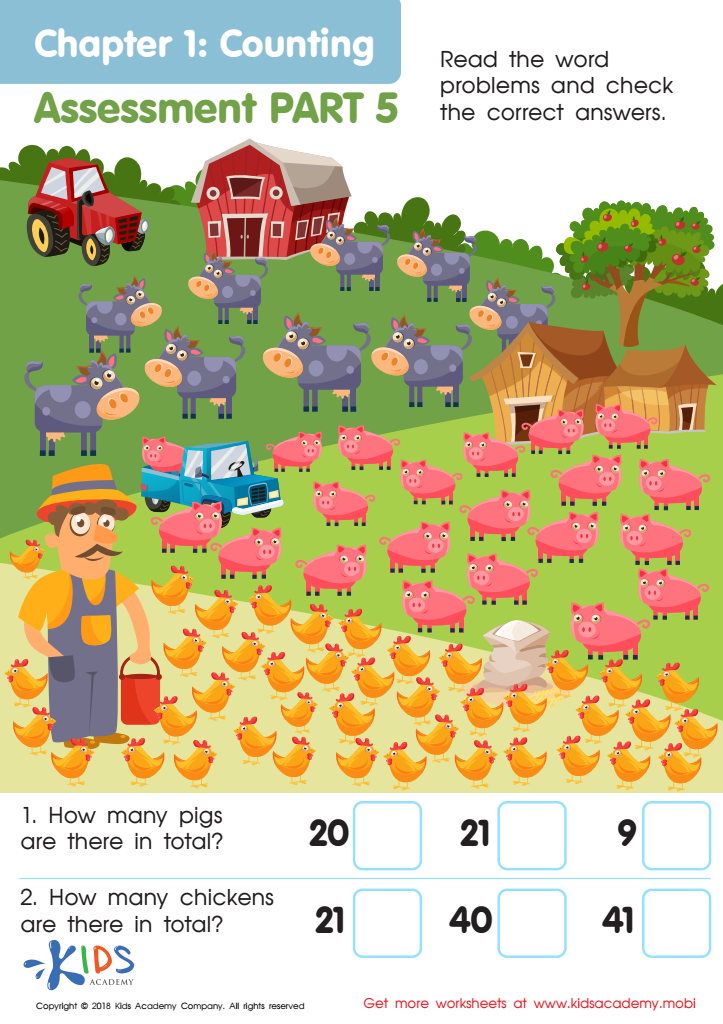
Counting: Assessment 5 Worksheet
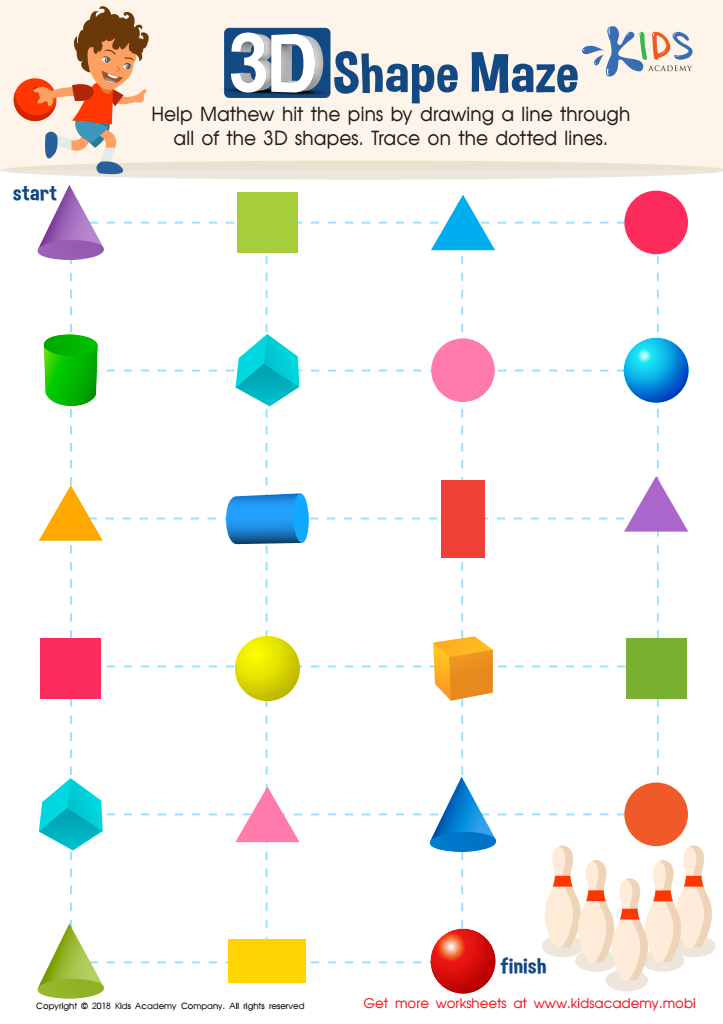
Shapes Maze Geometry Worksheet
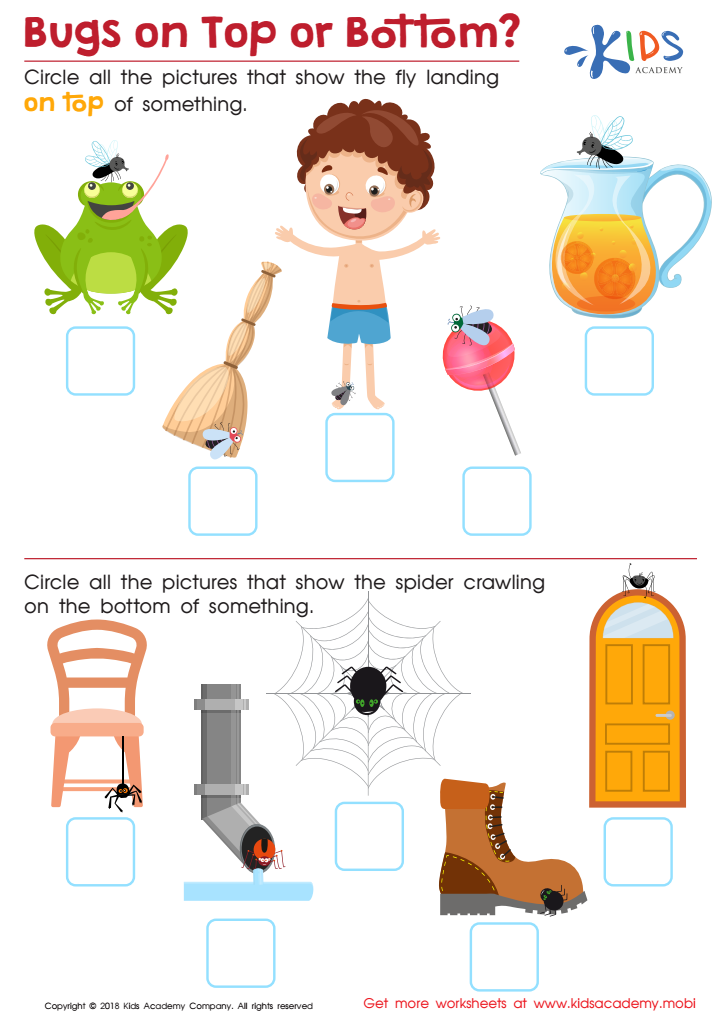
Bugs on Top or Bottom? Worksheet
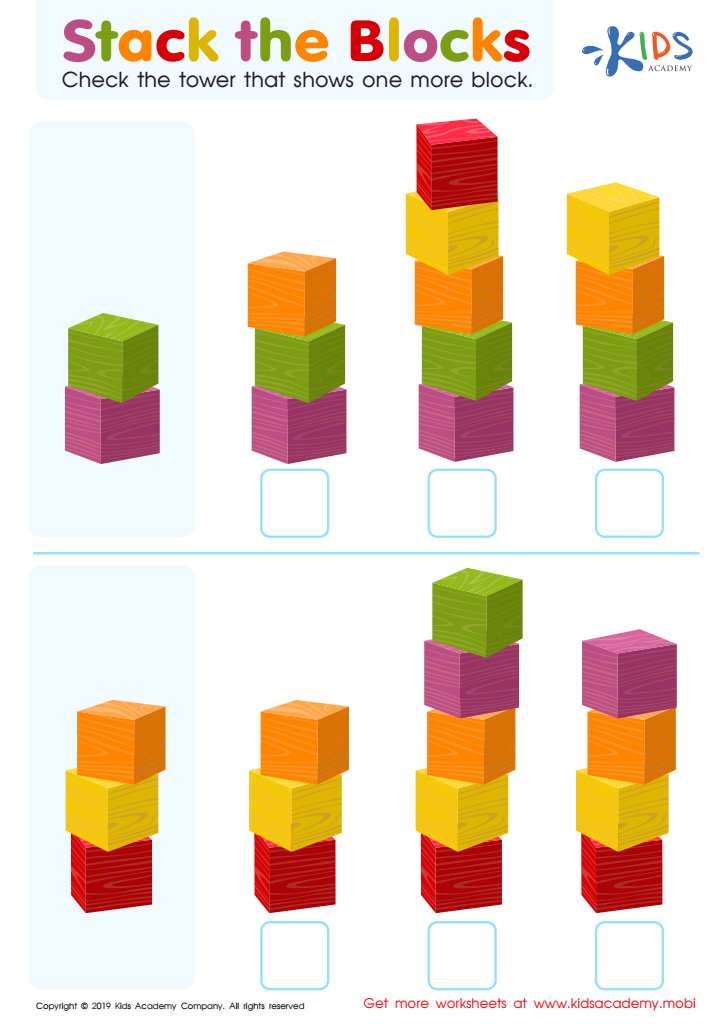
Stack the Blocks Worksheet
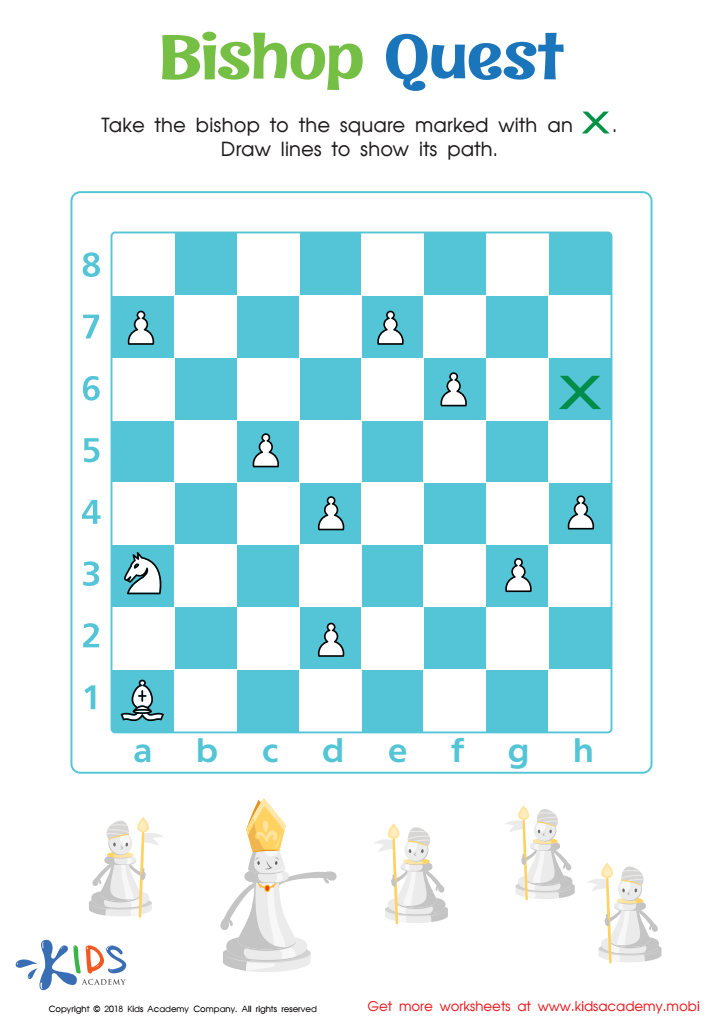
Bishop Quest Worksheet
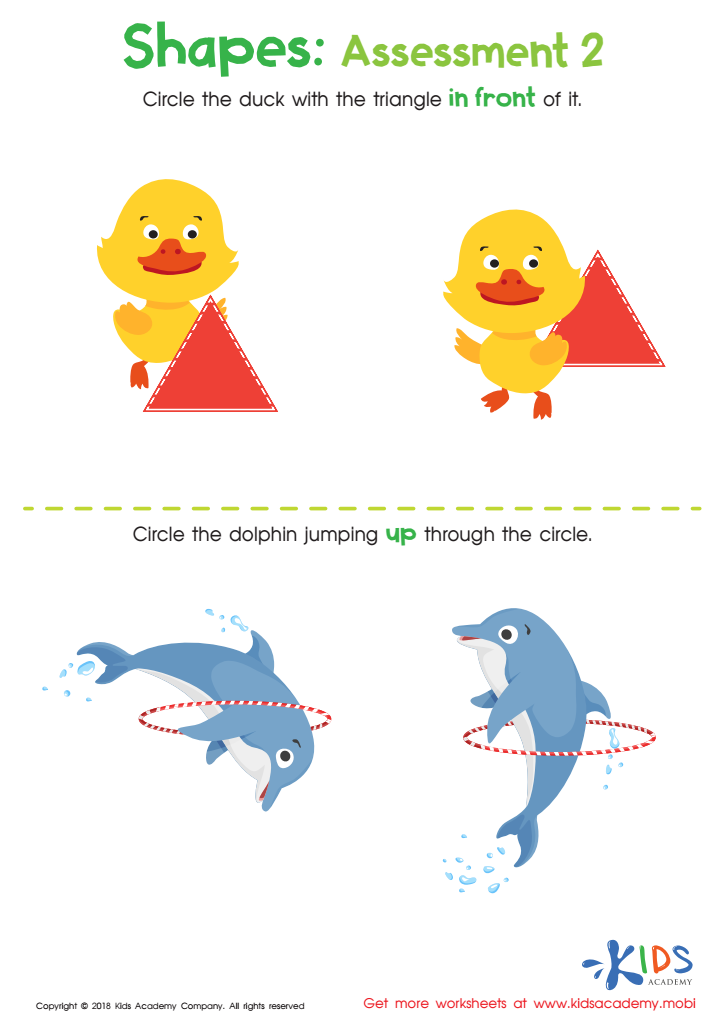
Geometry – Assessment 2 Worksheet
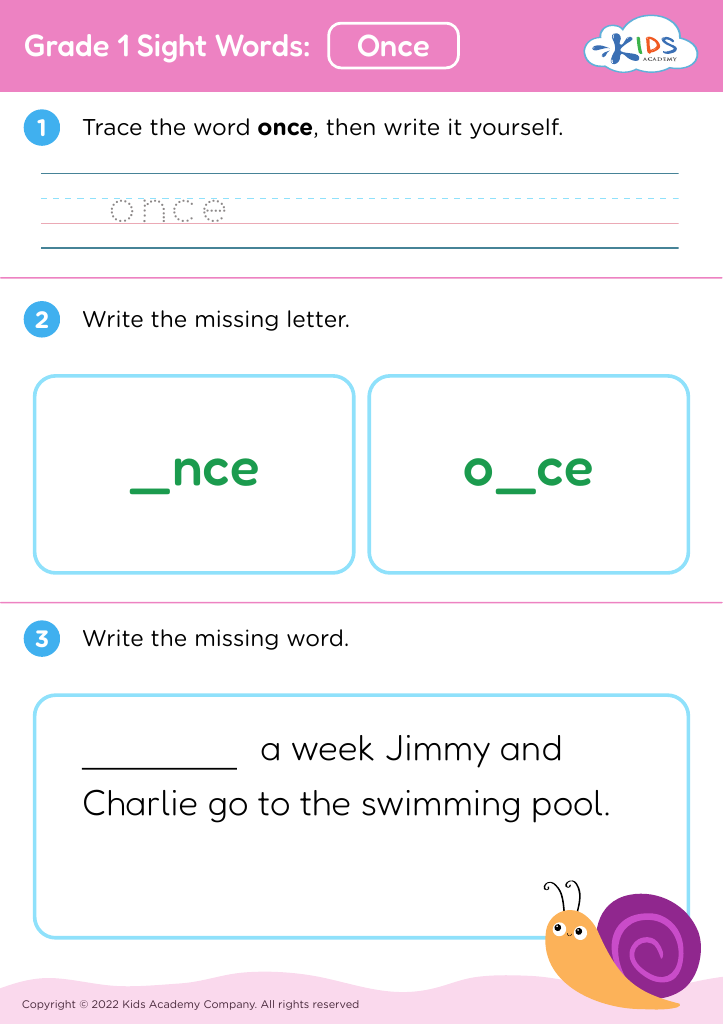





.jpg)

Spatial reasoning is a crucial skill for children aged 3-6, forming the groundwork for essential cognitive abilities in later years. This concept involves understanding and manipulating shapes, sizes, positions, directions, and spatial relationships, fostering problem-solving and critical thinking skills.
Parents and teachers should care about spatial reasoning because it significantly impacts a child's early mathematical understanding, particularly in geometry and measurement. Research indicates that strong spatial skills in early childhood correlate with success in STEM (Science, Technology, Engineering, and Mathematics) disciplines later in life. Engaging children in activities that boost spatial reasoning—like playing with blocks, solving puzzles, and drawing—enhances their ability to visualize and navigate through space, which contributes to effective learning and comprehension.
Additionally, spatial reasoning supports language development and communication. When children describe their spatial experiences, they practice using prepositions and spatial vocabulary, which enriches their linguistic skills. Importantly, fostering spatial reasoning can also increase a child's confidence and enthusiasm for learning, as they find joy in discovering patterns, structures, and organizational methods.
By emphasizing spatial reasoning early on, parents and teachers set the stage for stronger academic performance and cognitive abilities, helping children develop into well-rounded individuals who are better equipped to tackle complex problems and academic challenges.








