Visual recognition Worksheets for Ages 3-6
9 filtered results
-
From - To
Discover our engaging Visual Recognition Worksheets for children aged 3-6! Designed to enhance critical thinking and observational skills, these worksheets introduce young learners to identify, compare, and categorize various shapes, colors, and objects. Each activity fosters creativity and boosts confidence while making learning fun and interactive. Ideal for both classroom and home use, our printable resources support early childhood development with colorful visuals and engaging tasks that hold children's attention. Perfect for developing essential visual literacy skills, these worksheets empower kids to explore the world around them. Start your child's learning journey today with our exciting visual recognition worksheets!
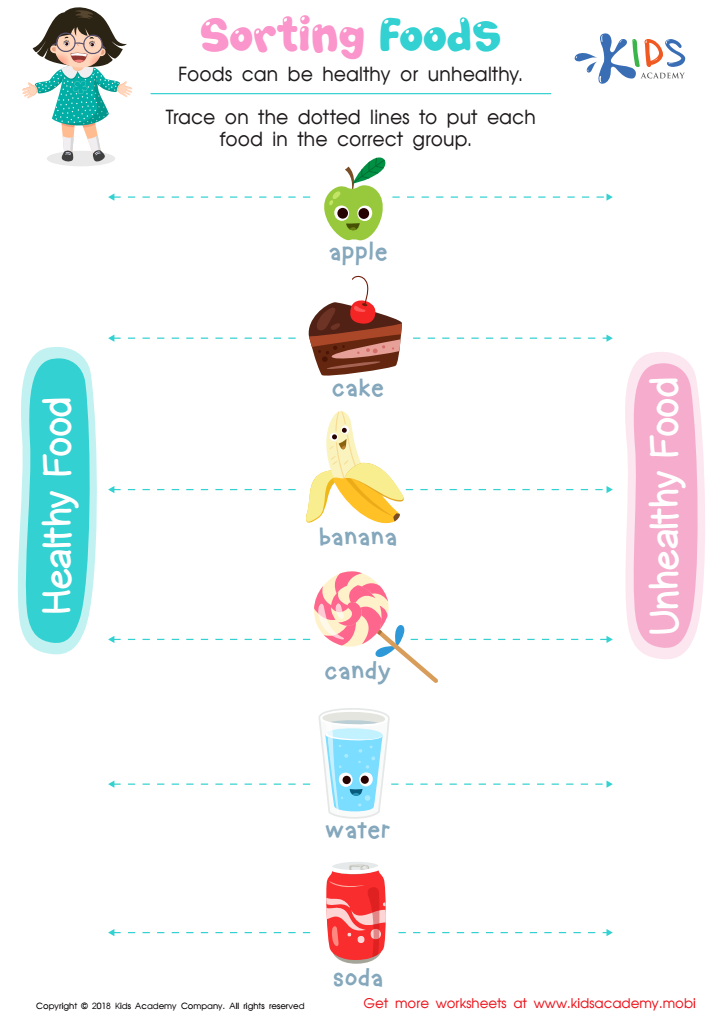
Sorting Food Worksheet
 Assign to My Students
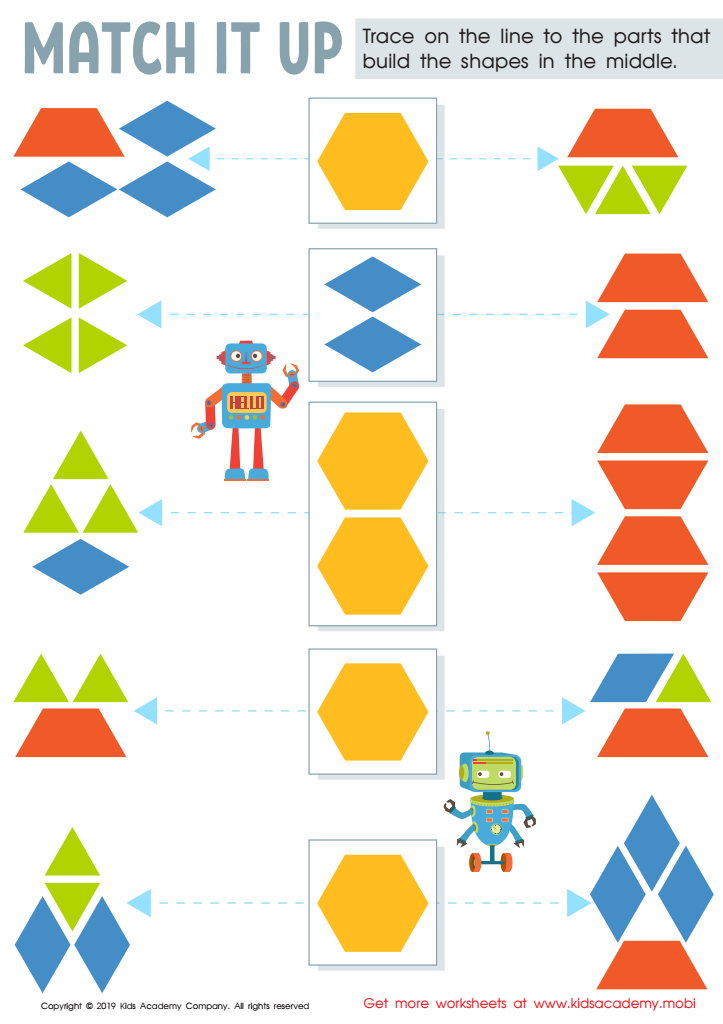
Match It up Worksheet
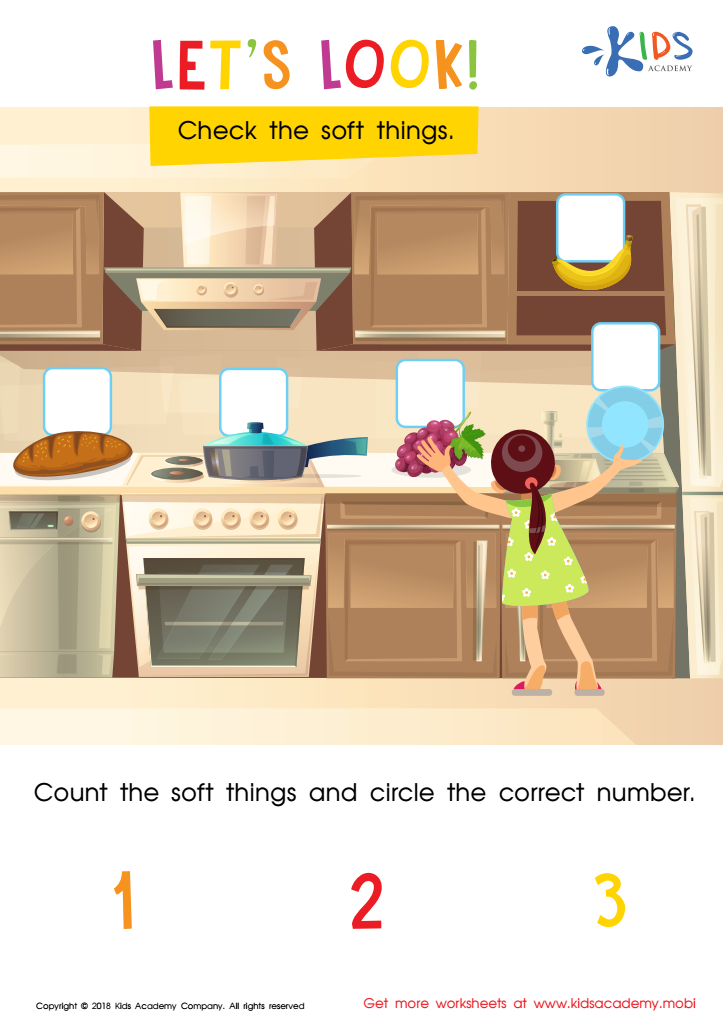
Let's Look! Assessment Worksheet
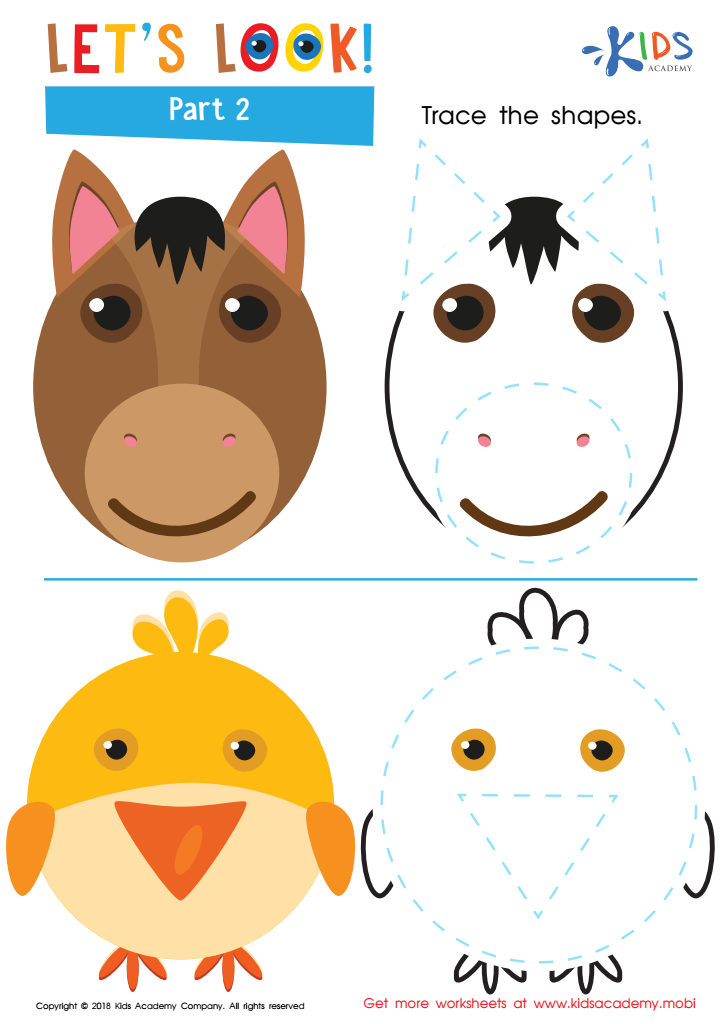
Let's Look! Part 2 Worksheet
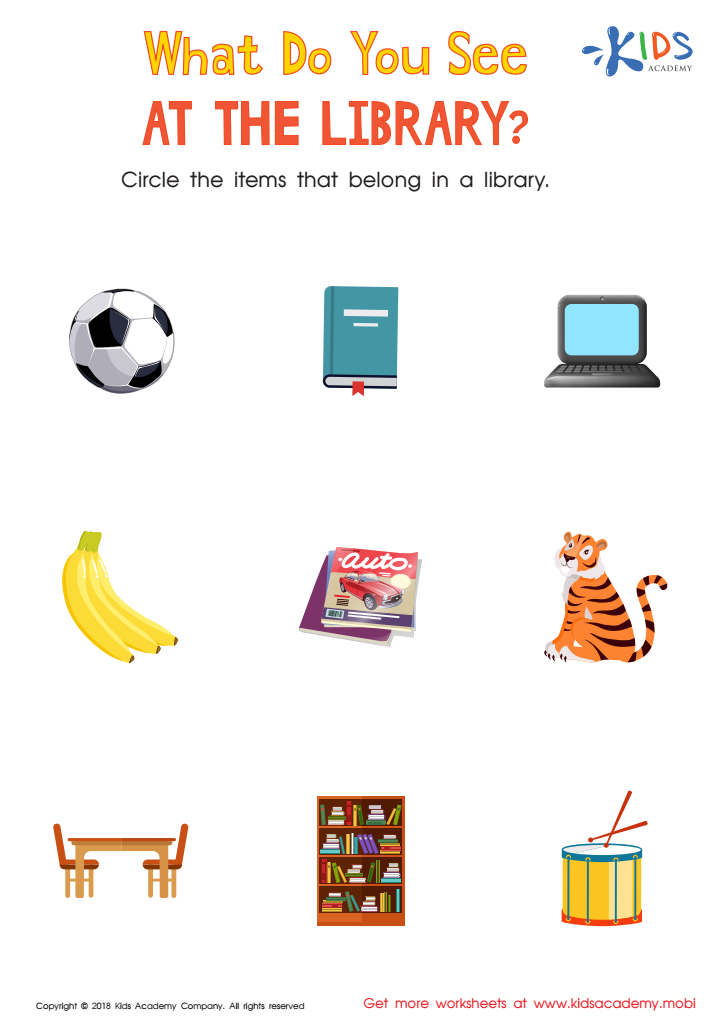
What Do you See at the Library? Worksheet
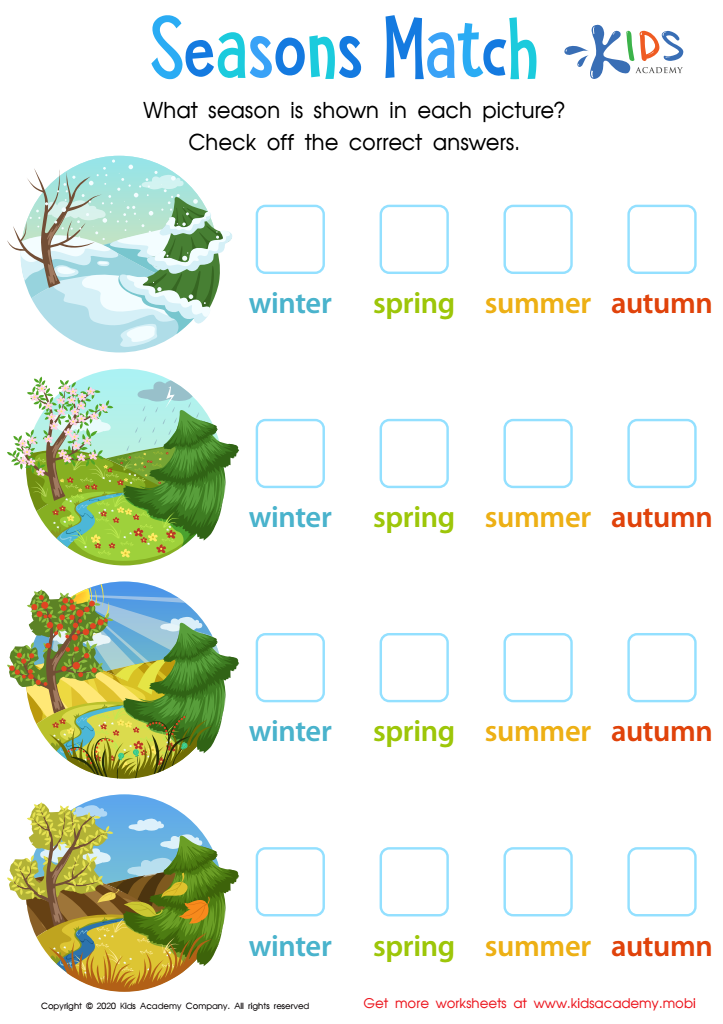
Seasons Match Worksheet
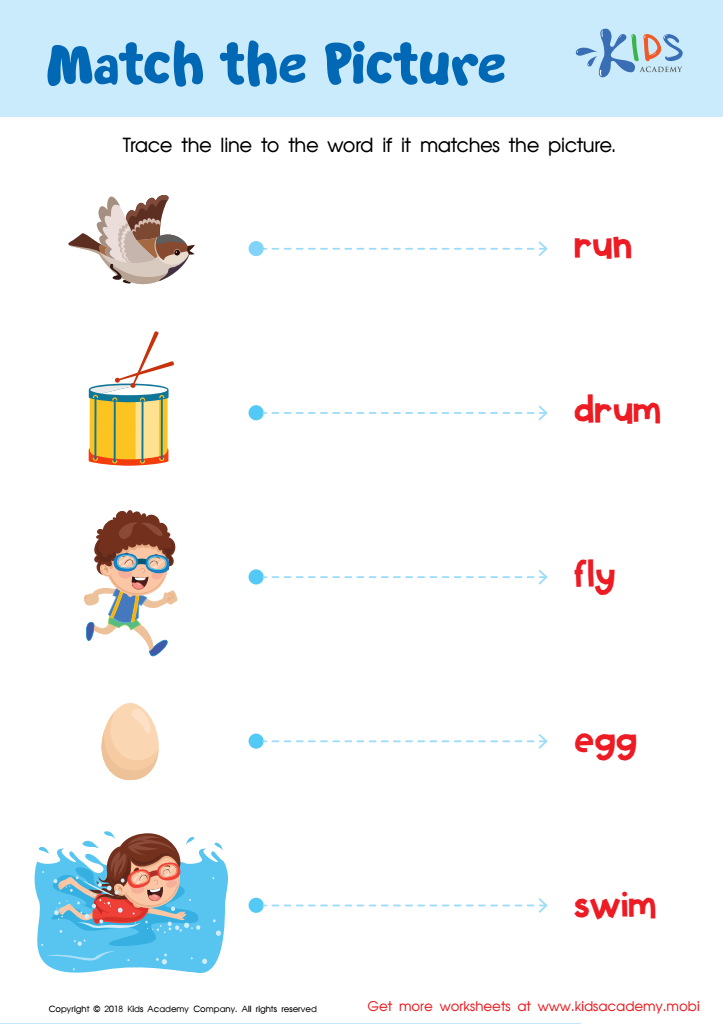
Match the Picture Worksheet
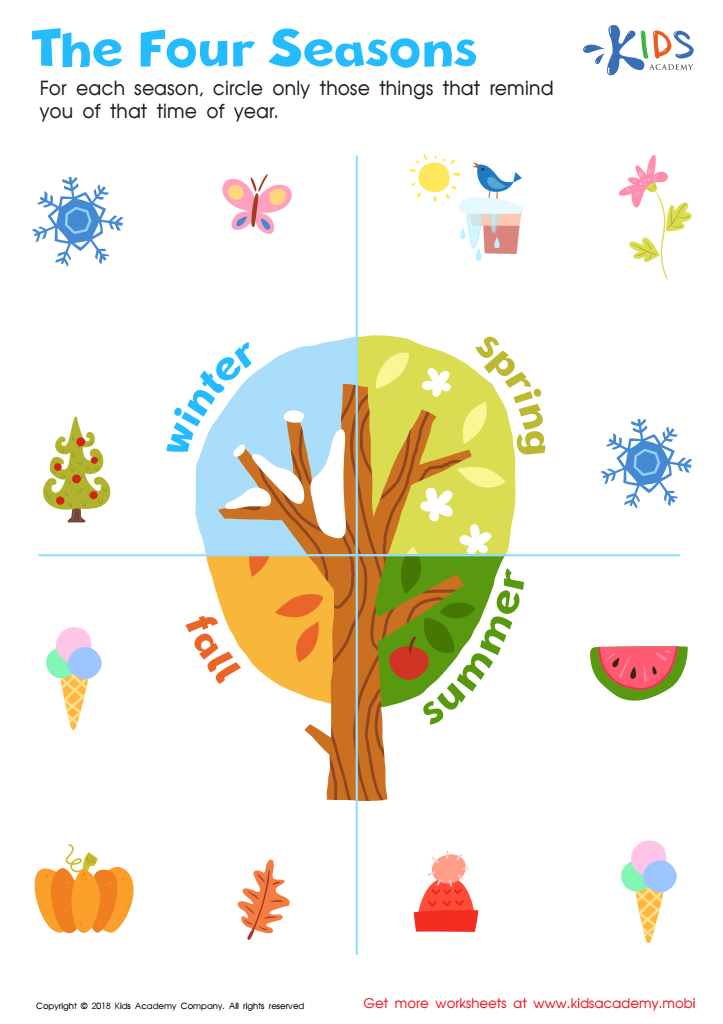
The Four Seasons Worksheet
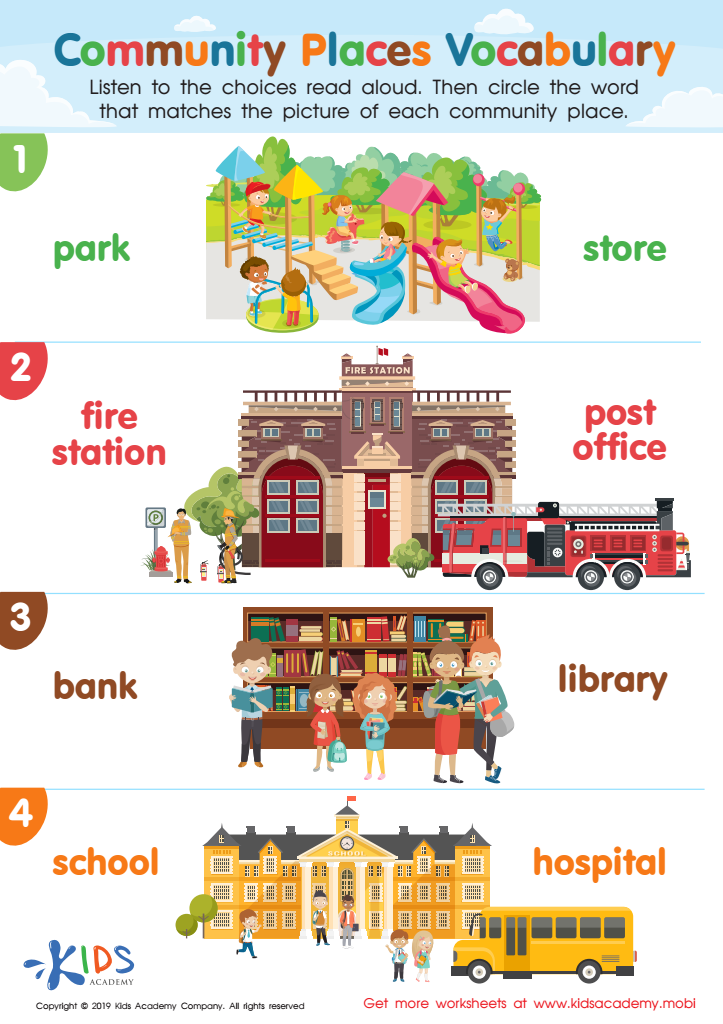
Community Places Vocabulary Worksheet







Visual recognition is a crucial aspect of early childhood development, particularly for children ages 3-6. During these formative years, children are developing foundational cognitive skills, and visual recognition plays a significant role in this process. Teachers and parents should care about enhancing visual recognition for several reasons.
Firstly, visual recognition supports literacy development. By recognizing letters, shapes, and colors, children build essential pre-reading skills, enabling them to decode words and understand symbols. Secondly, it aids in mathematical understanding as children learn to identify patterns and quantities, which are fundamental to early math concepts.
Moreover, visual recognition enhances critical thinking and problem-solving skills. When children can analyze and interpret visual information, they become more adept at making decisions and understanding their surroundings. Additionally, fostering visual skills helps improve memory and attention, both integral to academic success.
Promoting visual recognition also involves enjoyable activities such as games, puzzles, and storybooks, making learning engaging and interactive. For parents and teachers, encouraging visually stimulating tasks not only nurtures essential skills but also strengthens the child’s confidence and curiosity about the world around them. Overall, supporting visual recognition is a vital investment in a child’s cognitive, emotional, and social development.








