Visual-spatial skills Worksheets for Ages 3-6
3 filtered results
-
From - To
Improve your child's visual-spatial skills with our engaging worksheets designed for ages 3-6! Our carefully curated activities promote spatial awareness, pattern recognition, and problem-solving abilities. Each worksheet features colorful illustrations and fun exercises that encourage kids to explore concepts like shapes, directions, and positioning in a playful manner. As children complete these worksheets, they enhance their cognitive development and prepare for future learning. Perfect for at-home practice or classroom use, our visual-spatial skills worksheets provide endless opportunities for creativity and growth. Start nurturing your child’s essential skills today with our expertly designed resources.
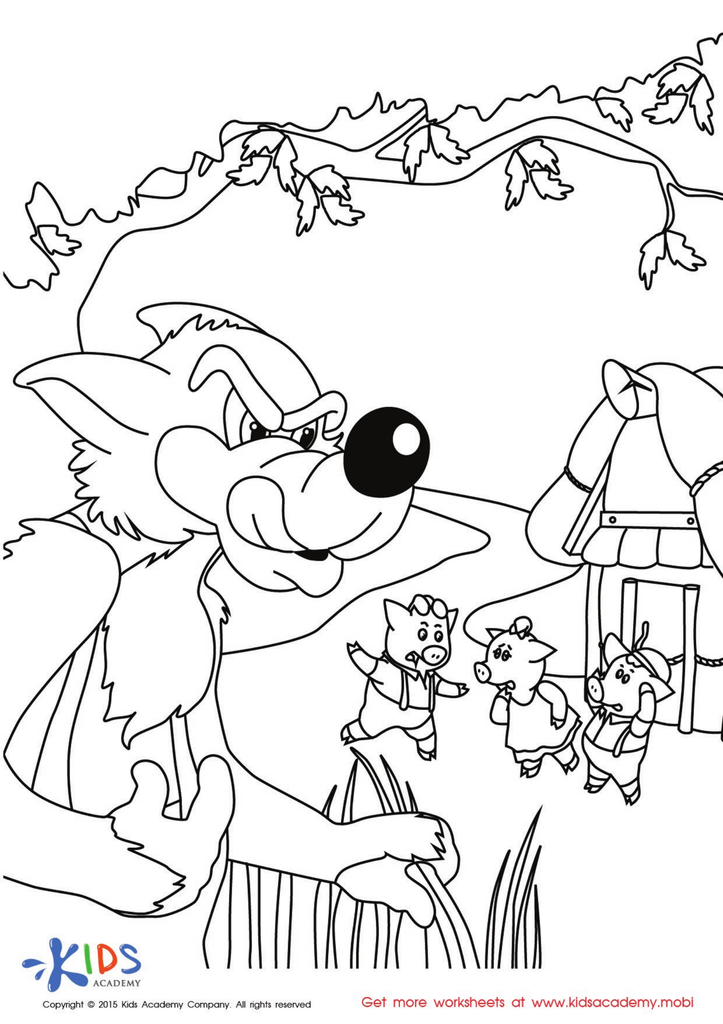
The Story of the Three Little Pigs Coloring Worksheet
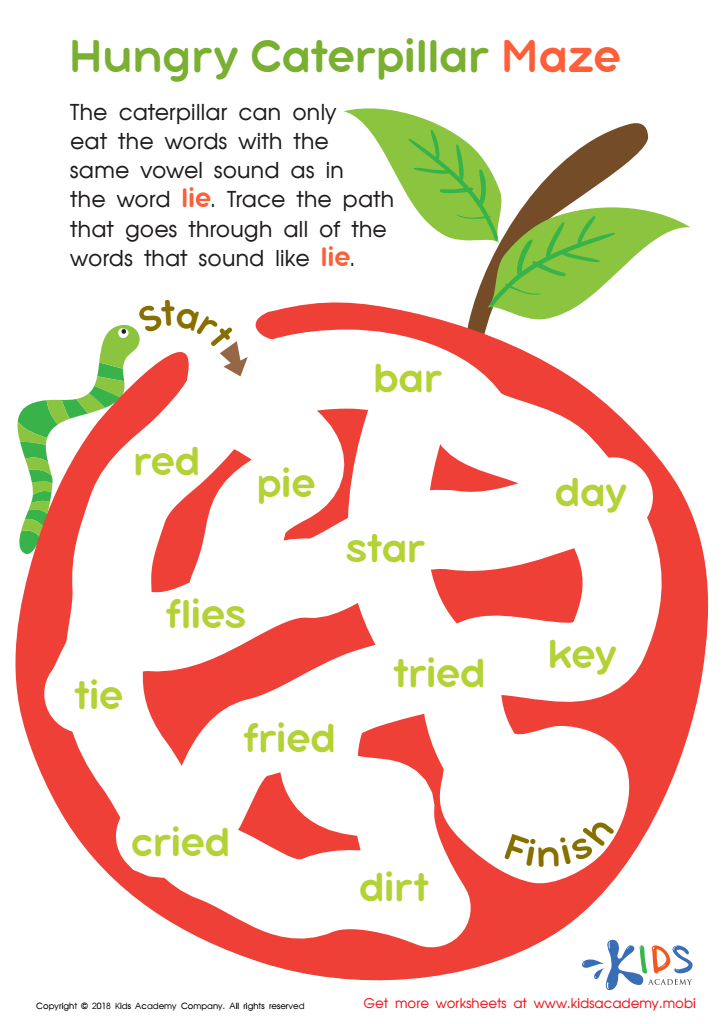
Hungry Caterpillar Maze Worksheet
 Assign to My Students








Visual-spatial skills are crucial for children's overall development, particularly for those aged 3-6, as they form the foundation for essential learning processes. These skills enable children to understand how different objects relate to each other in space, leading to improved problem-solving abilities and cognitive development. For parents and teachers, nurturing visual-spatial skills is vital since these abilities impact various areas, including mathematics, literacy, and even everyday tasks.
At this developmental stage, kids engage in activities that enhance their spatial awareness, such as puzzles, building blocks, and drawing. These activities not only foster creativity but also reinforce critical thinking and fine motor skills. Moreover, strong visual-spatial skills lay the groundwork for future learning in STEM subjects (science, technology, engineering, and math), which are increasingly important in today’s educational landscape.
Moreover, they contribute to a child's self-confidence, as mastery of spatial concepts often translates into successful interactions with the environment and peers. In essence, parents and teachers must prioritize visual-spatial development in early education, ensuring that children are equipped with the essential skills needed for both academic success and daily life.








