Basic geometry knowledge 2D Shapes Worksheets for Ages 3-6
3 filtered results
-
From - To
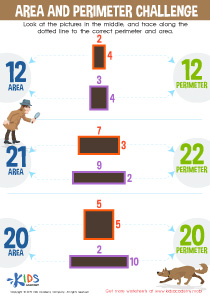
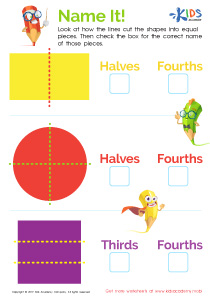
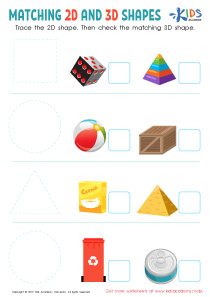
Explore our collection of Basic Geometry Knowledge 2D Shapes worksheets designed for children aged 3-6. These engaging worksheets introduce young learners to fundamental concepts of geometry through fun and interactive activities. They will recognize, name, and categorize various 2D shapes while enhancing their fine motor skills and visual discrimination. Each worksheet promotes creativity and critical thinking, ensuring children grasp essential math skills in a playful manner. Perfect for parents and educators, our resources support early childhood learning at home or in the classroom. Give your child a head start in geometry with our exciting and educational worksheets today!
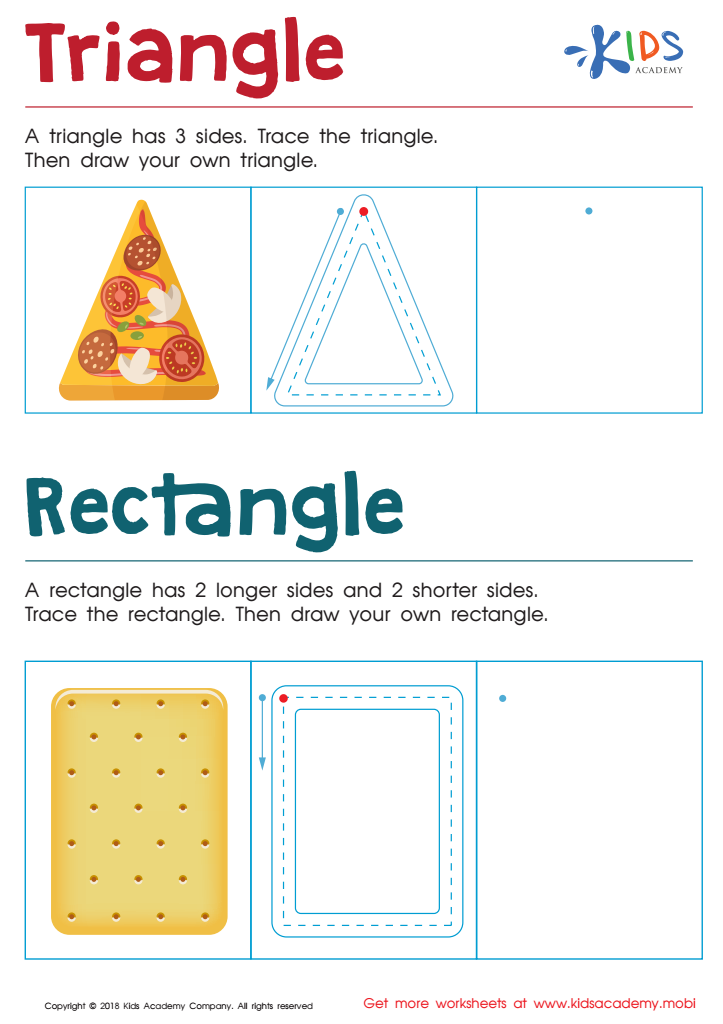
Triangle Rectangle Worksheet
 Assign to My Students


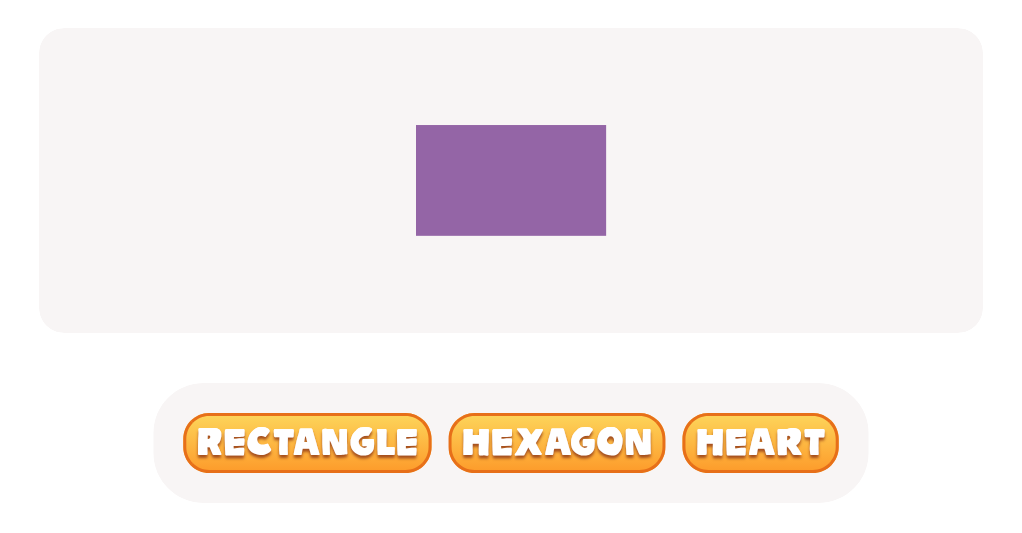

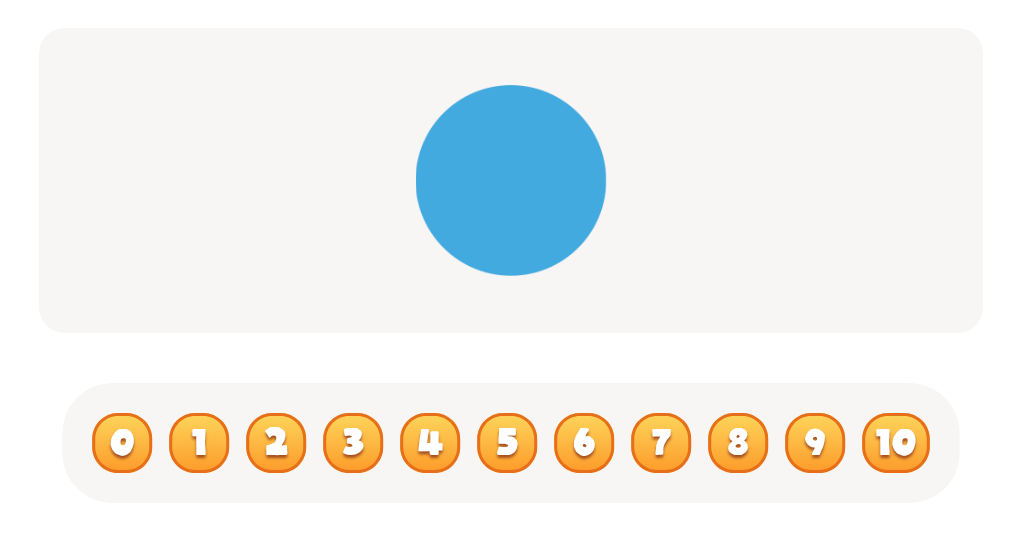
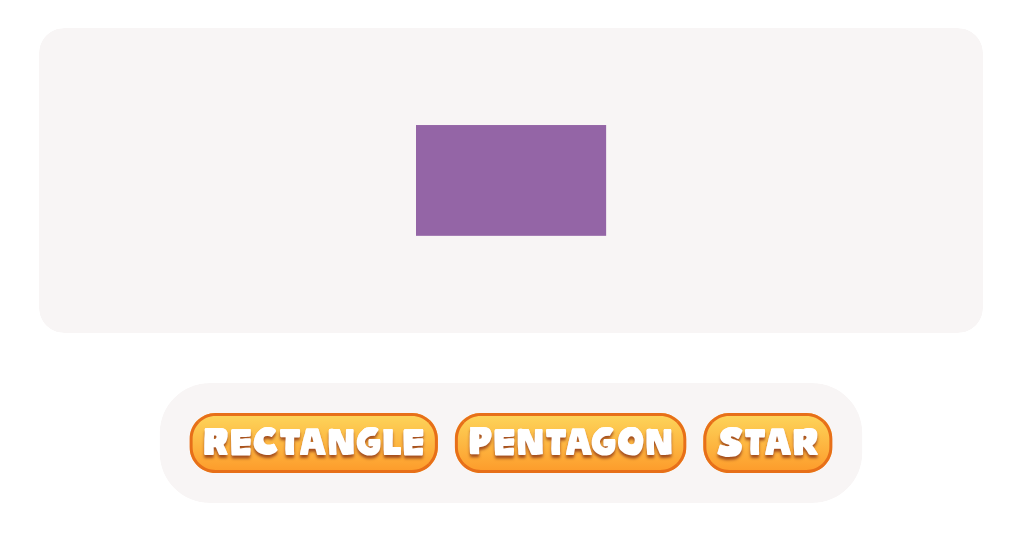
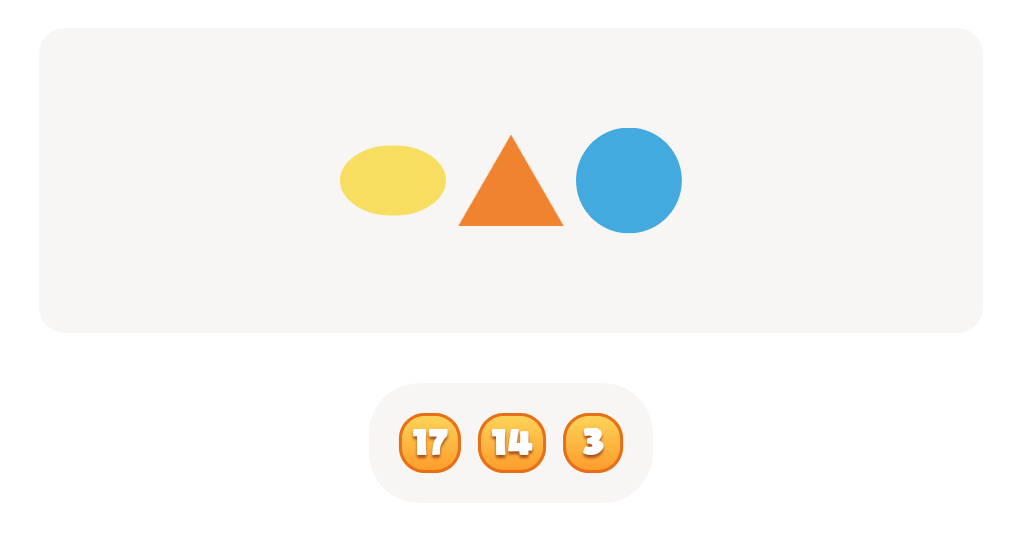
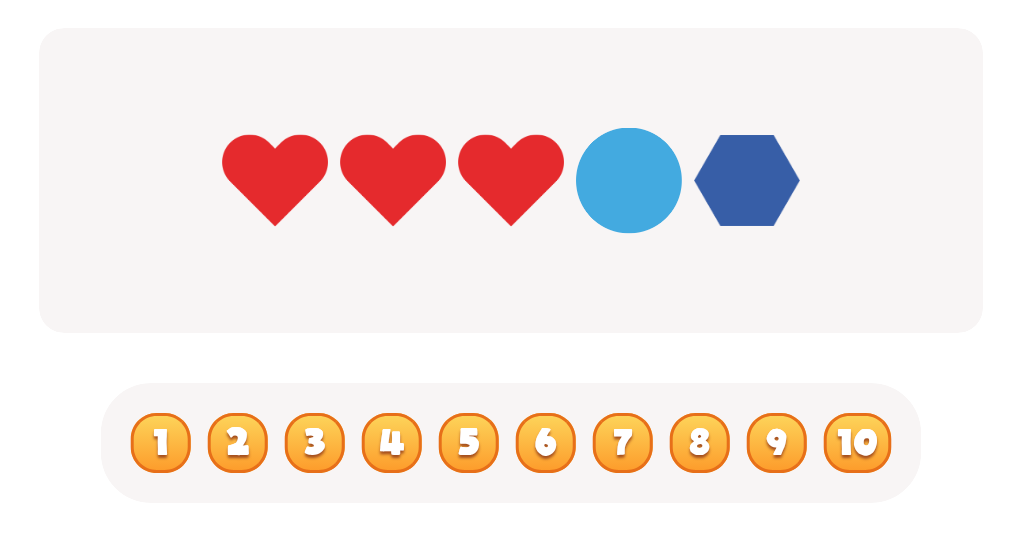
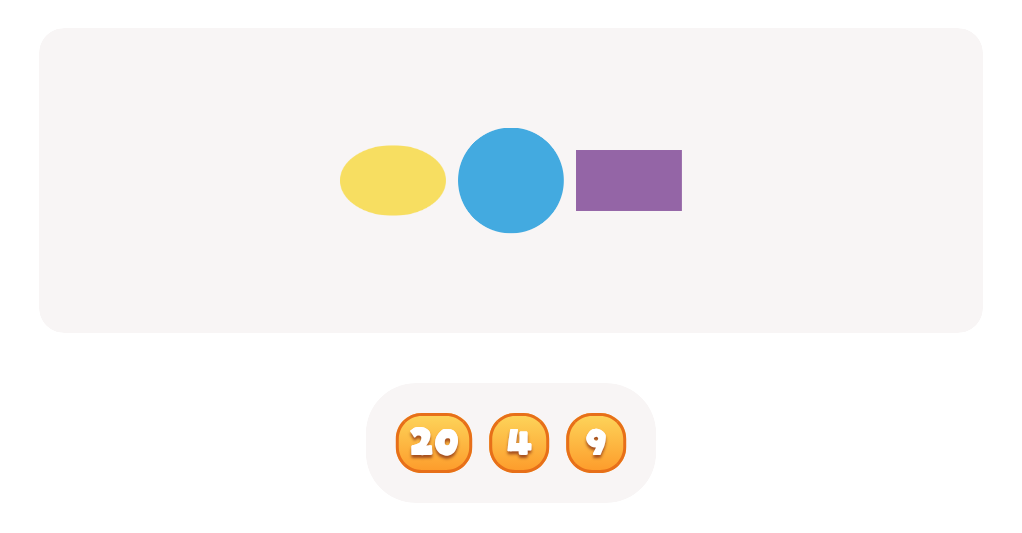
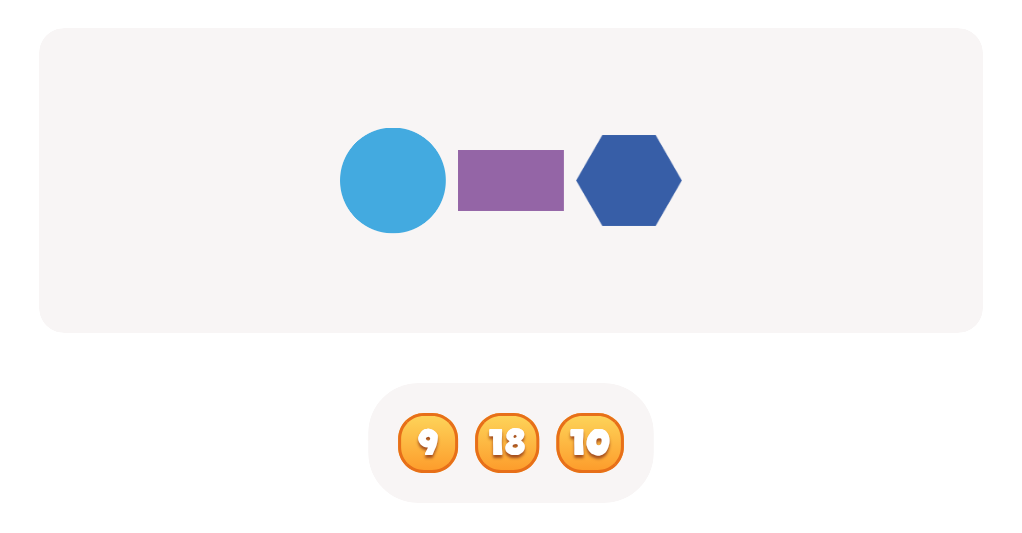
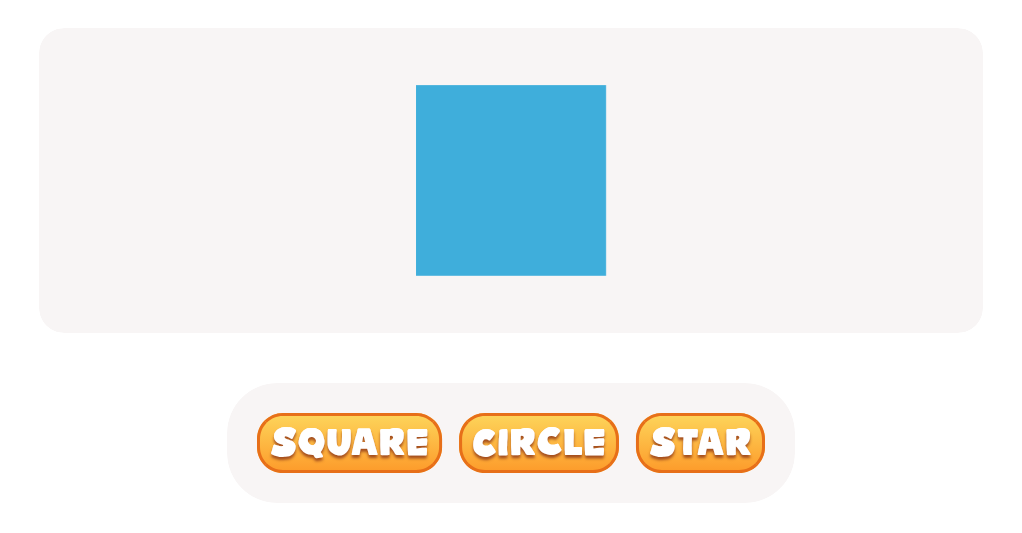
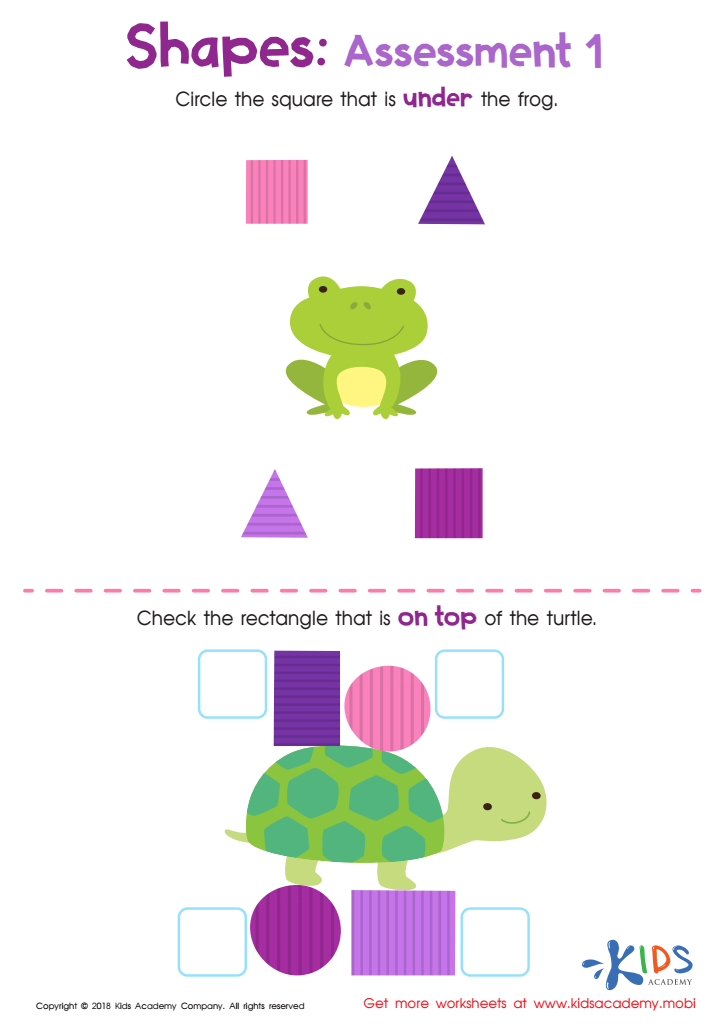
Geometry – Assessment 1 Worksheet
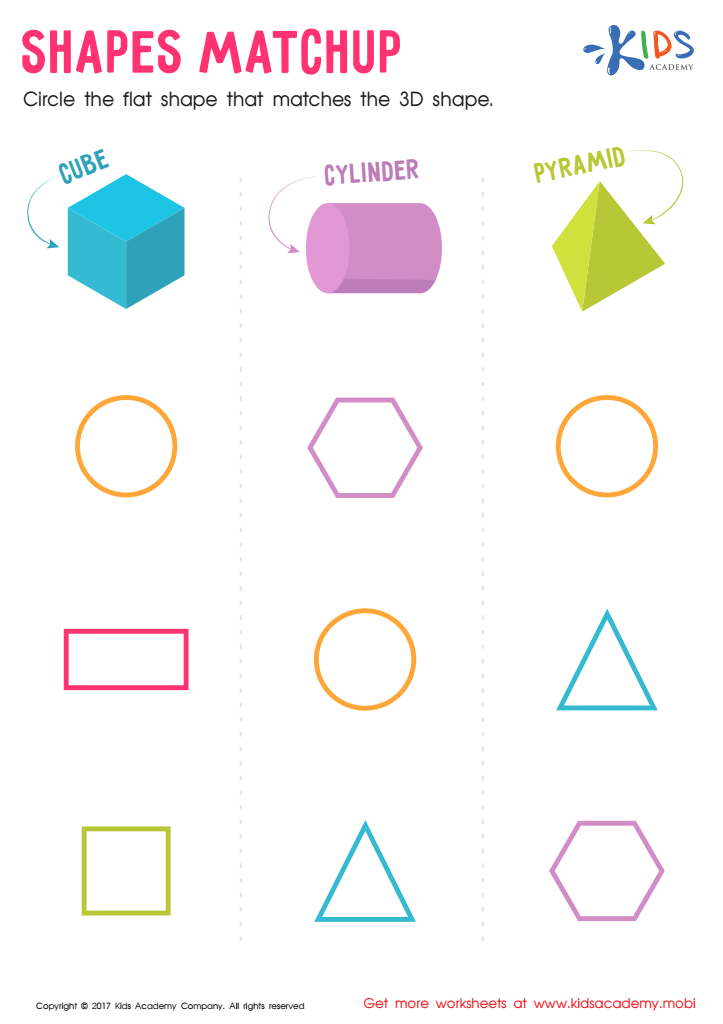
Shapes Matchup Worksheet








Basic geometry knowledge, particularly understanding 2D shapes, is crucial for children aged 3 to 6 as it lays the foundation for essential cognitive and academic skills. During these early years, children are naturally curious and eager to explore their environment. Familiarizing them with basic shapes such as circles, squares, triangles, and rectangles not only enhances their visual perception but also promotes spatial awareness. Recognizing and naming shapes help children make sense of the world around them by connecting concrete objects to abstract concepts.
Additionally, learning 2D shapes fosters critical thinking and problem-solving skills. Children learn to classify and sort objects, which are fundamental skills in mathematics. Engaging with shapes encourages creativity and imagination, often showcased in art and play activities. These skills are vital for confidence and competence in early math, establishing a positive attitude towards learning.
Moreover, conversations around shapes can enrich language development, as children learn specific vocabulary associated with geometry. Ultimately, if parents and teachers emphasize the importance of geometric knowledge in these formative years, children are better prepared for future academic success and are well-equipped to tackle more complex mathematical concepts as they progress in their education.