Filters

45 filtered results

Clear all filters
Favorites
With answer key
Interactive

45 filtered results

Difficulty Level

Grade


Check out this FREE Trial Lesson on Adding in the Sea for age 3-6!

A

Favorites
With answer key
Interactive
  • 3-6
  • Counting practice
  • Adding in the Sea
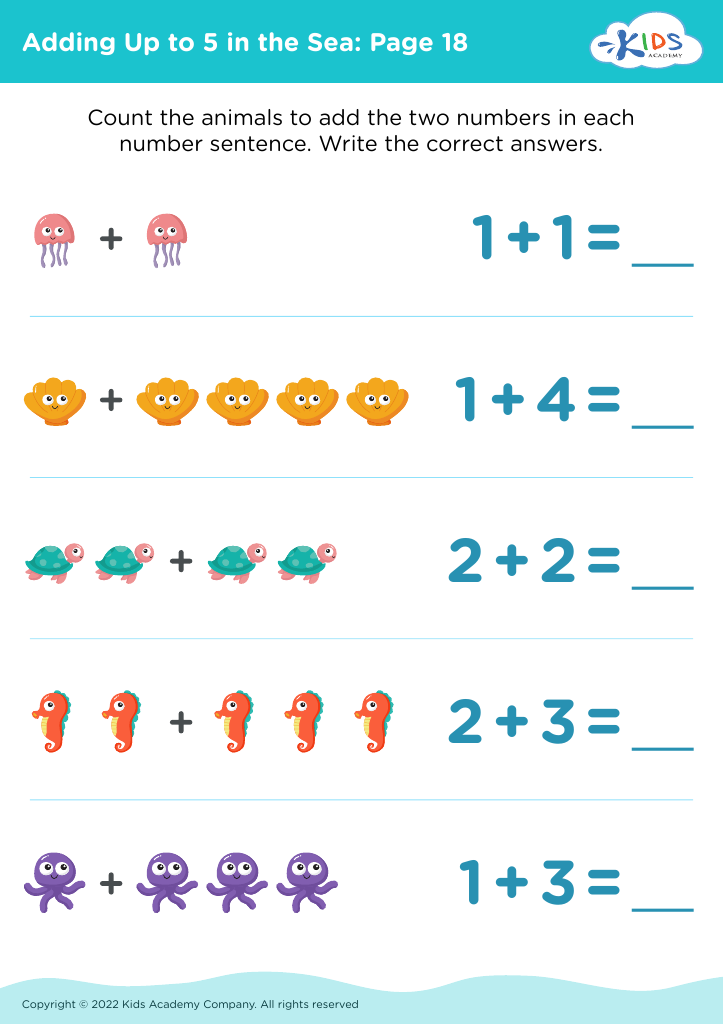
Adding Up to 5 in the Sea: Page 18
Worksheet
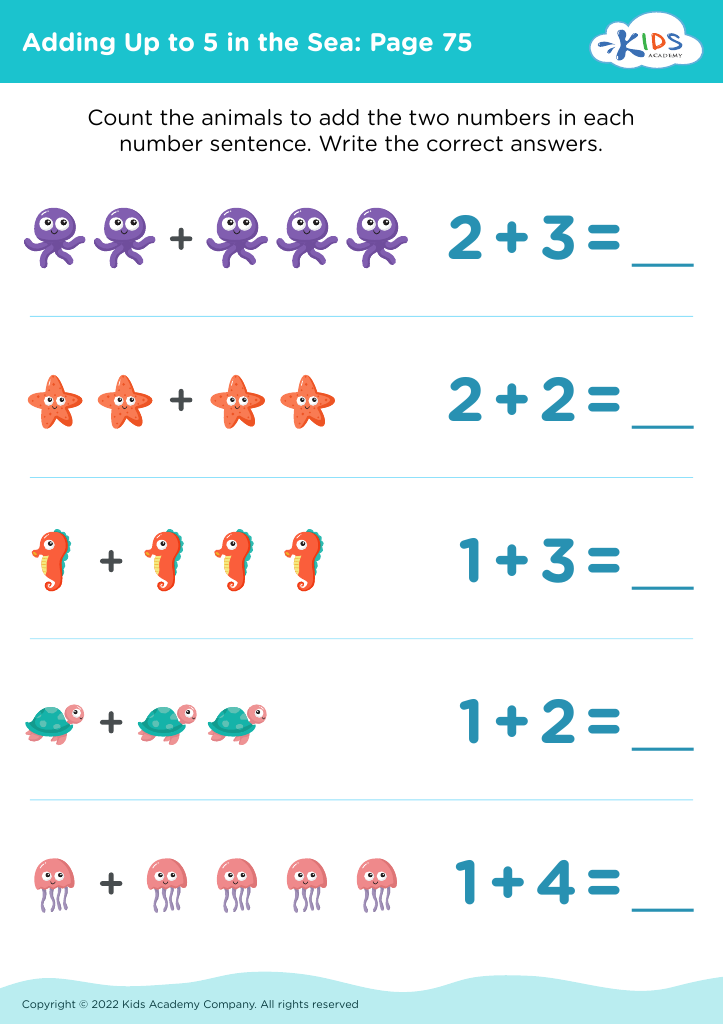
Adding Up to 5 in the Sea: Page 75
Worksheet
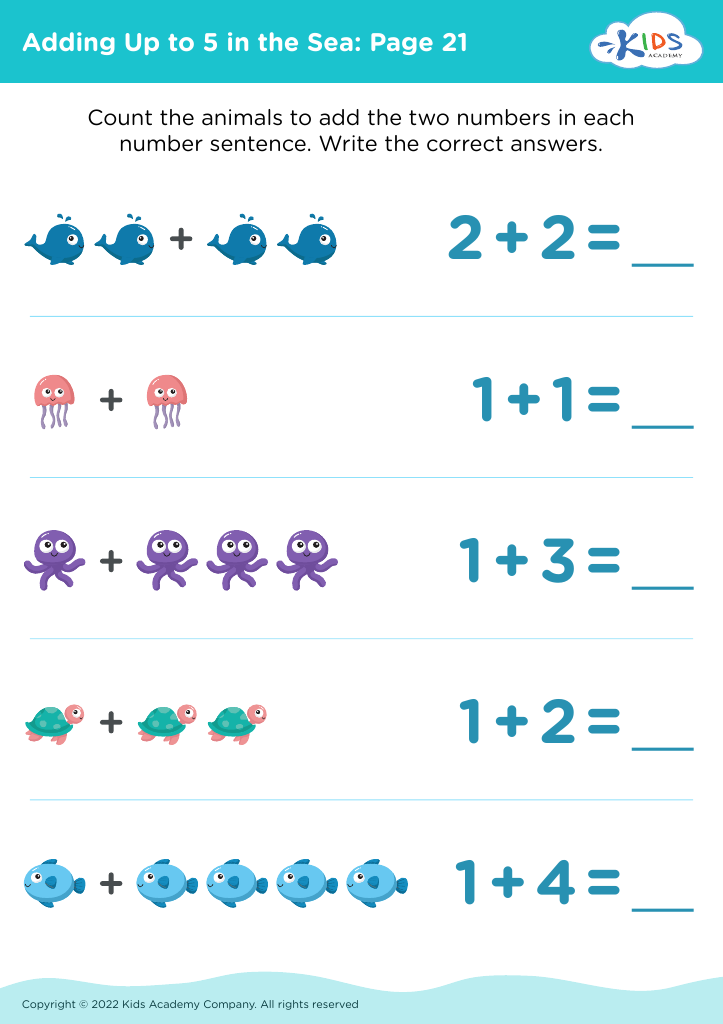
Adding Up to 5 in the Sea: Page 21
Worksheet
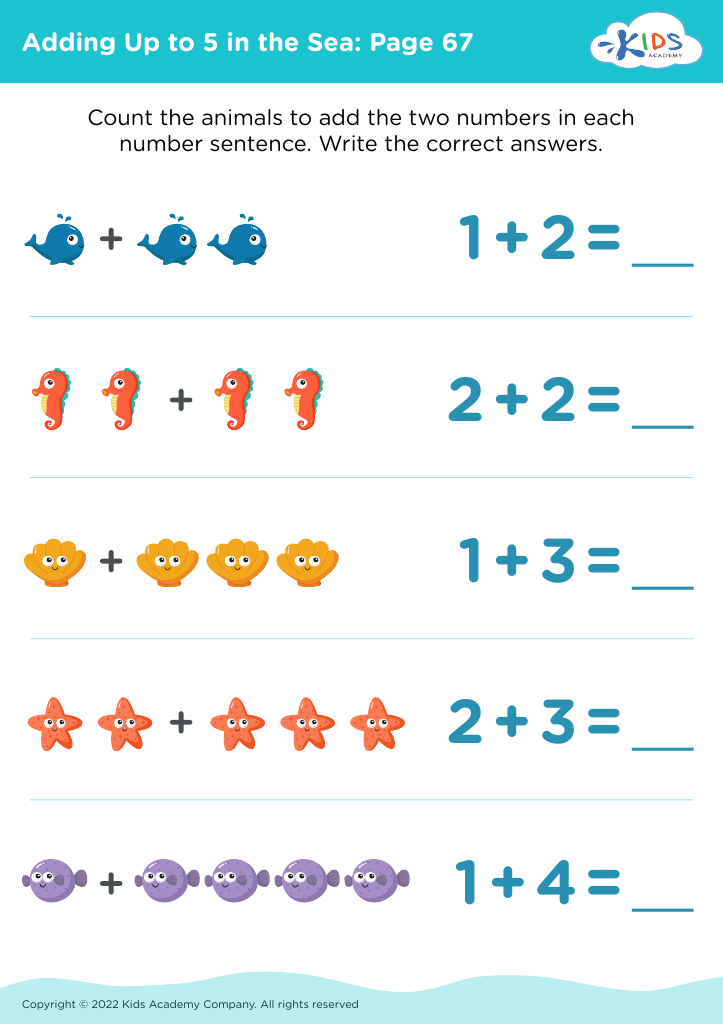
Adding Up to 5 in the Sea: Page 67
Worksheet
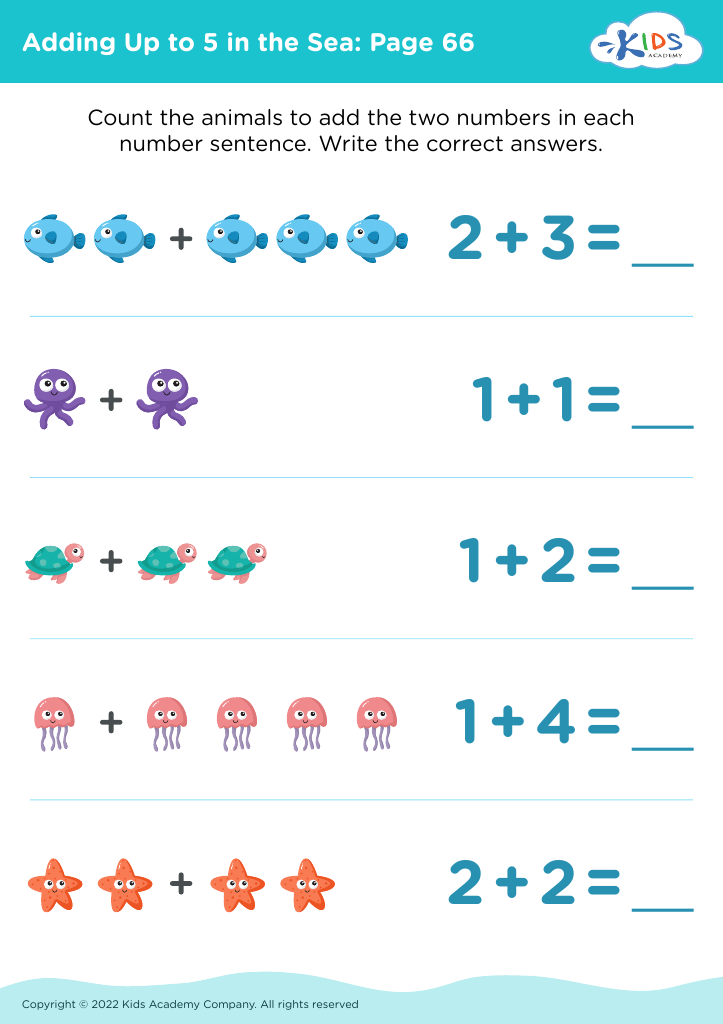
Adding Up to 5 in the Sea: Page 66
Worksheet
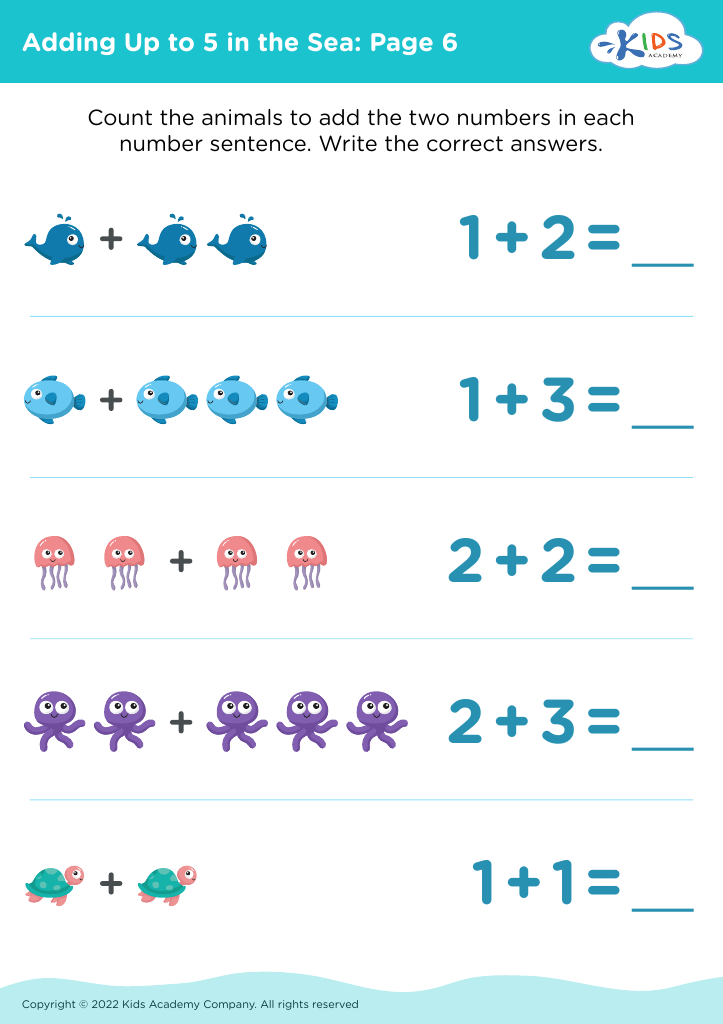
Adding Up to 5 in the Sea: Page 6

Adding Up to 5 in the Sea: Page 6

Adding Up to 5 in the Sea: Page 6
Worksheet
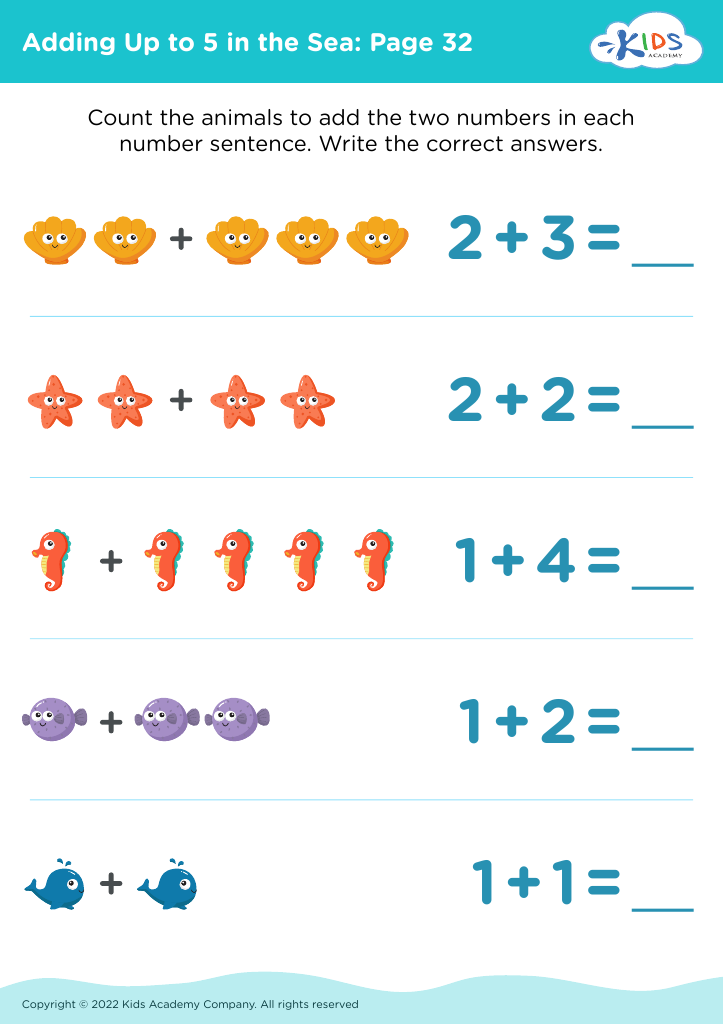
Adding Up to 5 in the Sea: Page 32
Worksheet
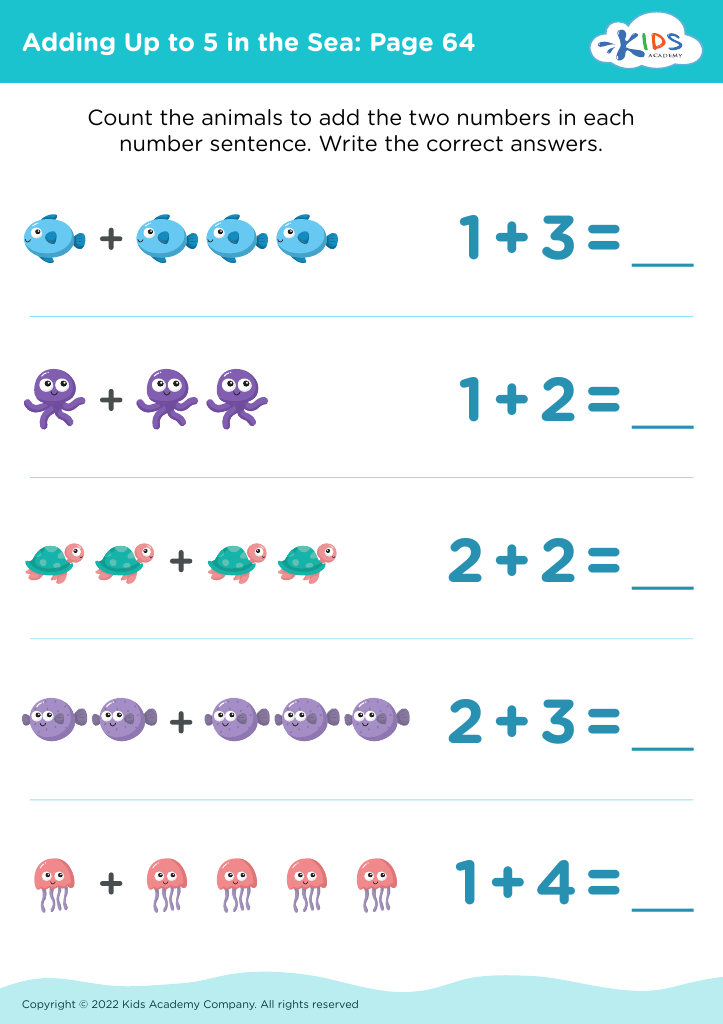
Adding Up to 5 in the Sea: Page 64
Worksheet
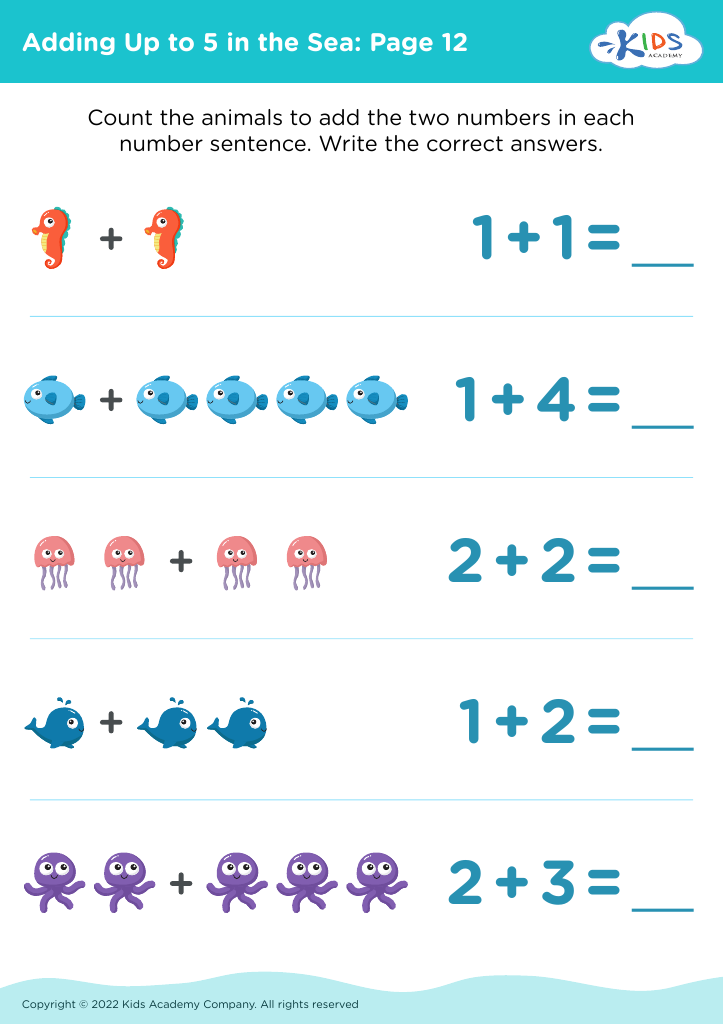
Adding Up to 5 in the Sea: Page 12
Worksheet
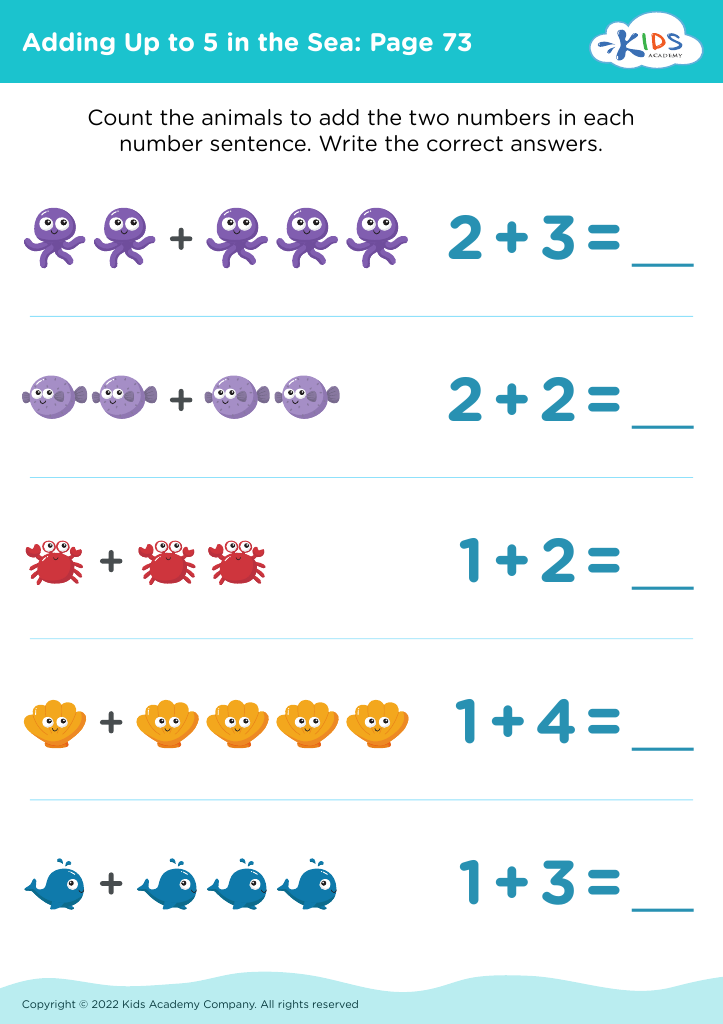
Adding Up to 5 in the Sea: Page 73
Worksheet
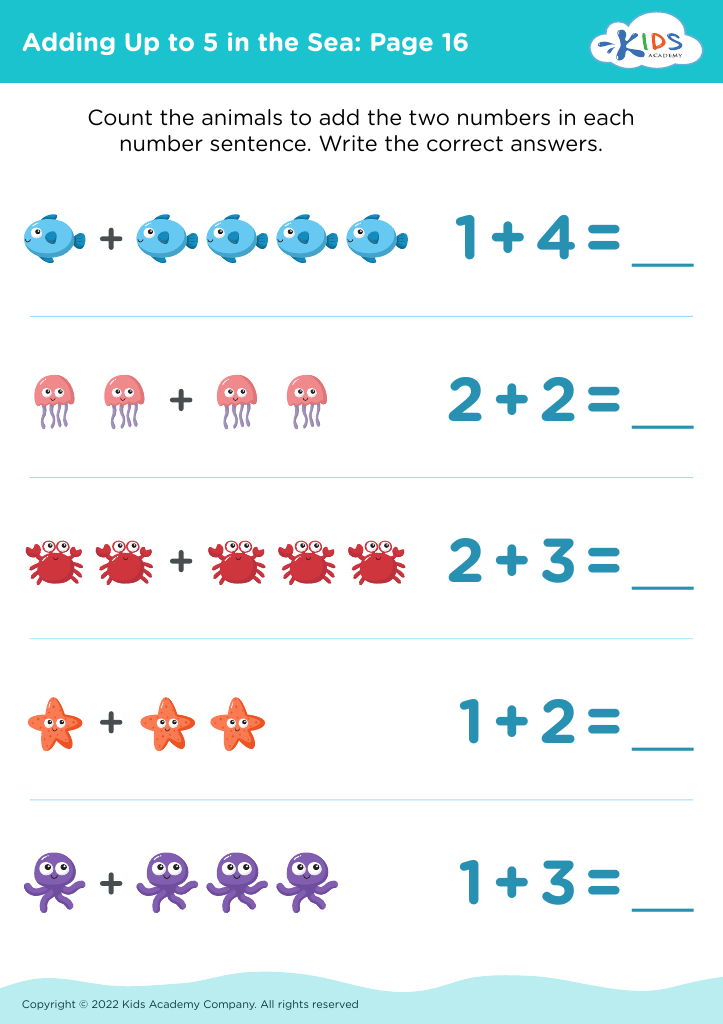
Adding Up to 5 in the Sea: Page 16
Worksheet
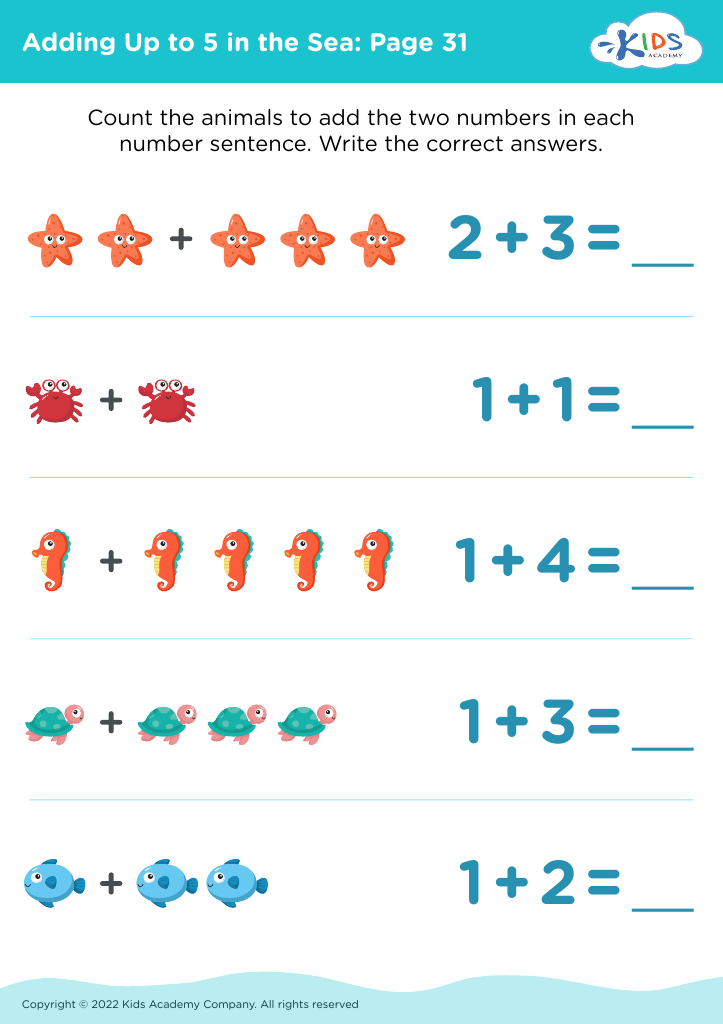
Adding Up to 5 in the Sea: Page 31
Worksheet
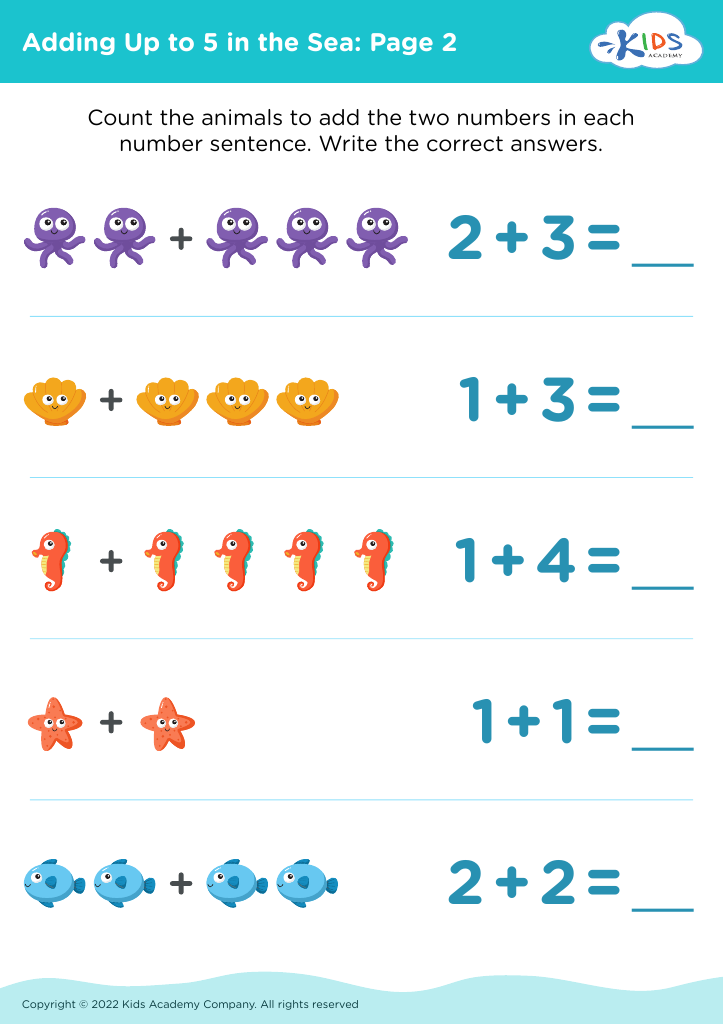
Adding Up to 5 in the Sea: Page 2

Adding Up to 5 in the Sea: Page 2

Adding Up to 5 in the Sea: Page 2
Worksheet
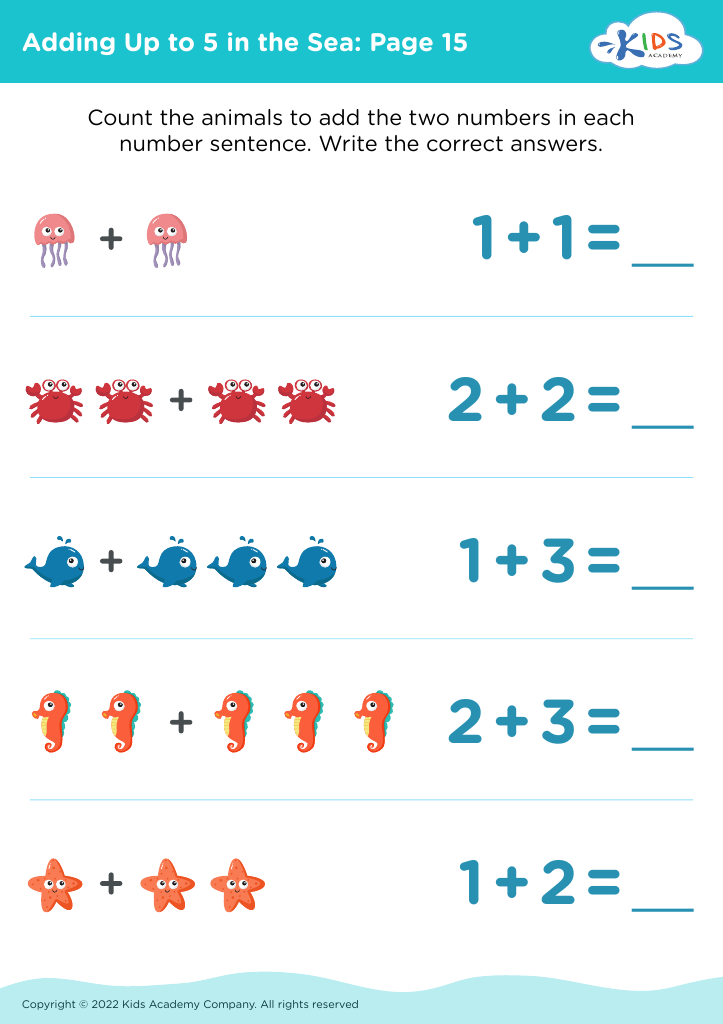
Adding Up to 5 in the Sea: Page 15
Worksheet
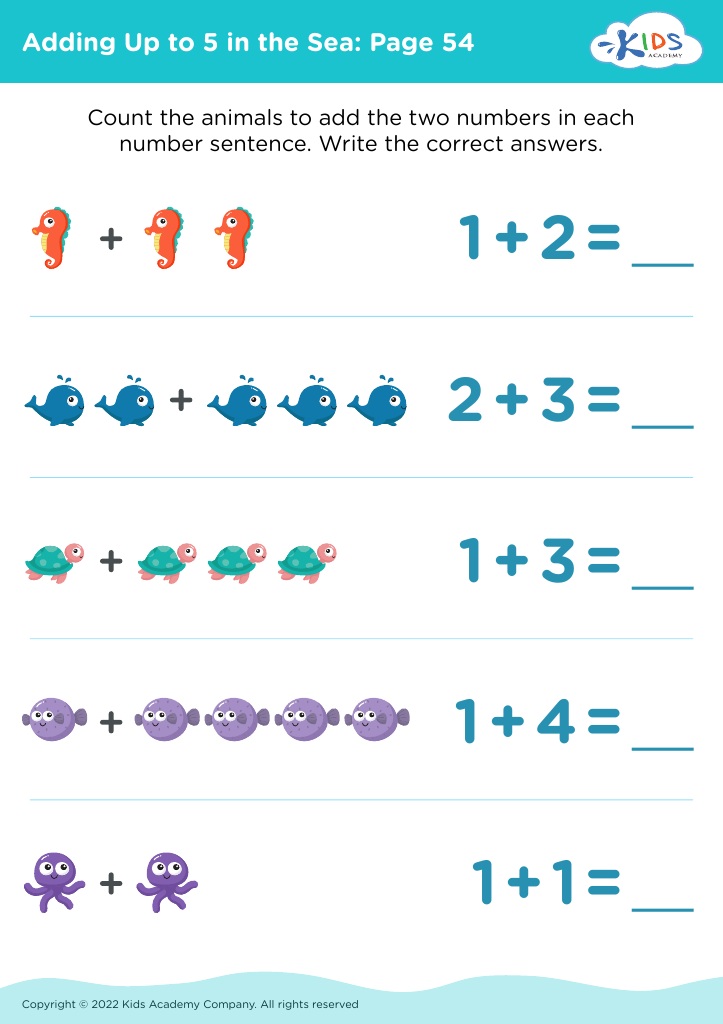
Adding Up to 5 in the Sea: Page 54
Worksheet
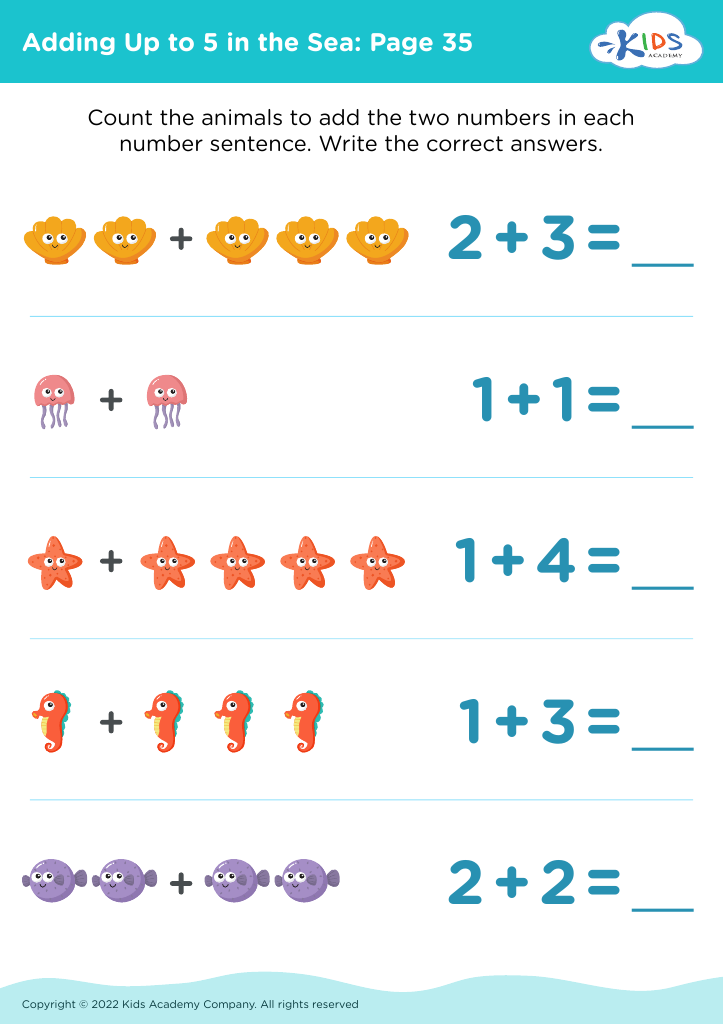
Adding Up to 5 in the Sea: Page 35
Worksheet
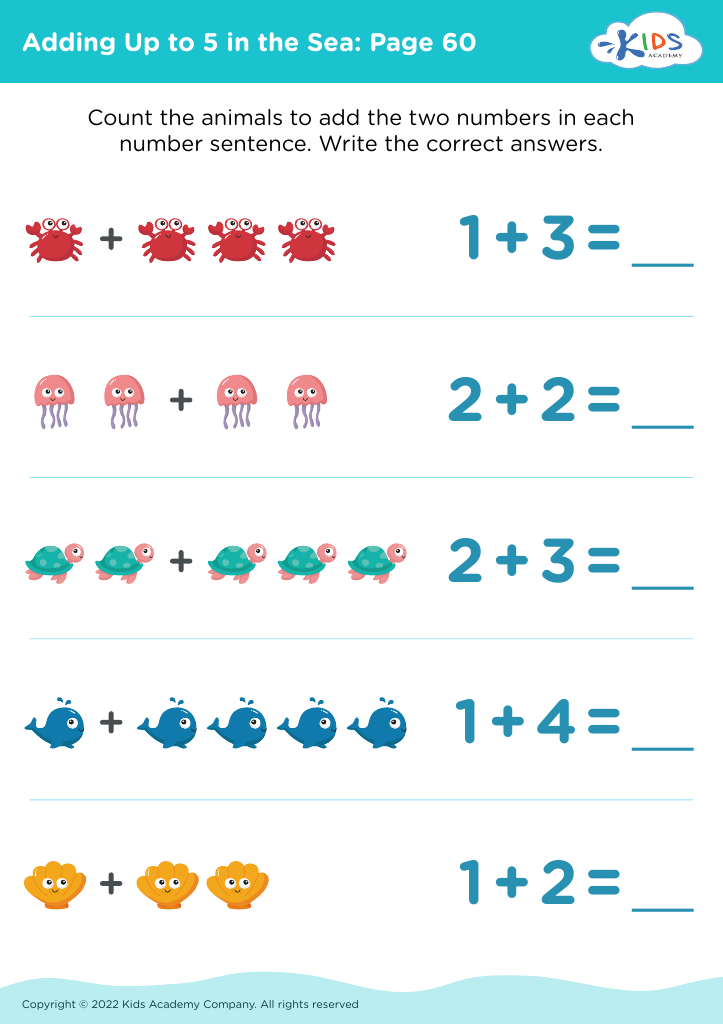
Adding Up to 5 in the Sea: Page 60
Worksheet
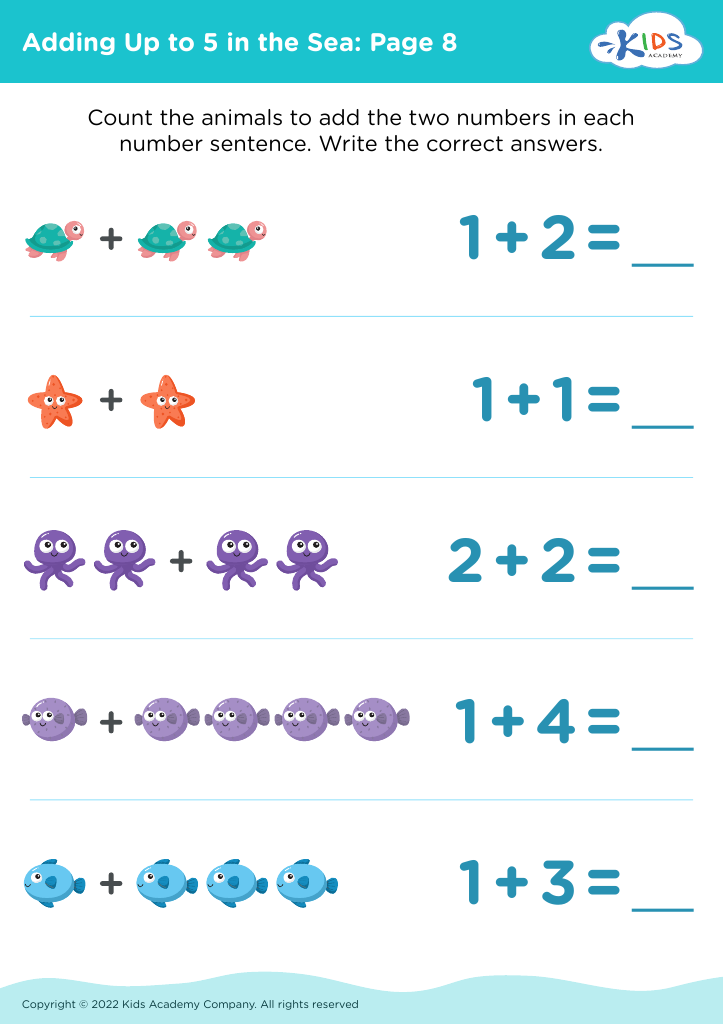
Adding Up to 5 in the Sea: Page 8

Adding Up to 5 in the Sea: Page 8

Adding Up to 5 in the Sea: Page 8
Worksheet
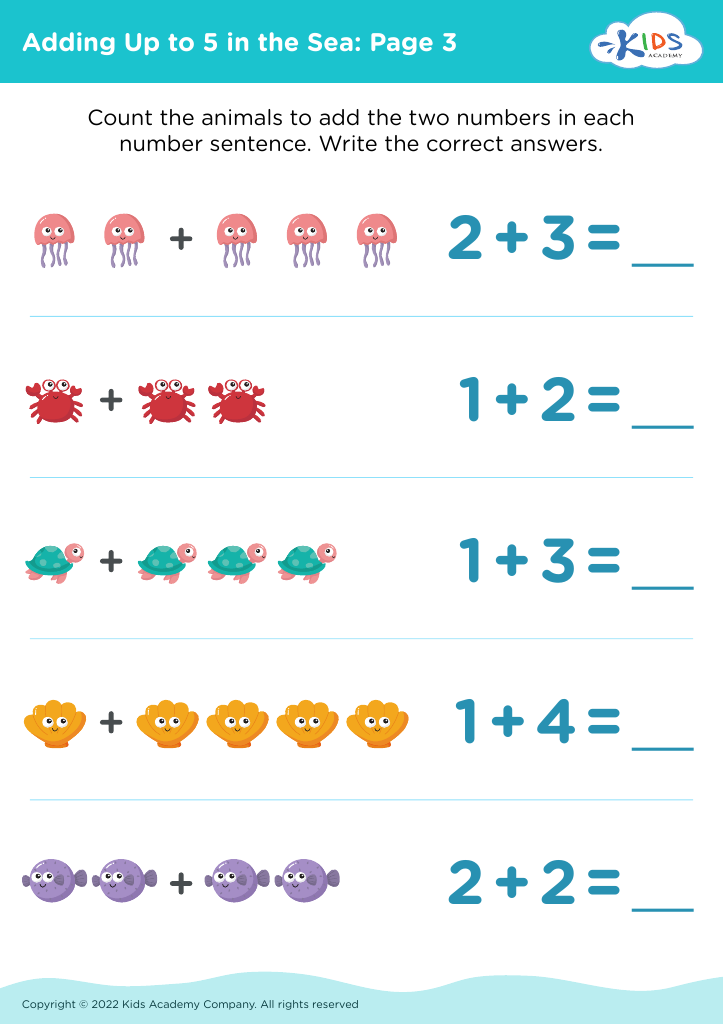
Adding Up to 5 in the Sea: Page 3

Adding Up to 5 in the Sea: Page 3

Adding Up to 5 in the Sea: Page 3
Worksheet
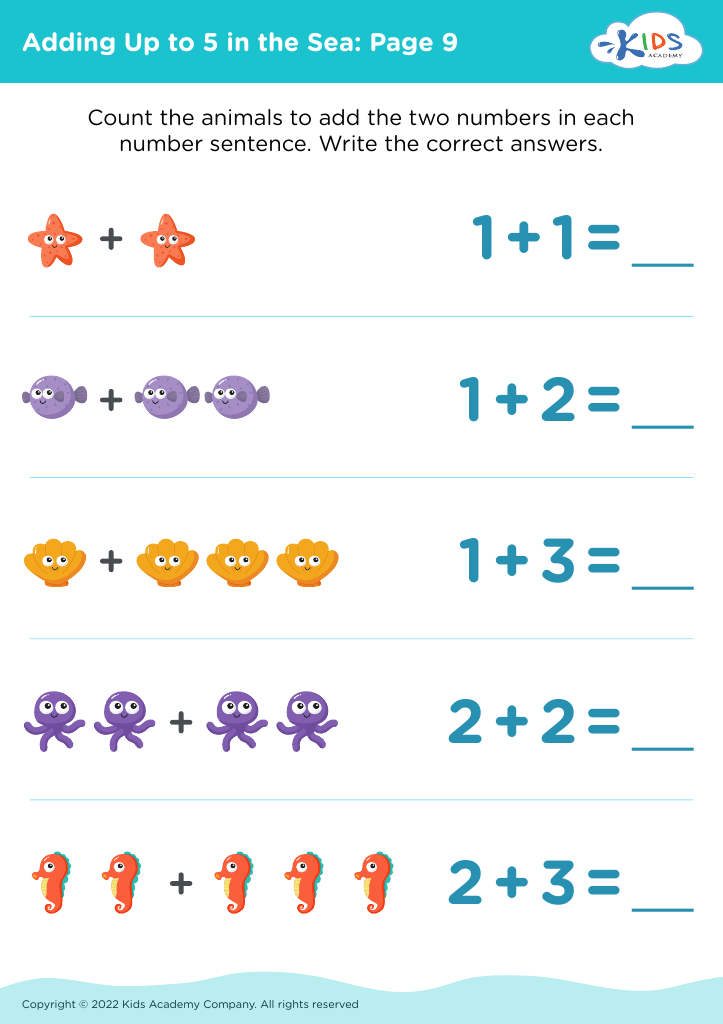
Adding Up to 5 in the Sea: Page 9

Adding Up to 5 in the Sea: Page 9

Adding Up to 5 in the Sea: Page 9
Worksheet
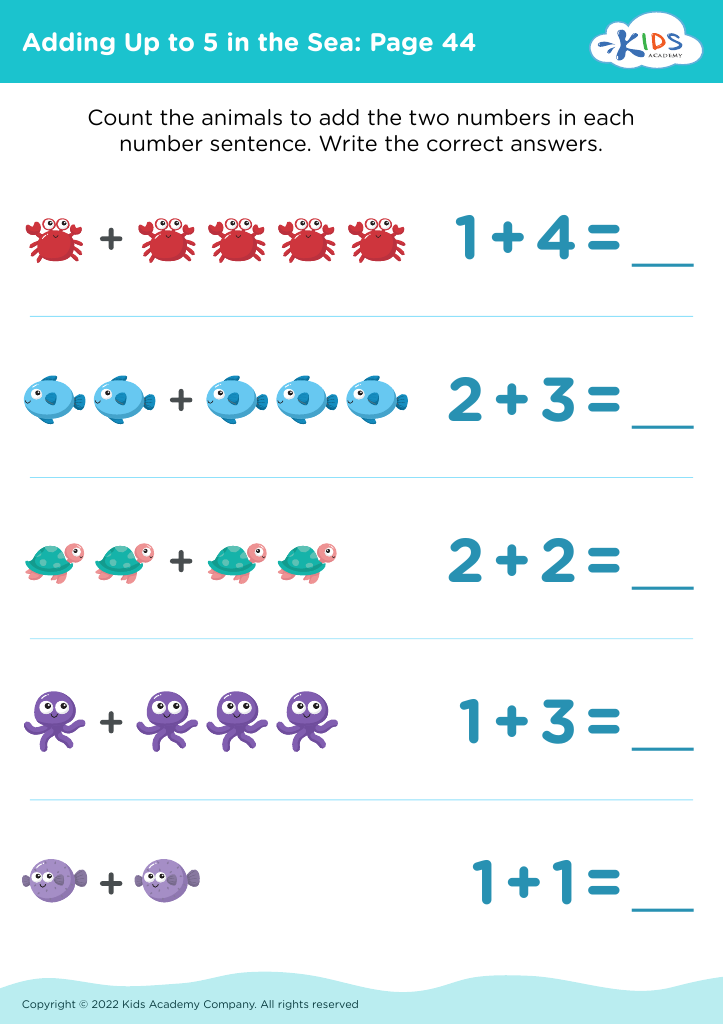
Adding Up to 5 in the Sea: Page 44
Worksheet


Counting practice, especially through interactive activities like "Adding in the Sea," is crucial for children aged 3-6. This age group is a pivotal time for cognitive development, where foundational math skills are established. Engaging in counting activities helps children recognize numbers, develop one-to-one correspondence, and build a positive attitude towards math.

"Adding in the Sea," as a themed activity, introduces mathematical concepts in a fun and relatable way. Children often have a strong affinity for animals and aquatic life, making it easier to grasp abstract ideas. Adding colorful sea creatures can transform a complex concept into an enjoyable game. This tactile interaction fosters a deeper understanding of addition as children physically manipulate objects while counting.

Furthermore, counting practice enhances fine motor skills, as children grasp small items, enhancing their hand-eye coordination. It also facilitates social skills when children work in groups, allowing them to communicate their thoughts and strategies.

Most importantly, integrating math into playtime sets the stage for a lifelong love of learning. By fostering these early math skills, parents and teachers empower young learners to tackle more complex math concepts in the future, ensuring a strong academic foundation.