Understanding patterns Addition & Subtraction Worksheets for Ages 3-6
6 filtered results
-
From - To
Explore our engaging "Understanding Patterns Addition & Subtraction Worksheets" designed for children aged 3-6! These worksheets help young learners grasp essential math concepts through the use of patterns. By incorporating playful visuals and hands-on activities, kids will develop their addition and subtraction skills while recognizing and creating patterns. Each worksheet is crafted to encourage critical thinking and boost confidence, making math both fun and educational. Suitable for preschool and kindergarten, these resources are perfect for parents and educators looking to enhance early math learning. Start your child's journey in understanding math patterns effortlessly!
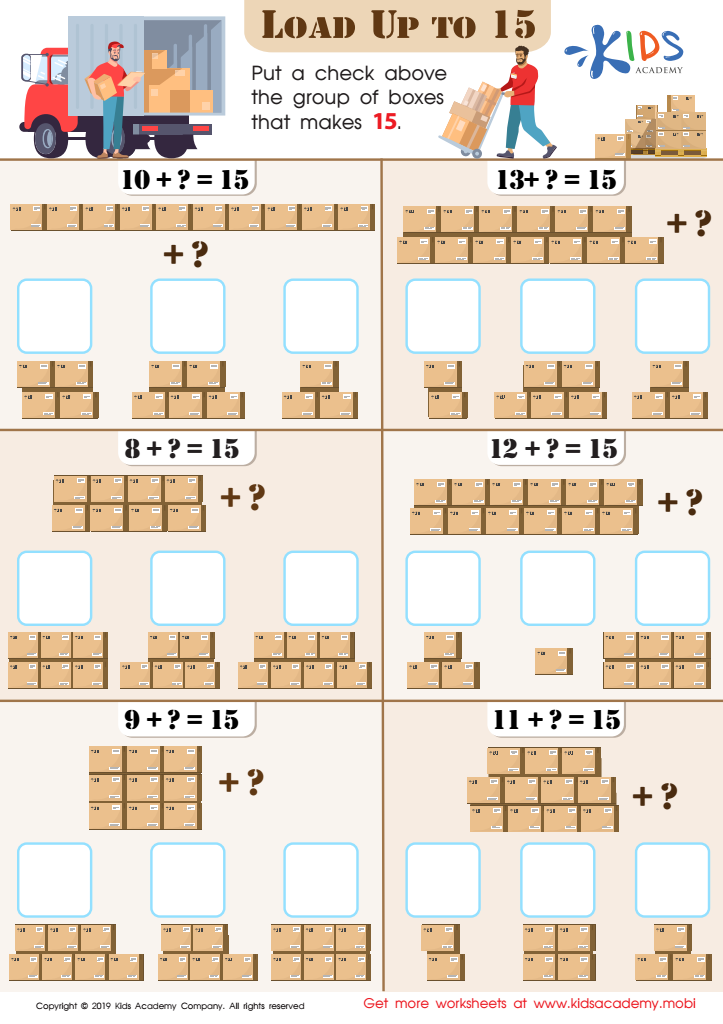
Load up to 15 Worksheet
 Assign to My Students
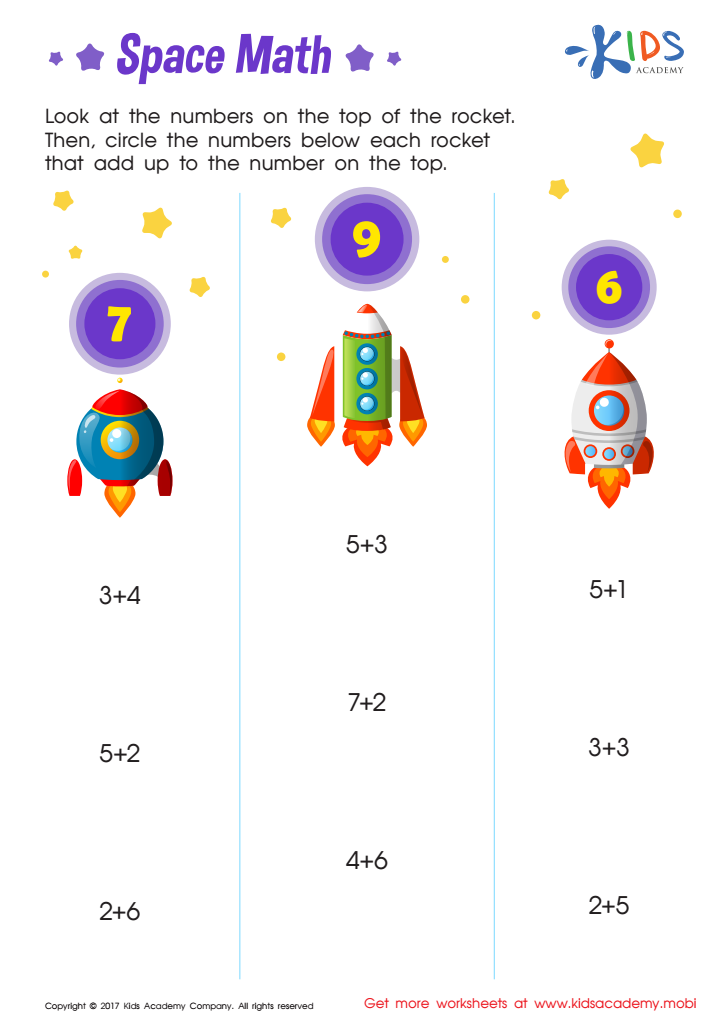
Addition: Space Math Worksheet
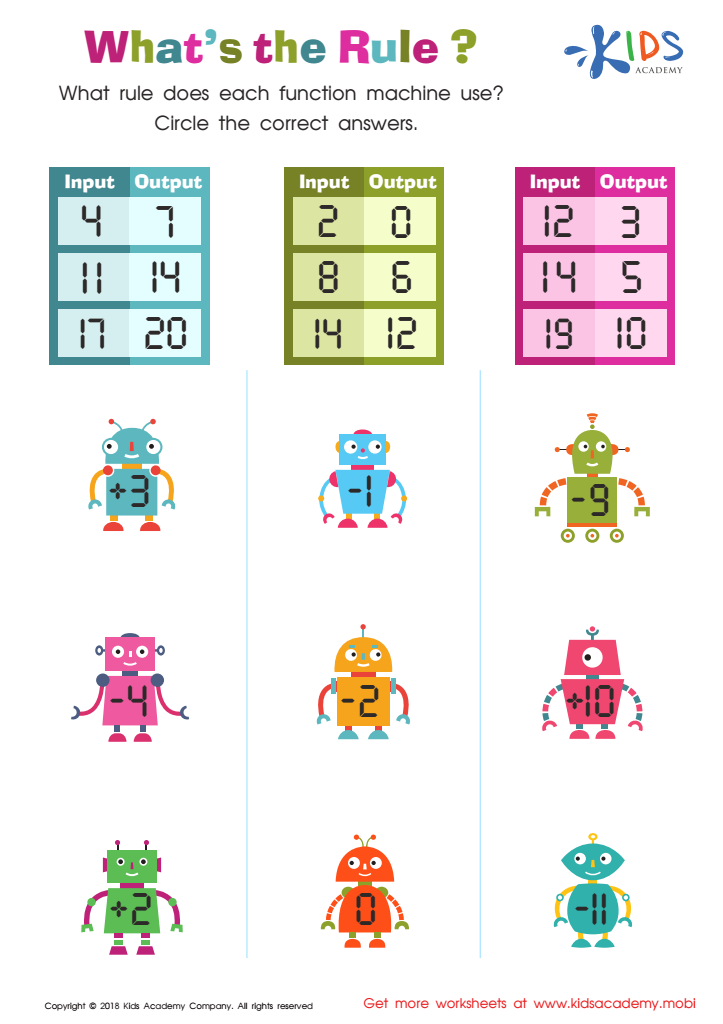
What's the Rule Worksheet
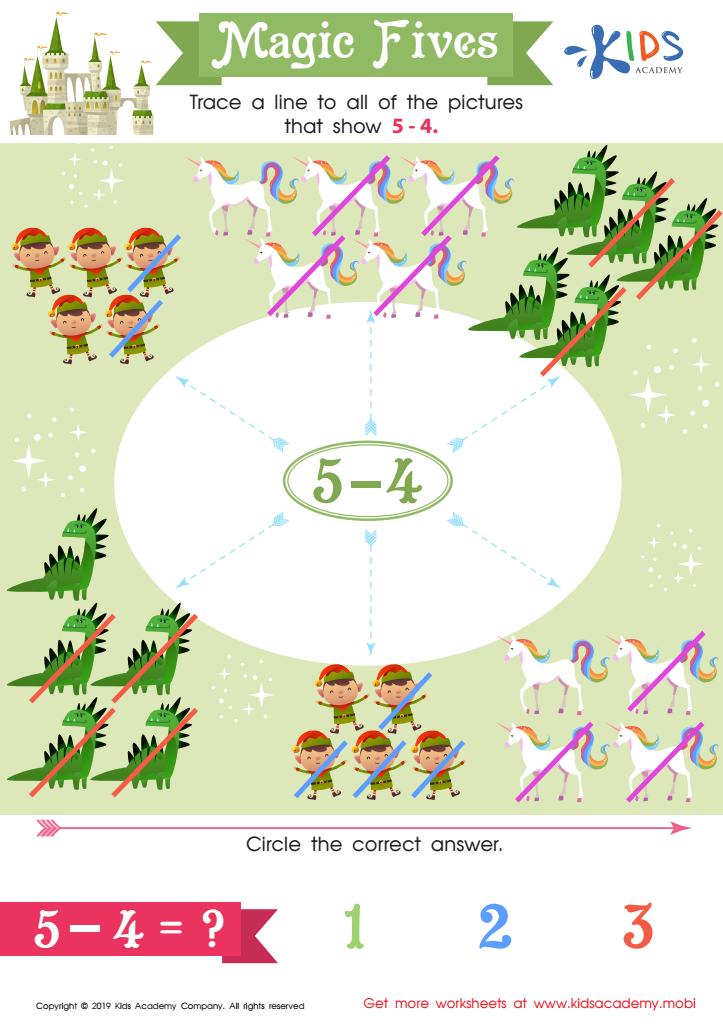
Magic Fives Worksheet
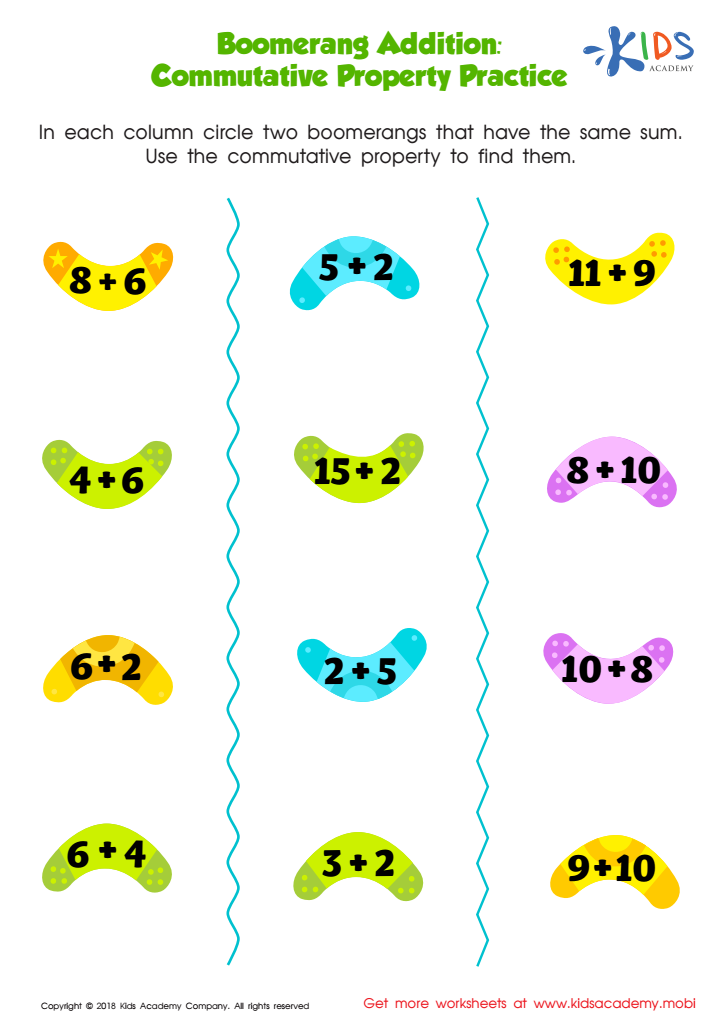
Boomerang Addition Worksheet
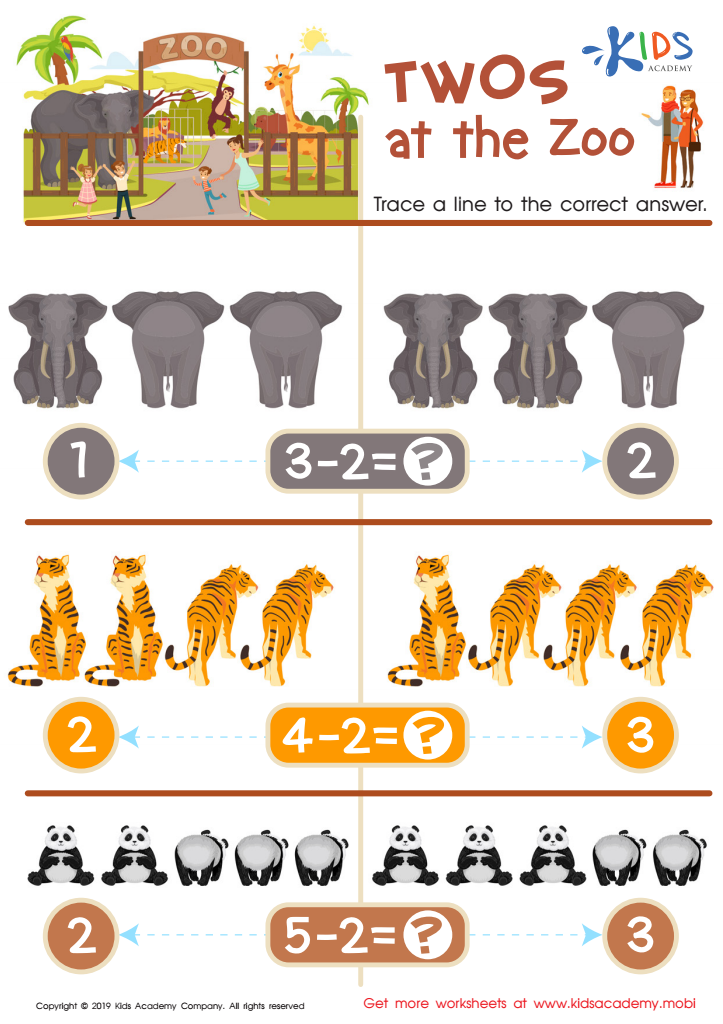
Twos at the Zoo Worksheet








Understanding patterns in addition and subtraction is vital for children aged 3-6 for several reasons. First and foremost, recognizing patterns lays the groundwork for mathematical concepts. By identifying sequences and structures, younger learners develop critical thinking and problem-solving skills that are essential in math.
Patterns also help children make connections between concepts, aiding in the transition from concrete to abstract understanding. For instance, when children grasp that 2 + 2 consistently equals 4, they begin to see addition as a predictable process. This comprehension translates seamlessly into subtraction, reinforcing their understanding of inverse operations, which forms the backbone of arithmetic.
Moreover, working with patterns enhances cognitive skills such as memory and attention to detail. Engaging with activities like sorting, grouping, and creating patterns strengthens these abilities while fostering a love for learning.
Parents and teachers play crucial roles in nurturing these skills. By providing a variety of resources, whether through games, storytelling, or hands-on activities, they can make math engaging and relatable. Ultimately, instilling a solid foundation in understanding patterns not only boosts mathematical competence but also enhances overall academic performance and confidence in young learners.








