
Visual perception Addition Worksheets for Ages 3-6
13 filtered results
Difficulty Level
Grade
Age
-
From - To
Subject
Activity
Standards
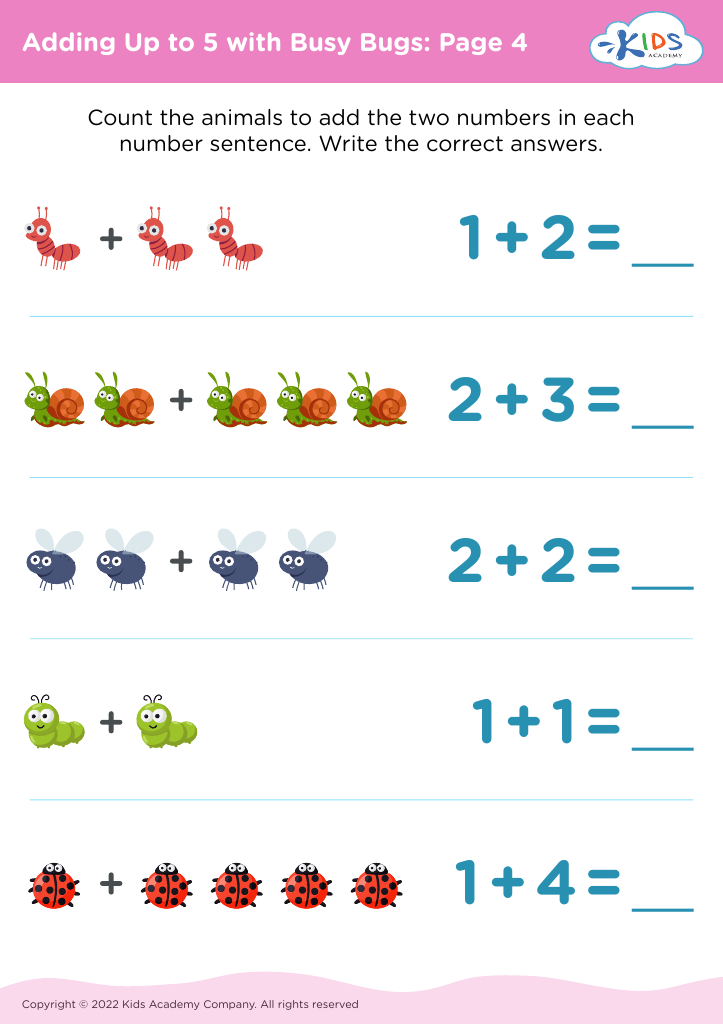
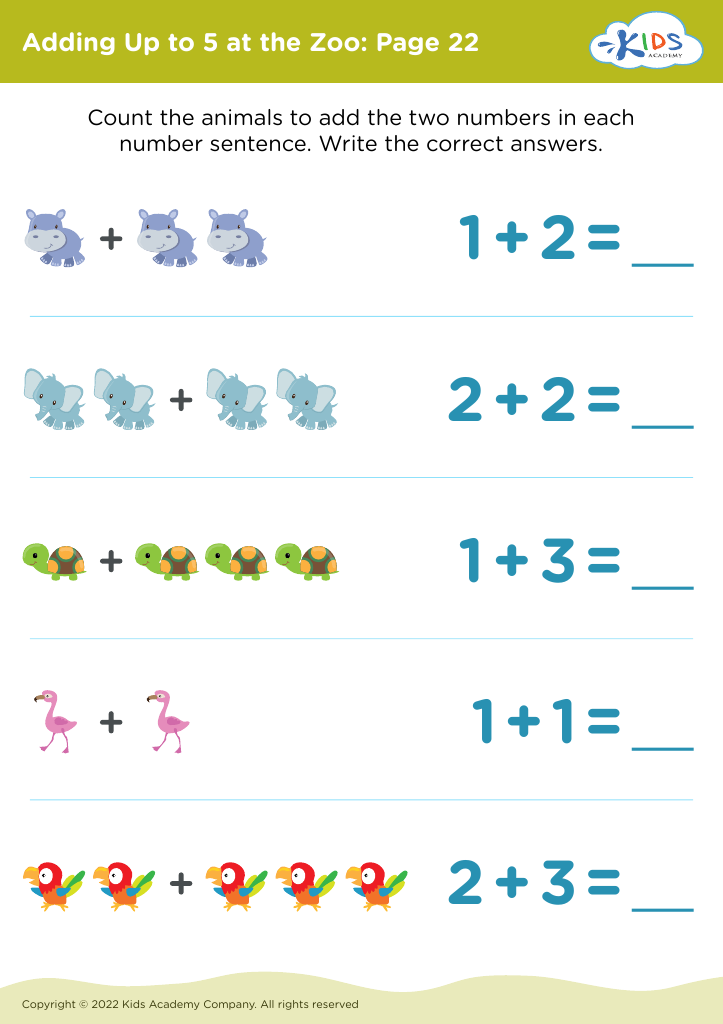
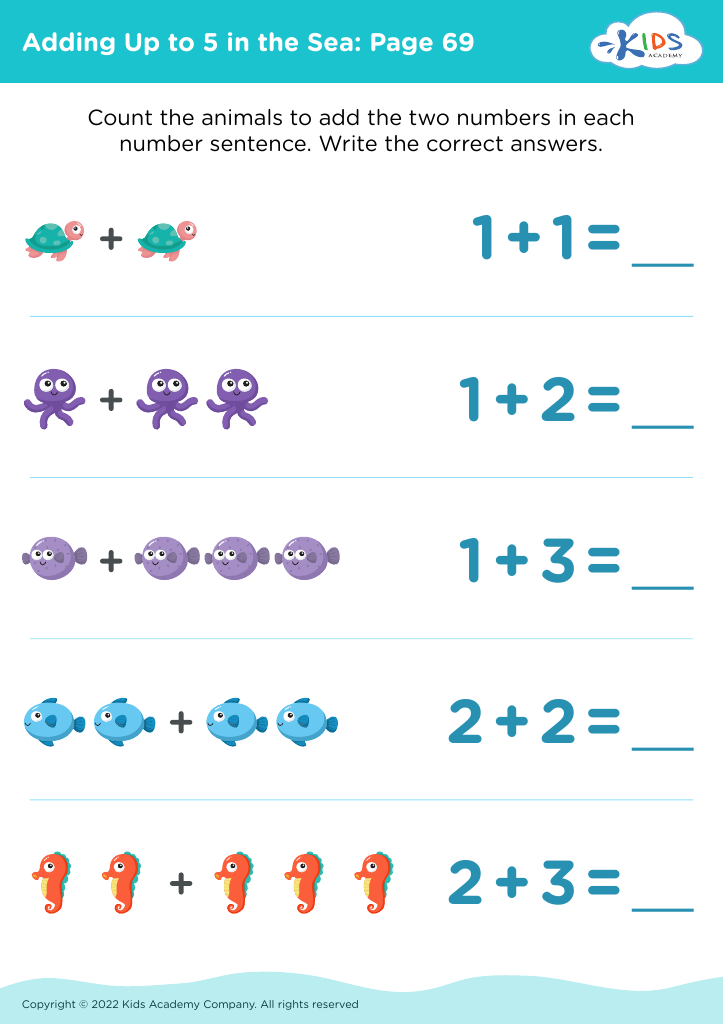
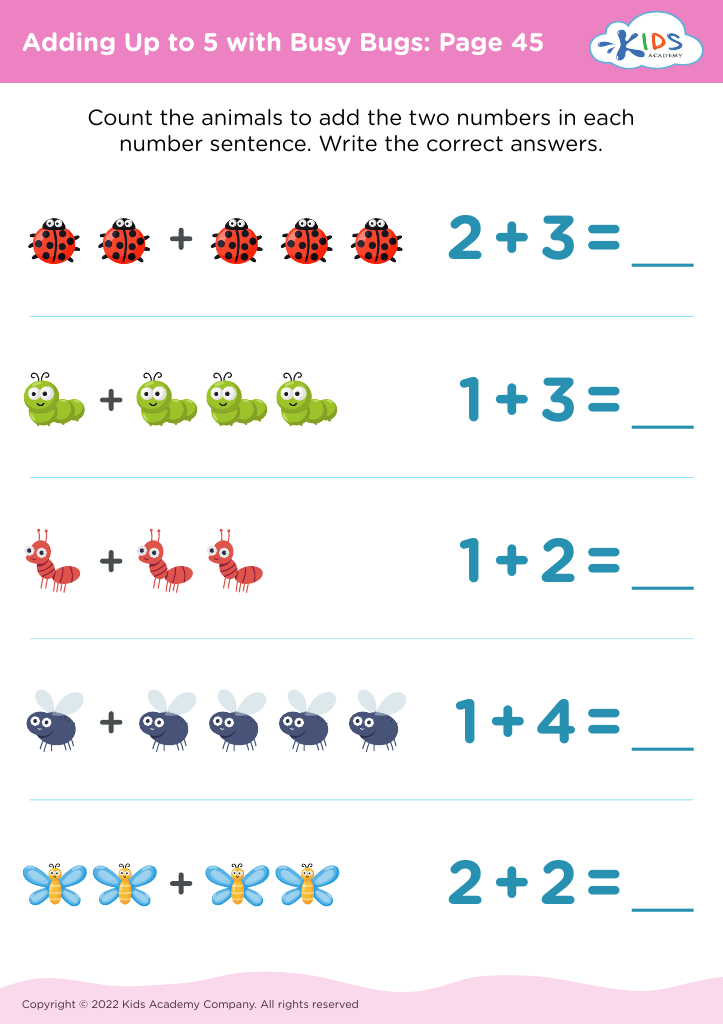
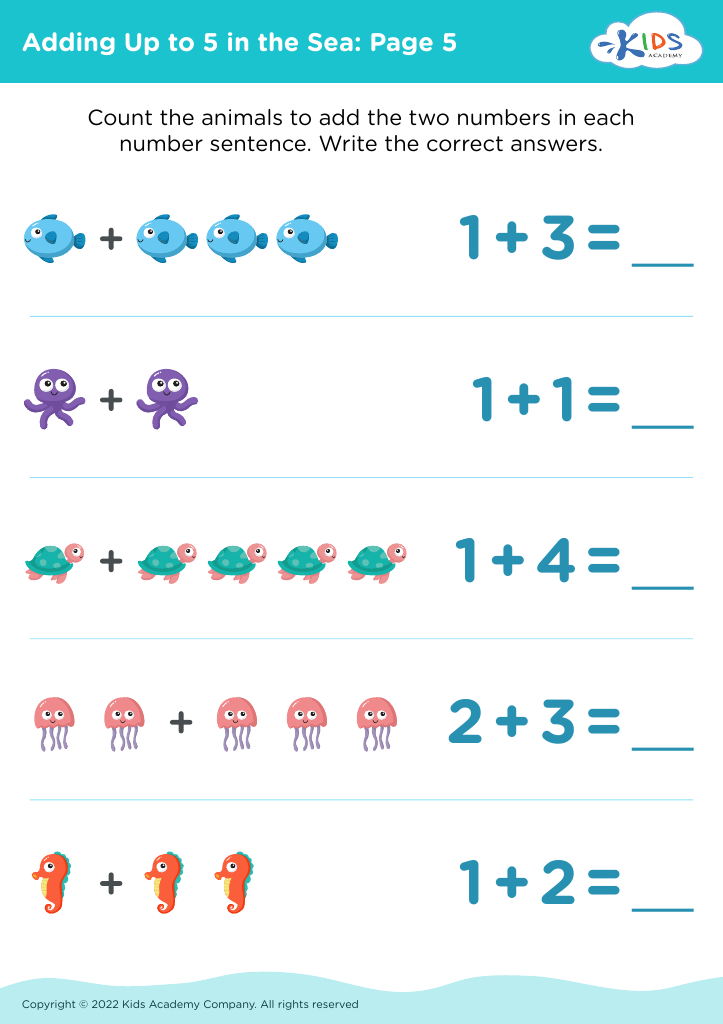
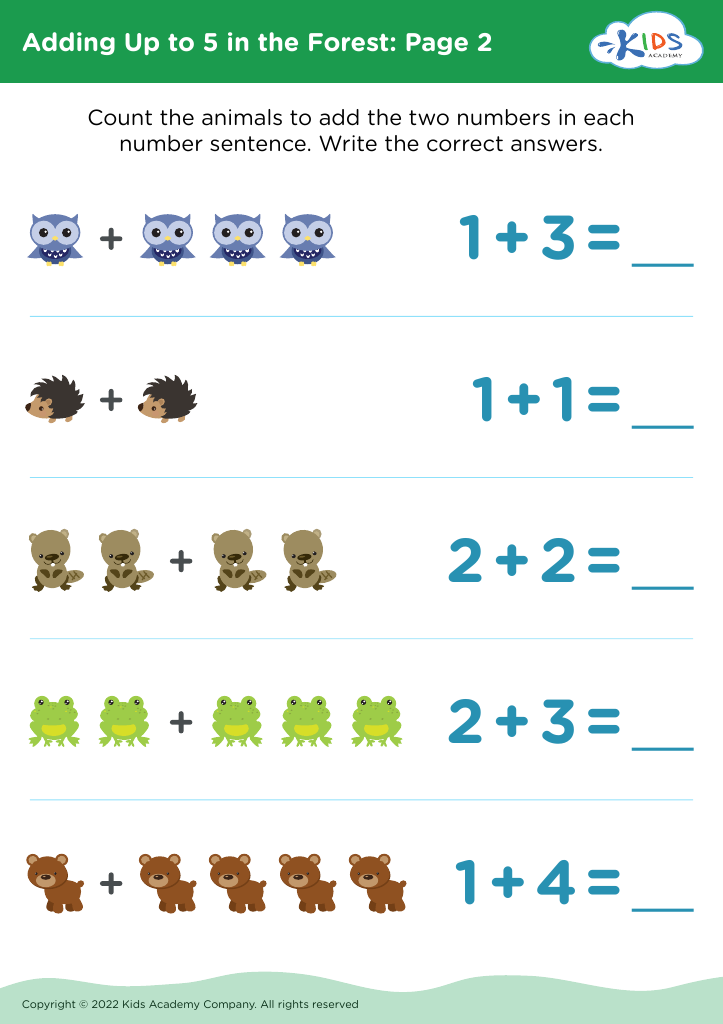
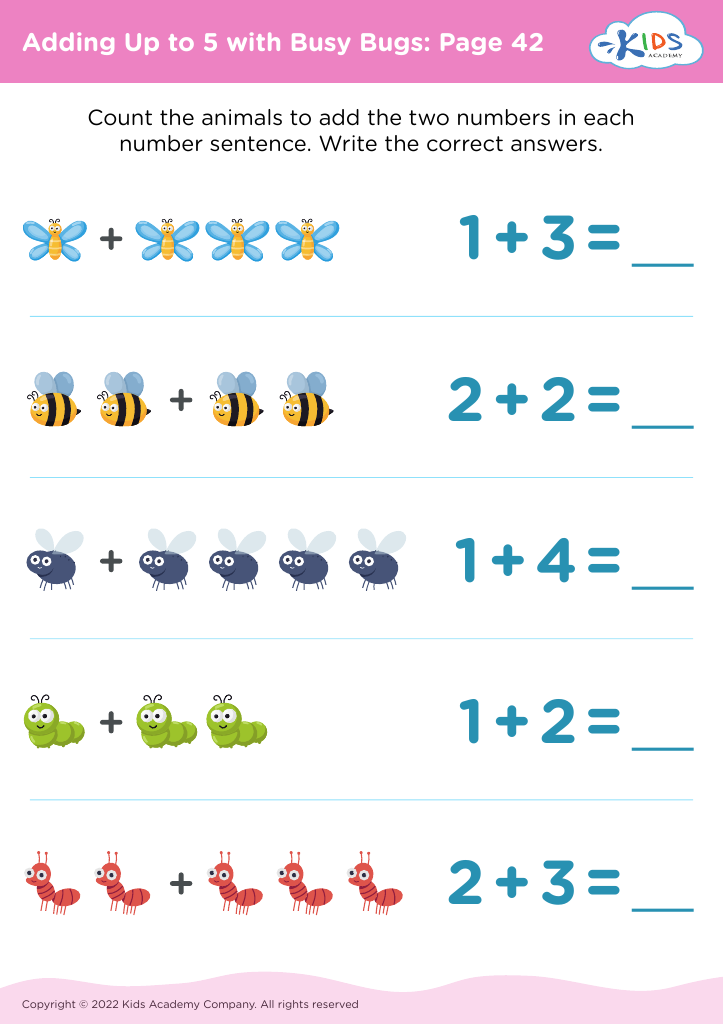
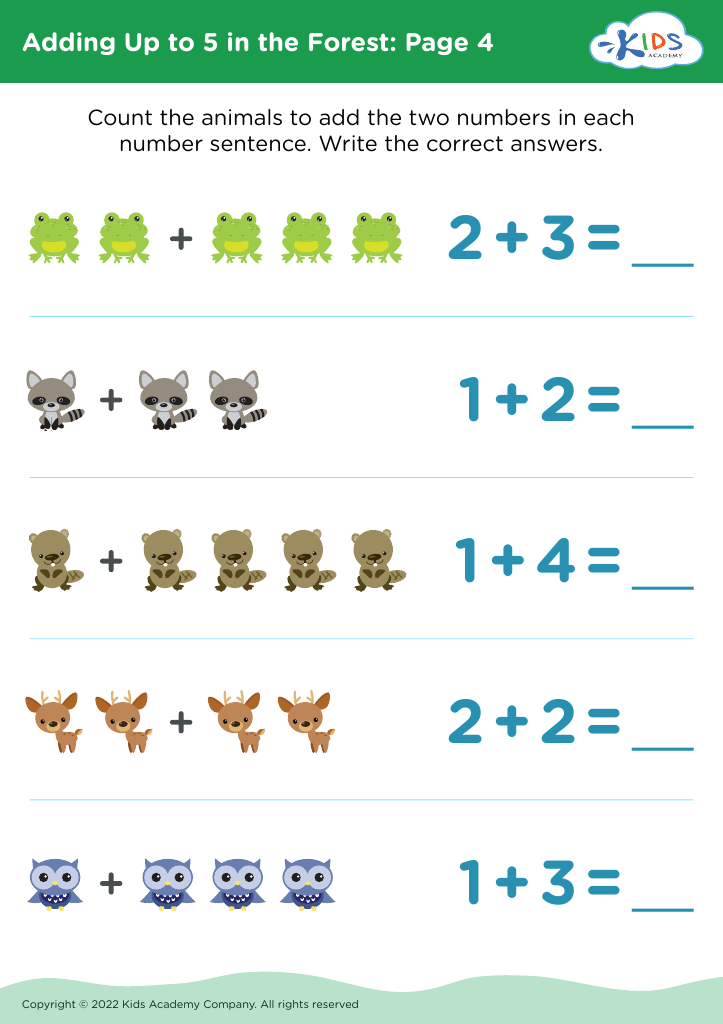
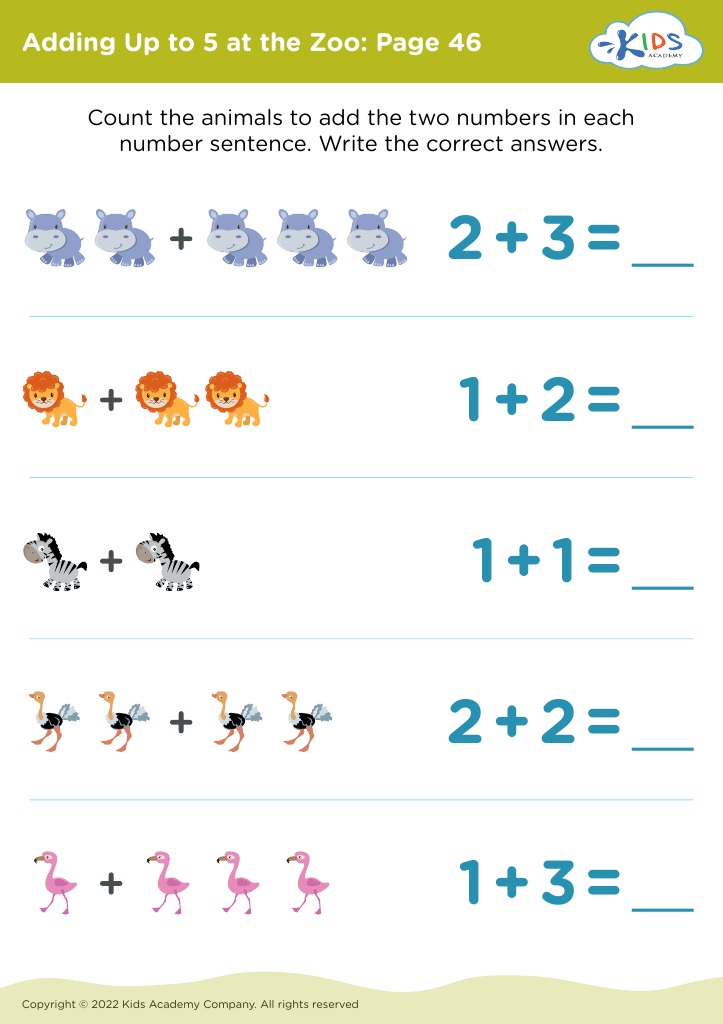
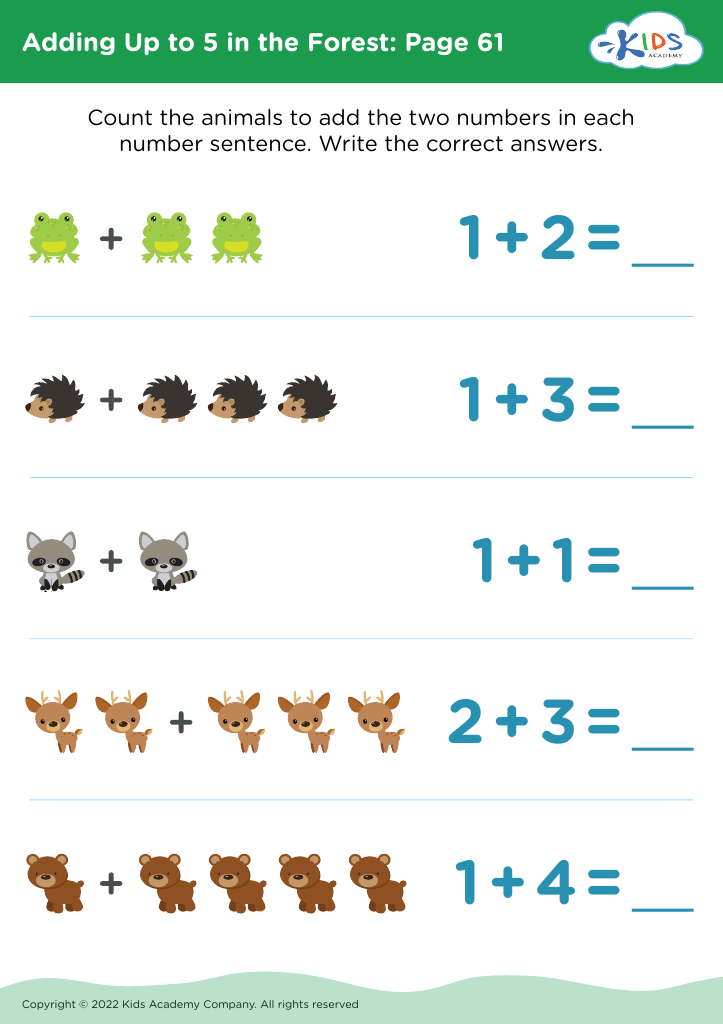
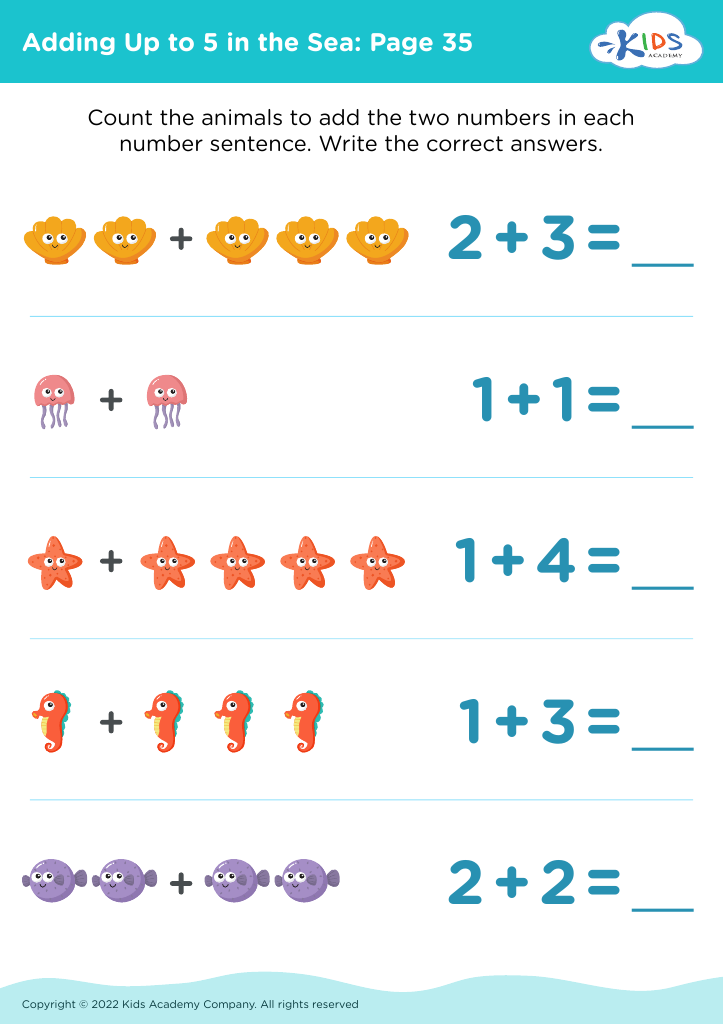
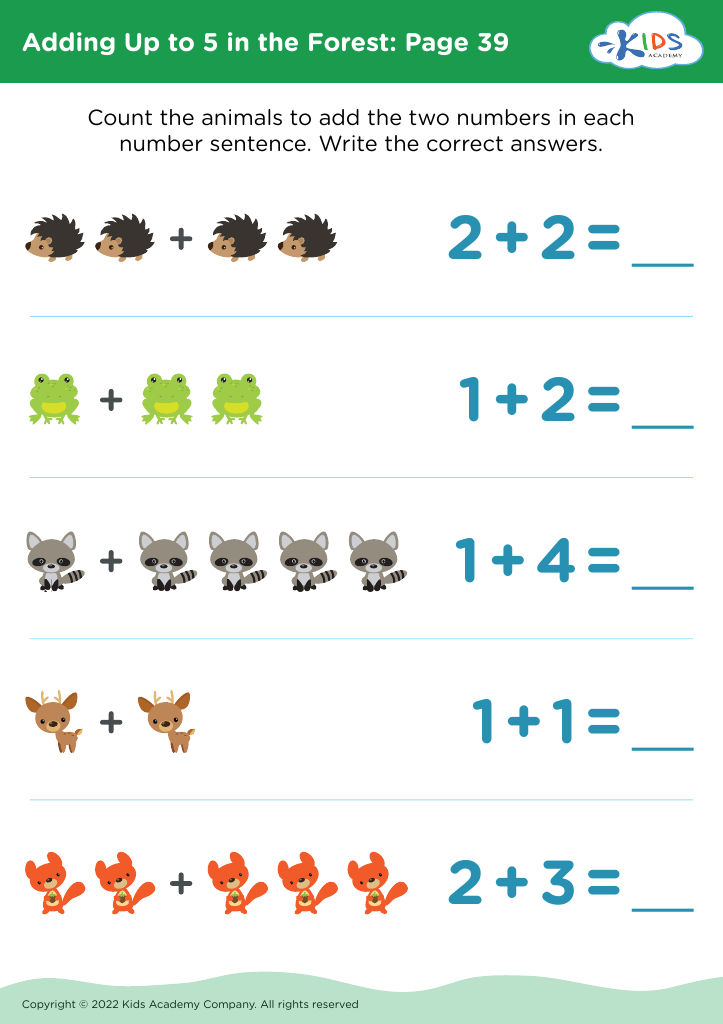
Enhance your child's math skills with our engaging Visual Perception Addition Worksheets for ages 3-6! Designed to cultivate early math understanding, these printable worksheets combine the joys of learning with fun visual exercises. Children will practice addition through colorful illustrations, improving their ability to recognize patterns, identify quantities, and develop critical thinking skills. Each worksheet helps strengthen visual perception, aiding in overall cognitive development. Ideal for home or preschool settings, these resources make learning captivating and enjoyable. Watch your little ones build confidence in their math abilities while having fun—start exploring our Visual Perception Addition Worksheets today!
Favorites
With answer key
Interactive
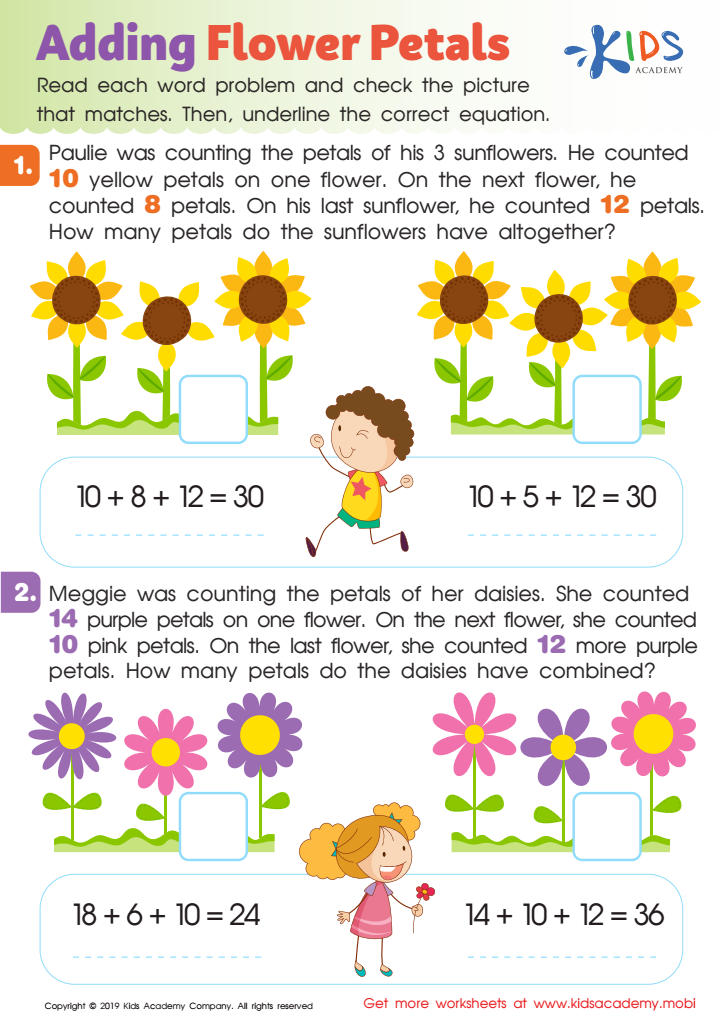
Adding Flower Petals Worksheet
This free worksheet helps little mathematicians learn to understand word problems. They'll read each one and match it to the corresponding picture. Important info is highlighted, teaching kids to look for key info when solving problems. Then they'll underline the correct number equation that matches the picture. A great way to practice problem-solving skills!
 Assign to My Students
Adding Flower Petals Worksheet
Worksheet
Join Kids Academy for Free
Who is primarily going to use this learning content?








Visual perception is a crucial cognitive skill that lays the foundation for a child's learning and development, particularly in early education for ages 3-6. It refers to the ability to interpret and make sense of visual information, which plays an essential role in how children understand the world around them. For parents and teachers, fostering strong visual perception skills is vital for several reasons.
Firstly, good visual perception enhances a child's ability to recognize letters, shapes, and numbers, which is fundamental for literacy and numeracy. By strengthening these skills, children are better prepared for reading and mathematical tasks, facilitating smoother transitions into formal schooling.
Additionally, visual perception impacts a child's hand-eye coordination and spatial awareness, important for everyday tasks, from dressing independently to participating in physical activities. Developing these abilities contributes to a child’s confidence and competence.
Moreover, visual perception activities also encourage critical thinking and problem-solving skills, as children learn to analyze and interpret visual information. This foundational ability not only supports academic success but nurtures overall cognitive development, making it vital for parents and teachers to prioritize visual perception activities in early childhood learning. Investing in these skills at a young age ensures a smoother learning journey in the future.








