Counting skills Comparing Numbers Worksheets for Ages 3-6
5 filtered results
-
From - To
Explore our engaging Counting Skills Comparing Numbers Worksheets designed for children aged 3-6! Our printable resources help young learners develop essential math concepts through fun activities that promote counting, number recognition, and comparison. Each worksheet encourages interactive learning, enabling kids to confidently differentiate between larger and smaller quantities. Ideal for home or classroom use, these worksheets enhance critical thinking and foundational math skills while making learning playful and enjoyable. Watch as your child gains confidence in their counting abilities while completing our colorful and visually appealing worksheets. Start their math journey today with our effective and fun counting skills resources!
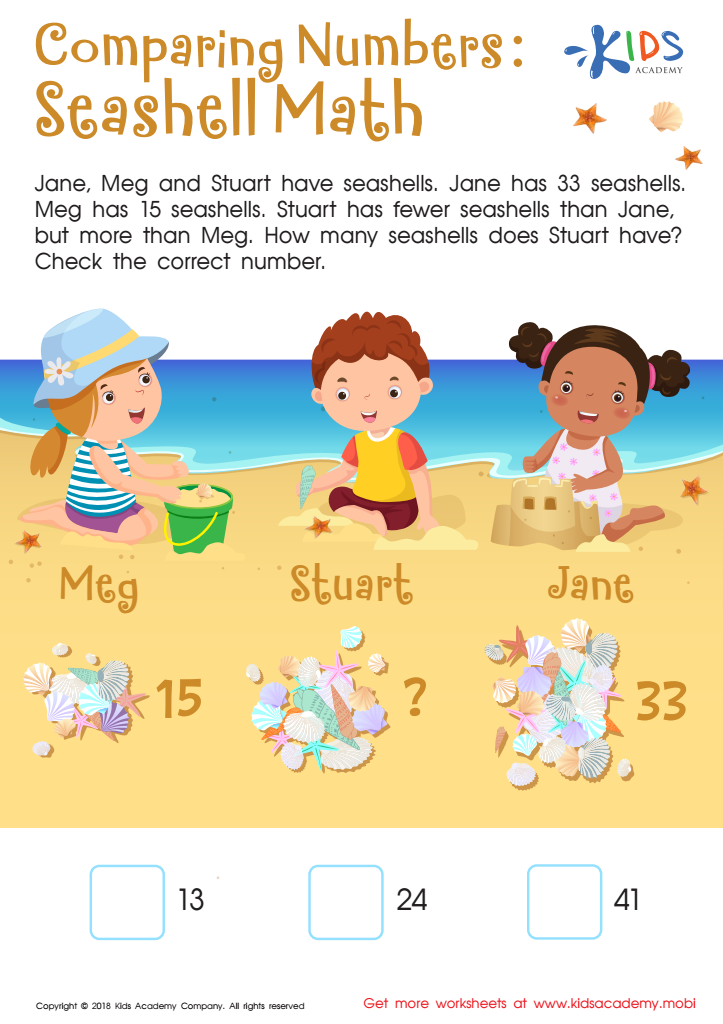
Seashell Collectors Worksheet
 Assign to My Students
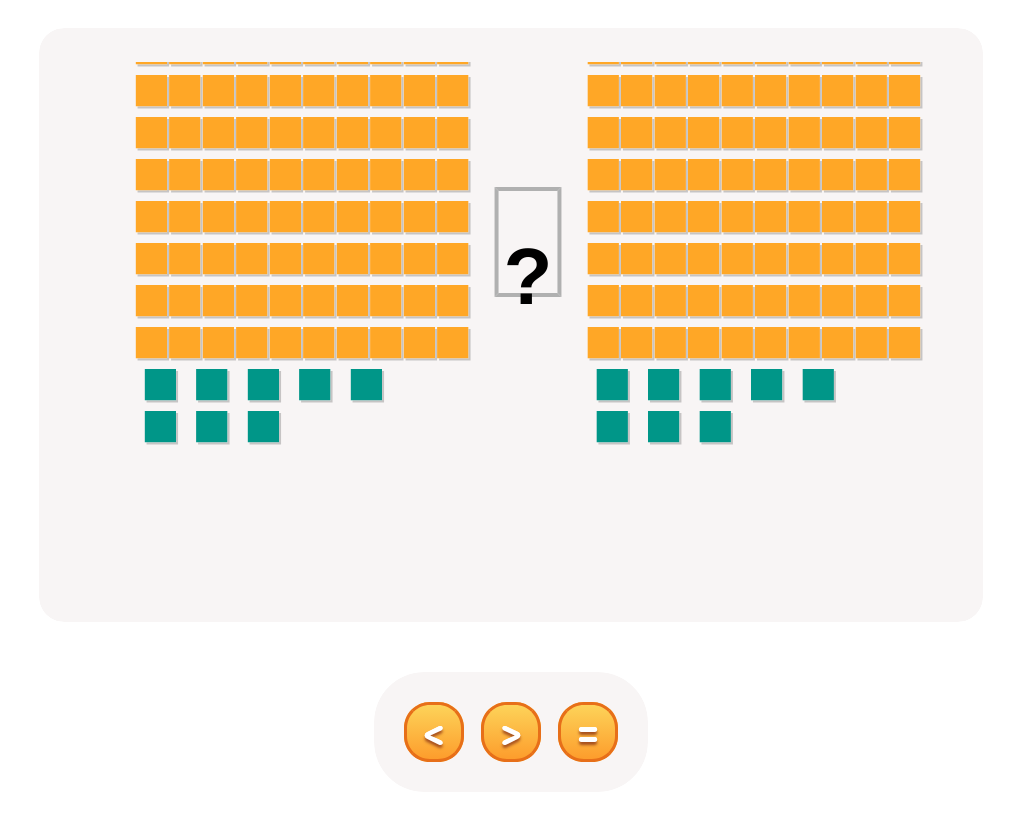

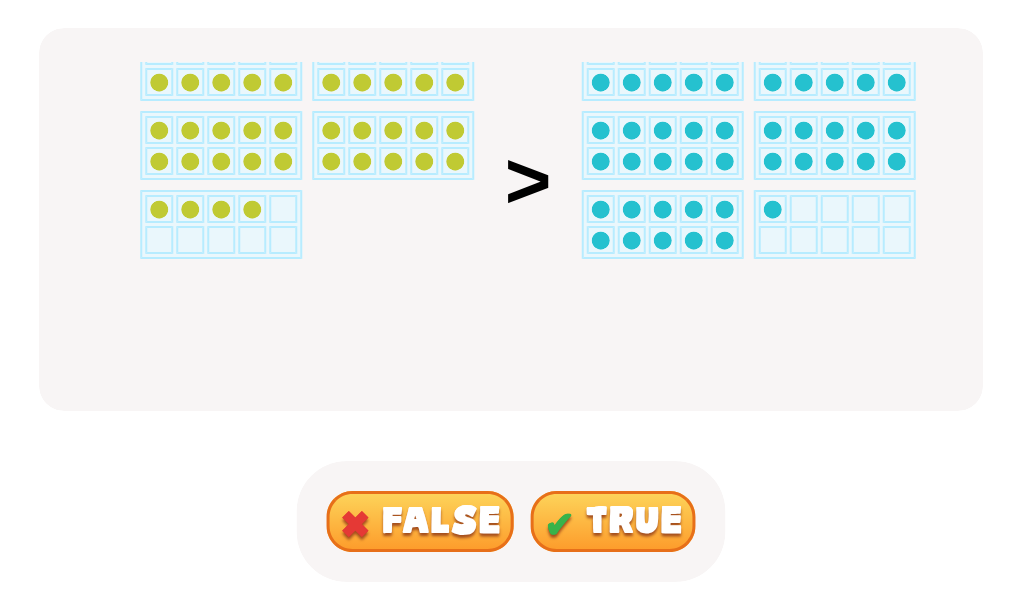
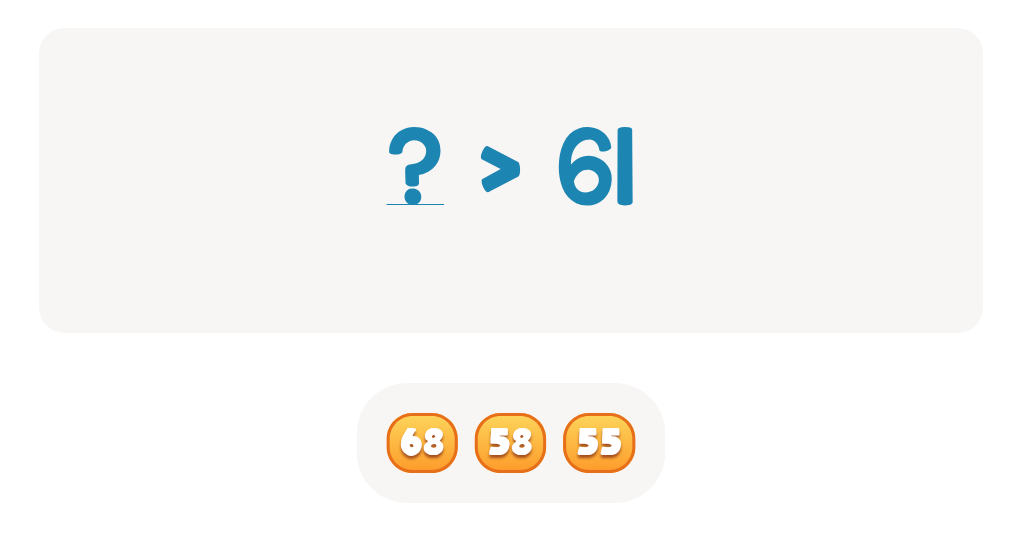
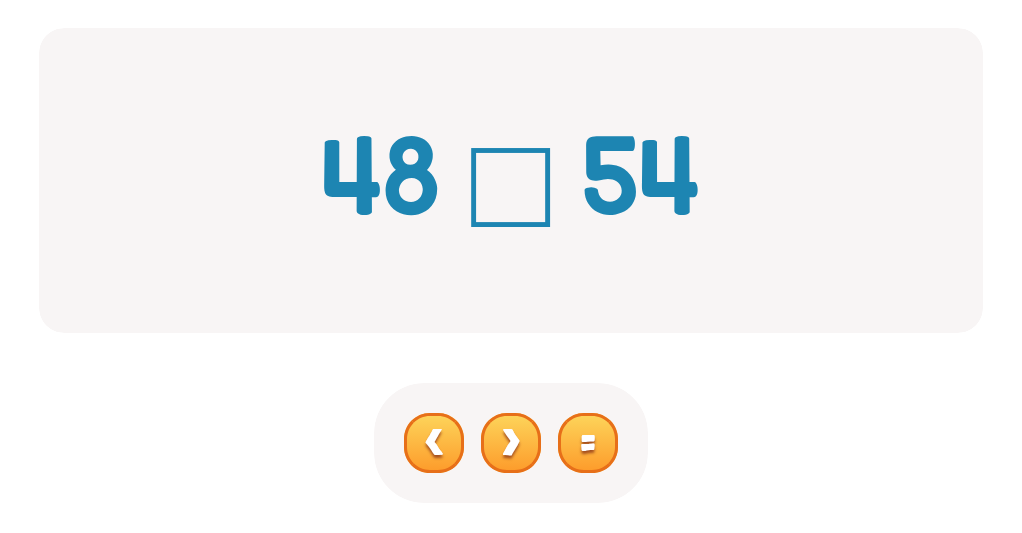
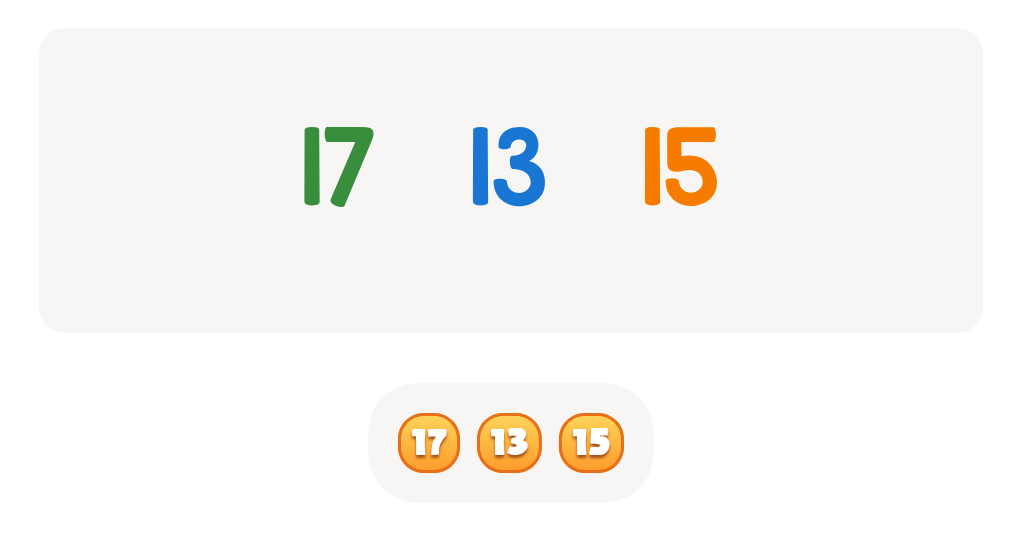
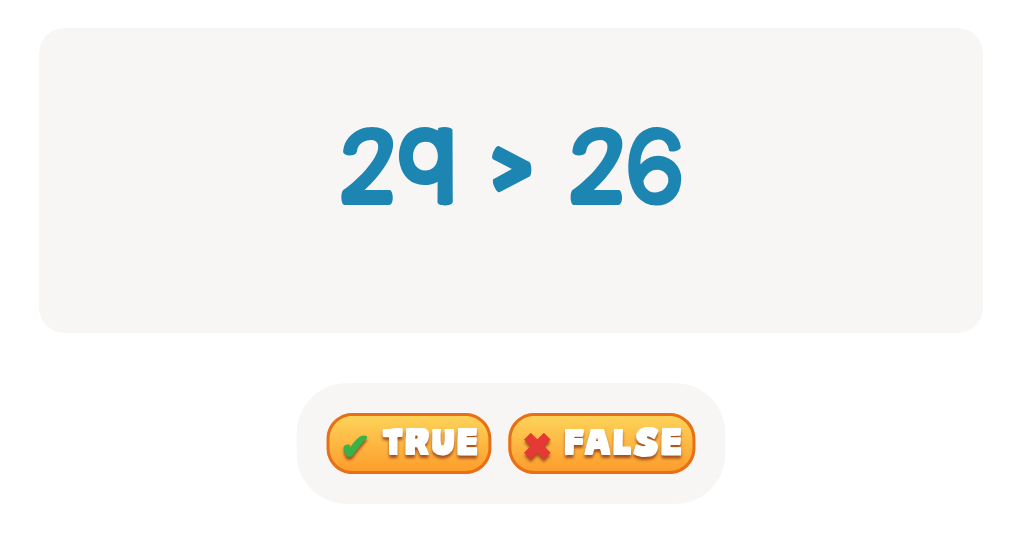
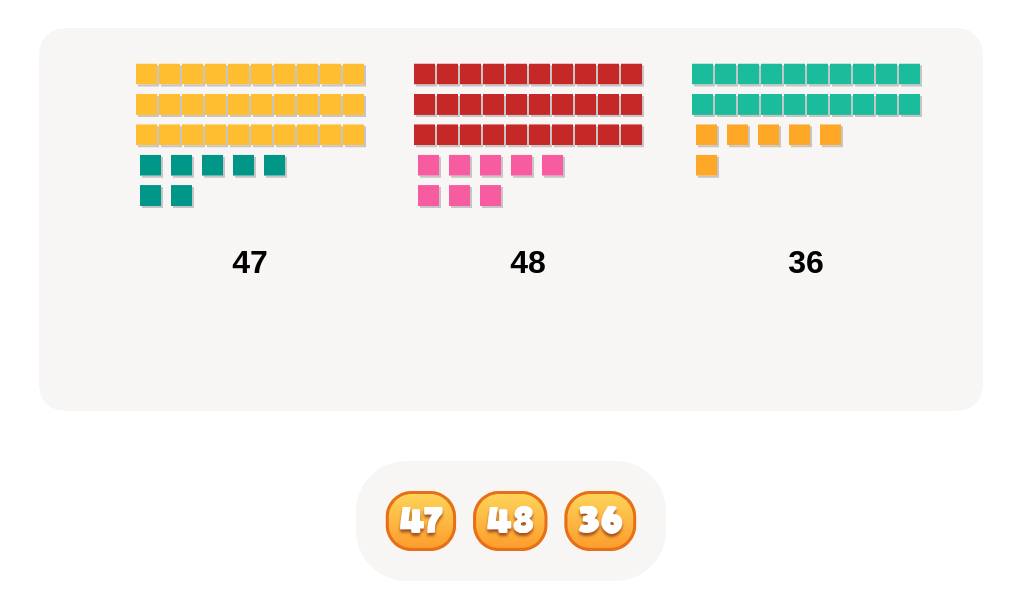
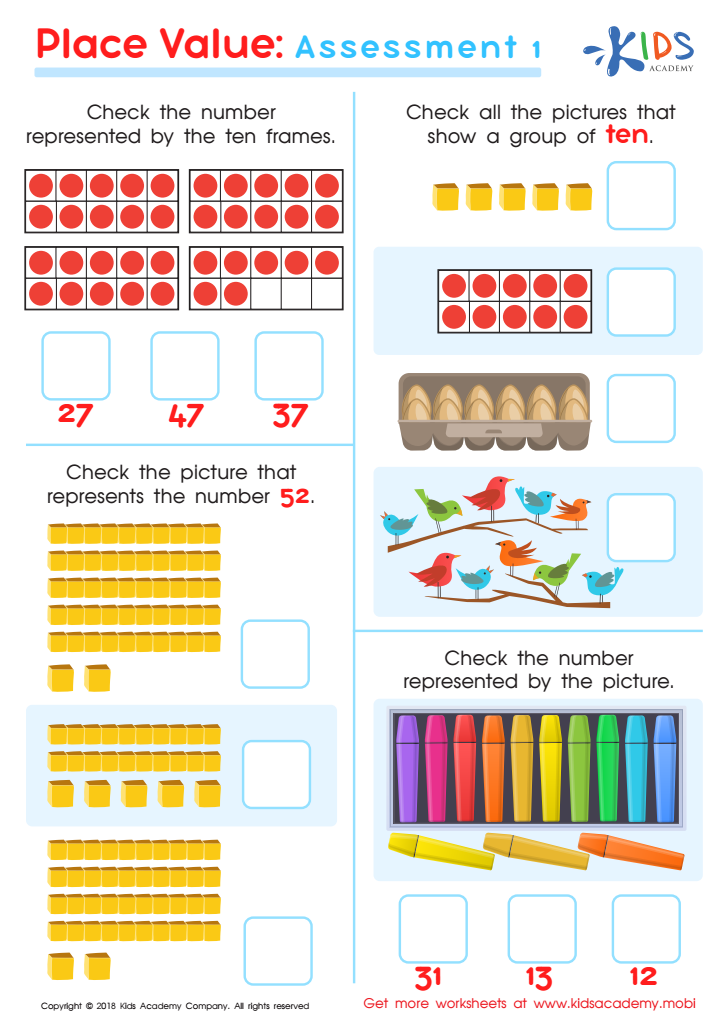
Place Value: Assessment 1 Worksheet
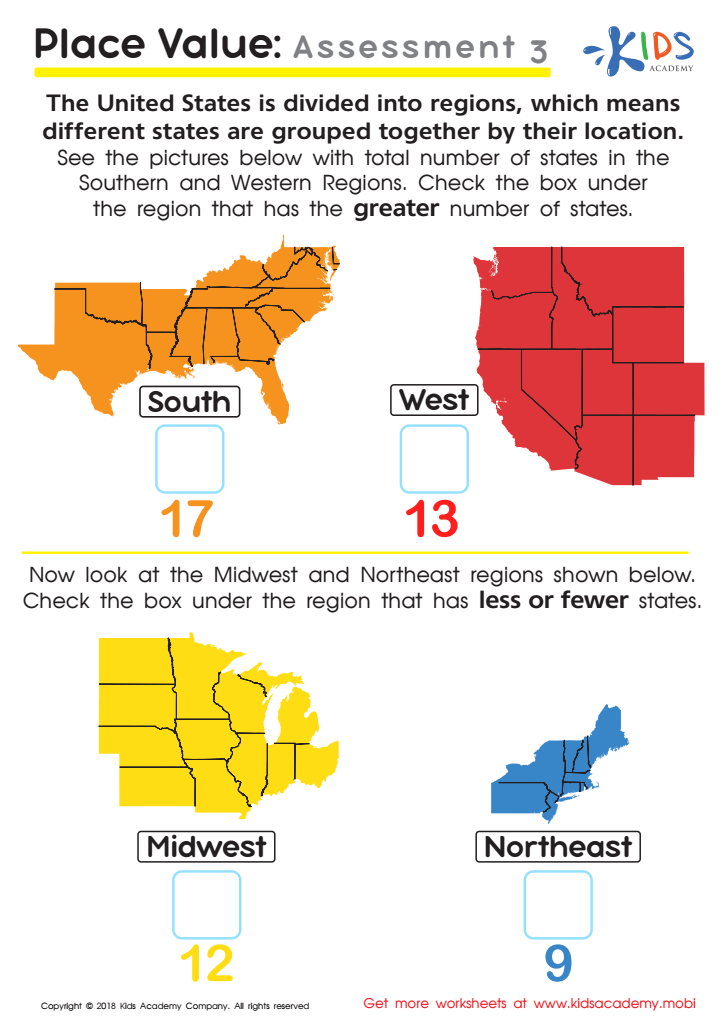
Place Value: Assessment 3 Worksheet
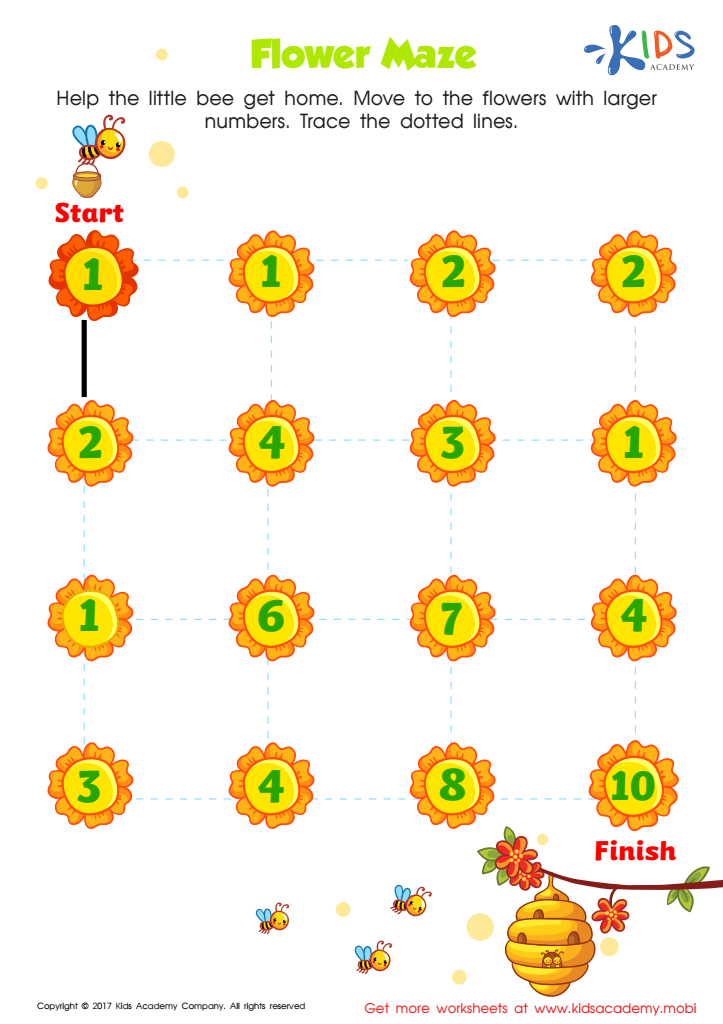
Number Maze For Kindergarten Printable
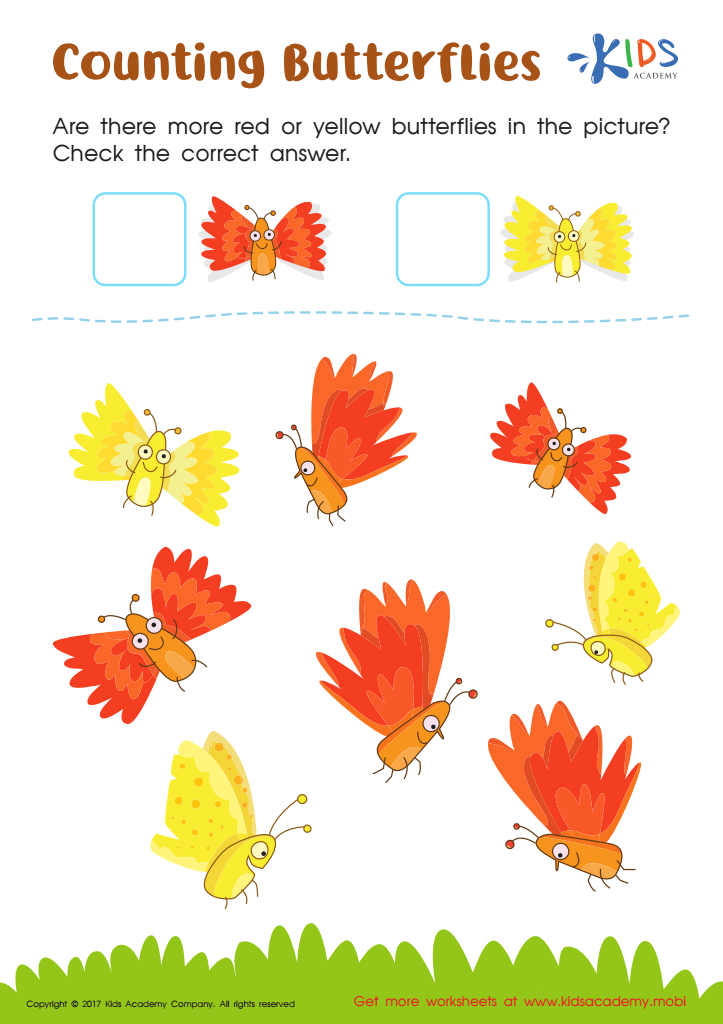
Counting Butterflies Worksheet








Counting skills and the ability to compare numbers are foundational for young learners ages 3-6, as they set the stage for a child’s mathematical understanding and overall cognitive development. At this age, children are naturally curious and adventurous, making it an ideal time to cultivate their mathematical skills through play and exploration.
Understanding counting helps children grasp the concept of quantity and develops their number sense, which is crucial as they progress to more complex mathematical tasks. When they learn to compare numbers, children begin to understand the relationships between quantities—whether one group has more, fewer, or the same amount as another. This skill enhances critical thinking and problem-solving abilities.
Parents and teachers play an essential role in this development by incorporating engaging activities that promote these skills, such as counting games, sorting objects by quantity, or using everyday experiences to practice comparisons. Engaging with these concepts not only makes math enjoyable but also builds a solid foundation for future academic success. By prioritizing counting skills and the ability to compare numbers, families and educators can foster a love for learning and empower children with the confidence they need to tackle more advanced math concepts as they grow.








