Problem Solving Numbers Worksheets for Ages 3-6
5 filtered results
-
From - To
Discover our engaging "Problem Solving Numbers Worksheets" designed specifically for children ages 3-6. These worksheets provide a fun and interactive way for young learners to enhance their mathematical skills while developing critical thinking abilities. Children will explore number recognition, counting, and basic problem-solving techniques through colorful activities and hands-on exercises. Our resources encourage creativity, intuition, and confidence in young mathematicians. Ideal for both classroom and home use, these worksheets will not only make learning math enjoyable but also lay a strong foundation for lifelong problem-solving skills. Start your child’s mathematical journey today with our thoughtfully crafted worksheets!
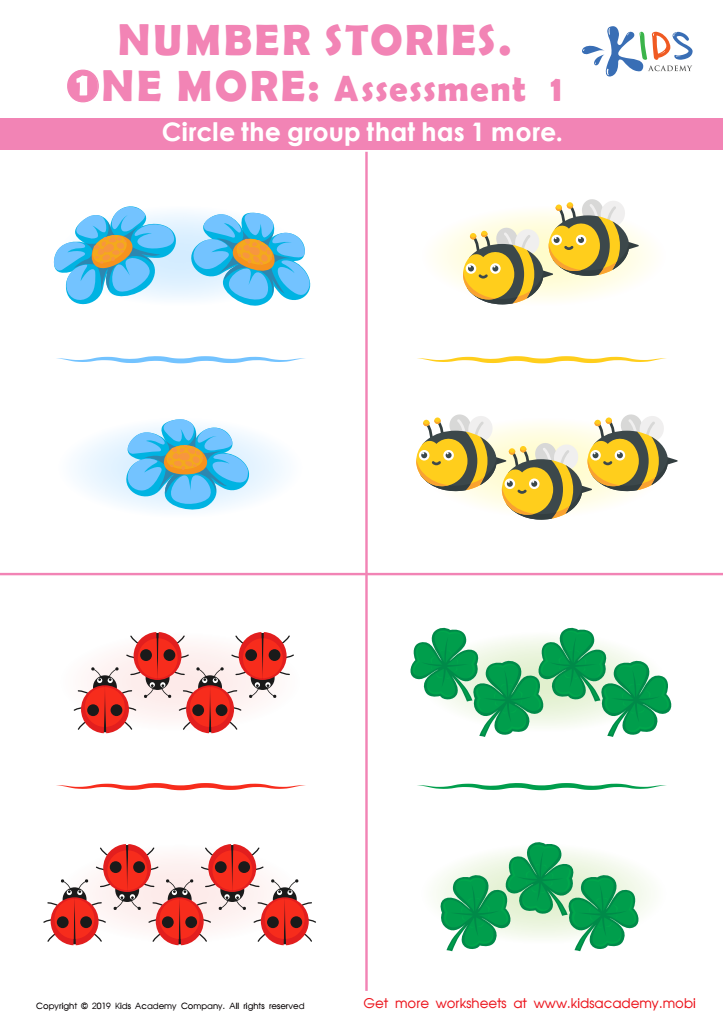
Number Stories One More – Assessment 1 Worksheet
 Assign to My Students
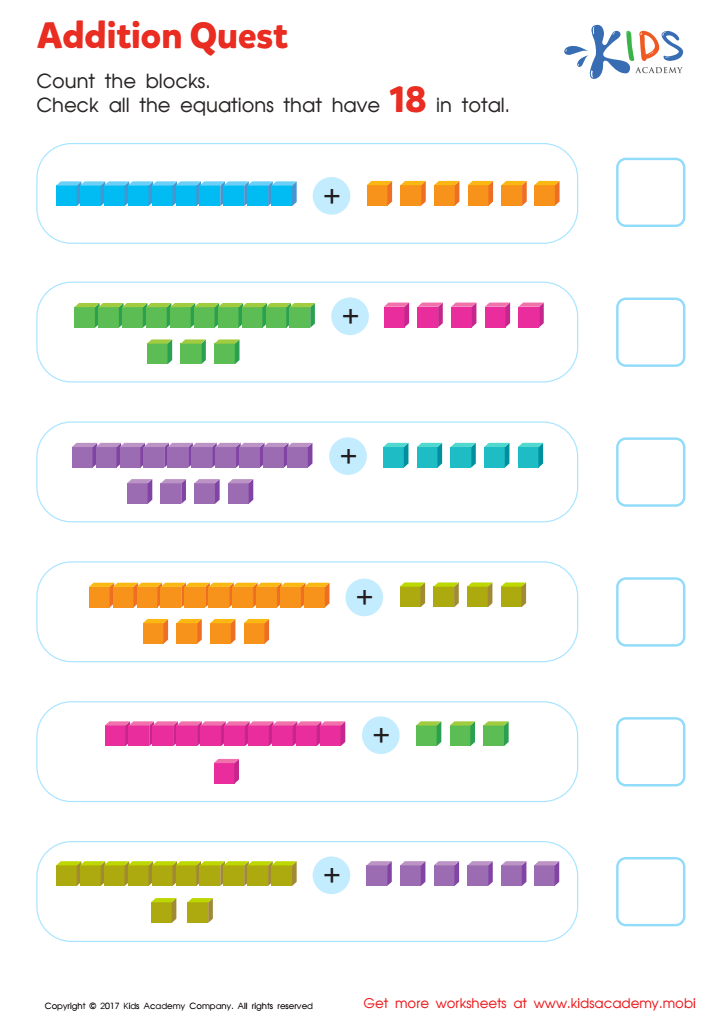
Addition Quest Worksheet: Part 2
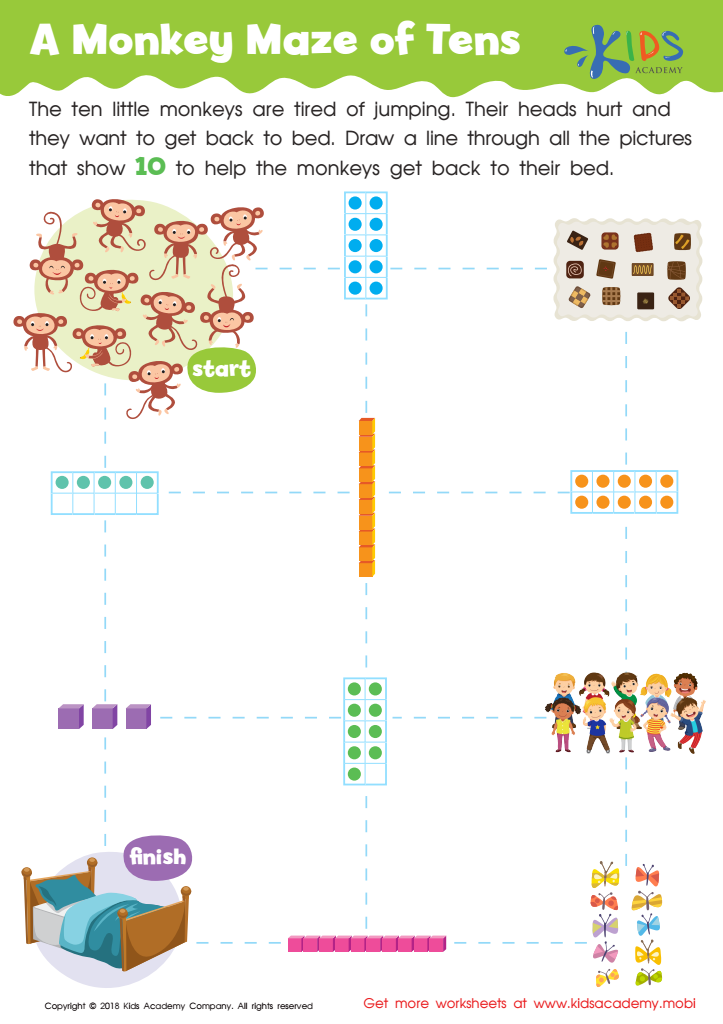
A Monkey Maze of Tens Worksheet
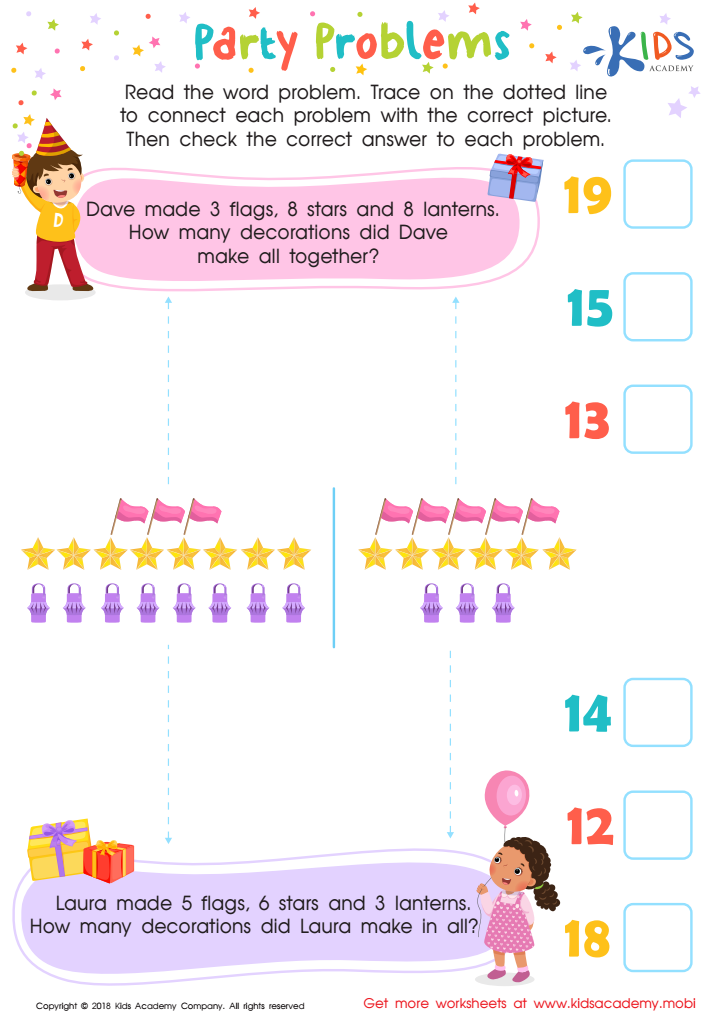
Party Problems Worksheet
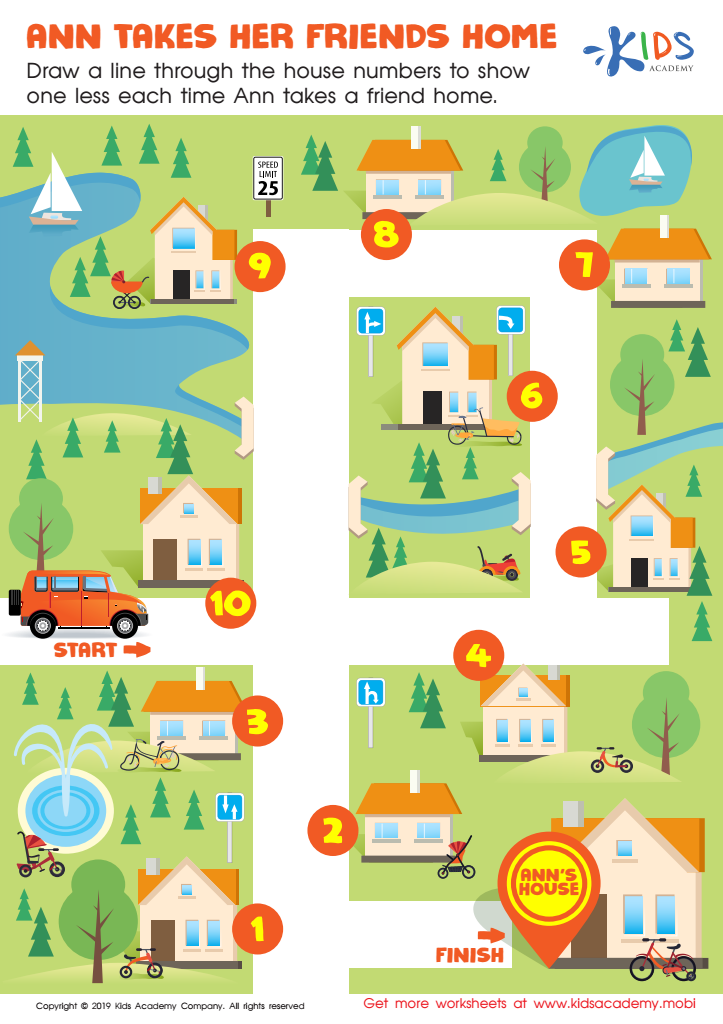
Ann Takes her Friends Home Worksheet








Problem Solving Numbers for ages 3-6 is crucial because it lays the foundation for critical thinking and analytical skills early in a child's development. At this age, children are naturally curious, and engaging them in problem-solving activities helps sharpen their cognitive abilities. By introducing numerical concepts through playful, interactive methods, parents and teachers can foster enthusiasm for math and logic, making learning enjoyable.
Additionally, problem-solving encourages creativity and innovative thinking. Children learn to approach challenges from different perspectives and develop persistence as they tackle tasks. This is not only beneficial for math but also enhances overall cognitive development, promoting skills like reasoning and decision-making.
Furthermore, early exposure to problem-solving in numbers contributes to emotional and social development. Collaborative activities provide opportunities for teamwork, sharing, and communication, which are essential skills in school and life.
Supporting children in problem-solving enhances their confidence, enabling them to navigate future academic challenges with ease. Careful guidance in these formative years ensures that children develop a positive relationship with math and learning, setting the stage for lifelong success and adaptability in an ever-evolving world.








