Basic Math understanding Math Worksheets for Ages 3-6
10 filtered results
-
From - To
Discover engaging Basic Math Understanding Worksheets designed for ages 3-6 at Kids Academy! Our expertly crafted worksheets focus on fundamental math skills, making learning enjoyable and effective for young children. Through playful activities, kids will effortlessly grasp basic concepts such as counting, number recognition, and simple addition and subtraction. These interactive sheets serve as excellent resources for parents and educators alike, ensuring a strong mathematical foundation. Foster a love for learning and enhance your child's early math proficiency with our fun, whimsical worksheets! Visit Kids Academy today!
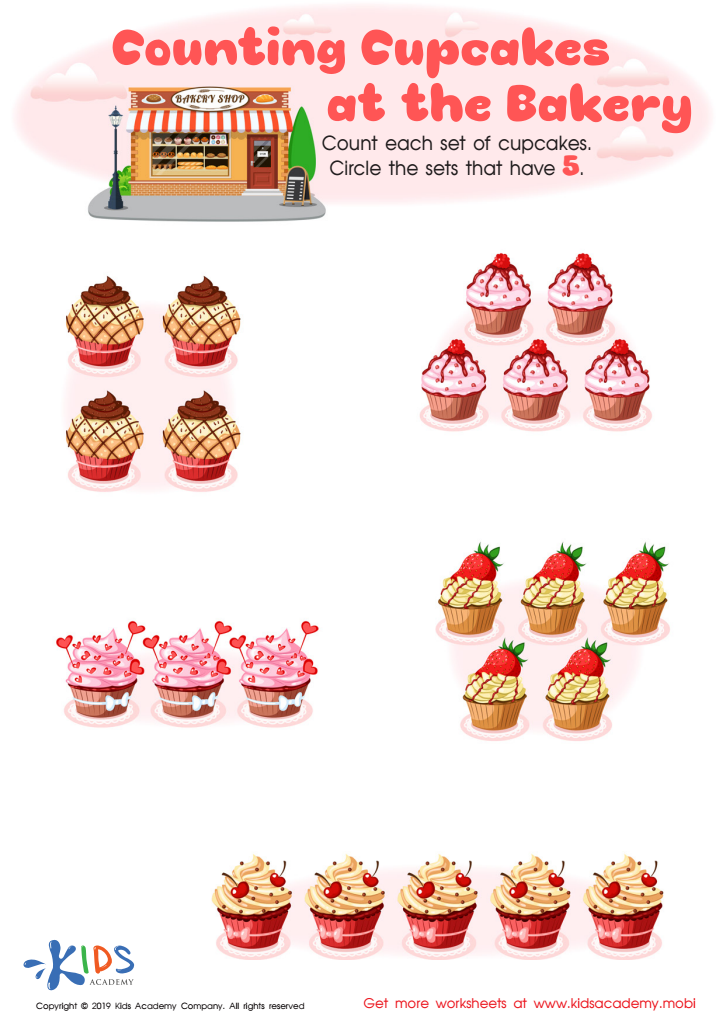
Counting Cupcakes Worksheet

Number 10 Printable
 Assign to My Students
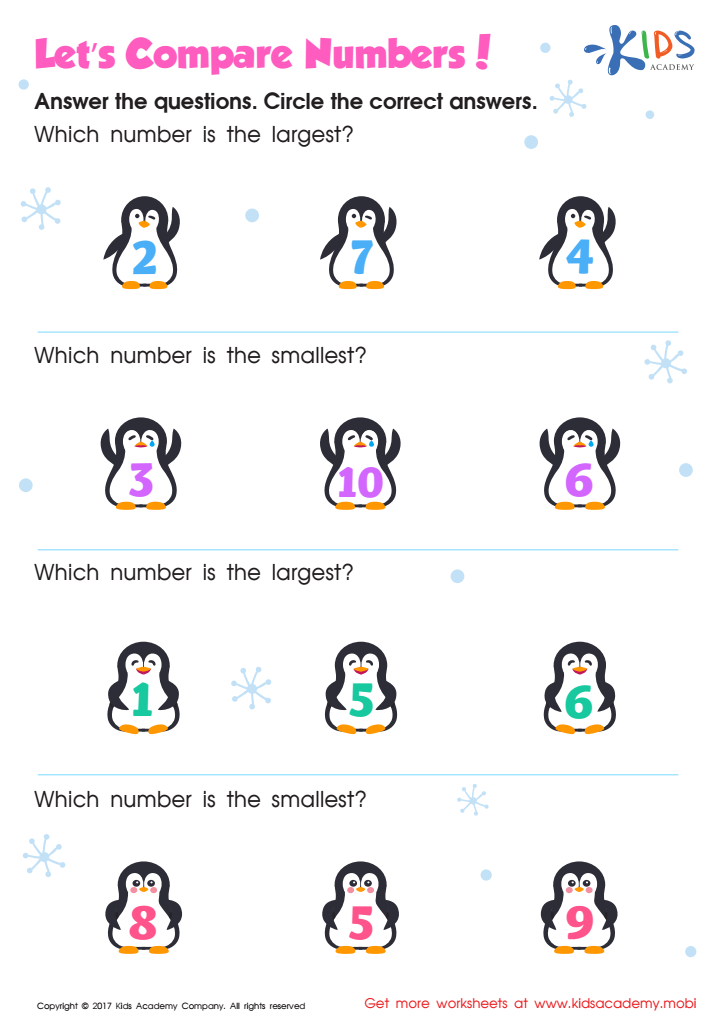
Comparing Numbers 1–10 Worksheet Kindergarten
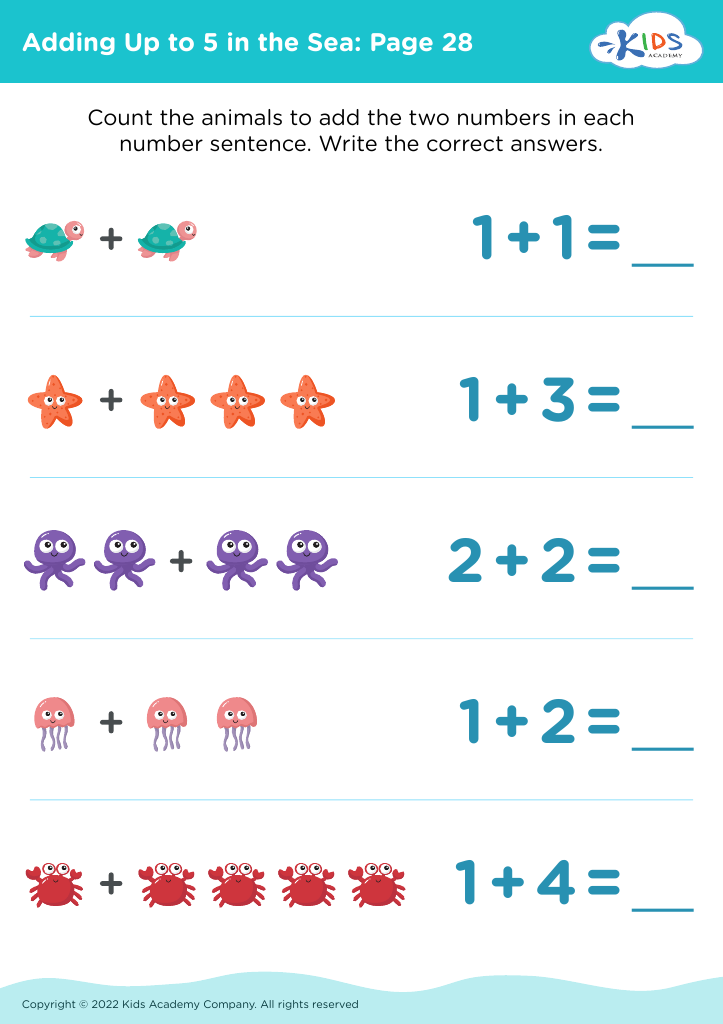
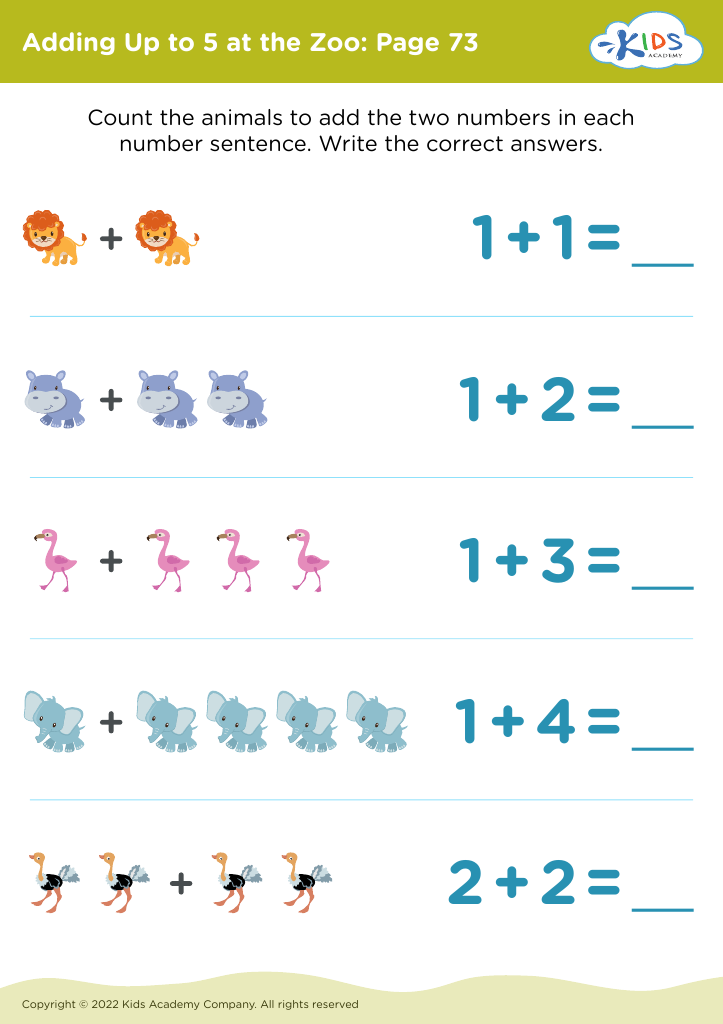
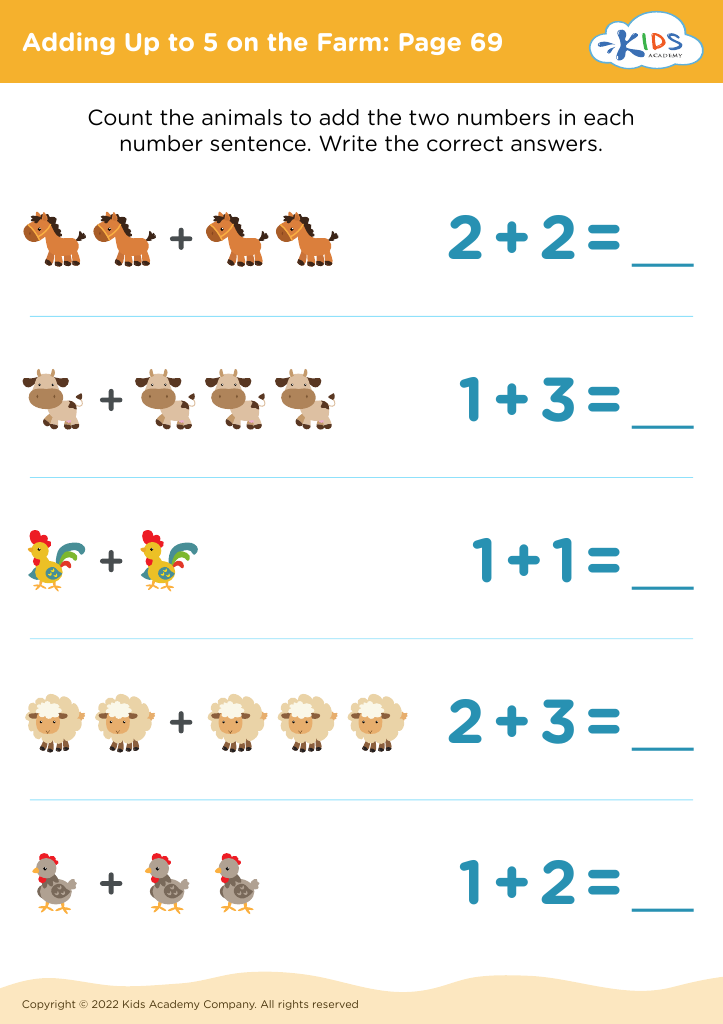
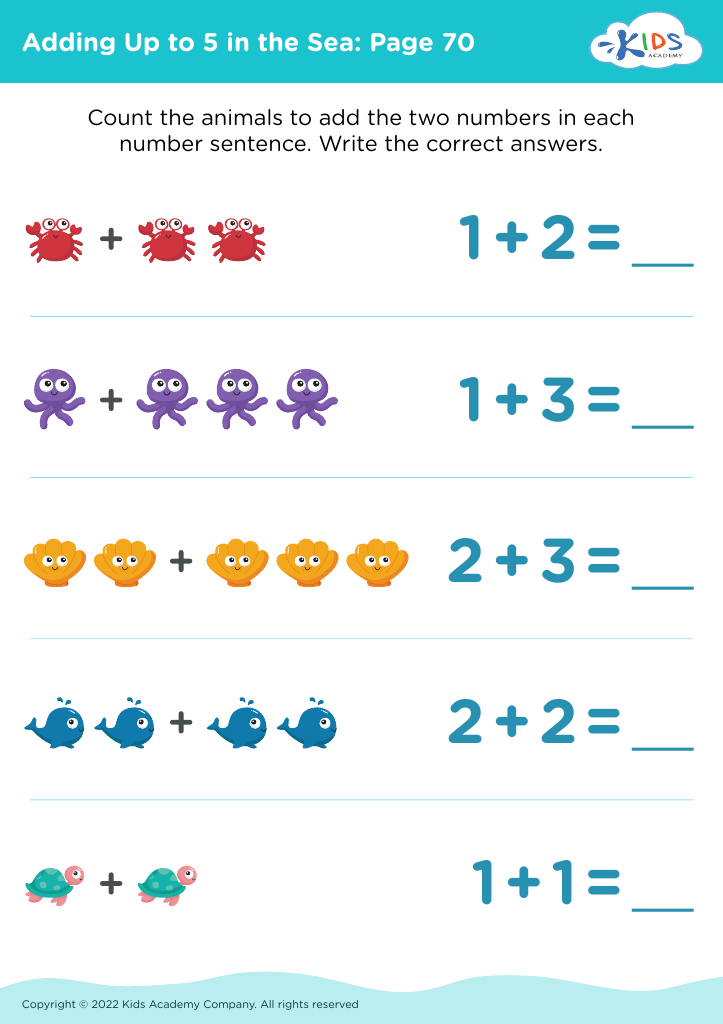
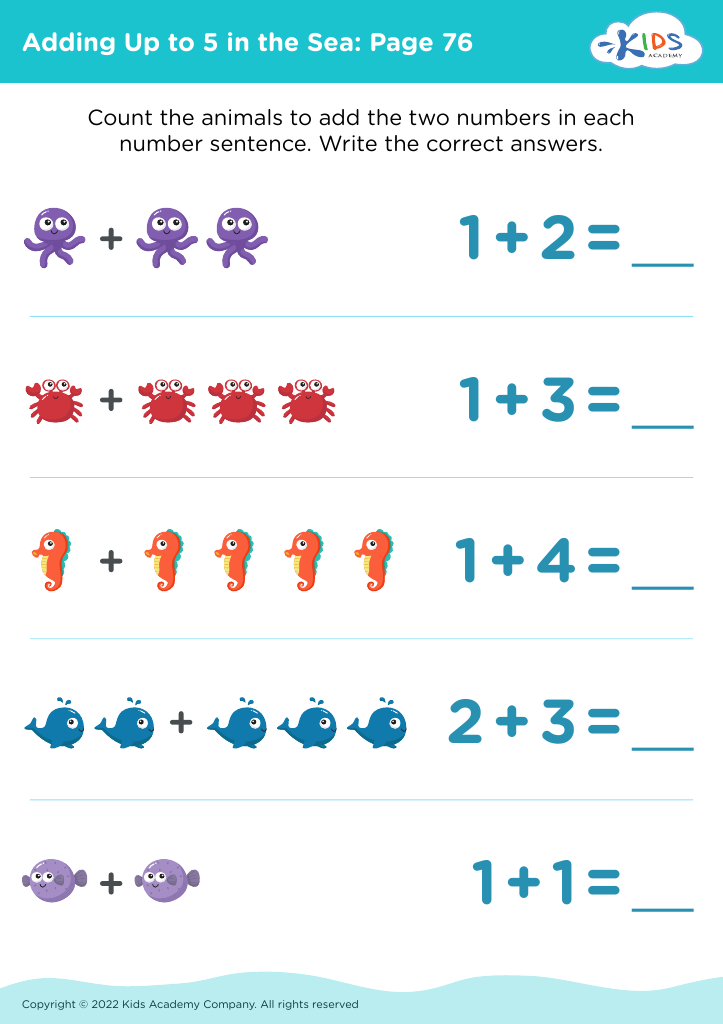
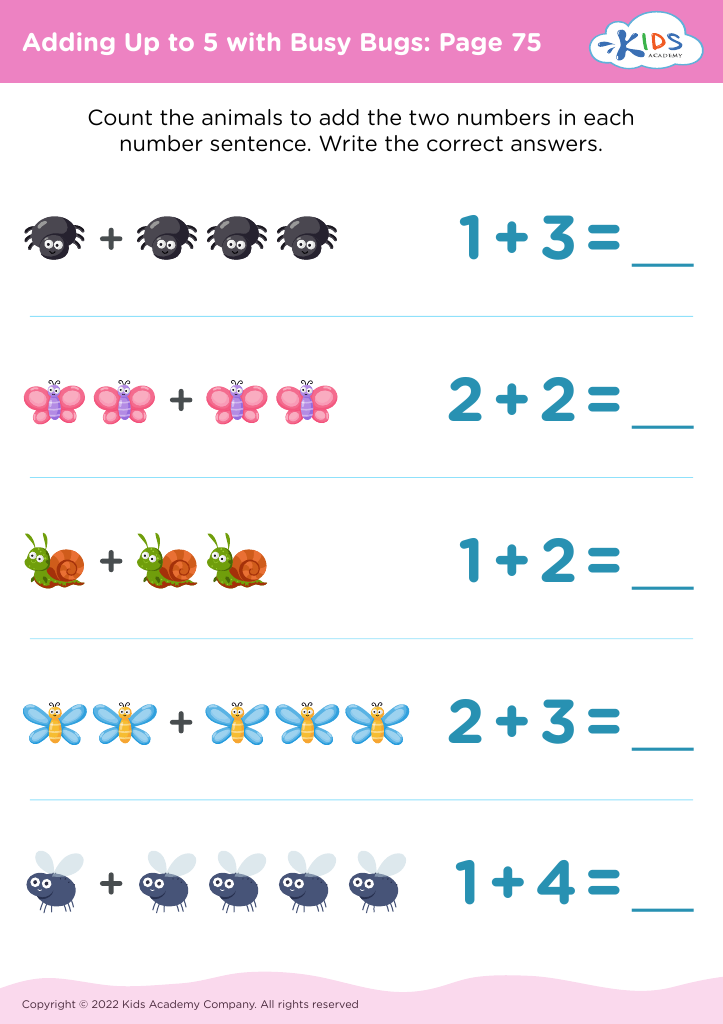
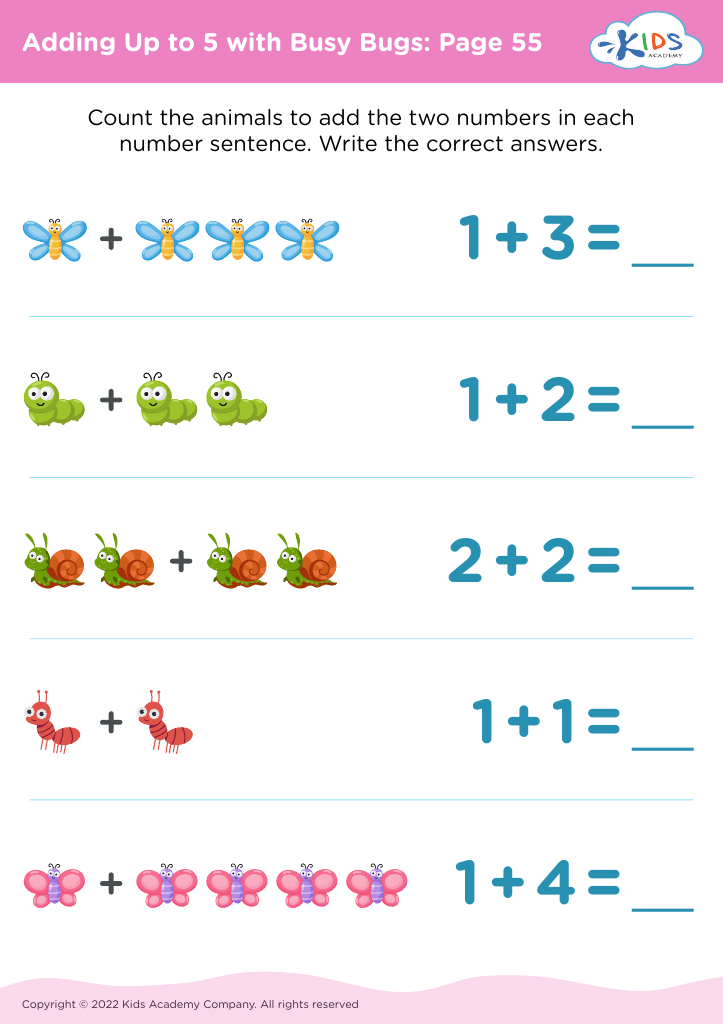








Understanding basic math concepts during the ages of 3-6 is crucial for a child's cognitive and overall development. In this formative period, young minds are incredibly receptive and rapidly absorbing new information. Introducing basic math skills such as counting, recognizing numbers, shapes, and patterns can significantly enhance their problem-solving abilities and critical thinking.
Early math skills are foundational for both academic success and day-to-day functioning. They help children understand and navigate the world around them, like measuring objects, understanding time, and even recognizing patterns in nature. Moreover, early math competence is a strong predictor of later academic achievement, not just in mathematics but across other subjects like reading and science as well.
Parents and teachers play a pivotal role in cultivating an engaging learning environment that fosters curiosity and excitement around numbers. Positive early experiences with math make children more likely to approach difficult challenges with confidence rather than anxiety. Activities such as counting games, sorting toys by size or color, and simple puzzles can make learning math fun and hands-on.
By investing time and energy into developing these skills early on, parents and teachers lay a solid foundation for the child's future learning and set them up for long-term success in both their academic and everyday lives.








