Enhancing observation skills Math Worksheets for Ages 3-6
7 filtered results
-
From - To
Unlock your child's potential with our "Enhancing Observation Skills Math Worksheets" designed for ages 3 to 6! These engaging worksheets are perfect for fostering essential observational skills while making math fun. Each activity encourages young learners to identify patterns, compare shapes, and explore colors, setting a strong foundation for mathematical understanding. Our thoughtfully crafted exercises boost critical thinking and enhance concentration, catering to diverse learning styles. Perfect for at-home learning or as a supplement to classroom education, these worksheets stimulate curiosity and promote observational prowess. Download now and embark on a joyful journey of discovery with your child!
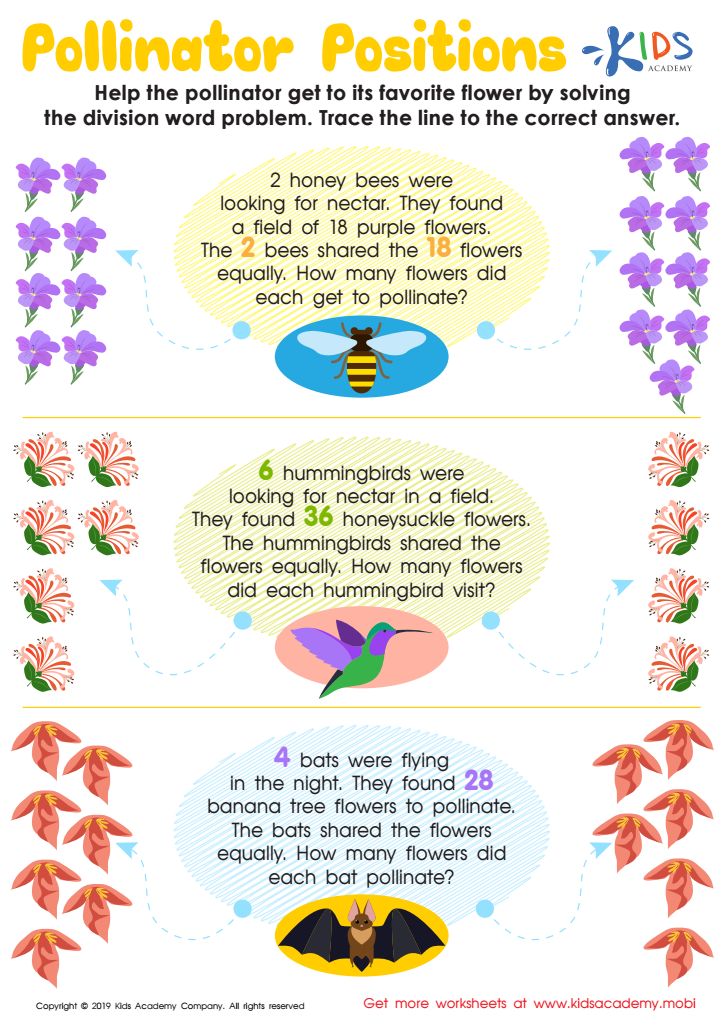
Pollinator Positions Worksheet
 Assign to My Students
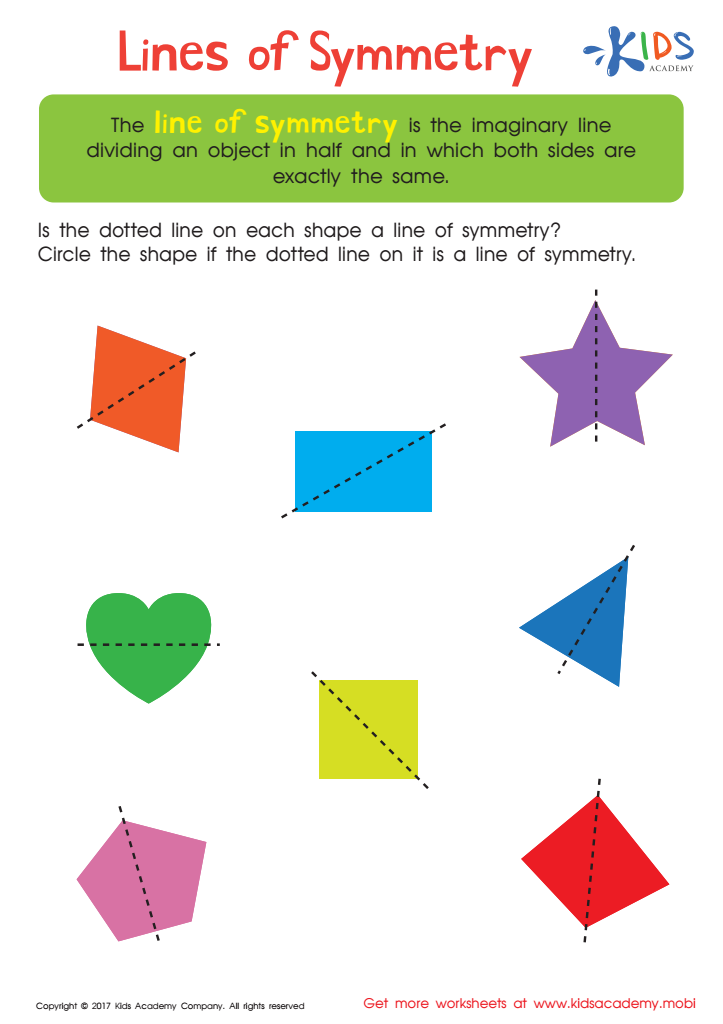
Lines of Symmetry Printable
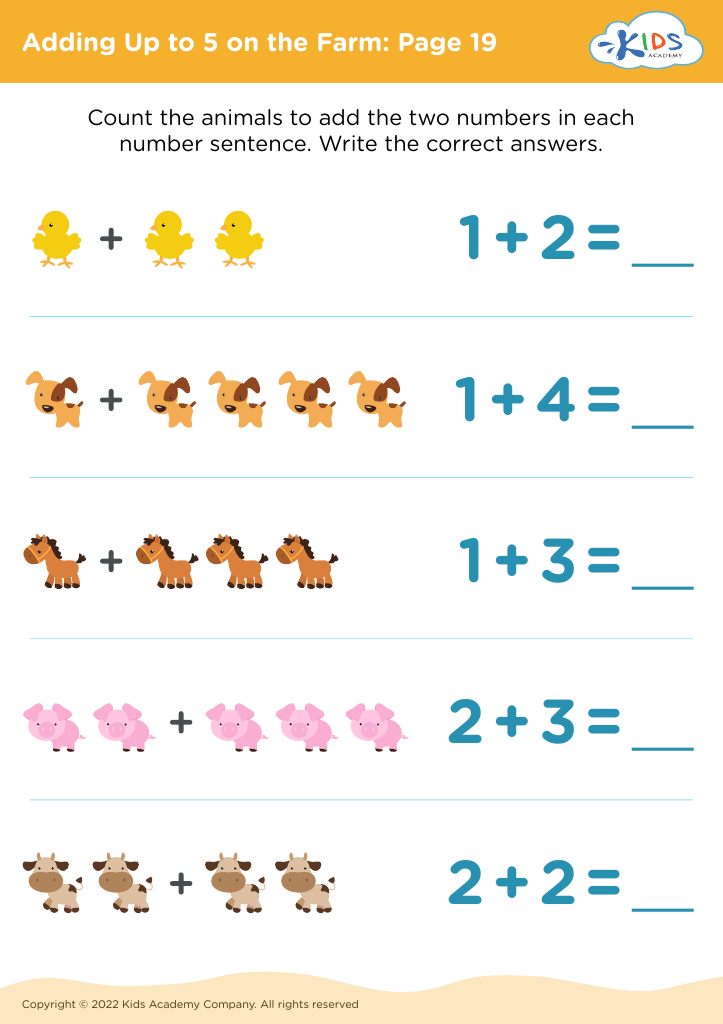
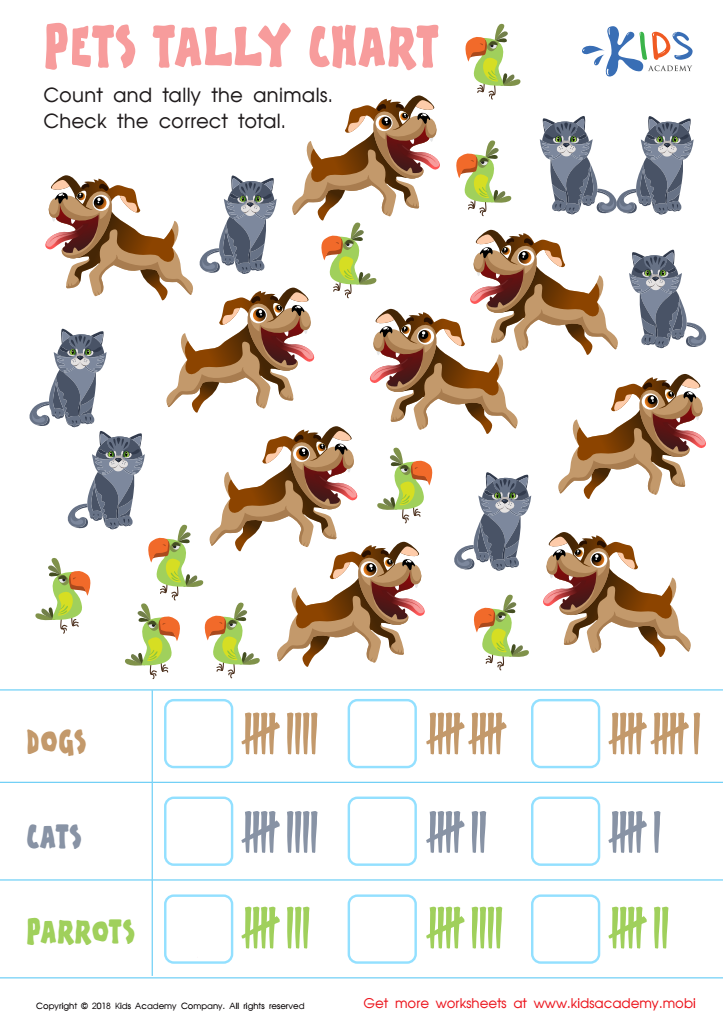
Pets Tally Chart Worksheet
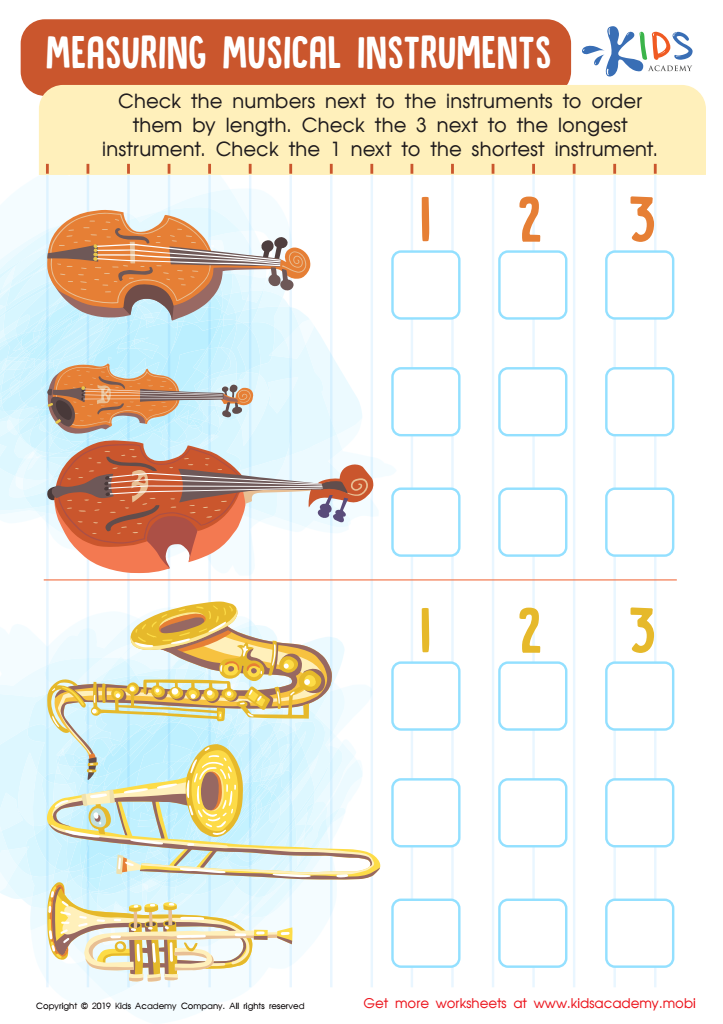
Measuring Musical Instruments Worksheet
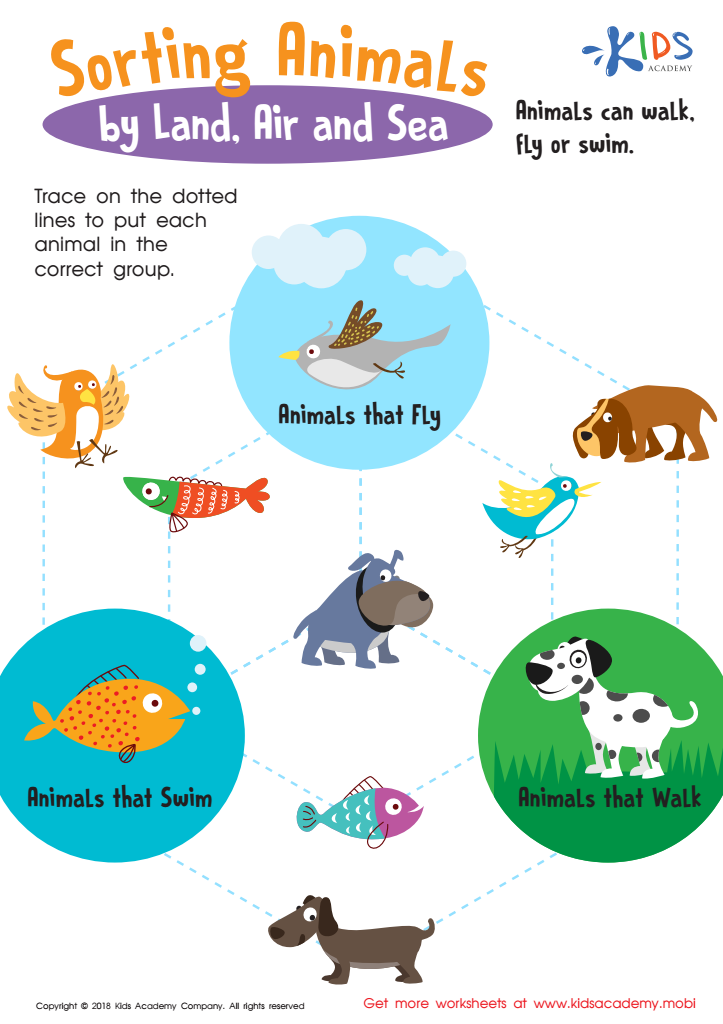
Sorting Animals by Land, Air and Sea Worksheet
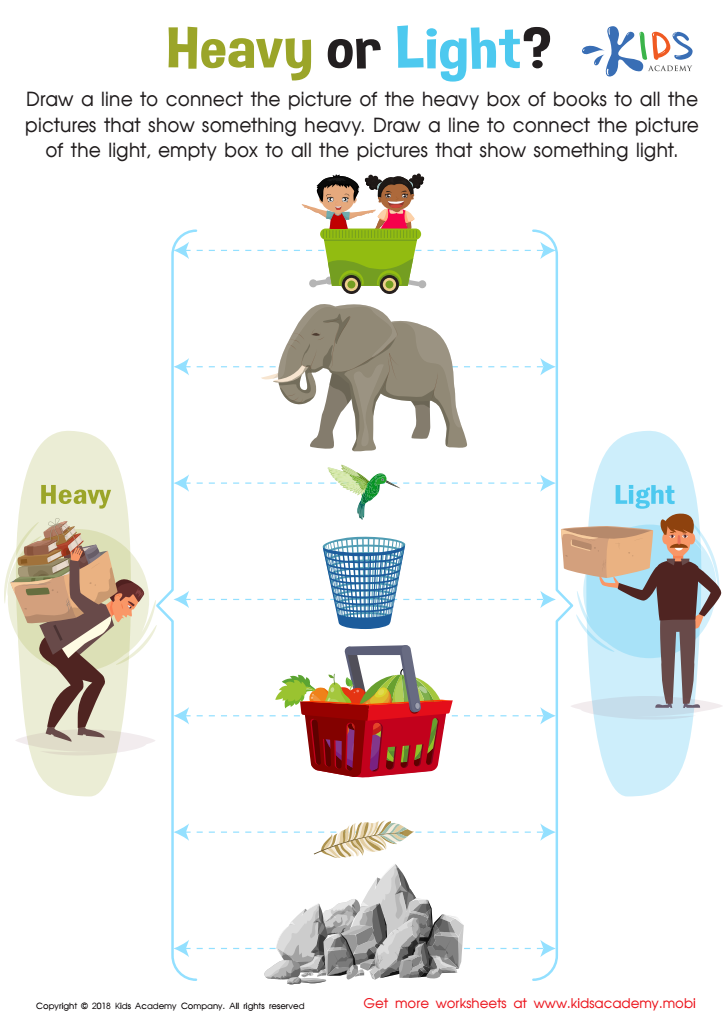
Heavy or Light? Worksheet






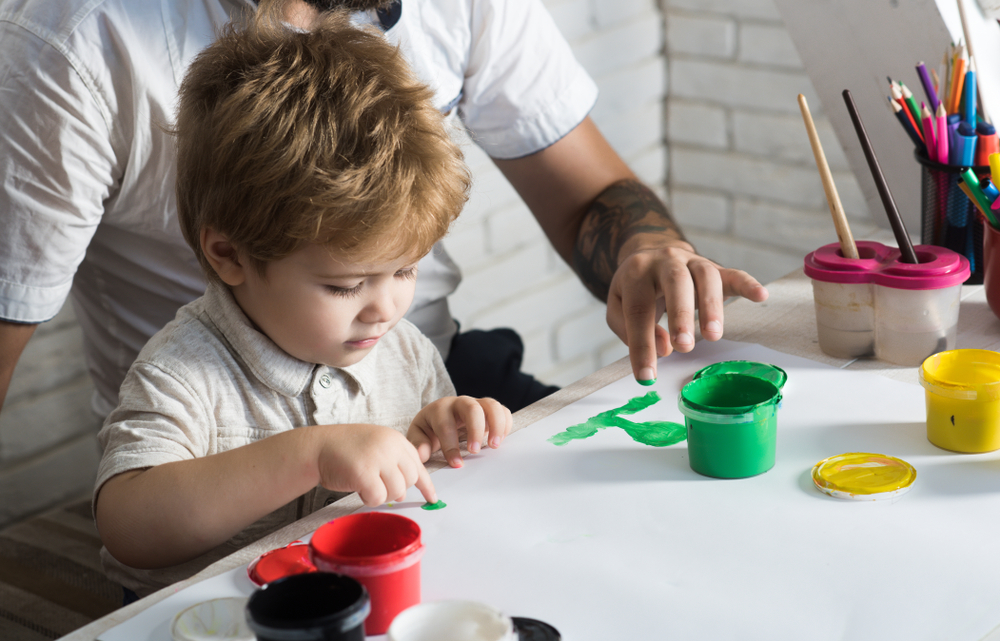

Enhancing observation skills in math for children ages 3-6 is crucial for their cognitive development and overall learning. At this early stage, children are naturally curious and eager to explore their surroundings. By nurturing their observational skills, parents and teachers can foster a deeper understanding of mathematical concepts in a playful, engaging manner.
Observation skills help children notice patterns, relationships, sizes, and shapes in the world around them—fundamental elements of math. When children learn to observe, they begin to recognize numerical relationships and positional vocabulary, laying a strong foundation for advanced math skills. For instance, observing how many objects are in a group can introduce them to counting, while noticing shapes can lead to an understanding of geometry.
Moreover, enhancing these skills promotes critical thinking and problem-solving abilities. When children engage in observation-focused activities, they learn to ask questions, analyze information, and draw conclusions, which are vital skills not just in math but across all domains of learning.
Lastly, by integrating math into everyday situations through observation, parents and teachers can help create a positive attitude toward math from a young age, reducing future anxiety and fostering a lifelong love for learning in children. This holistic approach to early math education ultimately supports children’s readiness for school and future academic success.








