Fine motor development Math Worksheets for Ages 3-6
6 filtered results
-
From - To
Unlock your child's potential with our Fine Motor Development Math Worksheets for ages 3-6! Designed to enhance early math skills while strengthening hand-eye coordination and fine motor skills, these engaging worksheets make learning fun. Filled with colorful and interactive activities, your child will trace shapes, practice counting, and engage in cutting and pasting games that promote dexterity. Perfect for preschoolers and kindergartners, these worksheets integrate essential math concepts with hands-on activities that inspire creativity and exploration. Watch your little learners grow as they develop confidence and prepare for future academic success. Start their learning journey today with our expertly crafted resources!
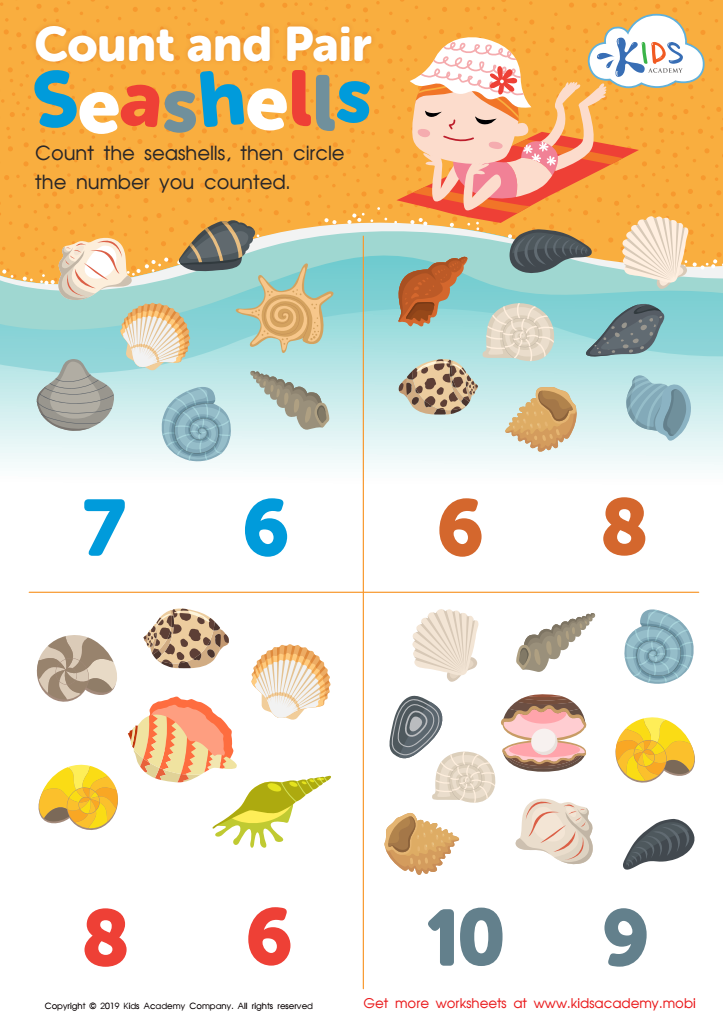
Count and Pair Seashells Worksheet
 Assign to My Students
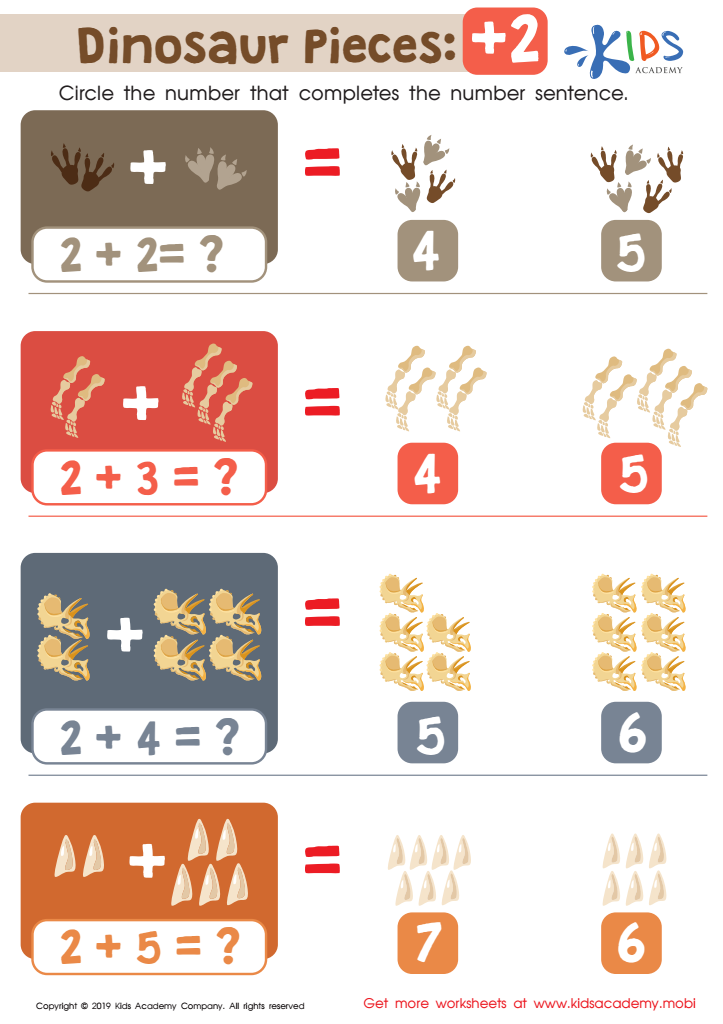
Dinosaur Pieces: +2 Worksheet
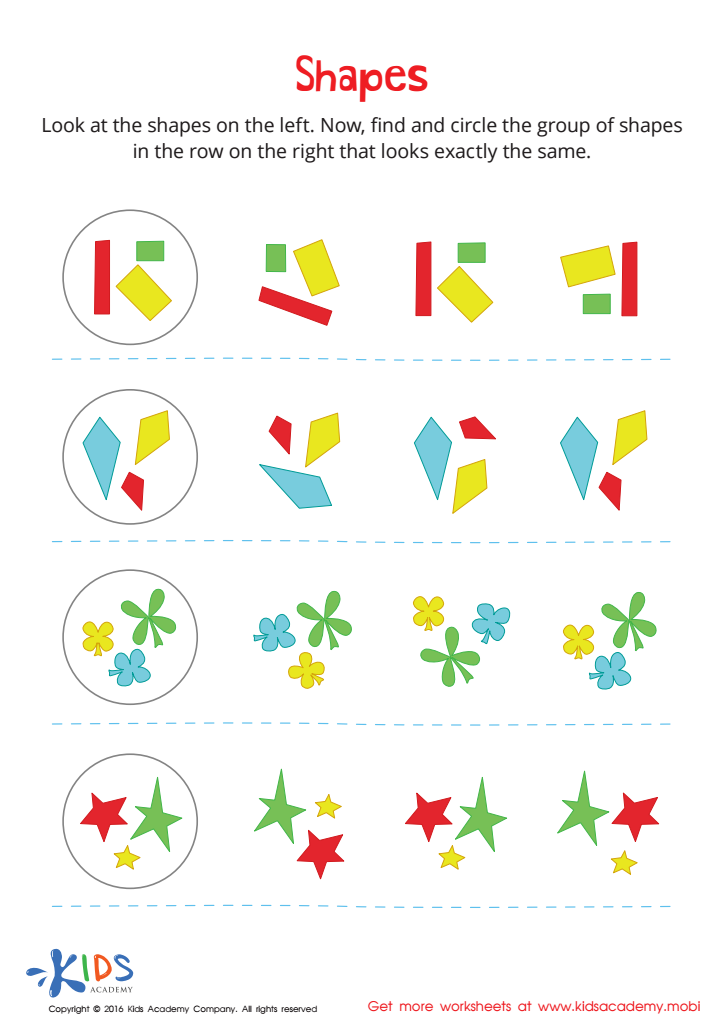
Shapes Worksheet
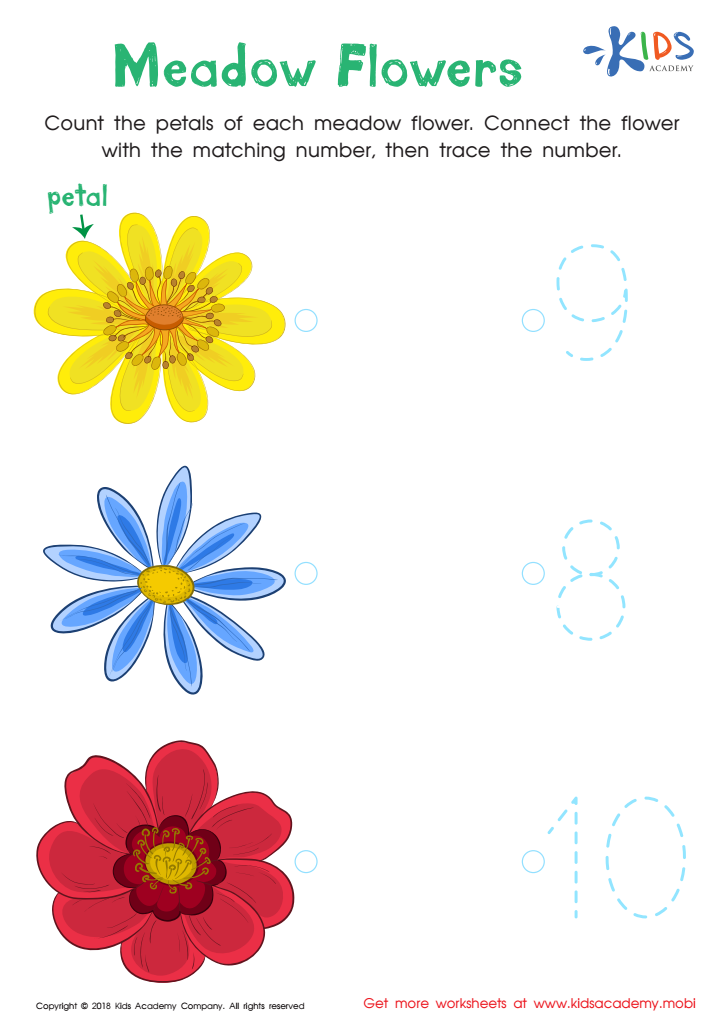
Kindergarten Number Tracing: Medow Flowers Worksheet








Fine motor development is crucial for children aged 3-6 as it lays the foundation for various skills essential in later life, including academic success in subjects like math. During this formative stage, children develop the smaller muscles in their hands and fingers through activities such as cutting with scissors, coloring, and manipulating small objects. These skills are intrinsically connected to mathematical concepts; for example, grasping and handling objects enhances spatial awareness and understanding of shape.
Fine motor skills also improve hand-eye coordination, which facilitates tasks like writing numbers and drawing shapes—core components of early math education. When children can efficiently use their hands, they gain confidence in engaging with math-related activities, from sorting objects by size and color to counting and simple problem-solving.
Parents and teachers should take an active role in fostering fine motor development through engaging and playful activities. Incorporating fine motor tasks, like building with blocks, threading beads, or playing with clay, not only support motor skills but also make learning math fun and interactive. Ultimately, nurturing these skills sets the stage for improved focus, coordination, and success in mathematics and beyond, making fine motor development an essential component of early childhood education.








