Fine motor skills development Math Worksheets for Ages 3-6
3 filtered results
-
From - To
Introduce your young learner to the world of math skills development with our Fine Motor Skills Development Math Worksheets designed for ages 3-6. These engaging worksheets combine fun math exercises with effective fine motor skill activities, such as tracing, drawing, and matching. Perfect for preschoolers and kindergarteners, our worksheets ensure children gain essential number recognition while enhancing their pencil control and hand-eye coordination. Ideal for classrooms, homeschooling, or extra practice at home, our expertly crafted worksheets make learning enjoyable and help build a strong mathematical foundation from an early age. Start their learning adventure today!
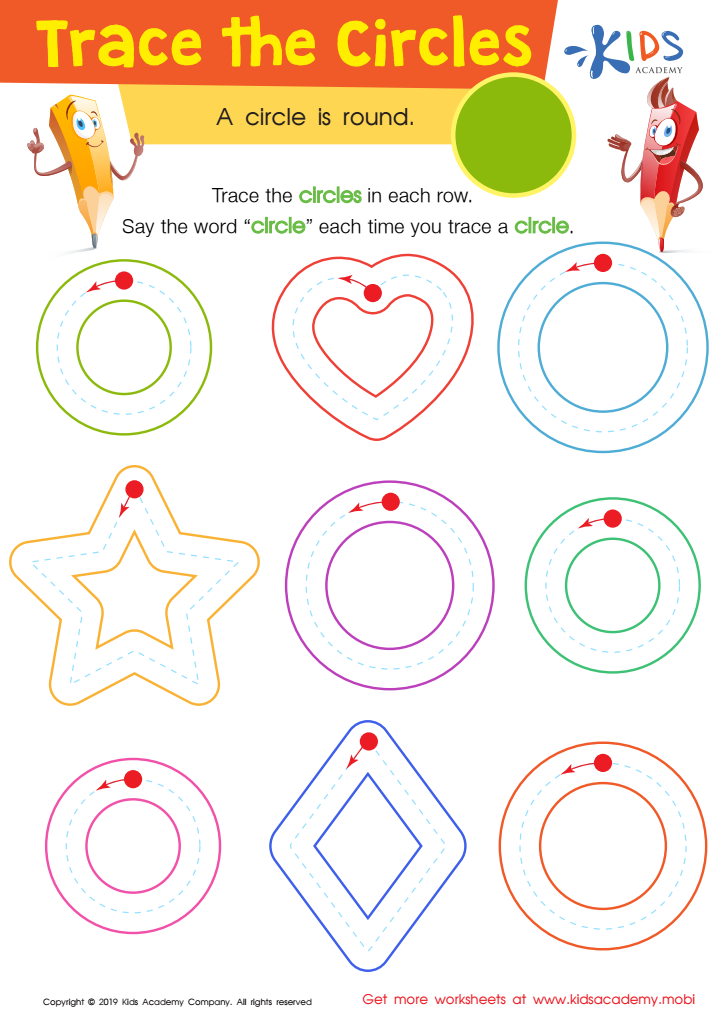
Trace The Circles Worksheet
 Assign to My Students
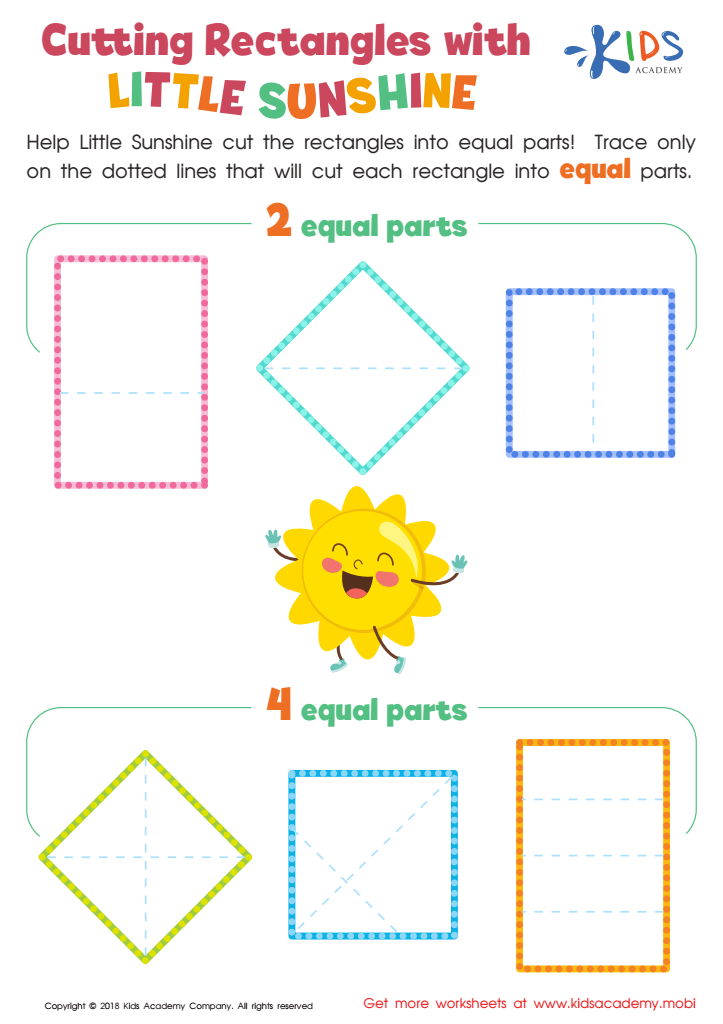
Cutting Rectangles with Little Sunshine Worksheet
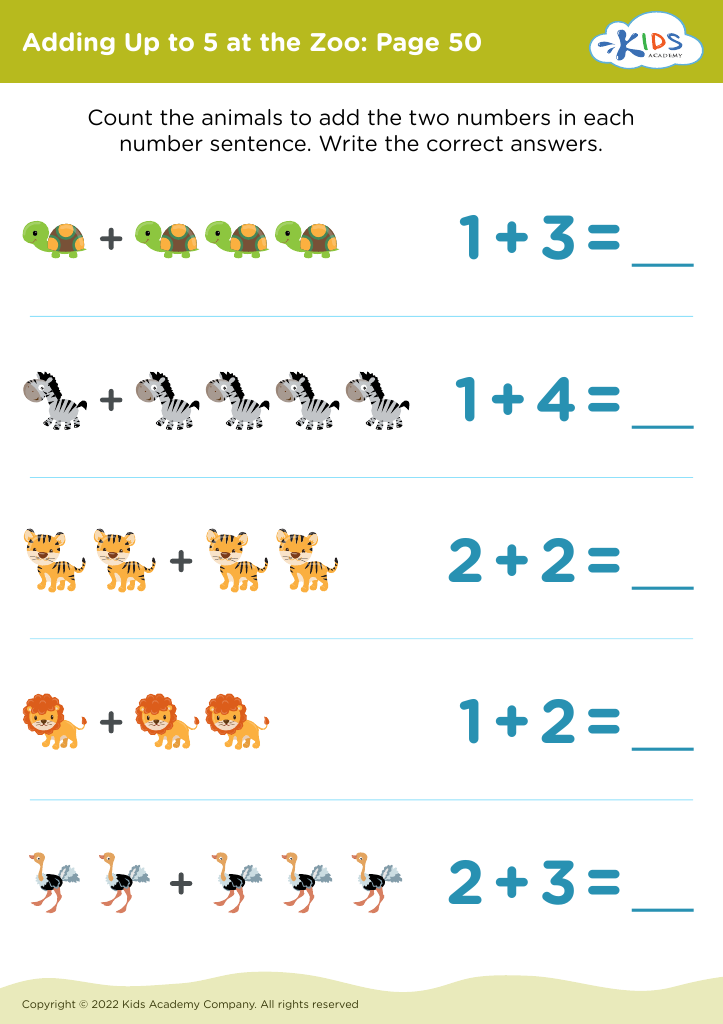



%20(1).jpg)
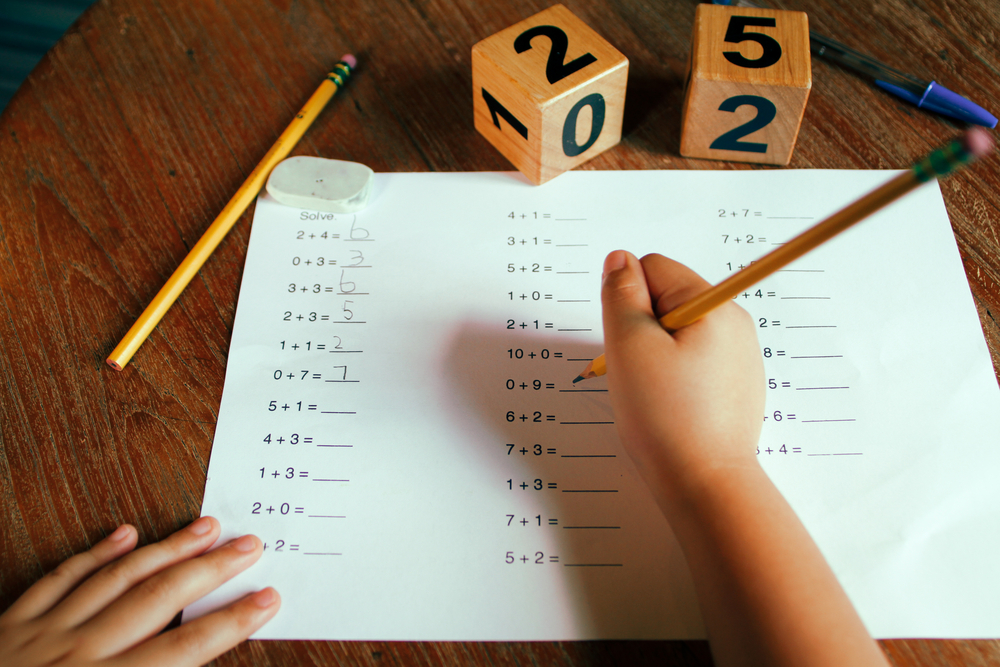
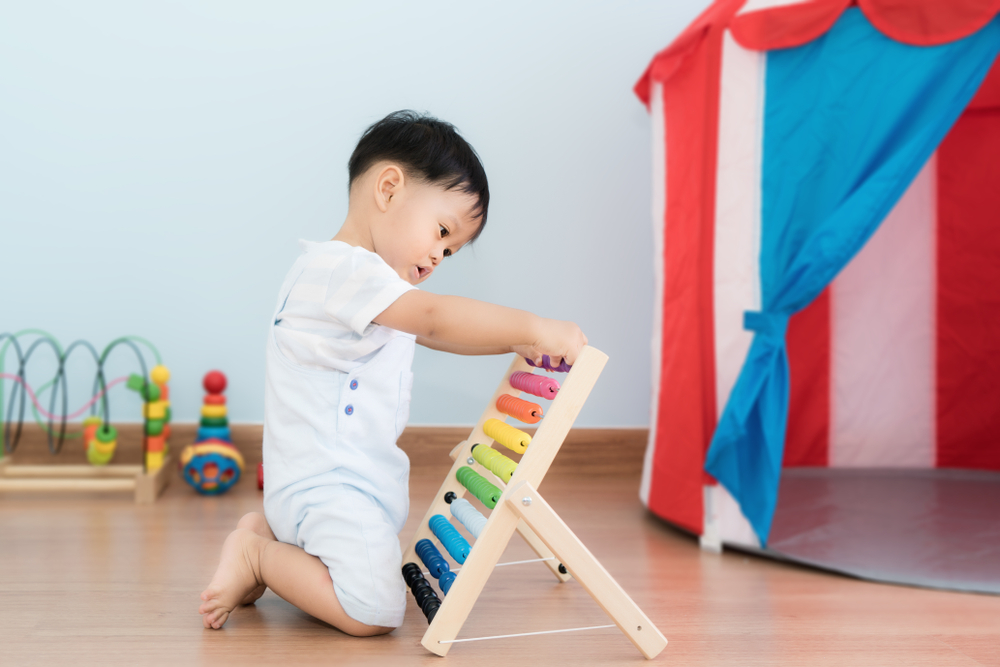


Fine motor skills are essential for young children's overall development and significantly impact their ability to succeed in skills, including math. For children aged 3-6, fine motor skills are refined through activities requiring precise hand and finger movements such as cutting with scissors, stringing beads, or manipulating small objects. The development of these skills is foundational for proper pencil grip, handwriting, and the ability to perform daily tasks independently.
Mathematics often requires fine motor dexterity, too. From counting objects to drawing shapes, children utilize these skills to physically engage with mathematical concepts. For instance, sorting buttons by size or color, placing stickers in adherence to numeracy, or constructing block towers involves fine motor coordination. These activities reinforce math concepts such as sorting, patterning, and spatial awareness, which are critical for their cognitive development.
Moreover, practicing fine motor skills enhances hand-eye coordination, concentration, and problem-solving abilities. When parents and teachers support the development of fine motor skills, they are not only aiding in the children’s math-related tasks but also priming them for broader academic achievement. Activities guided by fun and creative approaches ensure children develop these essential skills naturally and joyfully, cultivating a strong foundation well-suited for academic success.








