Fine motor skills (drawing lines) Math Worksheets for Ages 3-6
7 filtered results
-
From - To
Discover our engaging Fine Motor Skills Math Worksheets, designed specifically for ages 3-6, to help children develop their hand-eye coordination through fun line-drawing activities. These printable worksheets encourage young learners to trace, draw, and create various lines and shapes, enhancing their fine motor skills essential for writing and other activities. Each worksheet is crafted to captivate your child's interest while promoting mathematical concepts foundational to their educational journey. Perfect for preschoolers at home or in the classroom, these resources support key developmental milestones, making learning enjoyable and effective. Download now to spark creativity and skills that last a lifetime!

Count and Match Vegetables 1 – 7 Math Worksheet
 Assign to My Students

Counting Eggs Worksheet
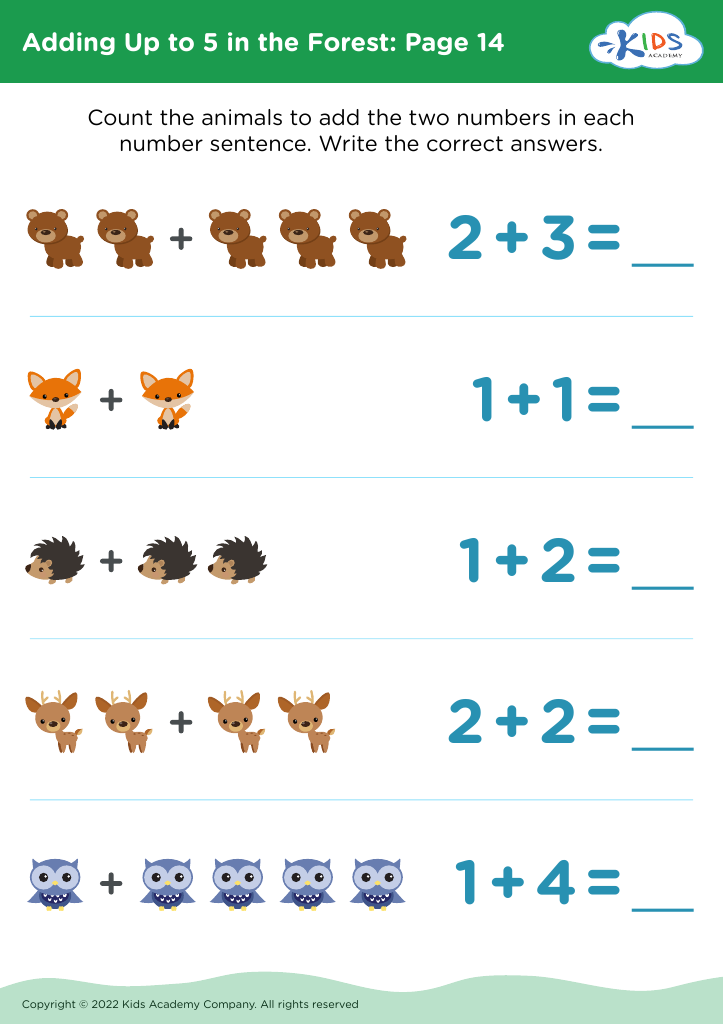
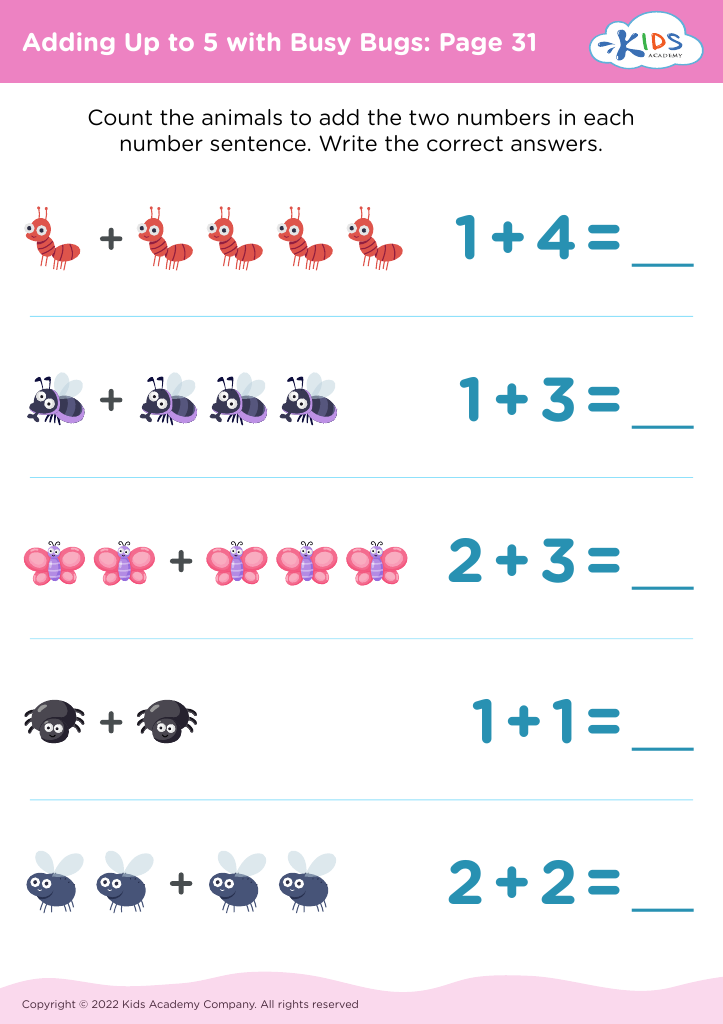

Count and Match Vegetables 2 – 8 Math Worksheet
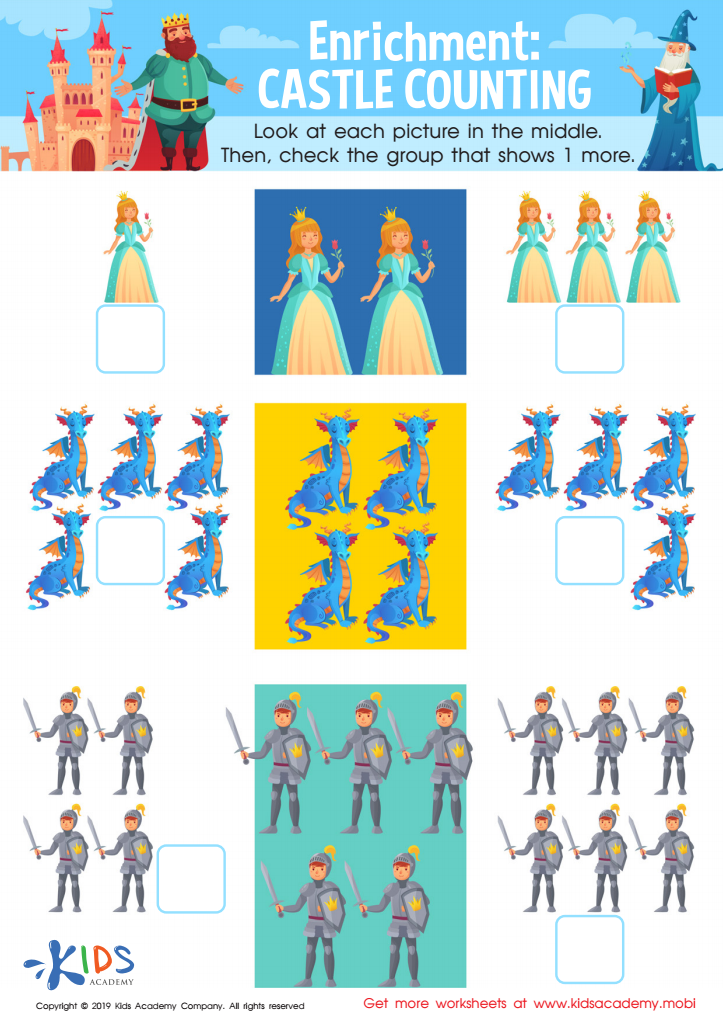
Enrichment: Castle Counting Worksheet
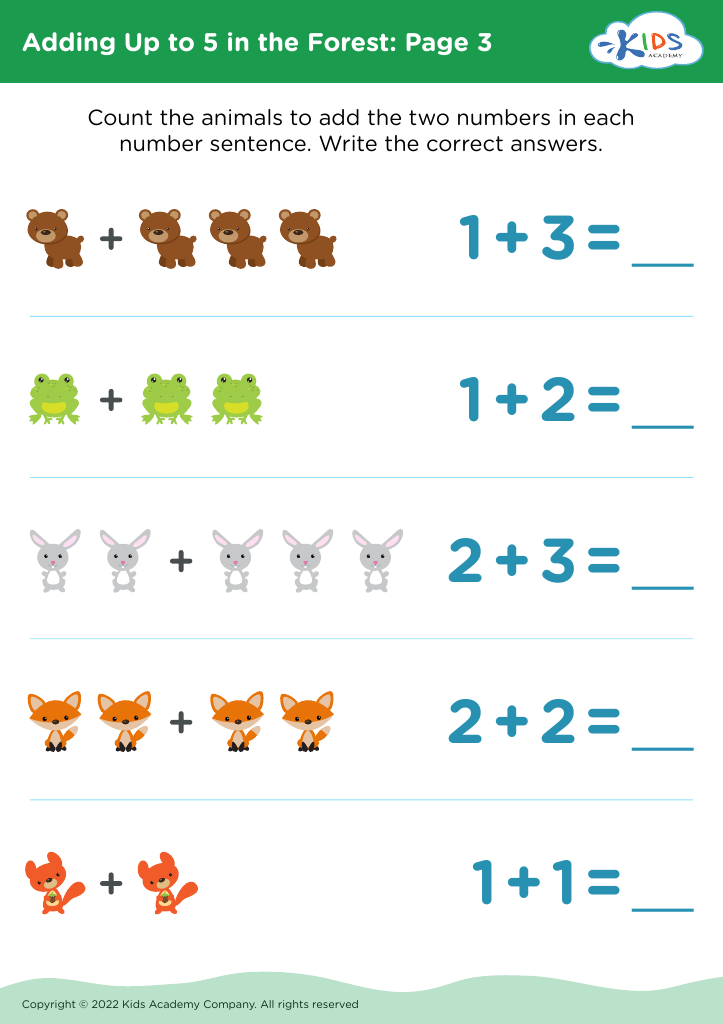








Fine motor skills play a crucial role in the early development of children, particularly in the context of drawing lines and engaging with math concepts for ages 3-6. Mastering these skills is essential for various everyday tasks, from writing to manipulating small objects. When children practice drawing lines, they enhance their hand-eye coordination and dexterity, which are foundational for more complex tasks like writing numbers and letters.
Furthermore, connecting fine motor skills to math experiences lays the groundwork for later mathematical comprehension. For instance, drawing lines can help children grasp counting, sequencing, and shape recognition—key elements of early math learning. Engaging with these skills can turn abstract mathematical ideas into tangible, hands-on experiences, making learning both enjoyable and effective.
Teachers and parents should nurture these skills during this critical developmental window to foster confidence and competence. As children improve their fine motor abilities, they become more prepared for future learning challenges. Ultimately, prioritizing fine motor skills is an investment in a child's overall cognitive development, paving the way for academic success and everyday independence. Encouraging practices such as tracing, drawing, and playful activities not only supports fine motor development but also enhances mathematical understanding, creating a holistic learning experience.








