Introducing our engaging Math Worksheets designed to enhance fine motor skills for children ages 3-6! These worksheets focus on writing numbers, making early math learning fun and interactive. They are tailored to develop precision and control in young learners, helping them confidently write numbers while boosting their hand-eye coordination. Perfect for preschoolers, kindergarteners, and early learners, these worksheets are an excellent resource for parents and educators aiming to nurture mathematical foundations. Enjoy a variety of exercises that make learning effortless and enjoyable! Download now to help your child succeed in mastering the basic building blocks of math.

Check out this FREE Trial Lesson on Math for age 3-6!

D

Favorites
With answer key
Interactive
  • 3-6
  • Fine motor skills (writing numbers)
  • Math
Count Together with the Ants Worksheet
Count Together with the Ants Worksheet
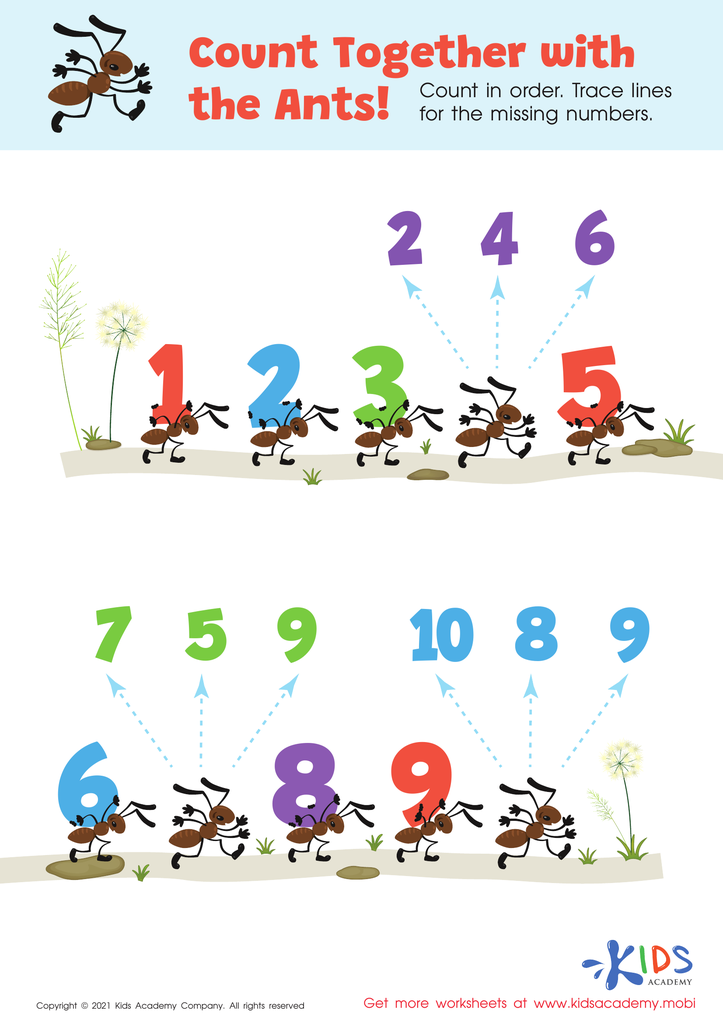
Rather than letting kids get too deep in online games, keep them engaged with learning worksheets. Ask them to identify the insect in the picture, then count the ants. Help them trace lines to the missing numbers. It's simple and straightforward for young children to comprehend.
Count Together with the Ants Worksheet
Worksheet
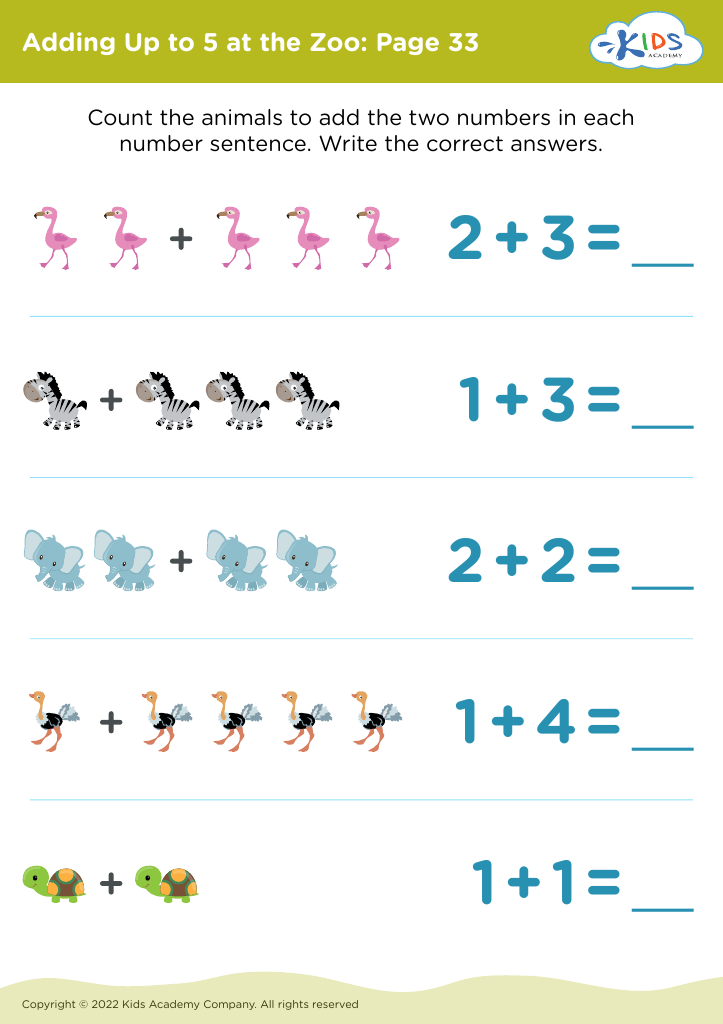
Adding Up to 5 at the Zoo: Page 33
Worksheet
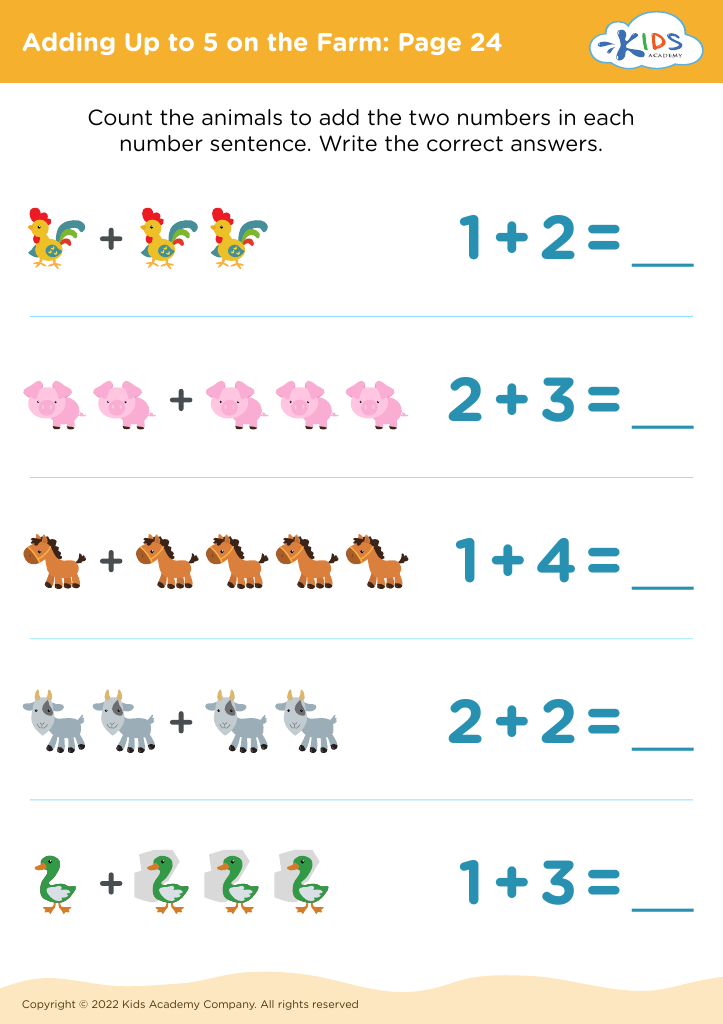
Adding Up to 5 on the Farm: Page 24
Worksheet
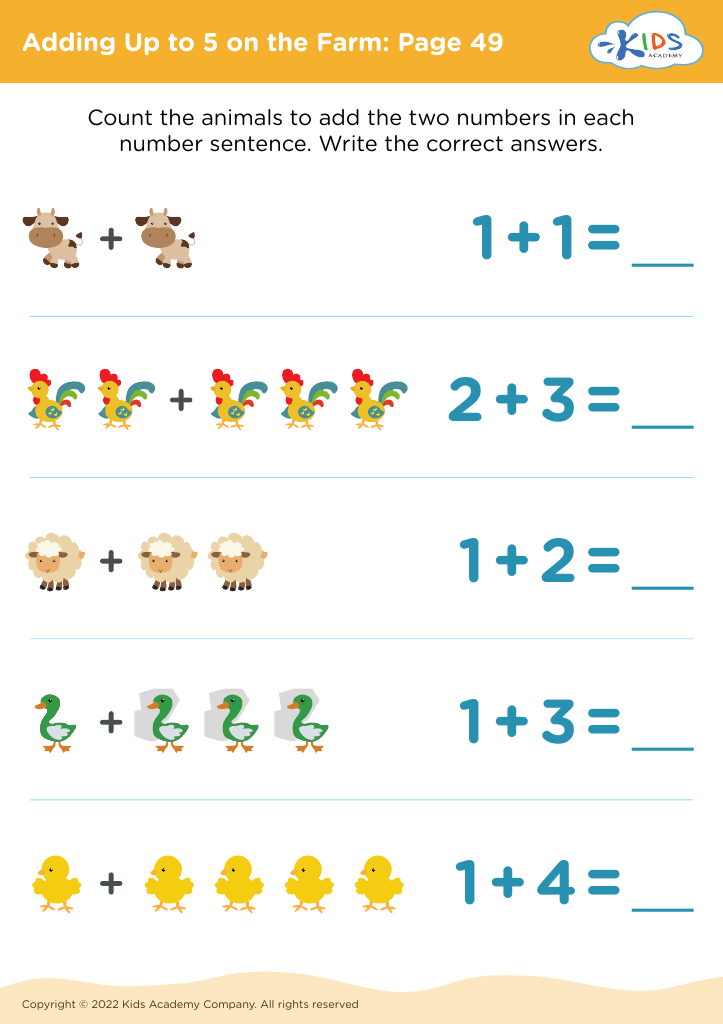
Adding Up to 5 on the Farm: Page 49
Worksheet
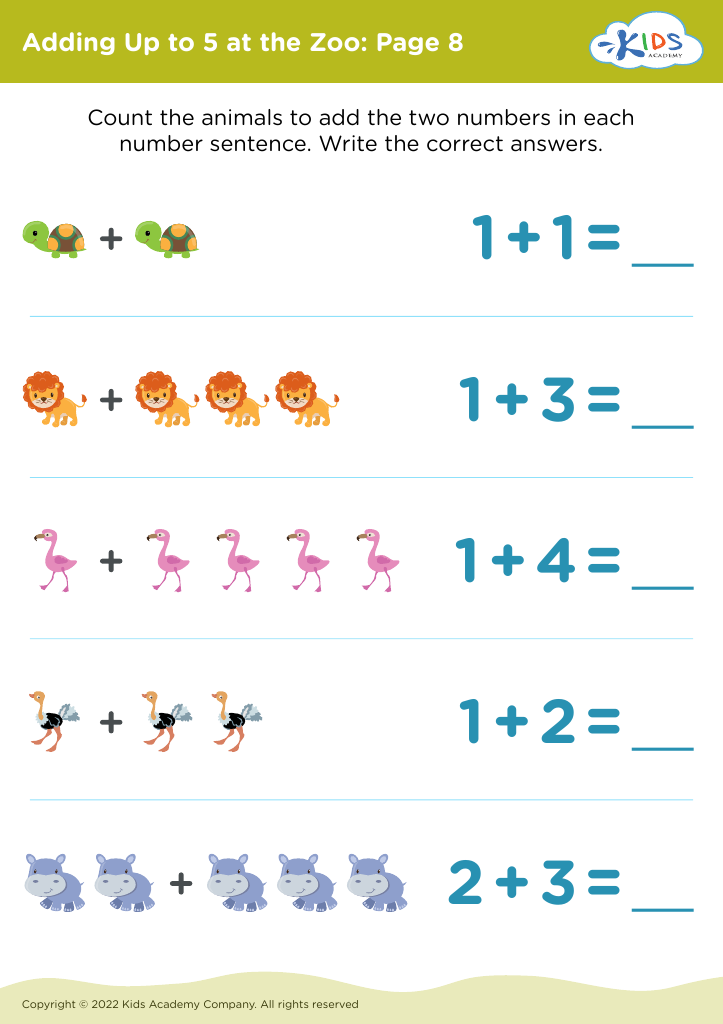
Adding Up to 5 at the Zoo: Page 8

Adding Up to 5 at the Zoo: Page 8

Adding Up to 5 at the Zoo: Page 8
Worksheet
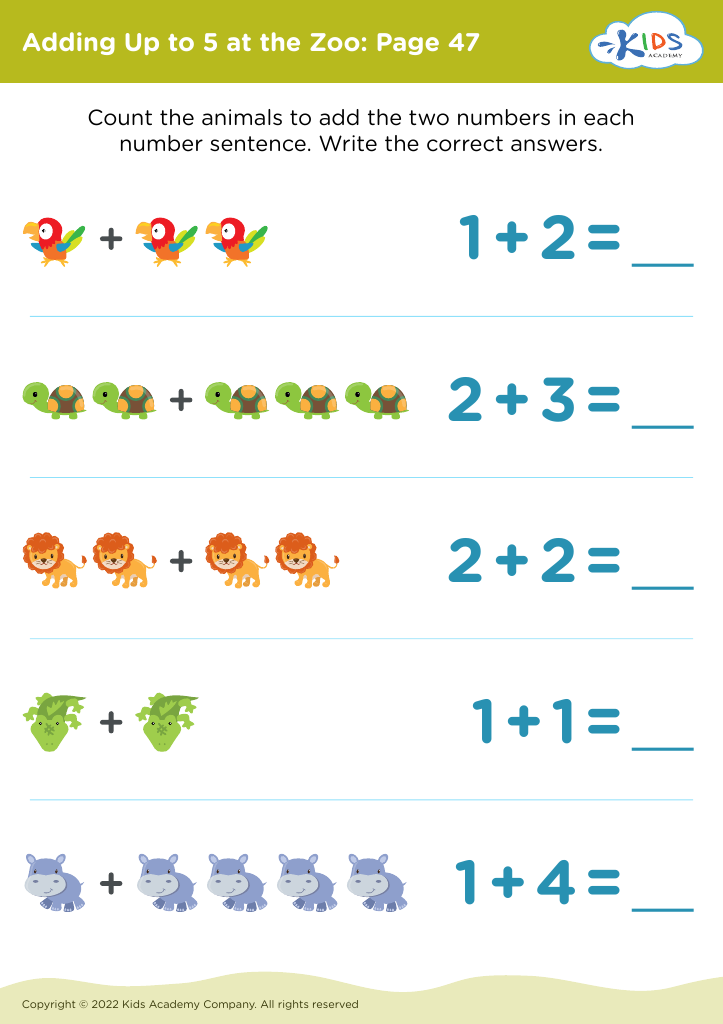
Adding Up to 5 at the Zoo: Page 47
Worksheet
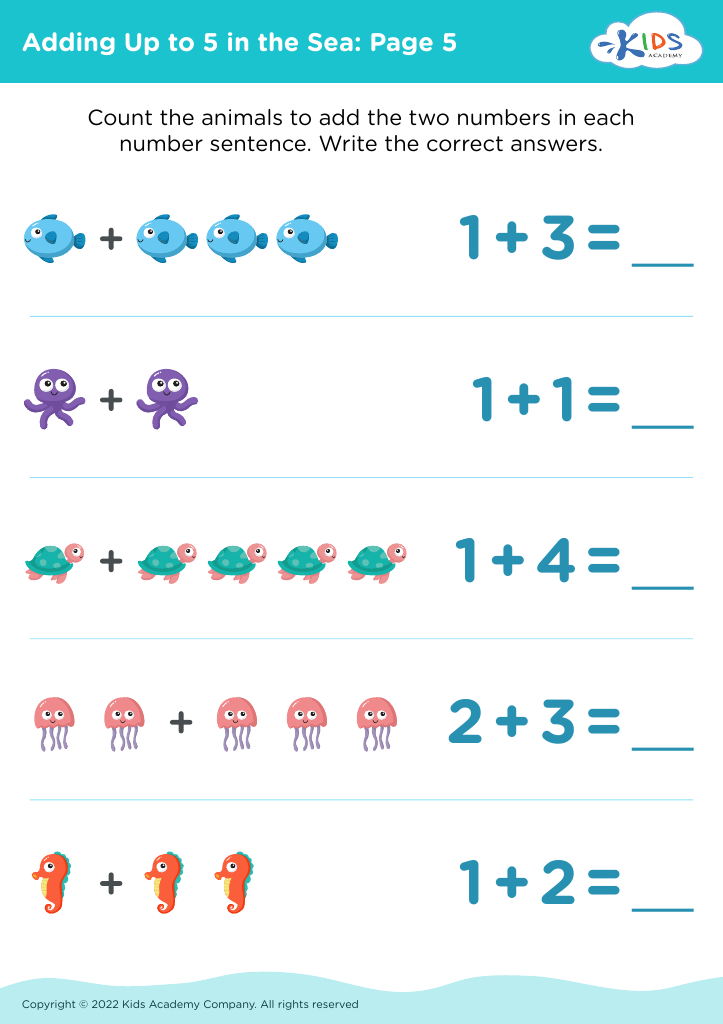
Adding Up to 5 in the Sea: Page 5

Adding Up to 5 in the Sea: Page 5

Adding Up to 5 in the Sea: Page 5
Worksheet
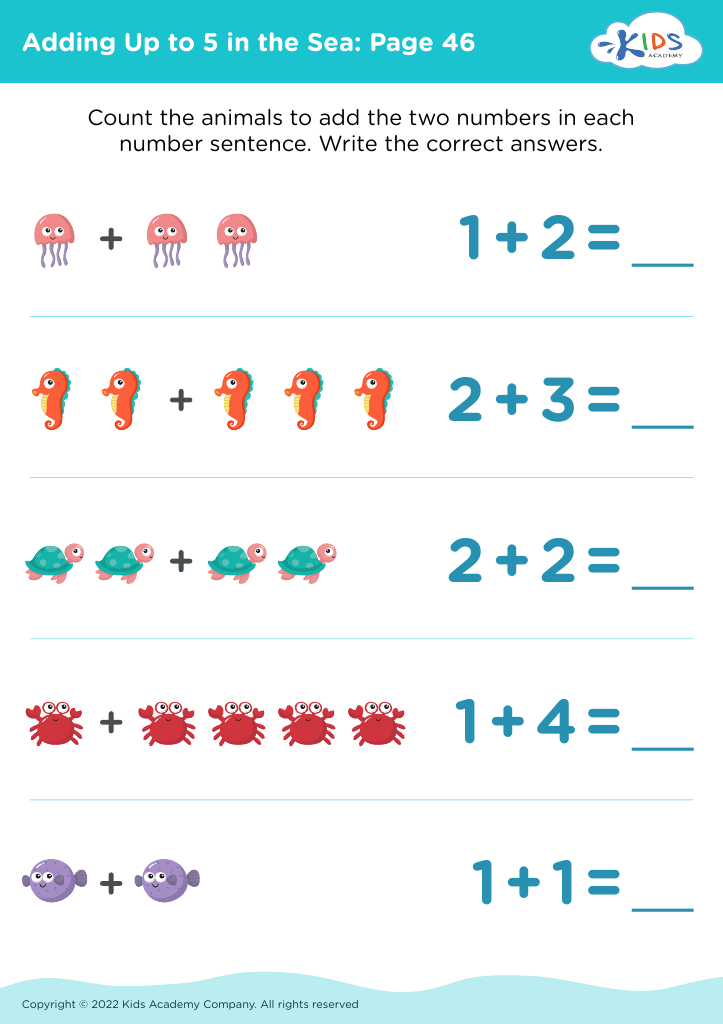
Adding Up to 5 in the Sea: Page 46
Worksheet
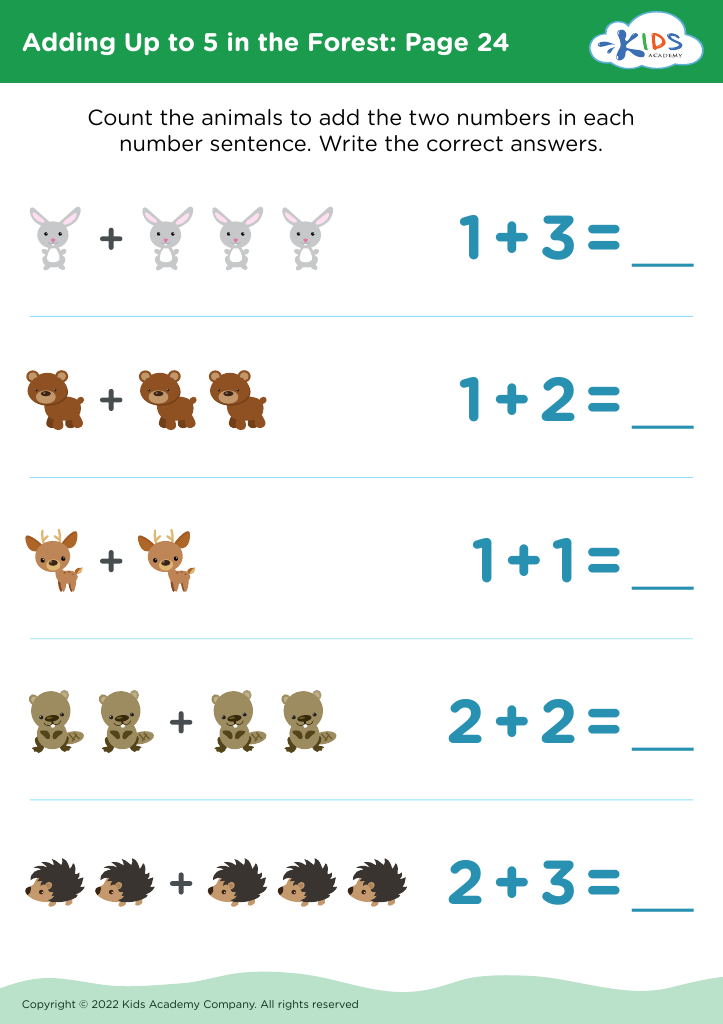
Adding Up to 5 in the Forest: Page 24
Worksheet
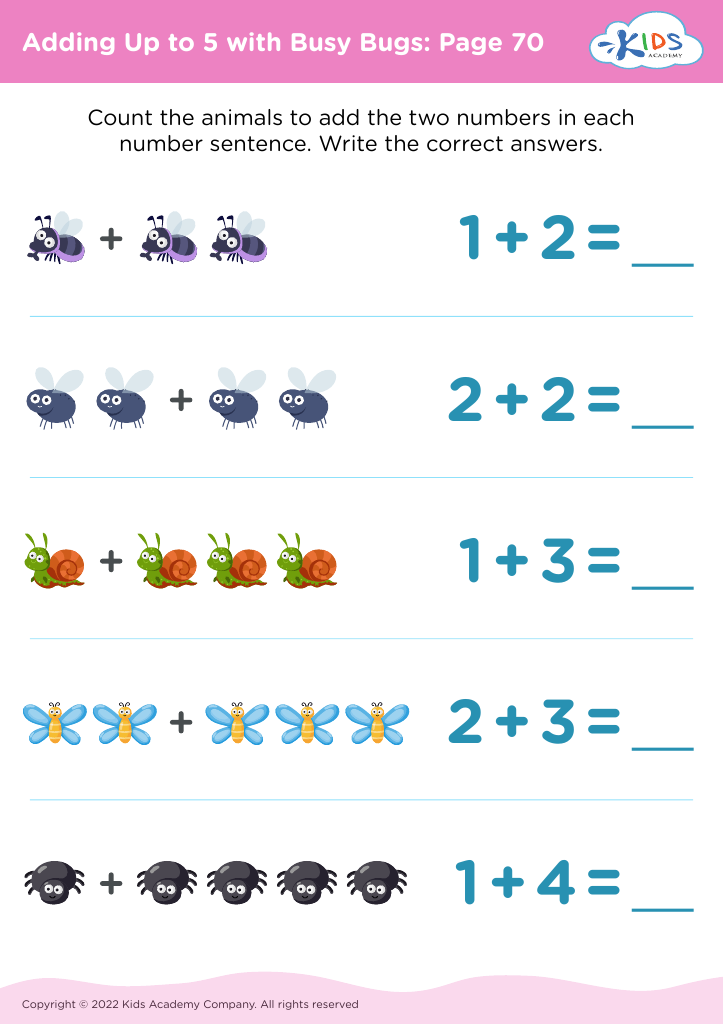
Adding Up to 5 with Busy Bugs: Page 70
Worksheet
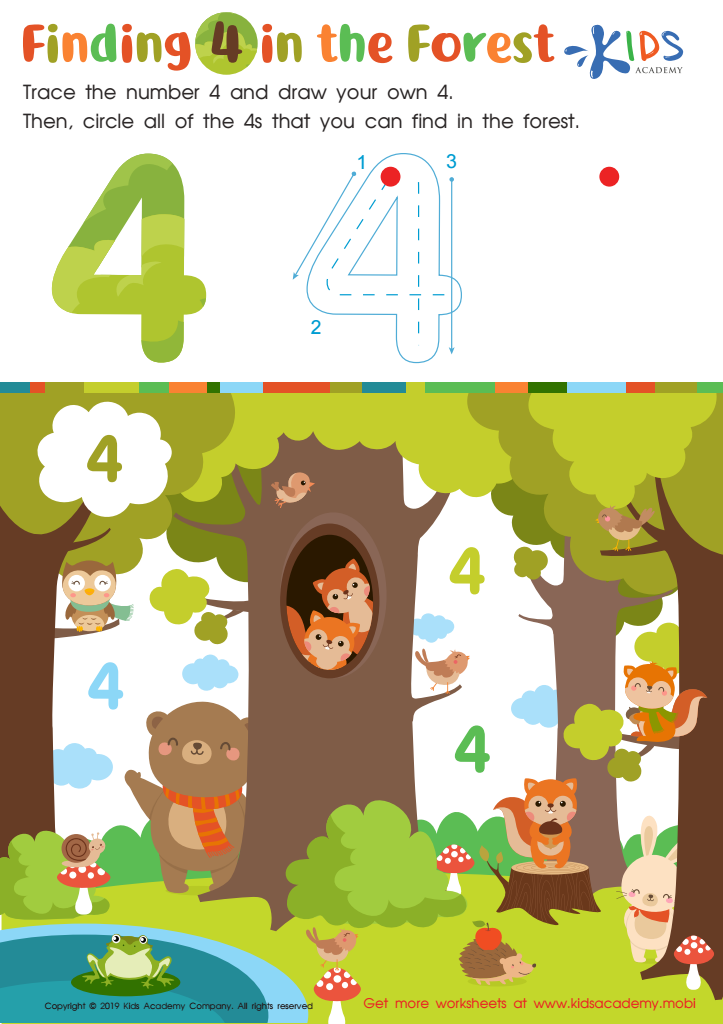
Finding 4 in the Forest Worksheet

Finding 4 in the Forest Worksheet

Before starting, have your kids count as high as they can. Ask them to identify the setting and point out the 4s. Trace 4 and draw your own. Help your kids circle all the 4s they can find in the forest. How far can they count? How well did they find the hidden 4s?
Finding 4 in the Forest Worksheet
Worksheet
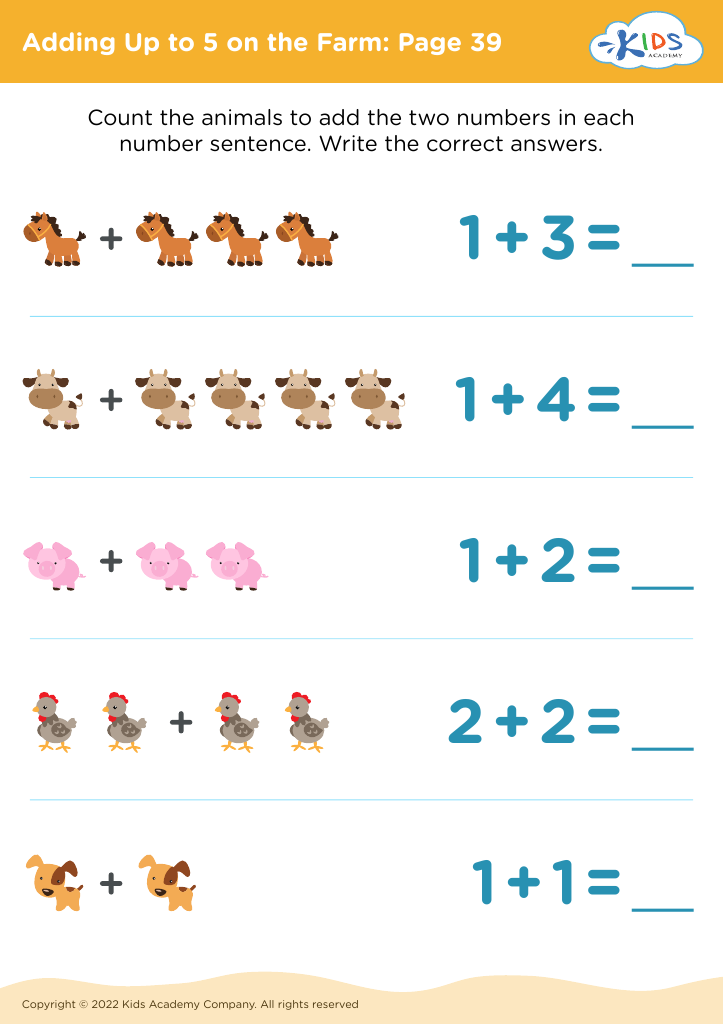
Adding Up to 5 on the Farm: Page 39
Worksheet
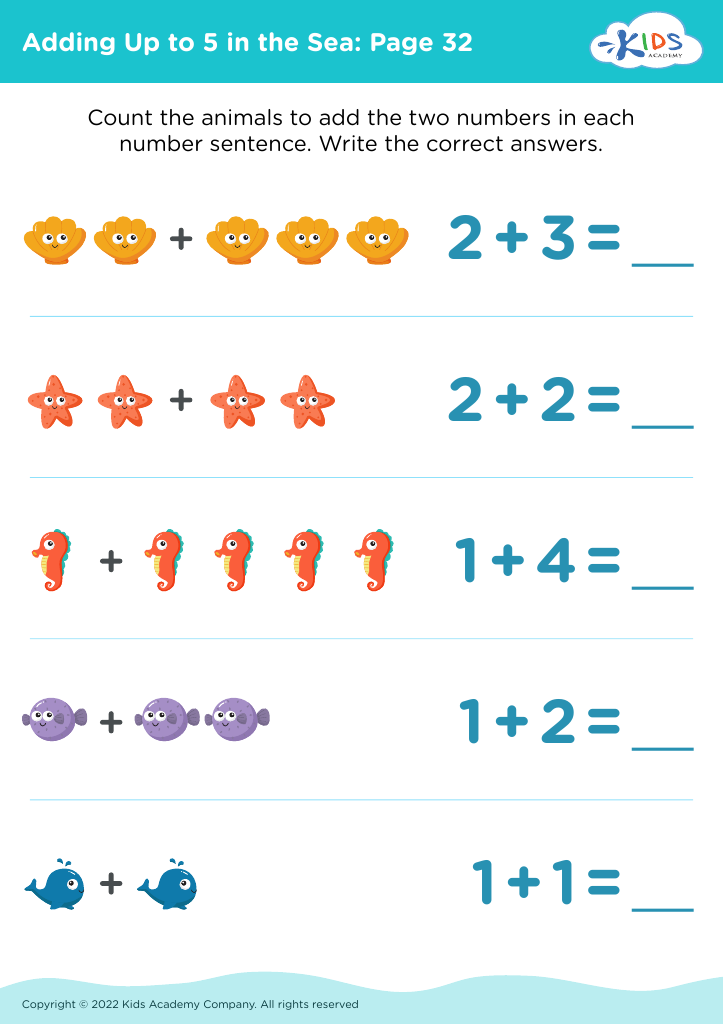
Adding Up to 5 in the Sea: Page 32
Worksheet
Adding Instruments with Addison Worksheet
Adding Instruments with Addison Worksheet

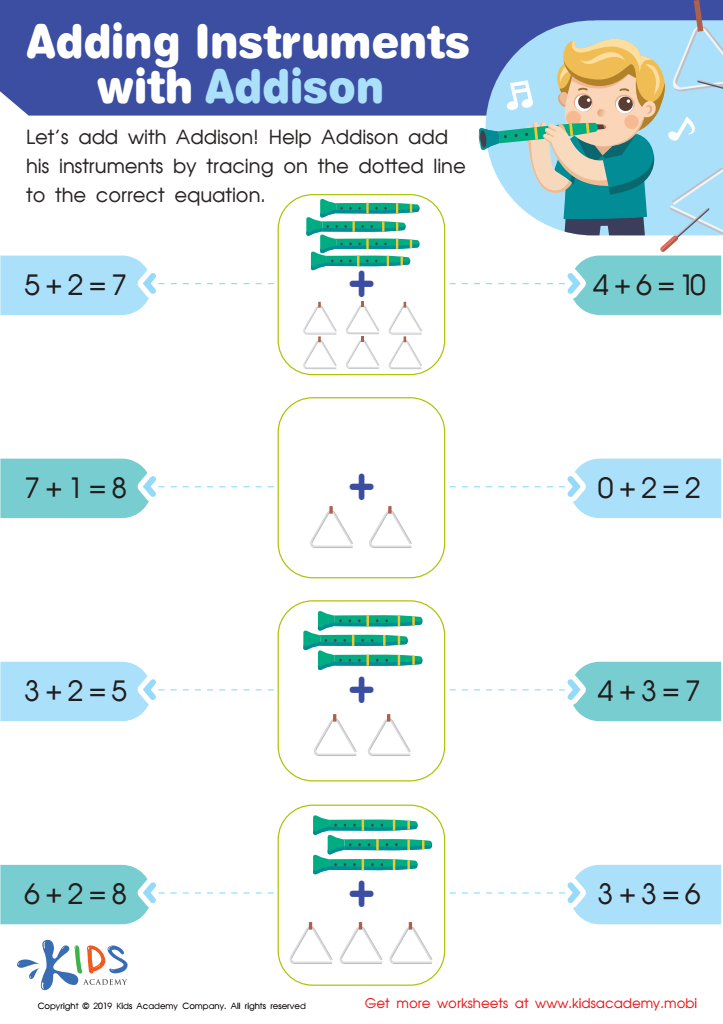
Your math stars will enjoy assisting Addison as he adds his instruments. This worksheet has 10 basic addition problems with pictures of instruments to aid children. They match the pics and sentences, then connect them to the correct problem using the lines. A fun way to learn and practice addition!
Adding Instruments with Addison Worksheet

Worksheet
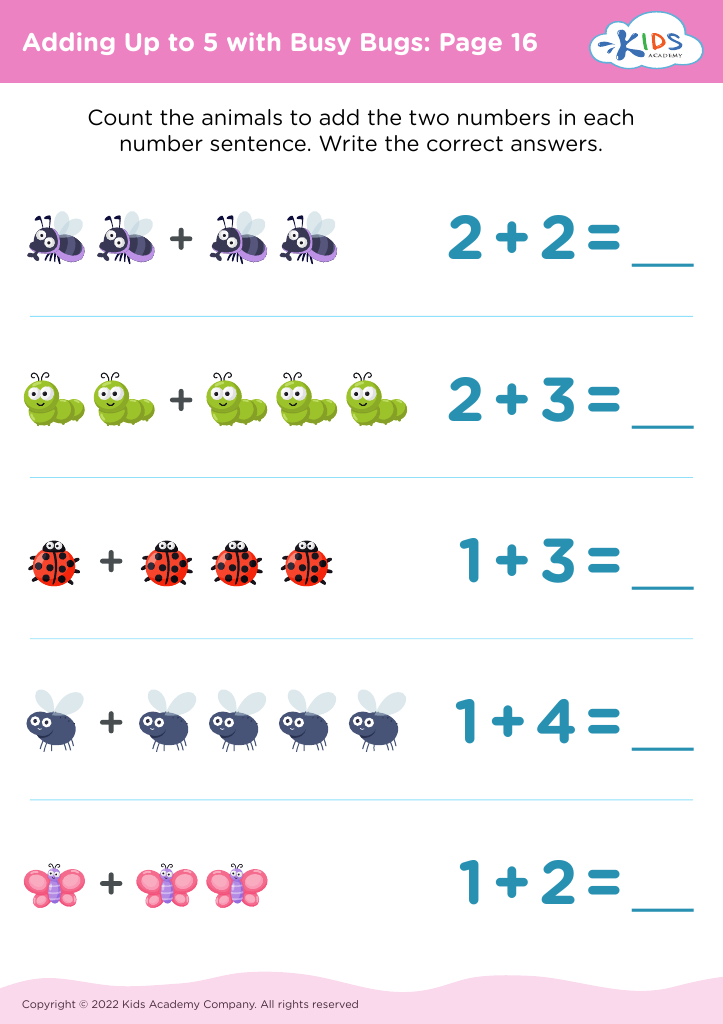
Adding Up to 5 with Busy Bugs: Page 16
Worksheet
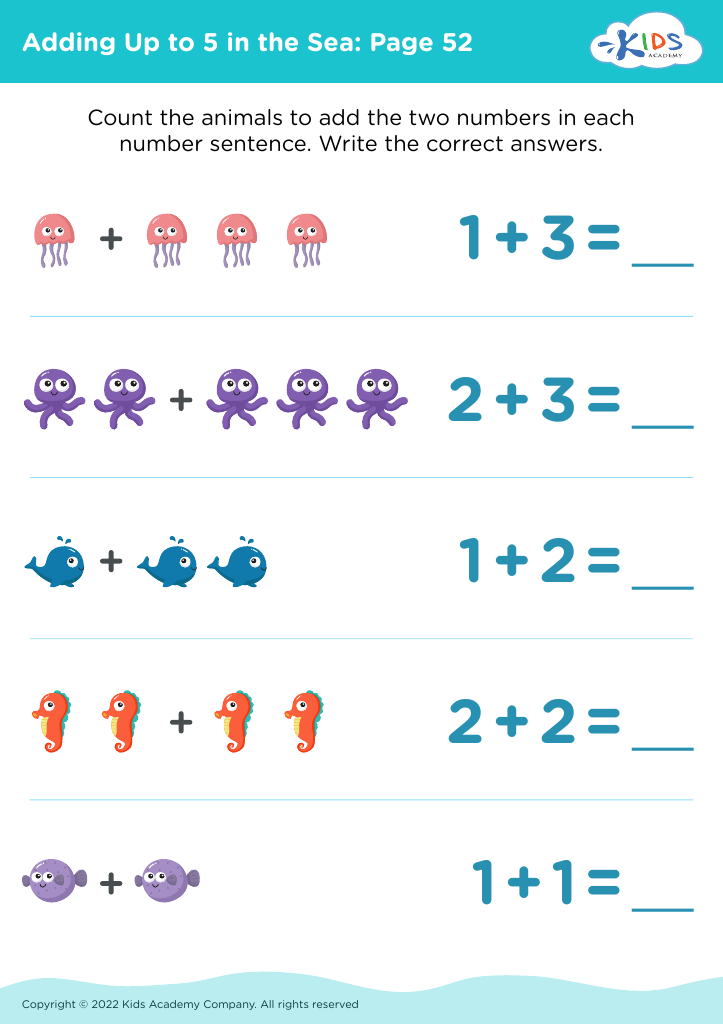
Adding Up to 5 in the Sea: Page 52
Worksheet


Fine motor skills are crucial for children aged 3-6, serving as the foundation for many essential developmental milestones, including writing numbers in math. These skills involve the coordination of small muscles in the hands and fingers, necessary for tasks such as holding a pencil, controlling its movements, and forming numbers correctly.

When children develop proficient fine motor skills, they are better able to handle tasks that require precision and hand-eye coordination, such as drawing shapes, tracing lines, and eventually writing numbers and solving math problems. Developing these skills in early childhood sets the stage for academic success, particularly in math, by ensuring that children can focus on learning numerical concepts without struggling with the physical act of writing.

Moreover, writing numbers correctly and legibly is vital for children to understand and communicate mathematical concepts. It enhances their ability to keep track of calculations and reduces frustration or errors that can arise from poor handwriting. Teachers and parents who encourage activities like coloring, threading beads, and building with blocks support the development of fine motor skills, which subsequently translates into better performance in writing and math.

Ultimately, investing time in developing fine motor skills equips children with the tools they need for academic tasks, fostering self-confidence, independence, and a positive attitude toward learning mathematics.