Number Sequencing Math Worksheets for Ages 3-6 - Page 2
27 filtered results
-
From - To
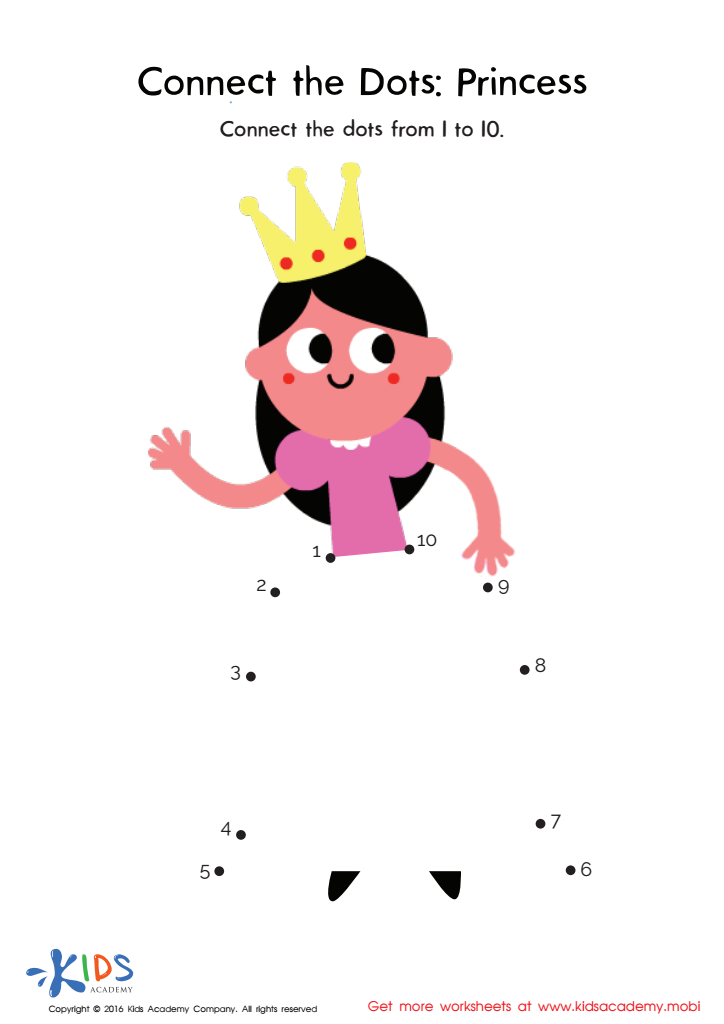
Princess Connect Dots Worksheet
 Assign to My Students
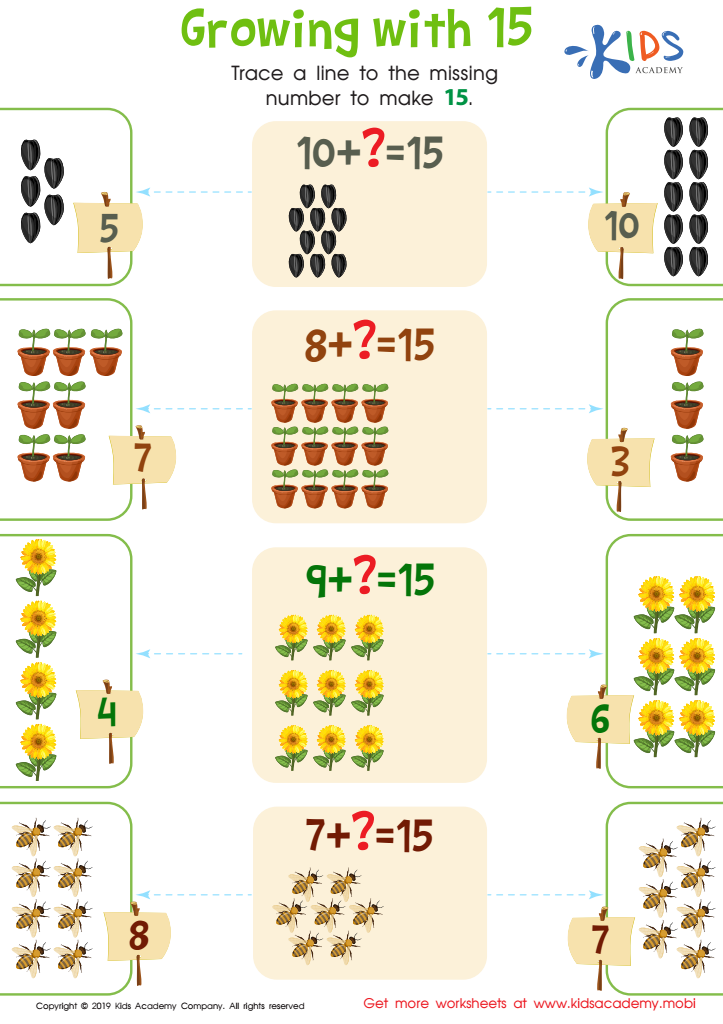
Growing with 15 Worksheet
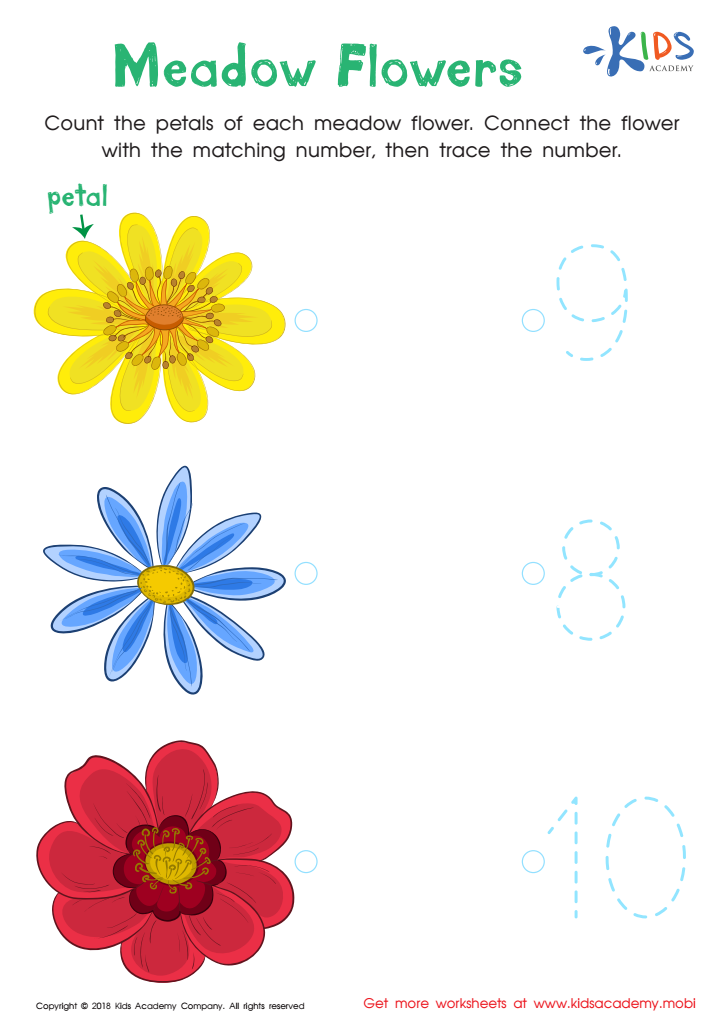
Kindergarten Number Tracing: Medow Flowers Worksheet








Number sequencing is a fundamental skill in early math education, particularly for children aged 3 to 6. Parents and teachers should prioritize this skill because it lays the groundwork for future mathematical understanding and cognitive development. At this stage, children are developing their basic counting skills, and understanding the order of numbers helps them grasp concepts such as quantity, addition, and subtraction.
Engaging in number sequencing encourages critical thinking and problem-solving abilities. It teaches children to recognize patterns, which can enhance their logical reasoning. Furthermore, sequencing activities often involve hands-on learning through games and manipulatives, making math interactive and enjoyable. This approach helps cultivate a positive attitude toward mathematics and learning in general.
Additionally, proficiency in number sequencing can improve children's readiness for school and lifelong learning. When children can easily identify and manipulate numbers, they build confidence in their abilities. This confidence can decrease math anxiety later on. Overall, emphasizing number sequencing not only aids in academic success but also fosters a love for learning, paving the way for future educational exploration. Engaging with these foundational skills now will pay dividends in their mathematical journey in the years to come.








