Problem-solving abilities Math Worksheets for Ages 3-6 - Page 2
38 filtered results
-
From - To
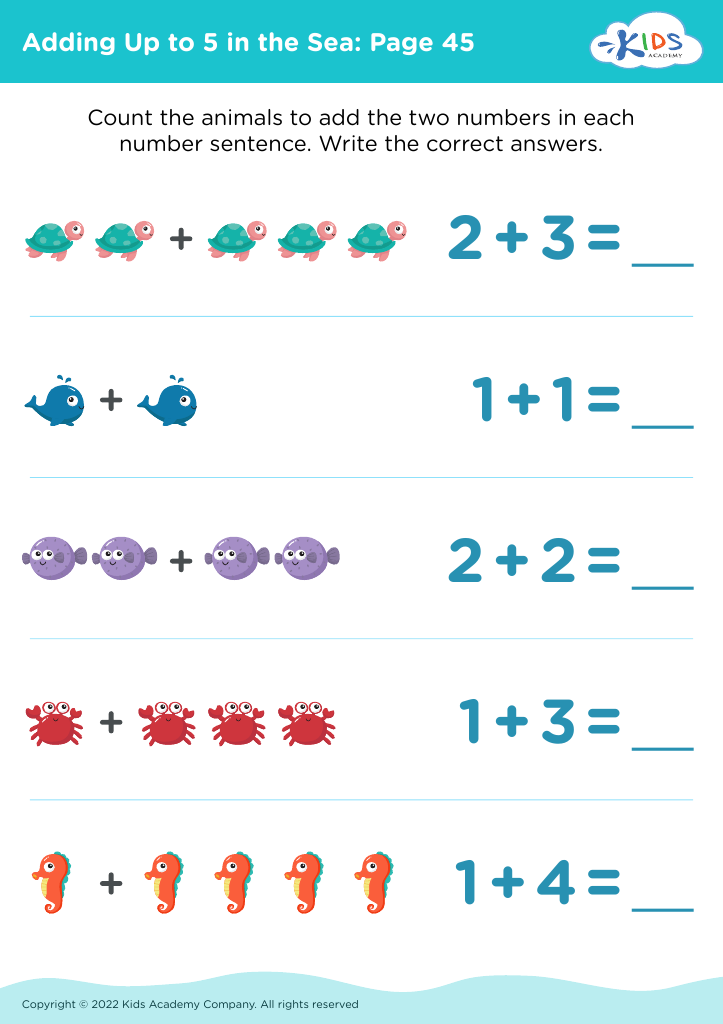
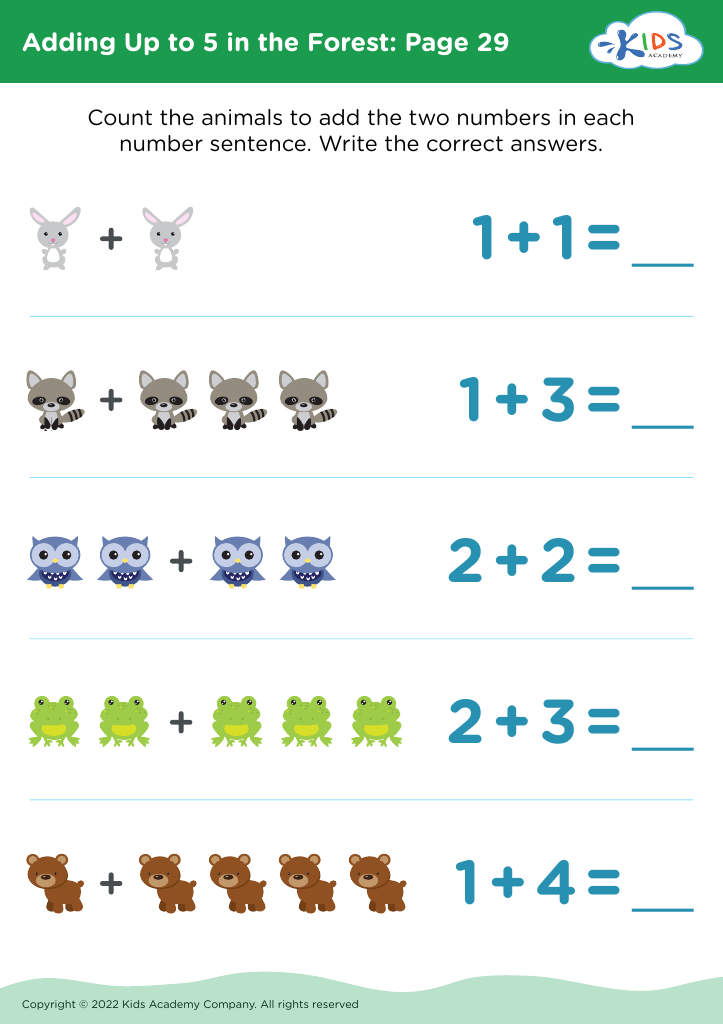
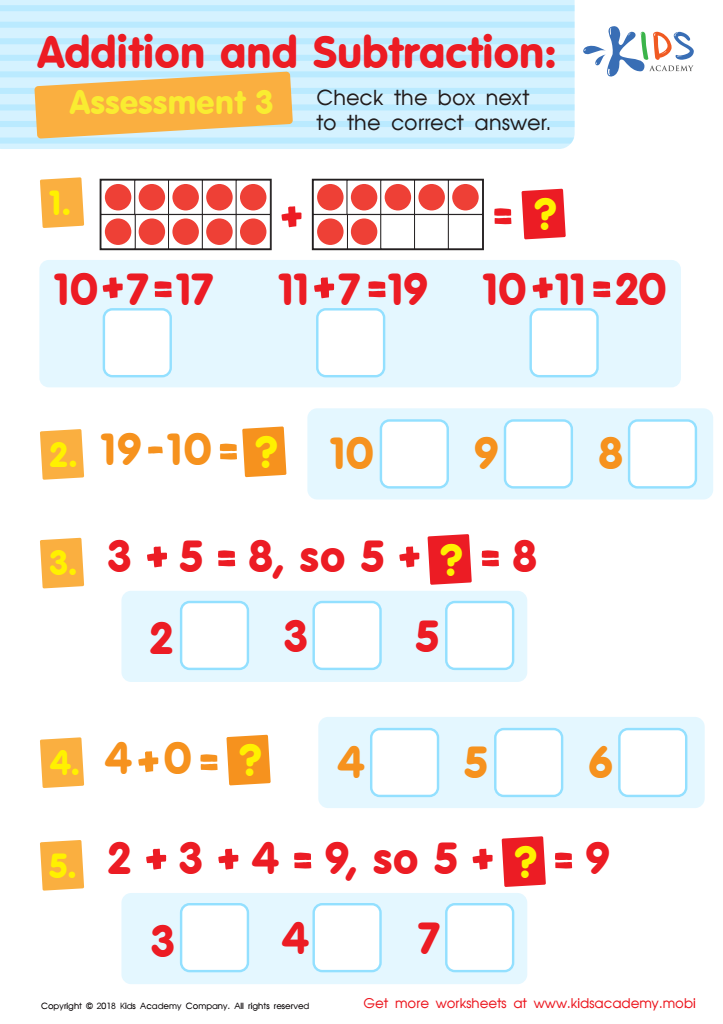
Addition and Subtraction Assessment 3 Worksheet
 Assign to My Students
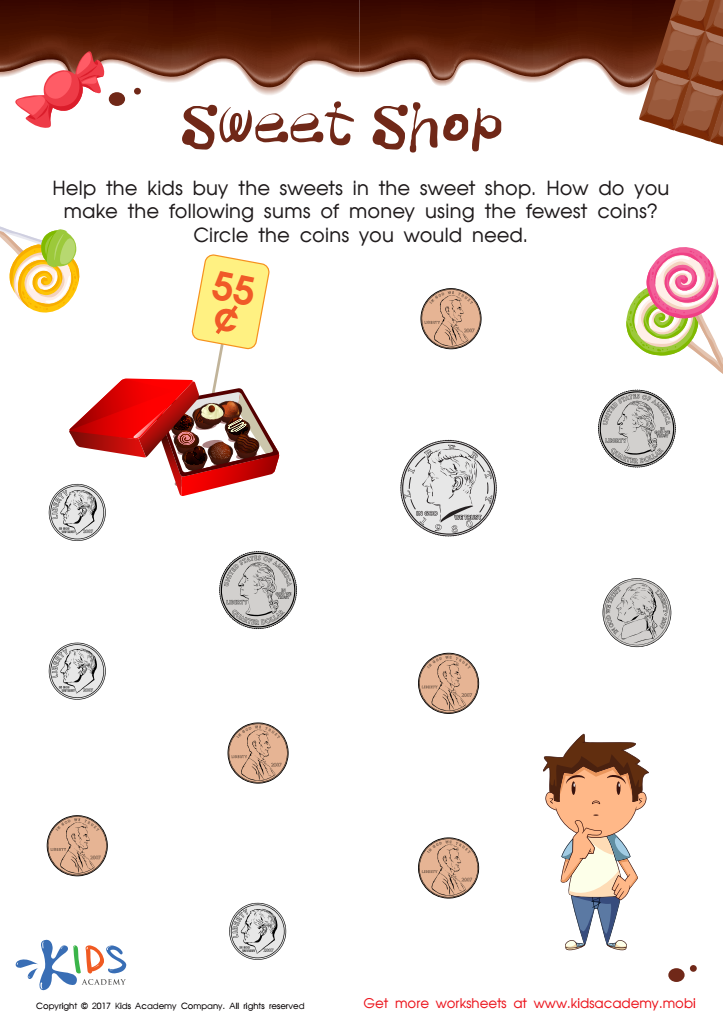
Sweet Shop – Counting Coins Worksheet
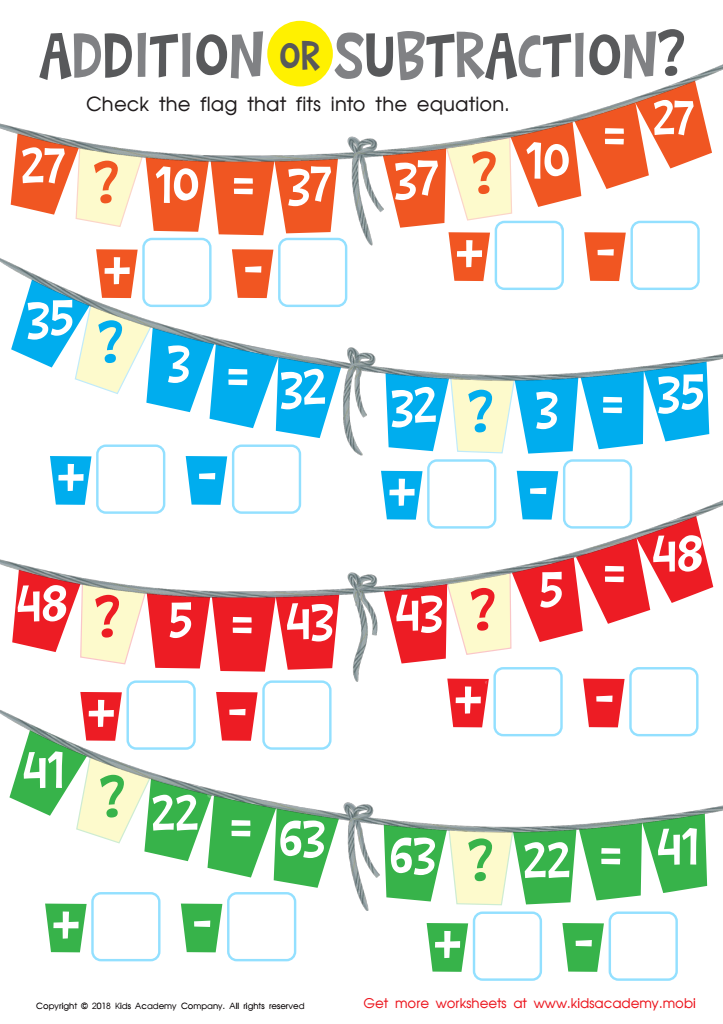
Addition or Subtraction? Worksheet
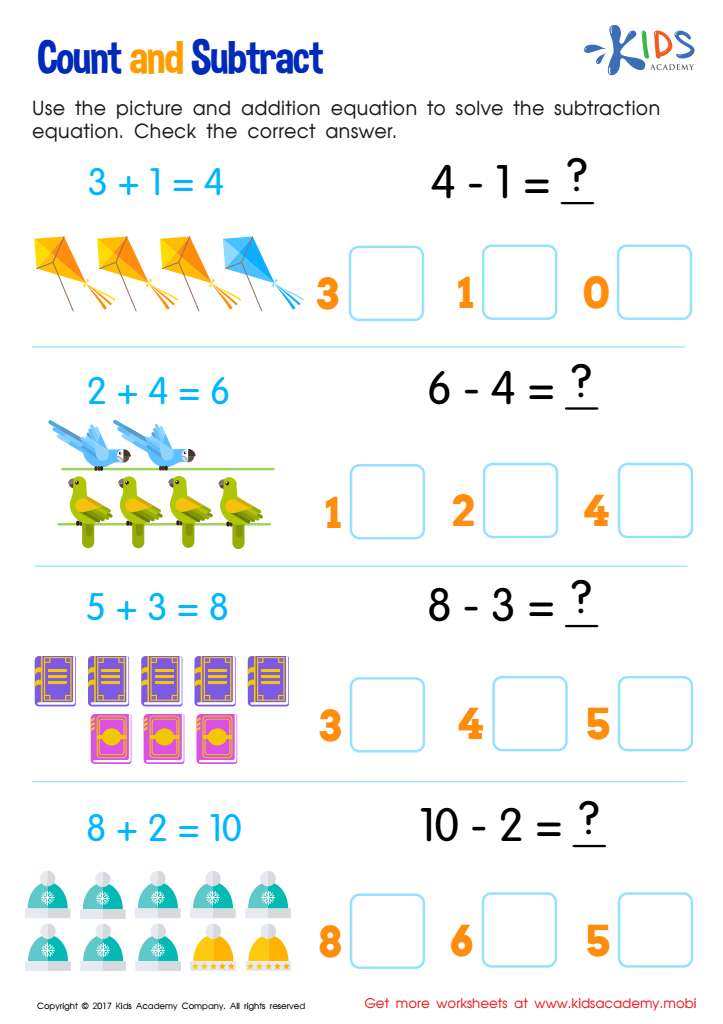
Count and Subtract Worksheet
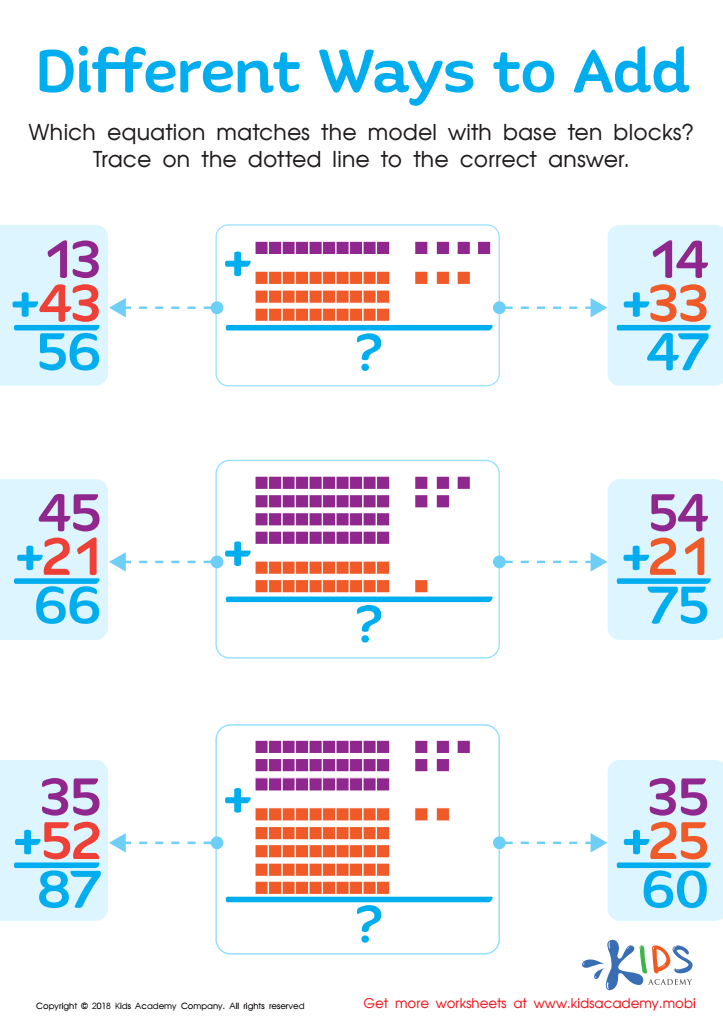
Different Ways to Add Worksheet
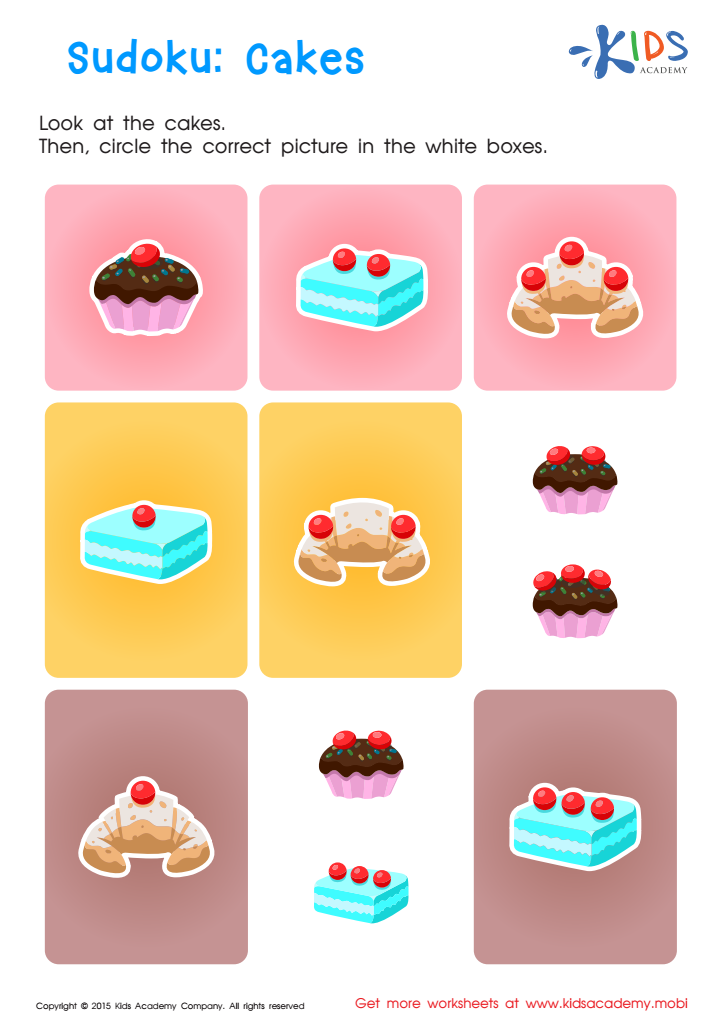
Sudoku Worksheet
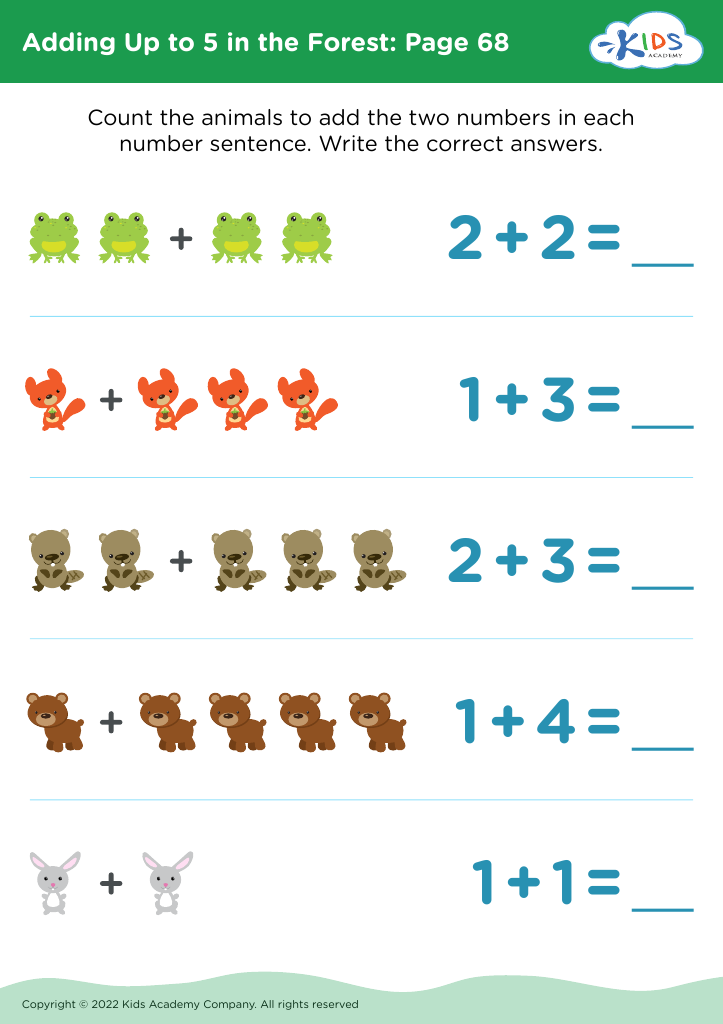
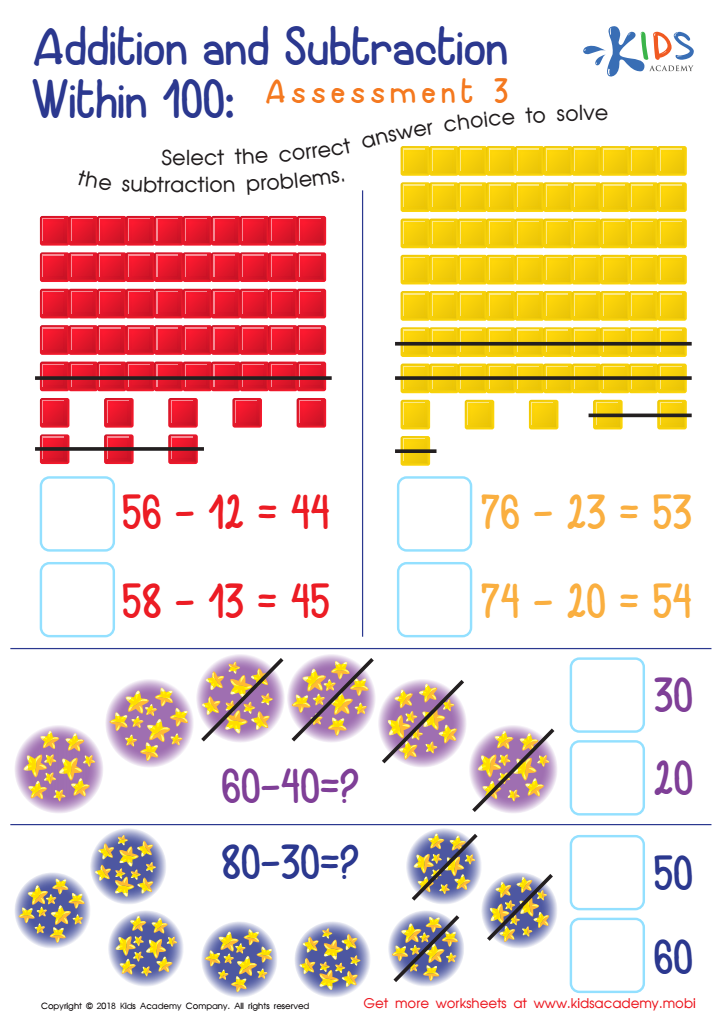
Addition and Subtraction Within 1: Assessment 3 Worksheet
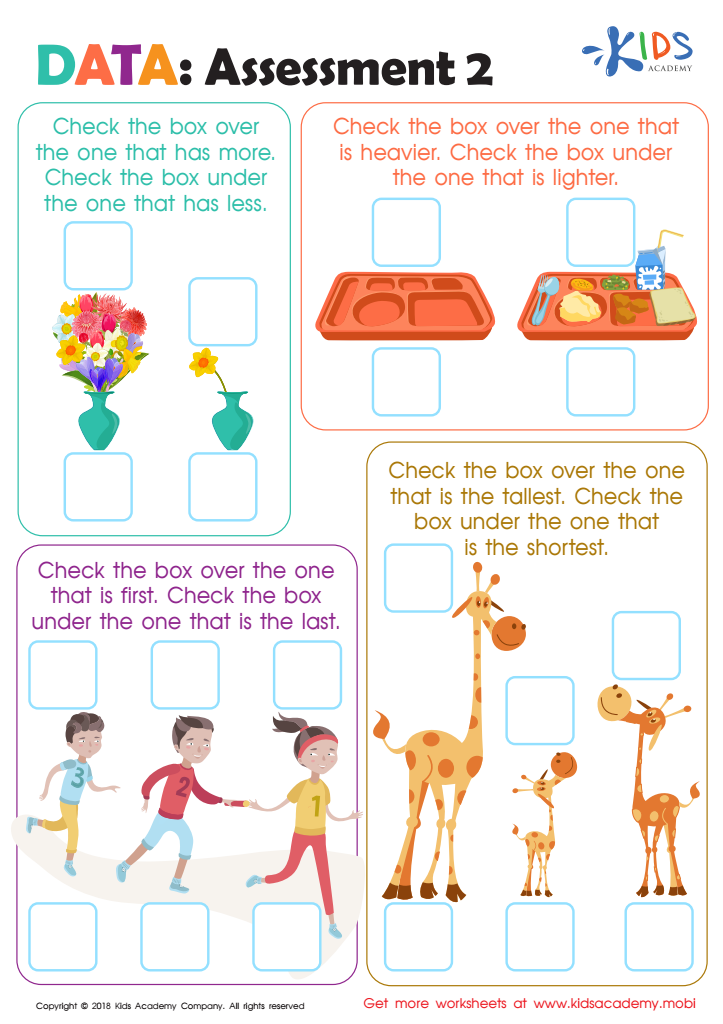
Data: Assessment 2 Worksheet
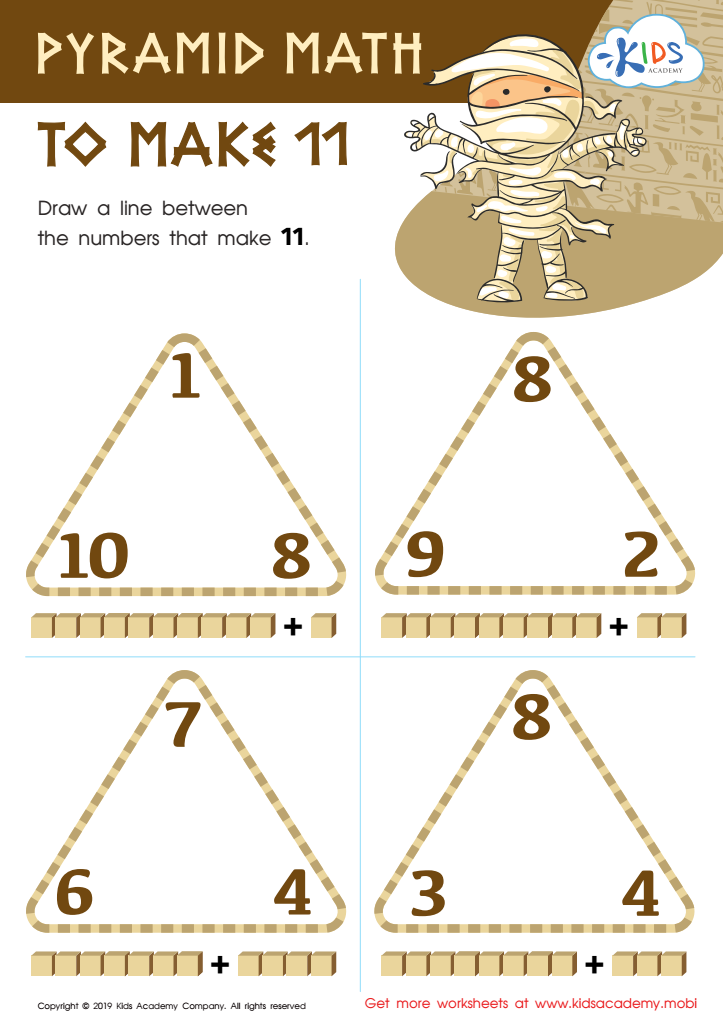
Pyramid Math to Make 11 Worksheet
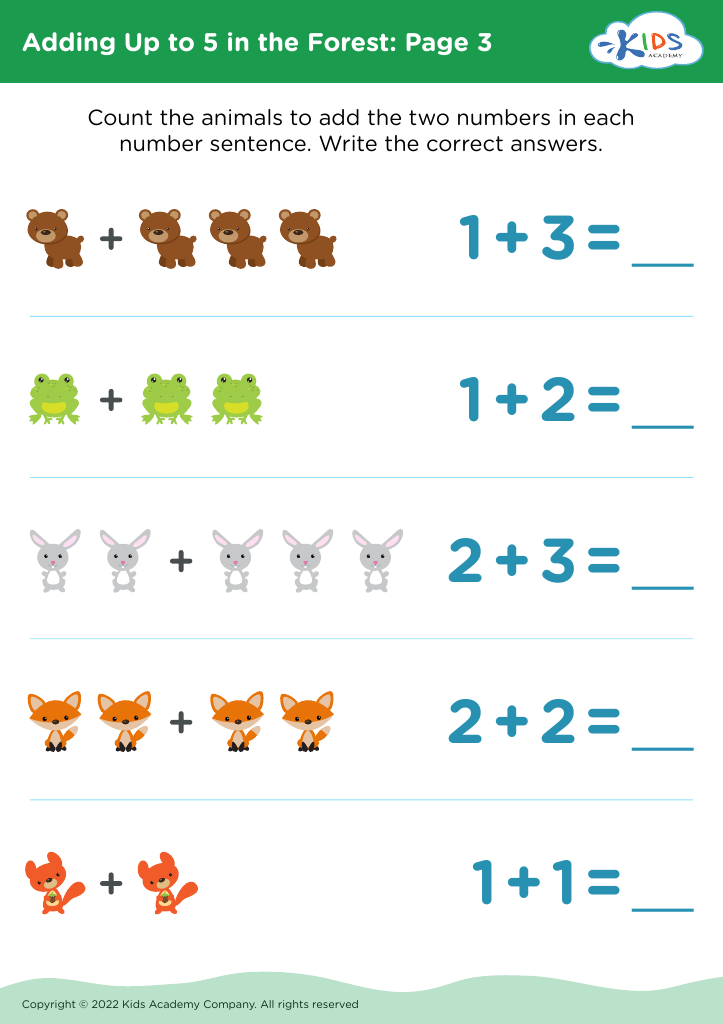








Problem-solving abilities in math for children aged 3-6 are crucial to their overall cognitive and social development. During these formative years, children's brains are highly adaptable, and fostering early problem-solving skills can set the foundation for lifelong learning. Math isn’t just about numbers; it teaches children how to think critically and approach challenges systematically.
Parents and teachers play pivotal roles in nurturing these skills. Engaging children in simple math-related activities—like counting objects, recognizing patterns, or solving basic puzzles—allows them to explore and understand concepts like addition, subtraction, and spatial awareness in a fun and engaging way. These activities promote curiosity, enhance reasoning skills, and cultivate perseverance, as children learn that failure is a part of the learning process.
Additionally, strong problem-solving skills can translate into better academic performance in later years. Children confident in their problem-solving abilities are more likely to tackle complex concepts in math and demonstrate resilience in overcoming challenges. Therefore, prioritizing math problem-solving at an early age can empower children to develop not only foundational math skills but also essential life skills, like patience and creativity, that will serve them well in all aspects of their lives.








