Recognizing Patterns Math Worksheets for Ages 3-6
5 filtered results
-
From - To
Explore our engaging "Recognizing Patterns Math Worksheets for Ages 3-6" designed to enhance young learners' mathematical skills in a fun and interactive way. These worksheets help children identify, create, and predict patterns using colorful visuals and relatable examples. Tailored for preschool and kindergarteners, our resources promote critical thinking and problem-solving abilities while making math enjoyable. Each worksheet includes various activities that encourage active participation, ensuring kids grasp the concept of patterns—an essential building block for early math success. Download and print these worksheets now to inspire your child’s love for learning through hands-on experiences in mathematics!
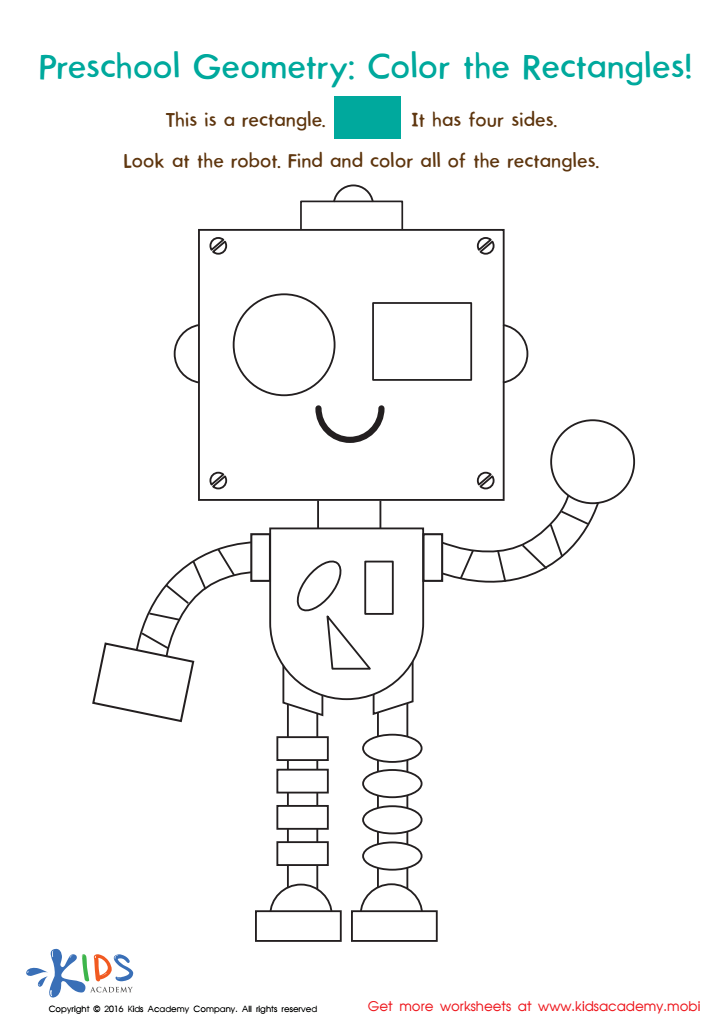
Geometry Worksheet
 Assign to My Students
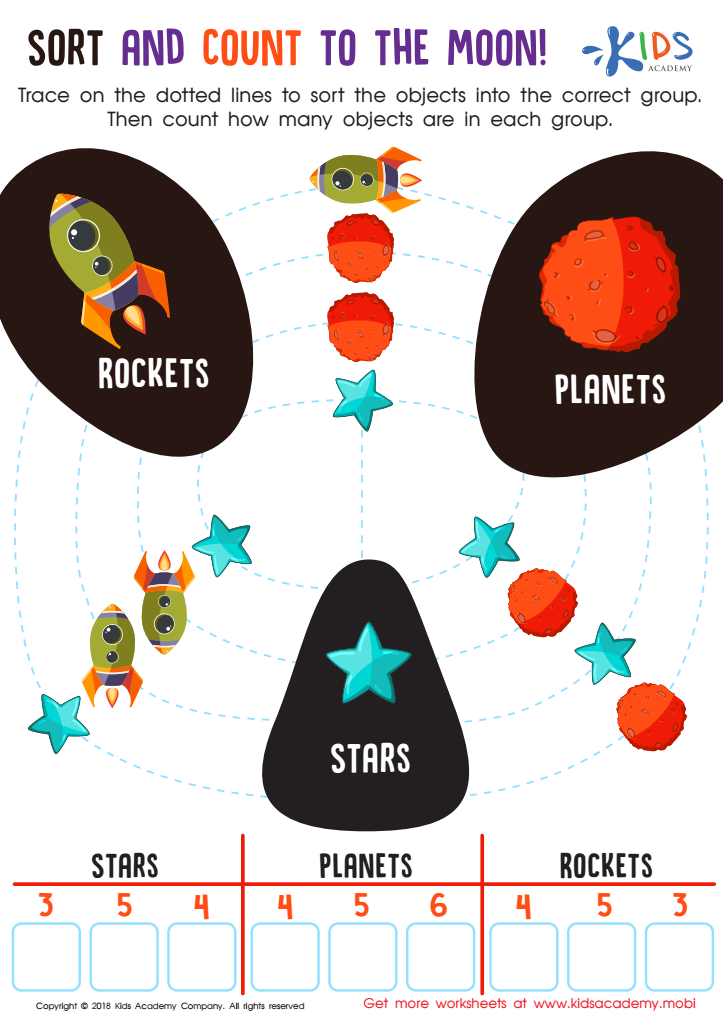
Sort and Count to the Moon Worksheet
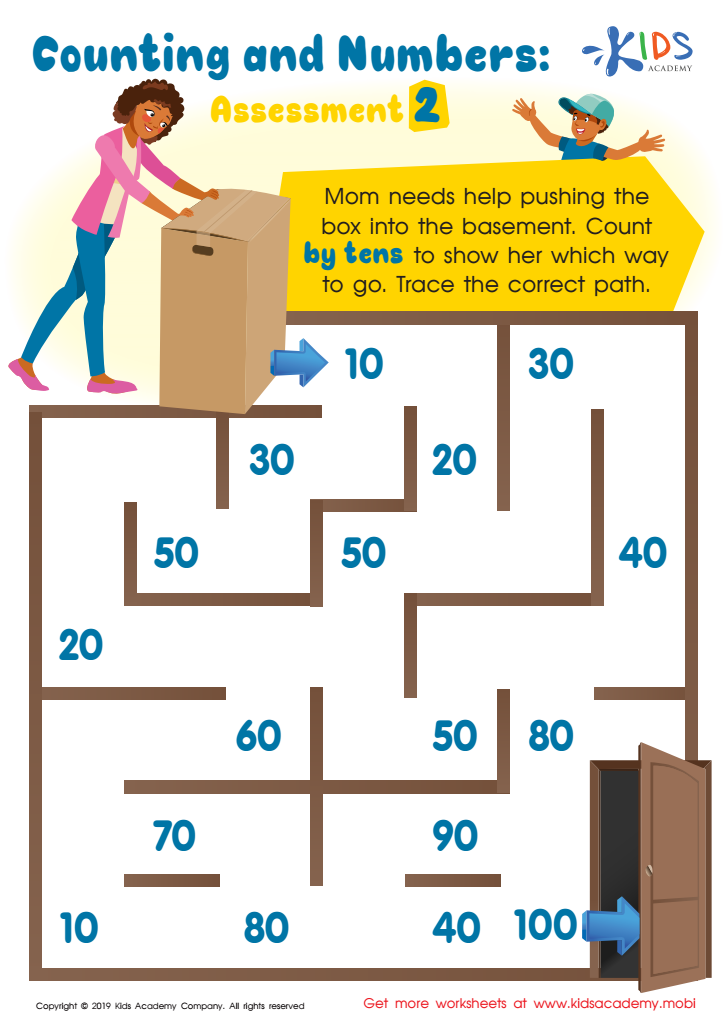
Counting and Numbers: Assessment 2 Worksheet
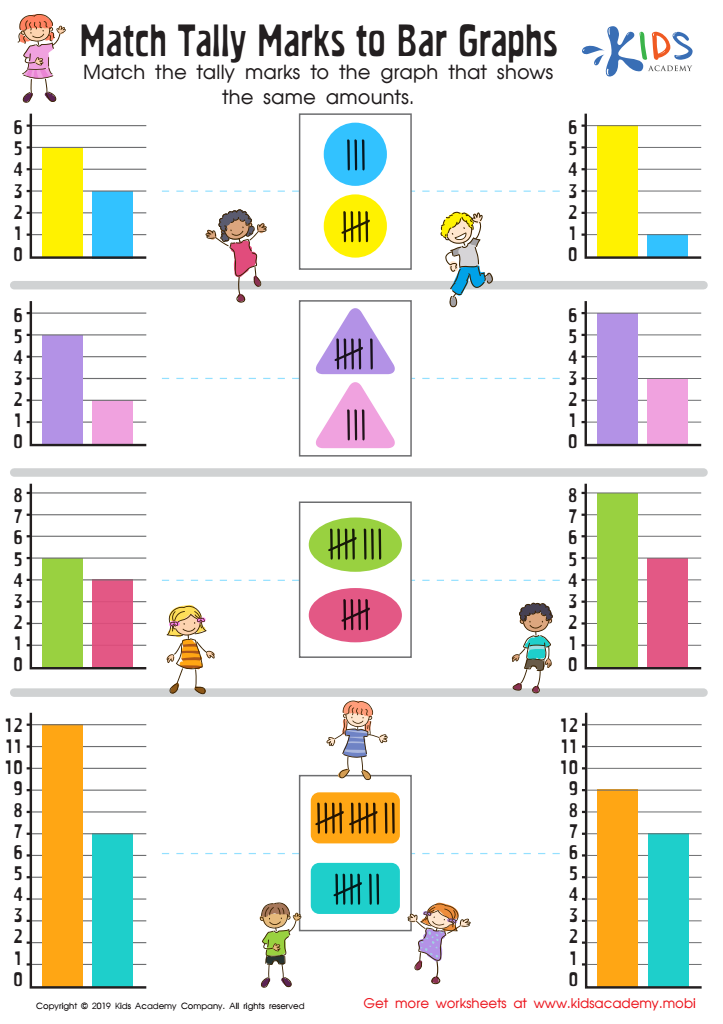
Match Tally Marks to Bar Graphs Worksheet
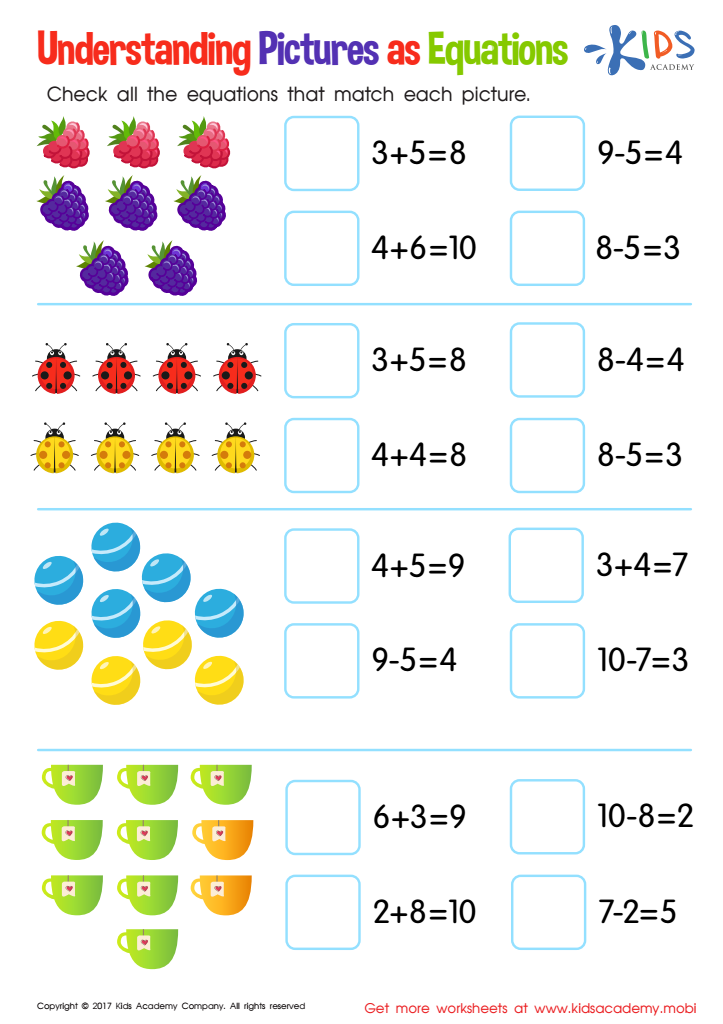
Understanding Pictures as Equations Worksheet



.jpg)




Recognizing patterns is a fundamental math skill that significantly contributes to children's cognitive development and understanding of the world around them. For children aged 3-6, this skill acts as a crucial building block for more complex mathematical concepts such as counting, addition, and problem solving. When parents and teachers emphasize pattern recognition, they facilitate children's ability to identify relationships and sequences, promoting logical thinking and reasoning skills.
Moreover, pattern recognition helps enhance a child’s creativity and critical thinking. Engaging in activities that require children to find or create patterns, such as sorting colors, shapes, or sounds, allows them to explore their environment and understand the concept of structure and predictability. This skill can also encourage skills essential for later success in mathematics and sciences.
Beyond academics, recognizing patterns supports emotional and social development by fostering collaboration during group activities and building patience and perseverance when solving challenges. By nurturing young learners' abilities in this domain, parents and teachers lay a strong foundation for lifelong learning, enhancing children's engagement and enthusiasm for mathematics as they progress in their education. Ultimately, investing in pattern recognition empowers children to think analytically, a critical skill in today’s increasingly complex world.








