
Understanding numbers Math Worksheets for Ages 3-6
4 filtered results
Difficulty Level
Grade
Age
-
From - To
Subject
Activity
Standards
Discover fun and engaging "Understanding Numbers" math worksheets designed specially for children ages 3-6. Our resources help young learners grasp foundational number concepts, build counting skills, and enhance their mathematical understanding in an enjoyable way. Each worksheet incorporates colorful illustrations and interactive activities that cater to various learning styles, ensuring your child stays motivated and excited about learning. From simple counting exercises to number recognition, these worksheets provide essential practice that bolsters early math skills. Perfect for home or classroom use, our worksheets are a wonderful tool to support your child's cognitive development and boost their confidence in math!
Favorites
With answer key
Interactive
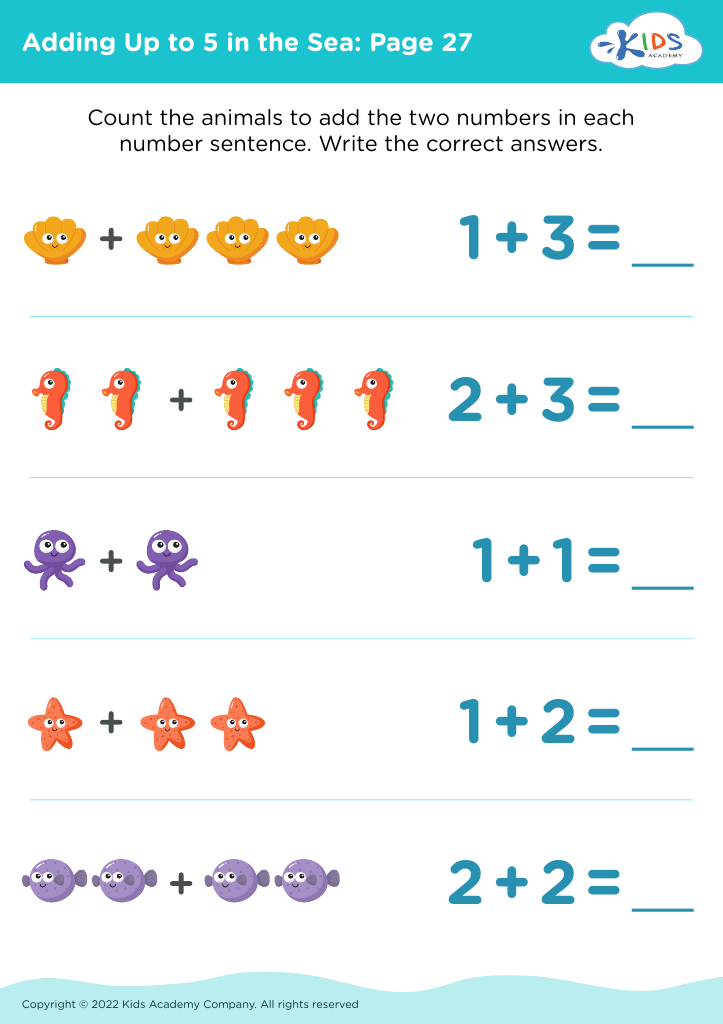
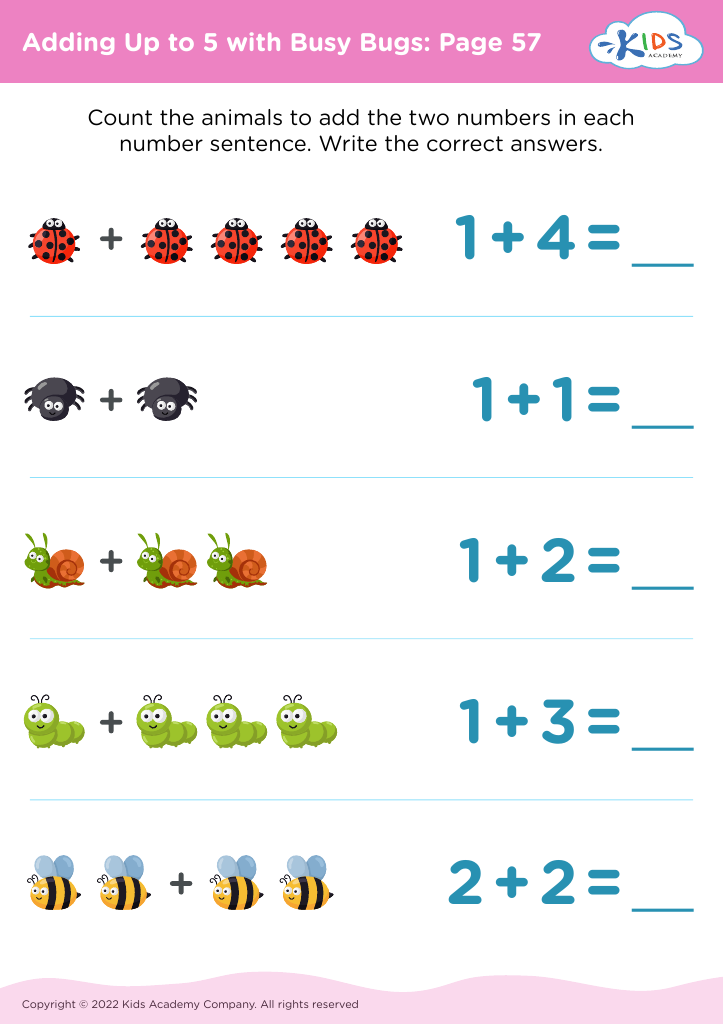
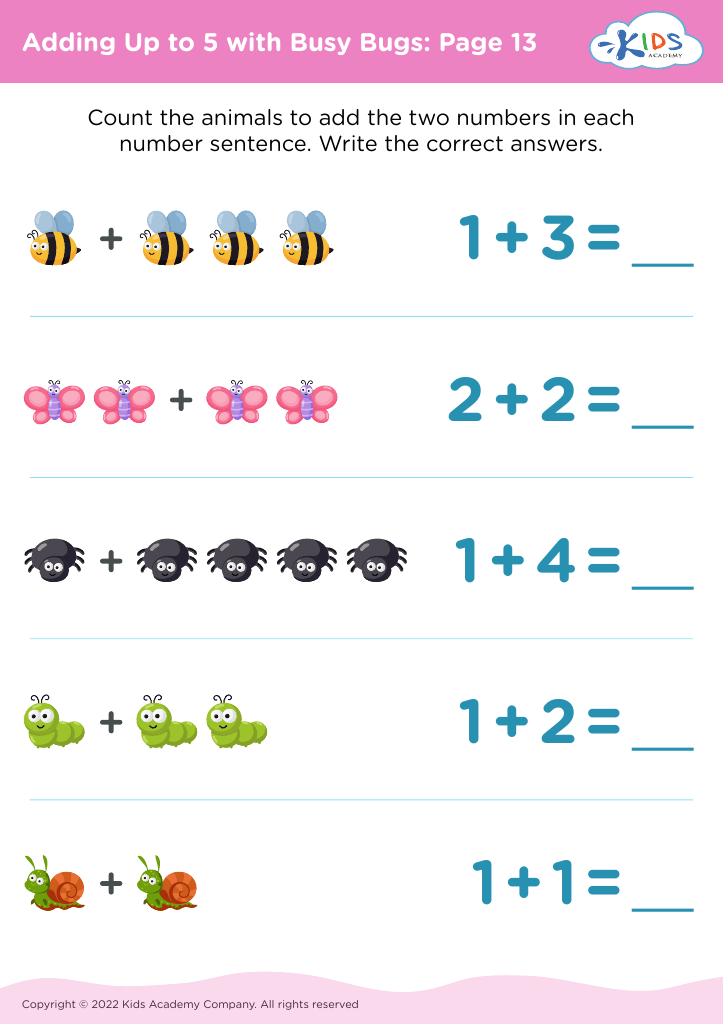
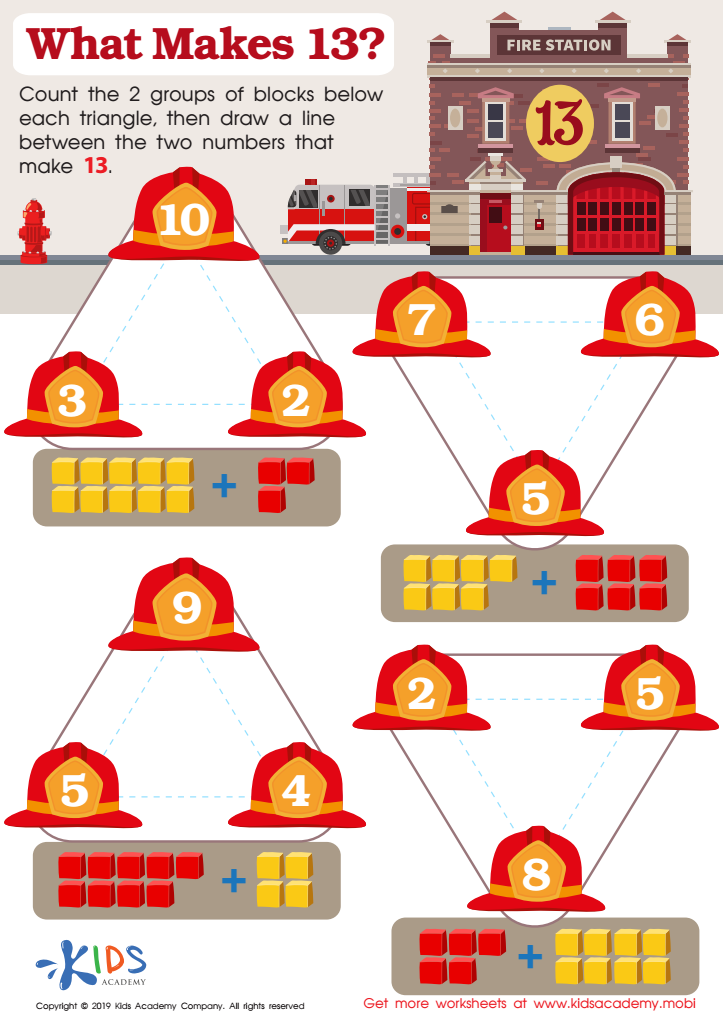
What Makes 13 Worksheet
Help your kids practice maths with this worksheet! With colourful images and simple equations, your kids will be more engaged in learning. Go through the four equations and help them add up the numbers. Then, draw a line between the numbers that make 13. Doing this will aid their learning and understanding.
 Assign to My Students
What Makes 13 Worksheet
Worksheet
Join Kids Academy for Free
Who is primarily going to use this learning content?





Understanding numbers and math concepts from a young age is crucial for a child's cognitive and social development. For parents and teachers of children aged 3-6, fostering a strong foundation in mathematics can positively impact various aspects of a child's life. Early numeracy skills develop critical thinking, problem-solving, and logical reasoning abilities that are essential for academic success.
Moreover, math is not just about calculations; it enhances children's ability to categorize objects, understand patterns, and make comparisons, which are vital skills in daily life. Engaging young learners in playful, hands-on activities that involve numbers helps to instill a sense of curiosity and confidence in their abilities. For instance, counting objects during playtime or measuring ingredients while cooking teaches math in a fun, relatable context.
By nurturing an early understanding of numbers, parents and teachers help children build a positive attitude towards mathematics, reducing anxiety around the subject in later years. This approach also emphasizes collaboration and communication, as discussions about math encourage social skills. Ultimately, an early emphasis on number understanding sets the stage for lifelong mathematical proficiency and a balanced approach to learning across disciplines.








