Understanding numeracy Math Worksheets for Ages 3-6
4 filtered results
-
From - To
Welcome to our "Understanding Numeracy" Math Worksheets designed for children aged 3-6! These engaging and colorful worksheets aim to build foundational math skills, introducing young learners to essential concepts such as counting, number recognition, and basic addition. With a variety of fun activities, children are encouraged to explore numeracy through interactive exercises that promote problem-solving and critical thinking. Our worksheets cater to different learning styles, ensuring every child can grasp mathematical principles while having fun. Perfect for parents and educators, these resources help create a positive early math experience that sets the stage for future academic success. Get started today!
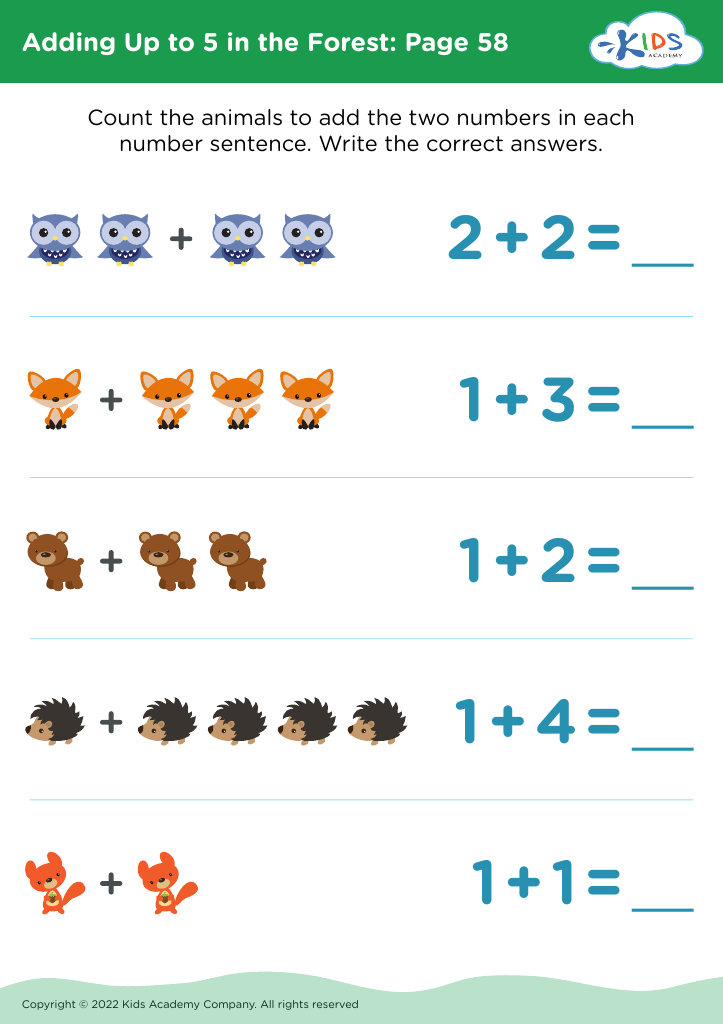
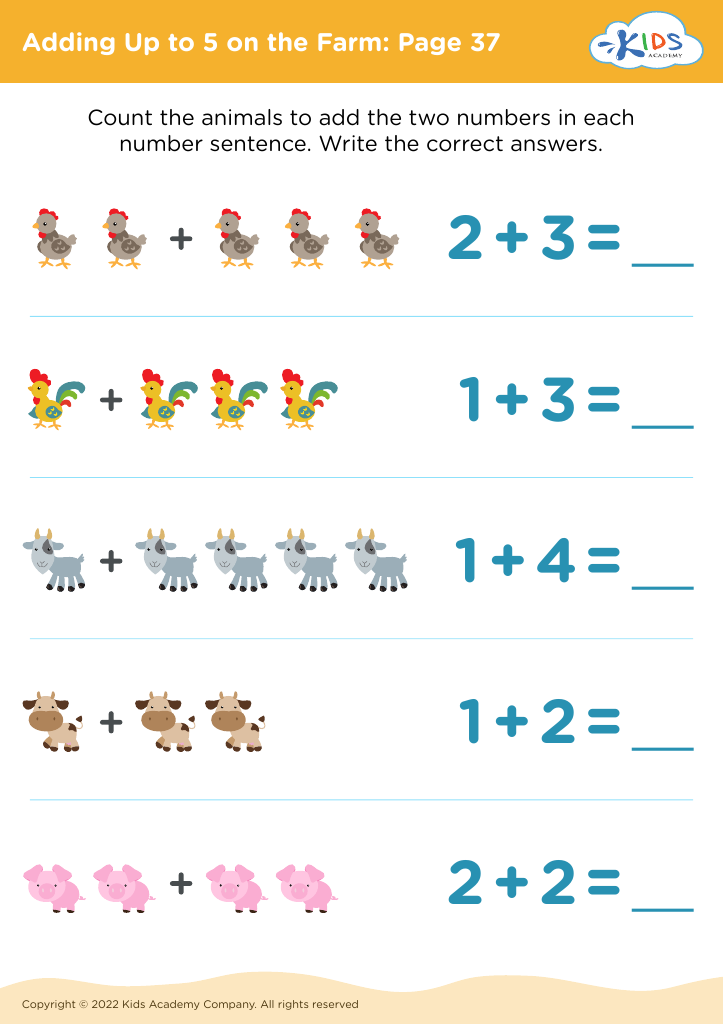
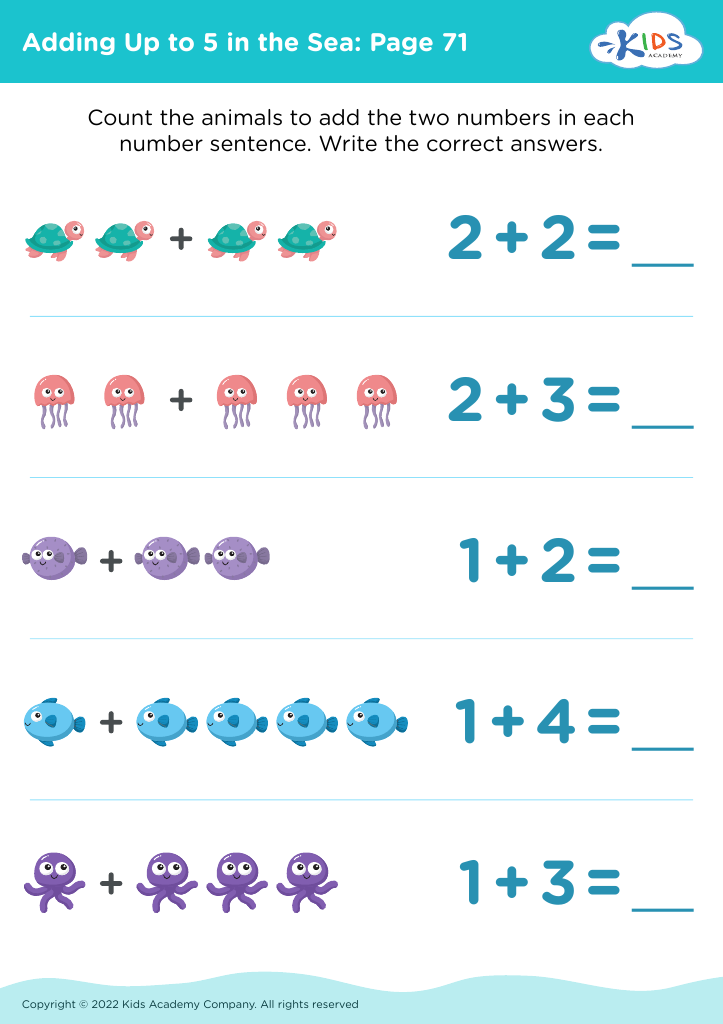
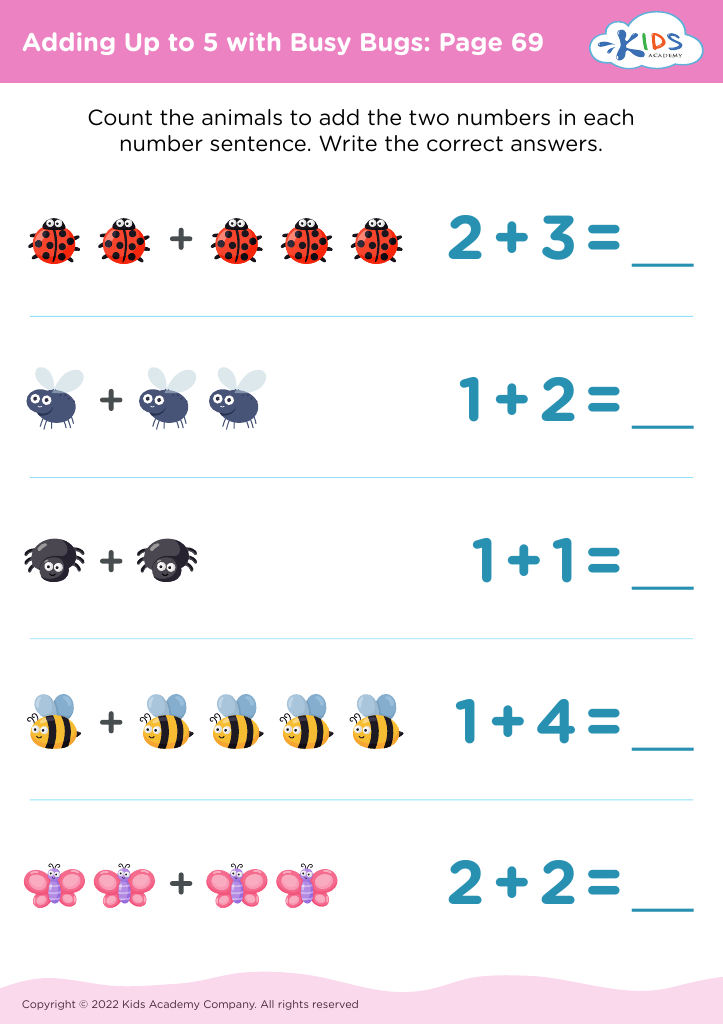








Understanding numeracy in early childhood is crucial for both parents and teachers because it lays the foundation for a child's future mathematical success and overall cognitive development. For ages 3-6, children are in a vital stage of learning where exploration and curiosity drive their educational journey. At this age, developing numeracy skills goes beyond simply counting; it includes recognizing patterns, understanding quantities, and grasping the concepts of addition and subtraction in a tangible way.
Parents and teachers who prioritize numeracy promote critical thinking skills and problem-solving abilities, which are essential in everyday life. Engaging young children in playful math activities, like counting objects or sorting shapes, fosters a positive attitude toward math, reducing the likelihood of anxiety associated with the subject later on. Additionally, a strong overture to numeracy supports learners in other subjects, as math is intertwined with science, technology, and even literacy.
By actively involving children in hands-on experiences, discussing numerical concepts, and integrating math into play, caregivers and educators set the stage for lifelong learning. Investing time in understanding numeracy helps form a solid groundwork for confident, capable learners, equipping them with valuable skills necessary for future academic challenges and real-world applications.








