
Color Identification Matching Worksheets for Ages 3-6
3 filtered results
Difficulty Level
Grade
Age
-
From - To
Subject
Activity
Standards
Introducing our vibrant "Color Identification Matching Worksheets for Ages 3-6," designed to make learning a captivating adventure! These engaging worksheets help young learners recognize and match colors through a variety of delightful activities. Perfect for preschool to kindergarten, each worksheet features eye-catching illustrations and simple instructions to enhance fine motor skills, visual perception, and critical thinking. Ideal for parents and teachers alike, our printable resources seamlessly blend fun and education, fostering early childhood development in an enjoyable, interactive way. Ignite your child's love for learning with our expertly crafted, colorful worksheets today!
Favorites
With answer key
Interactive
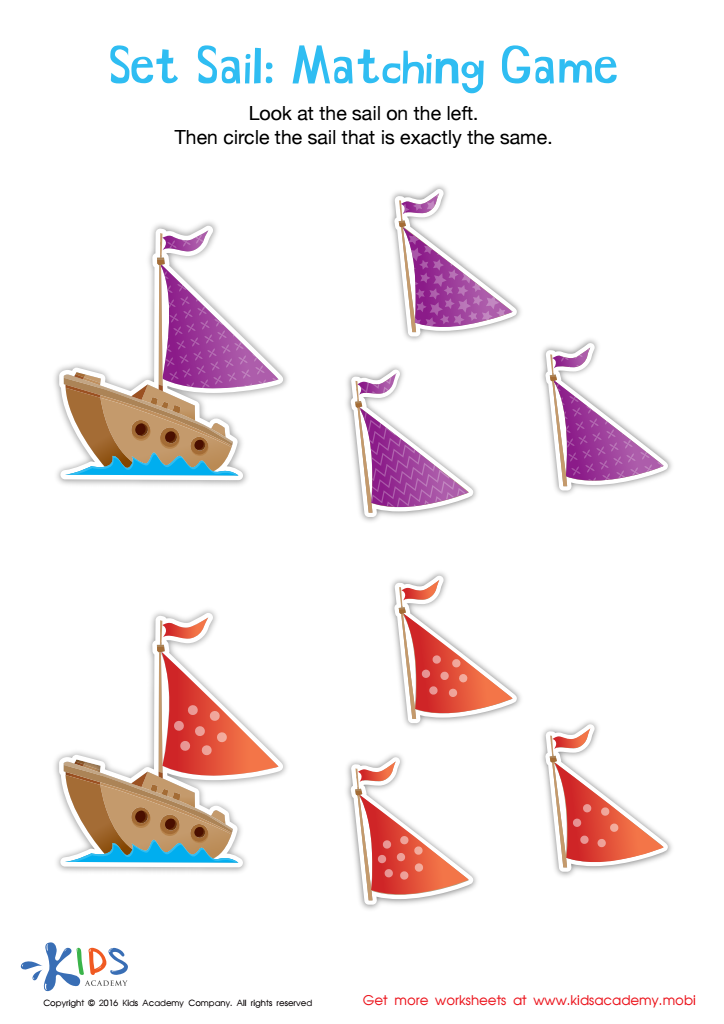
Set Sail Worksheet
Set sail with this fun matching game for toddlers! Kids will love finding the same pattern on the sails, improving their problem-solving and counting skills. Enjoy this bright and engaging worksheet!
 Assign to My Students
Set Sail Worksheet
Worksheet
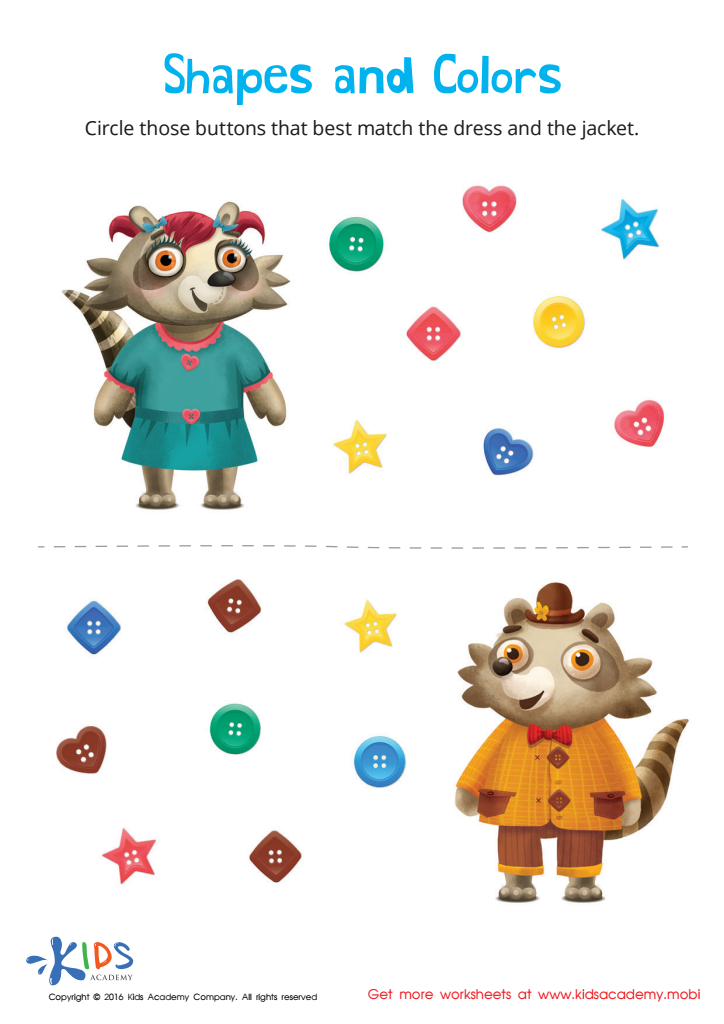
Matching: Shapes and Colors Worksheet
Help Mr. and Mrs. Raccoon find the right buttons to match their shirts! Kids will identify shapes and colors and learn to match them correctly.
Matching: Shapes and Colors Worksheet
Worksheet
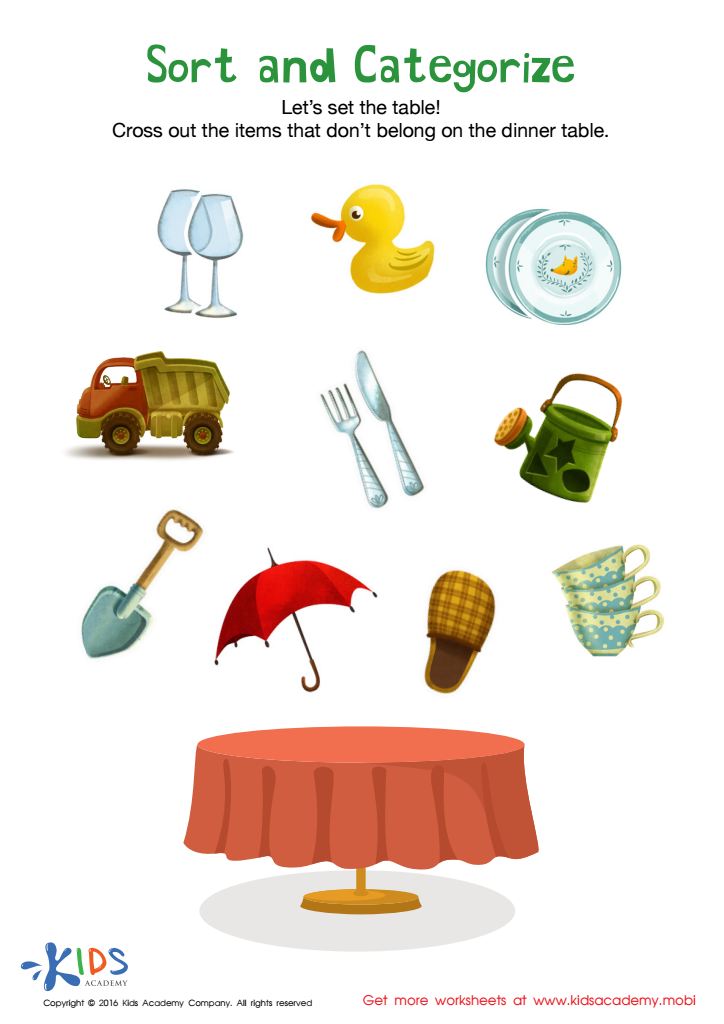
Join Kids Academy for Free
Who is primarily going to use this learning content?








Parents and teachers should care about color identification matching for children aged 3-6 because it plays a crucial role in early childhood development. Recognizing and matching colors enhance cognitive skills by fostering visual discrimination, memory, and attention to detail. These activities lay the foundation for categorization and sorting, essential skills for math and science learning.
Color matching also supports language development. When children learn to identify and name colors, they expand their vocabulary and improve their ability to describe objects and surroundings, boosting communication skills. Engaging with colors can spark curiosity and creativity, encouraging children to explore and experiment, which are key components of a lifelong love for learning.
Socially and emotionally, color activities can be collaborative and fun, promoting teamwork and cooperation in group settings. Successfully identifying and matching colors can build self-esteem and confidence as children experience a sense of accomplishment. It can also aid in fine motor skills development through handling objects, and manipulatives, crucial for writing and other intricate tasks.
Overall, color identification and matching are not just about learning colors but about developing a wide range of vital skills that contribute to a child's holistic growth and future academic success.








