Comparing numbers Measurement Worksheets for Ages 3-6
3 filtered results
-
From - To
Discover fun and engaging Comparing Numbers Measurement Worksheets tailored for young learners aged 3-6! These specialized worksheets focus on enhancing early math skills by introducing children to the concept of comparing numbers through hands-on activities. With colorful visuals and toddler-friendly content, kids can explore concepts like more, less, and equal while developing their critical thinking abilities. Perfect for parents and educators, these worksheets will make learning about numbers exciting and easy for little ones. Encourage your child's love for math with our creative resources, designed to boost confidence and foundational skills. Start comparing numbers today and watch their knowledge grow!
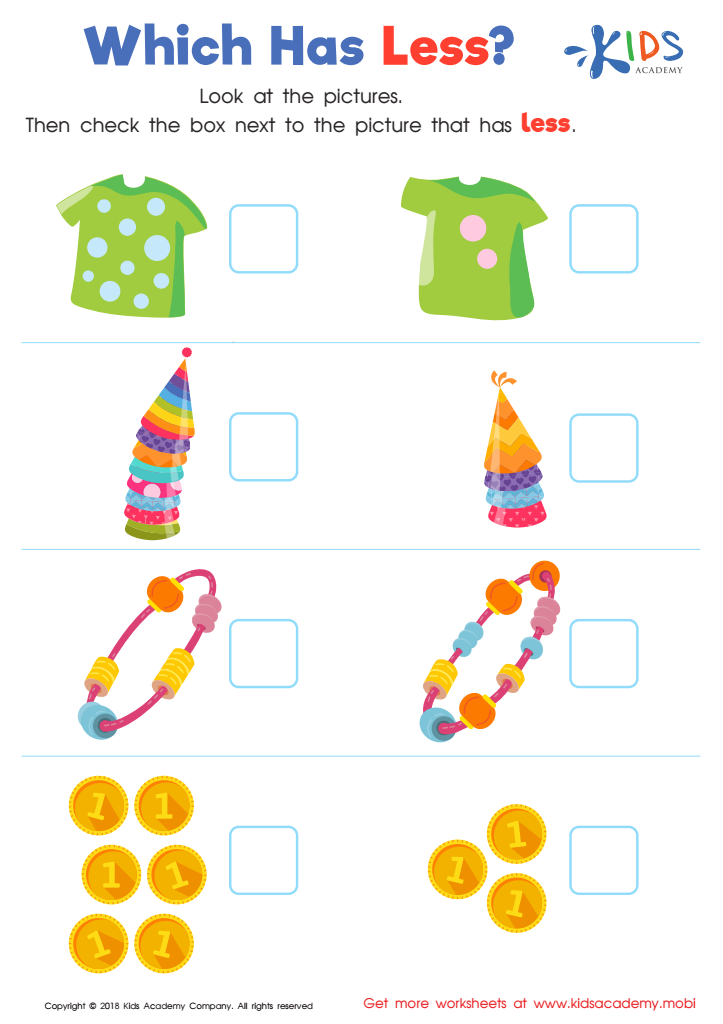
Which Has Less? Worksheet
 Assign to My Students
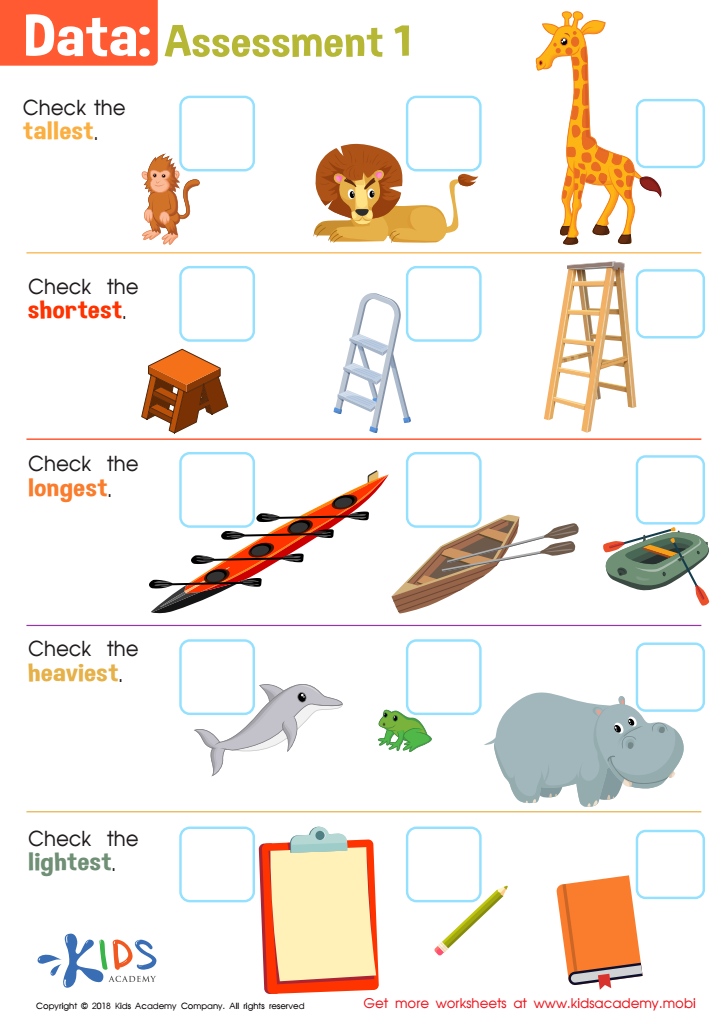
Data: Assessment 1 Worksheet
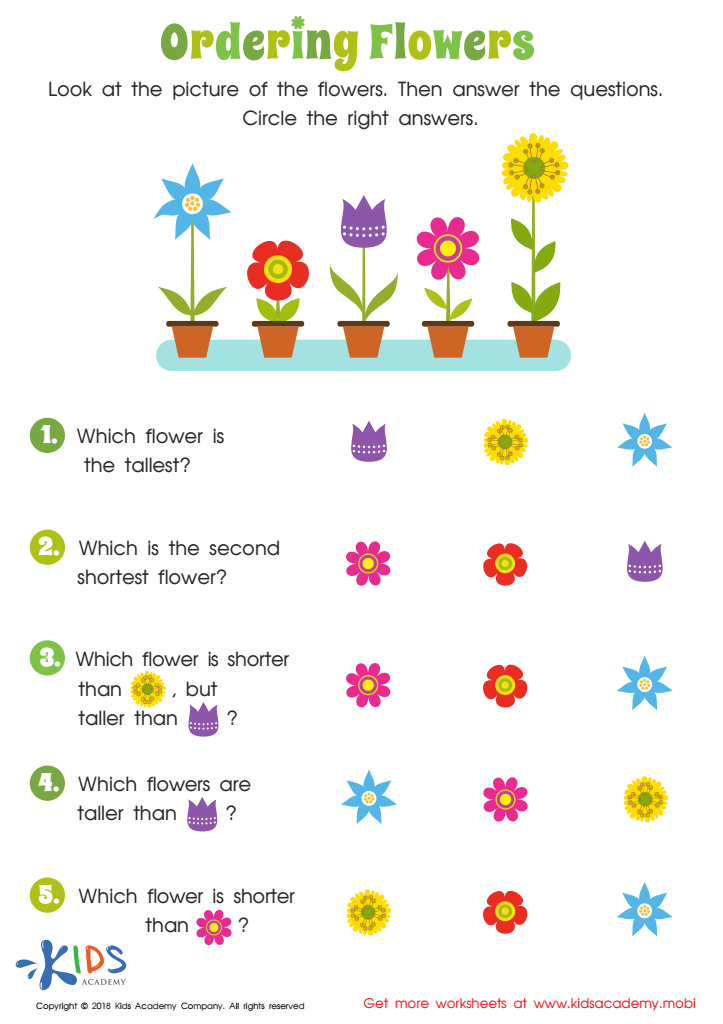
Ordering Flowers Worksheet


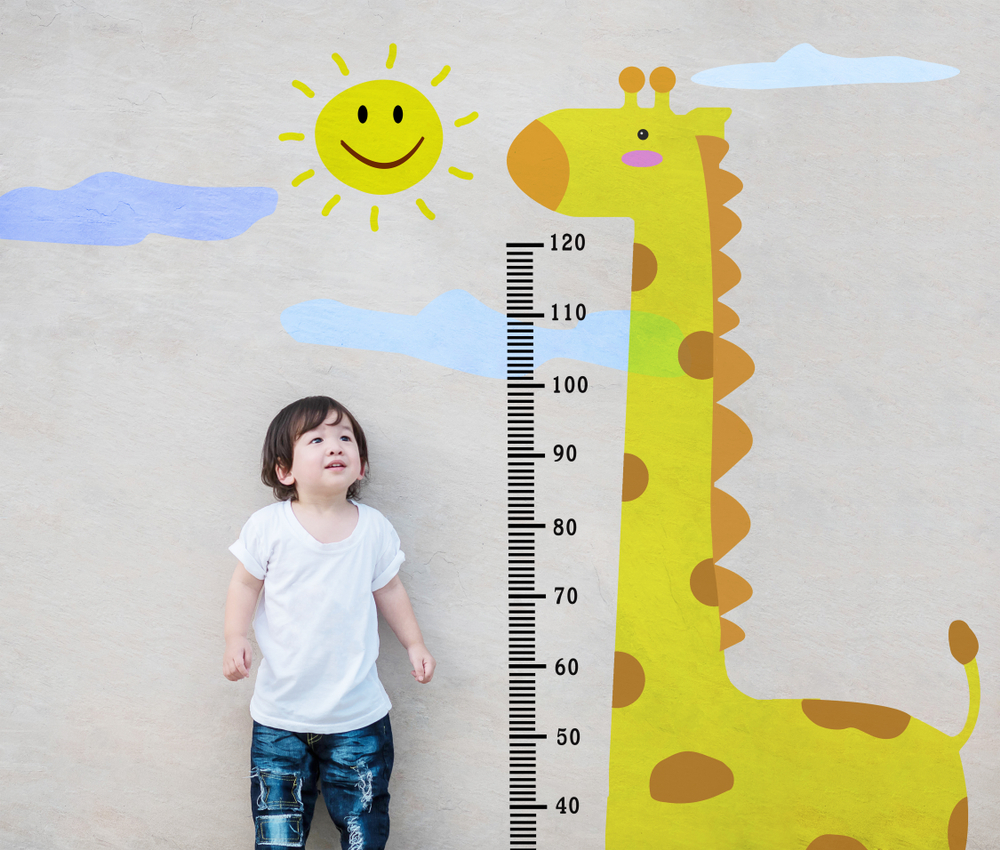





Comparing numbers and measurement are fundamental skills that lay the groundwork for mathematical understanding in young children aged 3-6. Parents and teachers should prioritize these concepts because they promote critical thinking and cognitive development. By comparing quantities, children learn to recognize differences and similarities, enhancing their visual-spatial awareness and logical reasoning skills. For instance, noting that one group of apples is larger than another fosters an intuitive grasp of quantity and encourages vocabulary development when they articulate their observations.
Furthermore, measurement introduces children to the concept of size, length, and weight, making abstract ideas concrete through hands-on activities. Utilizing everyday items like toys or fruits to measure using non-standard units (like blocks) engages children in playful learning. This hands-on approach not only builds confidence and curiosity but also encourages social skills as they share ideas and compare findings with peers or family.
Additionally, early exposure to these skills prepares children for more complex mathematical concepts as they grow, ensuring a smoother transition into formal education. By nurturing a positive and engaging environment around numbers and measurement, parents and teachers foster a love for math, ultimately enriching children's learning experiences and academic futures.








