
Basic Counting Numbers 0–10 Worksheets for Ages 3-6
3 filtered results
Difficulty Level
Grade
Age
-
From - To
Subject
Activity
Standards
Discover our engaging "Basic Counting Numbers 0–10 Worksheets" designed for children ages 3 to 6! These worksheets are perfect for introducing young learners to the foundational concepts of counting. With vibrant visuals and interactive exercises, kids will enjoy practicing number recognition and developing essential counting skills in a fun and accessible way. Each worksheet offers a variety of activities, including number tracing, counting objects, and simple exercises that promote visual-motor coordination. Ideal for both home and classroom settings, these resources provide an excellent starting point for building confidence in math and preparing children for future learning.
Favorites
With answer key
Interactive
 Assign to My Students
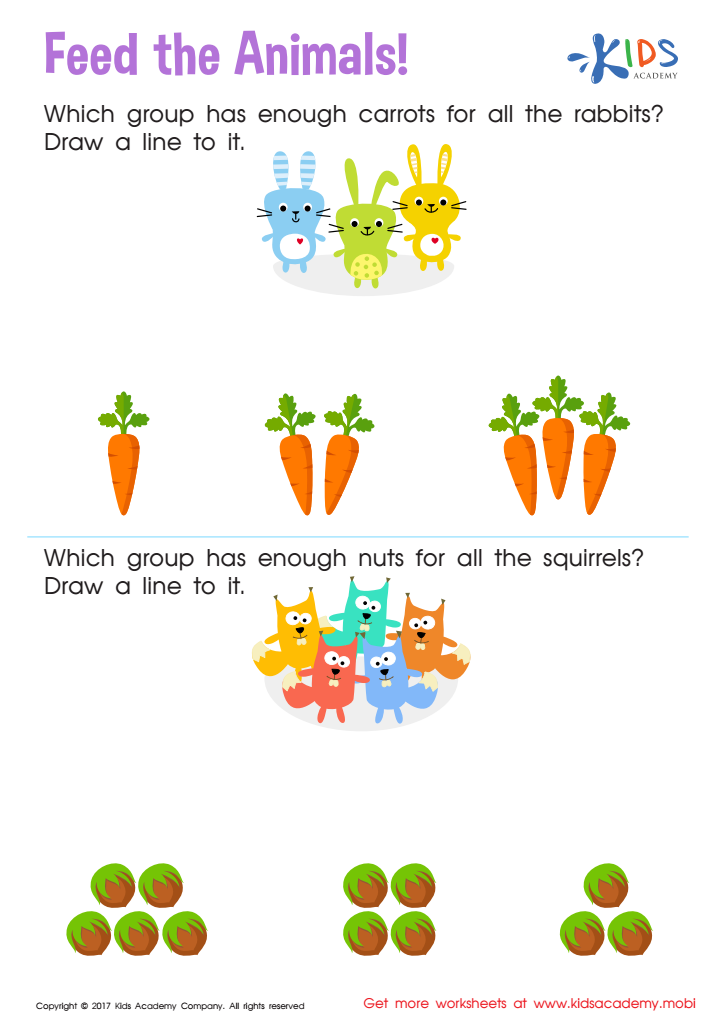
Count and Match: Feed the Animals Worksheet
Learning and growing involves more than just numbers, phonics and comparison. This Feed the Animals worksheet helps kids to exercise their reasoning skills. They must work out how many rabbits and carrots there are, and then repeat the process for the squirrels. This encourages problem solving and counting skills.
Count and Match: Feed the Animals Worksheet
Worksheet
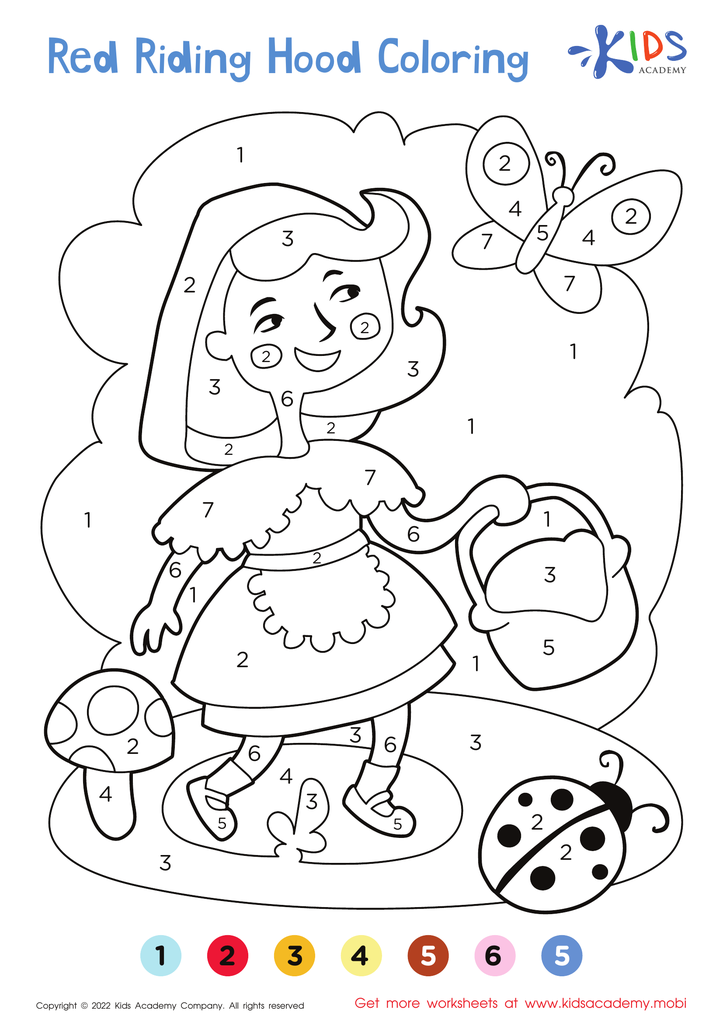
Little Red Riding Hood – Coloring by Numbers
Download this free PDF page and enjoy coloring Little Red Riding Hood. It's an easy and fun activity that everyone can do - just follow the numbers! Get your colored pencils ready and have a blast. 80 words.
Little Red Riding Hood – Coloring by Numbers
Worksheet
Join Kids Academy for Free
Who is primarily going to use this learning content?








Learning basic counting numbers from 0 to 10 is crucial for children aged 3-6 as it serves as the foundation for their mathematical understanding. During these formative years, children develop cognitive skills and build essential concepts that will resonate throughout their educational journey. Counting nurtures not only numerical skills but also enhances critical thinking and problem-solving abilities.
Parents and teachers should prioritize this learning because it fosters confidence among young learners. When children master counting, they feel a sense of accomplishment, which motivates them to engage further in math-related activities. Understanding numbers also plays a significant role in everyday life; it helps children begin to grasp concepts of quantity, comparison, and sequencing.
Additionally, early counting skills are linked to later academic success. Studies show that a solid grasp of counting at this stage can predict stronger math skills in higher grades. In social settings, counting develops communication skills, as children learn to express and share numbers with peers.
Moreover, integrating counting into play, stories, and daily routines makes learning natural, fun, and engaging. By prioritizing these basic counting numbers, parents and teachers lay a strong, supportive framework for future learning, ensuring children are well-equipped for more advanced concepts in mathematics as they grow.








