Fine motor skills (drawing lines) Numbers 0–10 Worksheets for Ages 3-6
4 filtered results
-
From - To
Help your child develop essential skills with our "Fine Motor Skills (Drawing Lines) Numbers 0–10 Worksheets for Ages 3-6." These engaging worksheets are designed to enhance children's fine motor skills and number recognition in a fun and educational way. Perfect for preschoolers and kindergartners, each worksheet includes tracing lines activities focused on numbers 0 through 10. By combining drawing exercises with math fundamentals, your child will improve hand-eye coordination, pencil control, and numeric understanding all at once. Give your little learner a strong start in math and motor skill development with these beautifully crafted, easy-to-use resources.

Count and Match Vegetables 1 – 7 Math Worksheet
 Assign to My Students

Counting Eggs Worksheet
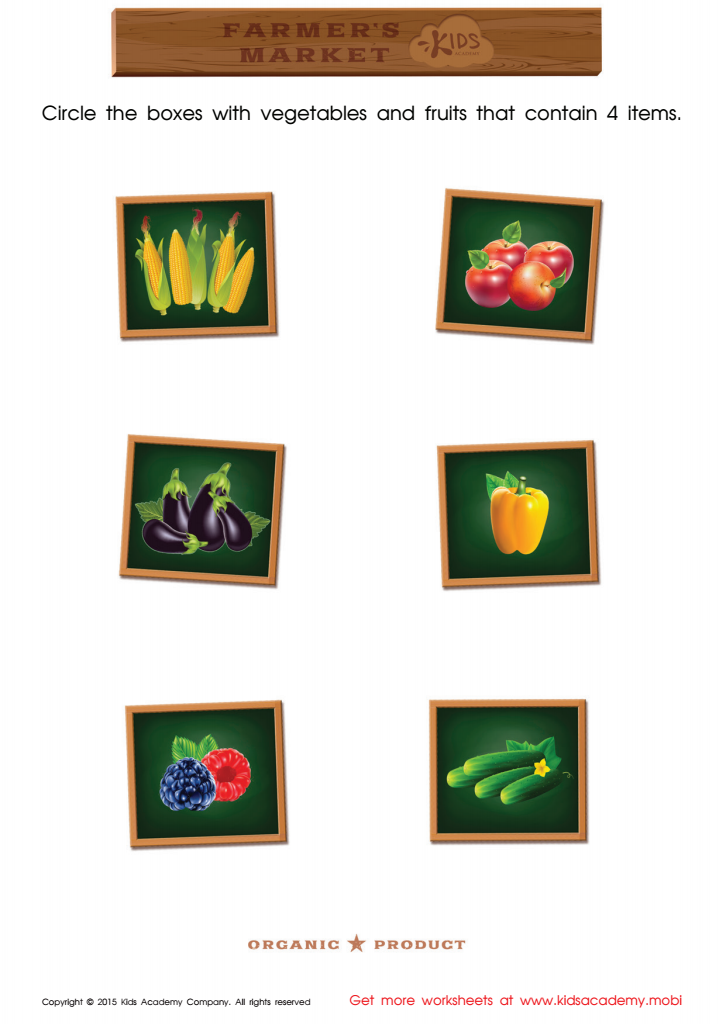
Count and Match Vegetables 2 – 8 Math Worksheet
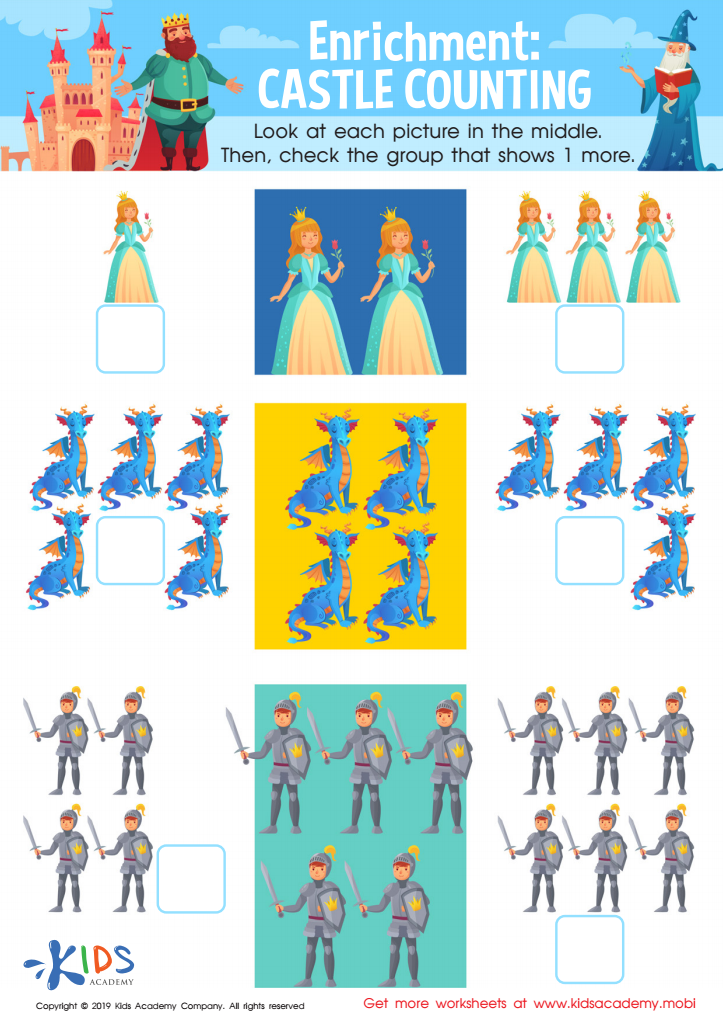
Enrichment: Castle Counting Worksheet








Fine motor skills and early numeric understanding are foundational during the crucial developmental phase of ages 3-6. Fine motor skills, like drawing lines, help children gain the hand-eye coordination, dexterity, and muscular stamina needed for tasks such as writing, buttoning clothes, and using utensils. When children practice drawing lines and other shapes, they enhance their pencil grip and control, preparing their hands for the intricate movements involved in writing letters and numbers.
On another front, understanding numbers 0-10 is paramount for early cognitive and academic development. Early numeric knowledge lays the groundwork for basic math skills, including counting, addition, and subtraction, which are critical for later mathematical learning. Recognizing and understanding numbers enhance a child’s ability to grasp quantities, compare magnitudes, and identify patterns, fostering logical thinking and problem-solving skills.
For parents and teachers, encouraging activities that combine both components—like tracing numbers—brings synergistic benefits. Children not only practice fine motor control but also develop their number recognition and counting abilities simultaneously. Prioritizing these skills helps ensure that children are well-prepared for future academic challenges and are more likely to experience success and confidence in school. Nurturing these developmental pillars represents an investment in a child's overall growth, equipping them with essential tools for lifelong learning and daily tasks.








