Hand-eye Coordination Numbers 0–10 Worksheets for Ages 3-6
13 filtered results
-
From - To
Enhance your child's hand-eye coordination while introducing them to the numbers 0-10 with our engaging worksheets designed specifically for ages 3-6. Our printable resources combine fun activities that promote fine motor skills and early math concepts. Each worksheet includes colorful illustrations and interactive exercises that make learning enjoyable and effective. As children trace, connect, and color, they will develop essential coordination skills alongside number recognition. Perfect for at-home learning or classroom use, these worksheets provide a hands-on approach to grasping foundational math while keeping little hands busy. Start your child's educational journey today with our delightful hand-eye coordination worksheets!
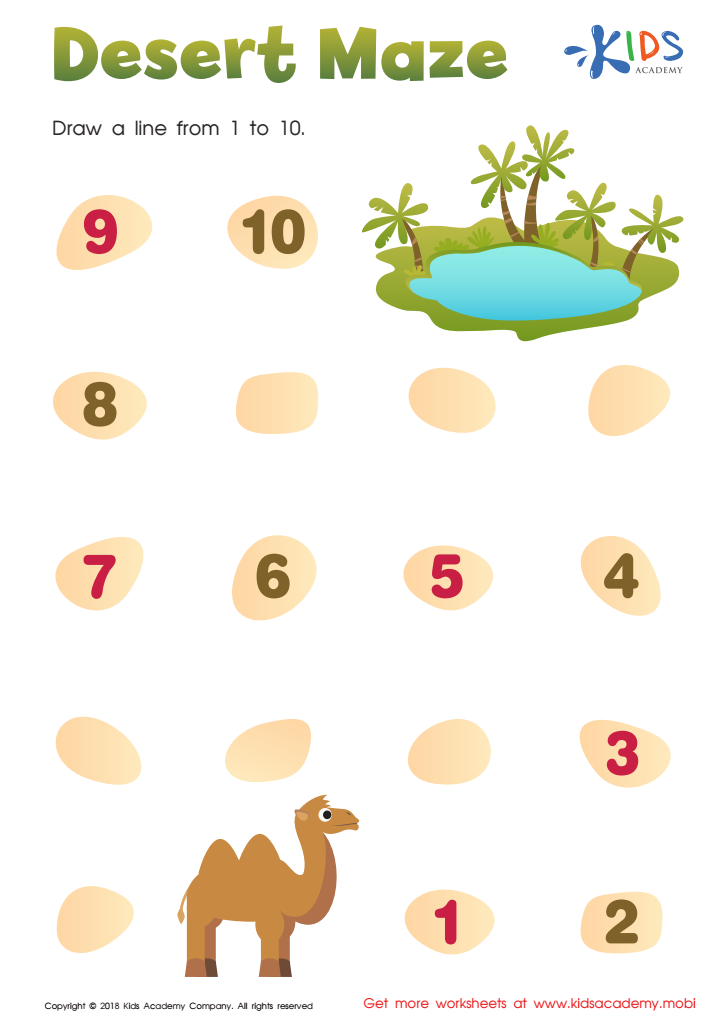
Desert Maze Worksheet
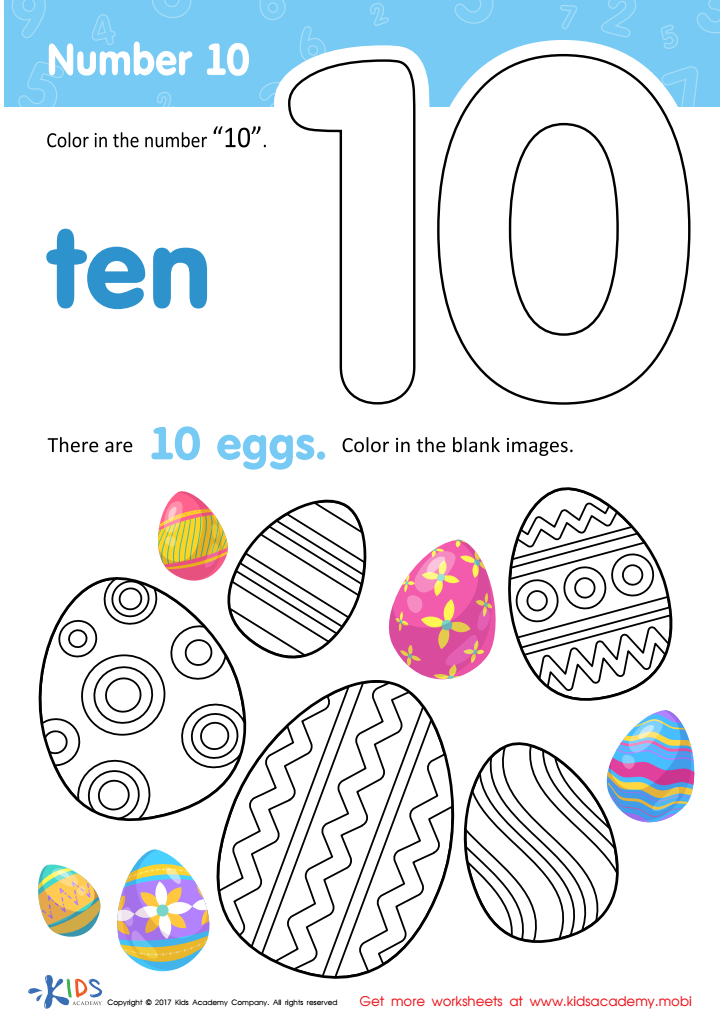
Number 10 Printable
 Assign to My Students
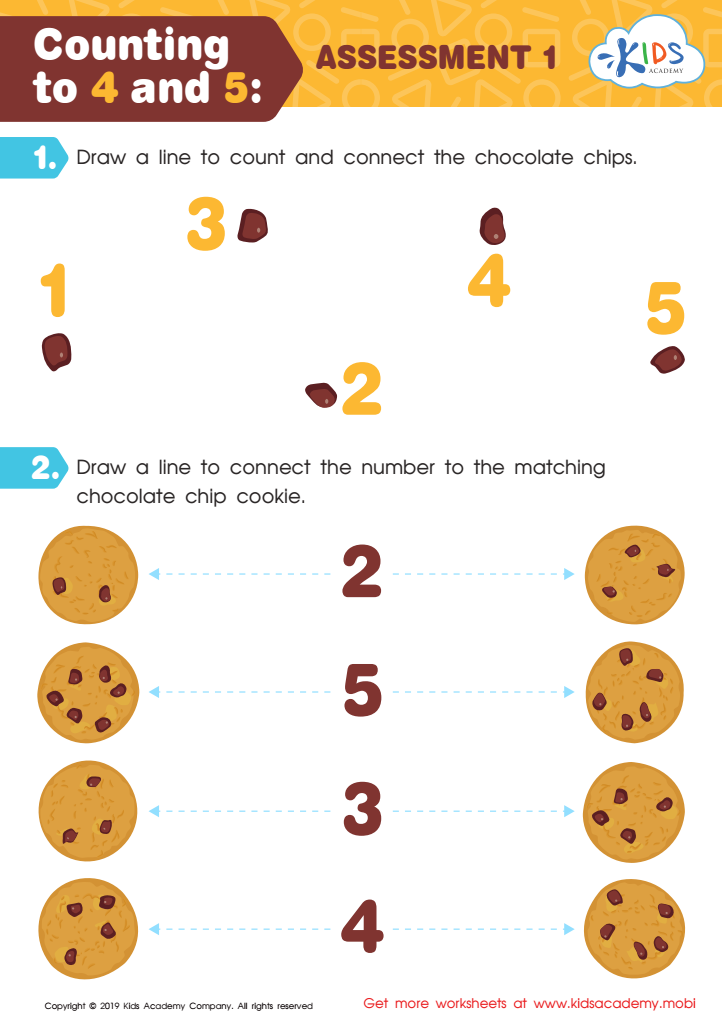
Counting to 4 and 5: Assessment 1 Worksheet
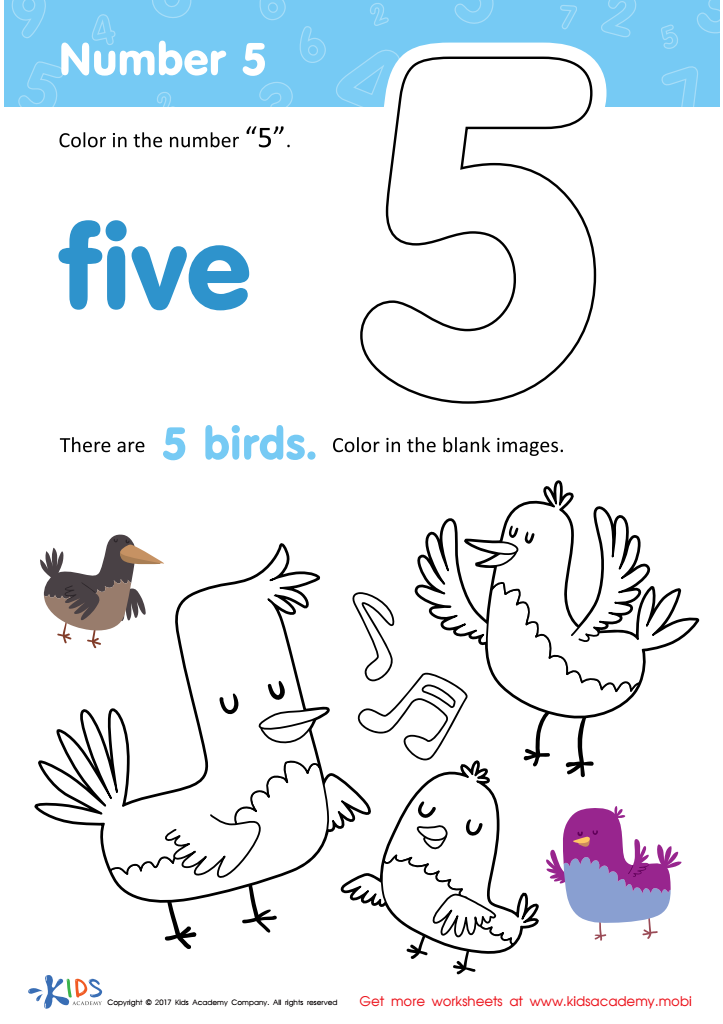
Number 5 Printable
Assign to My Students
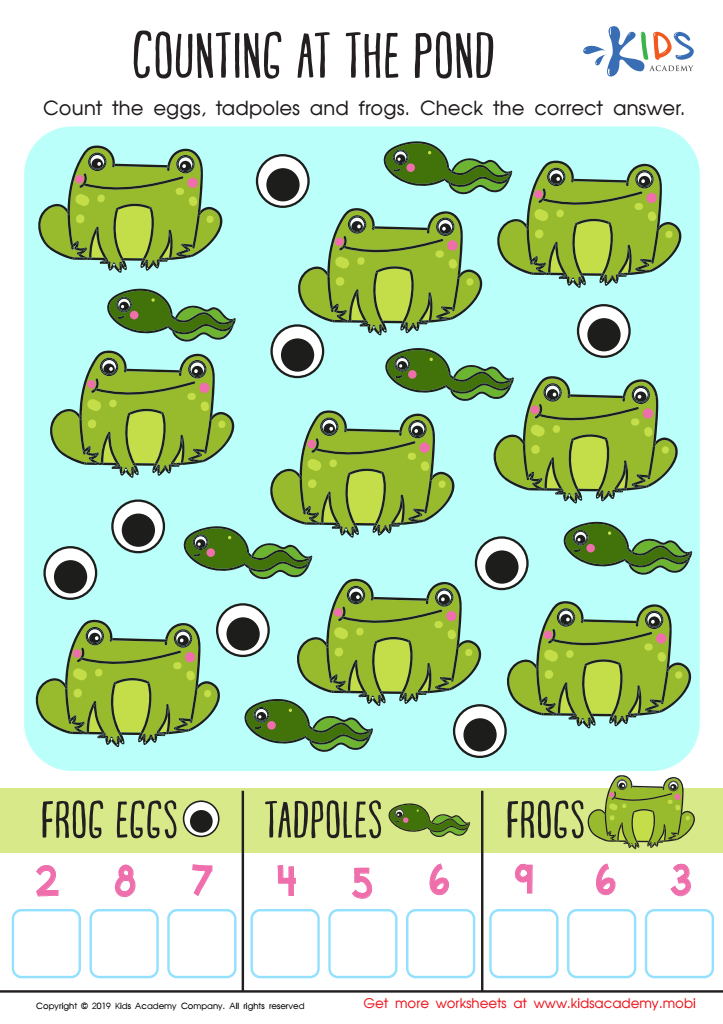
Counting at the Pond Worksheet
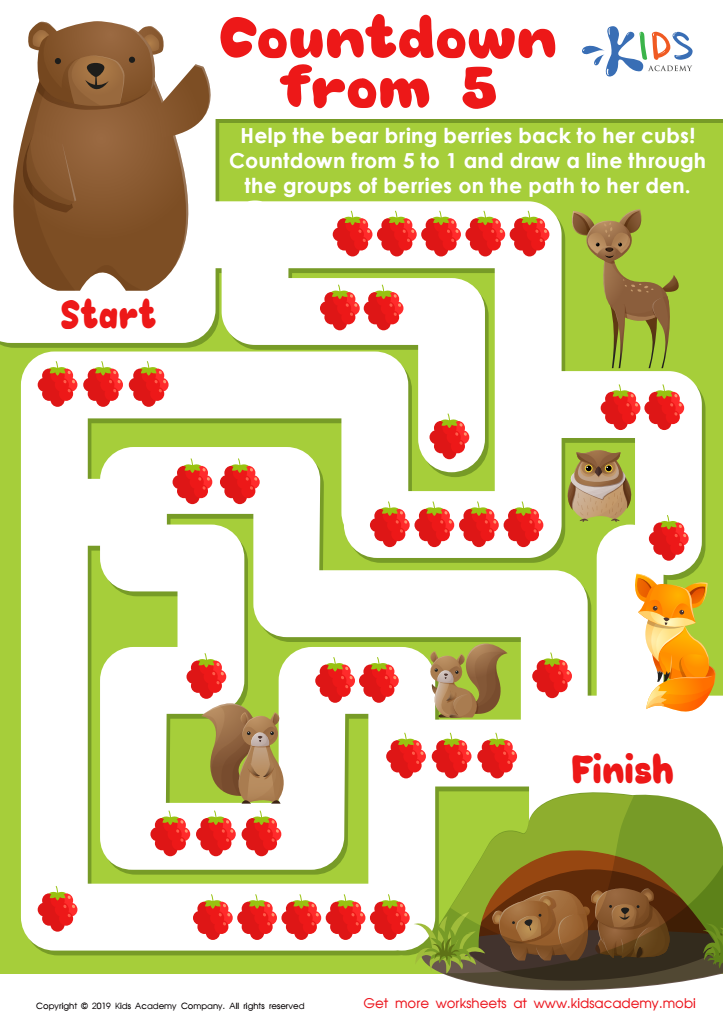
Countdown from 5 Worksheet
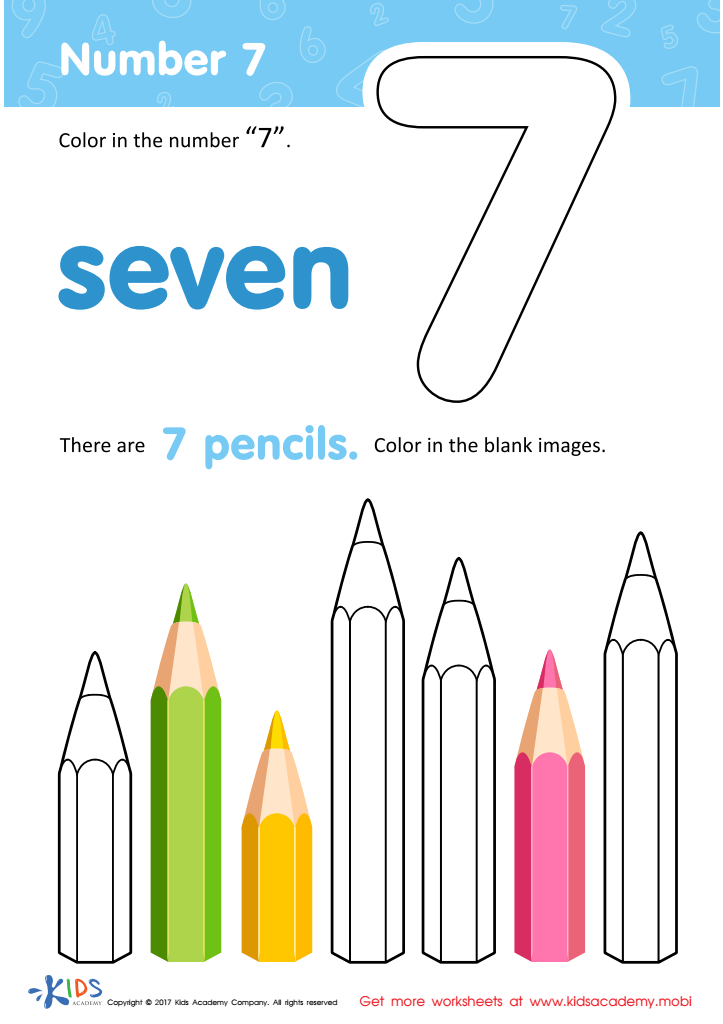
Number 7 Worksheet
Assign to My Students
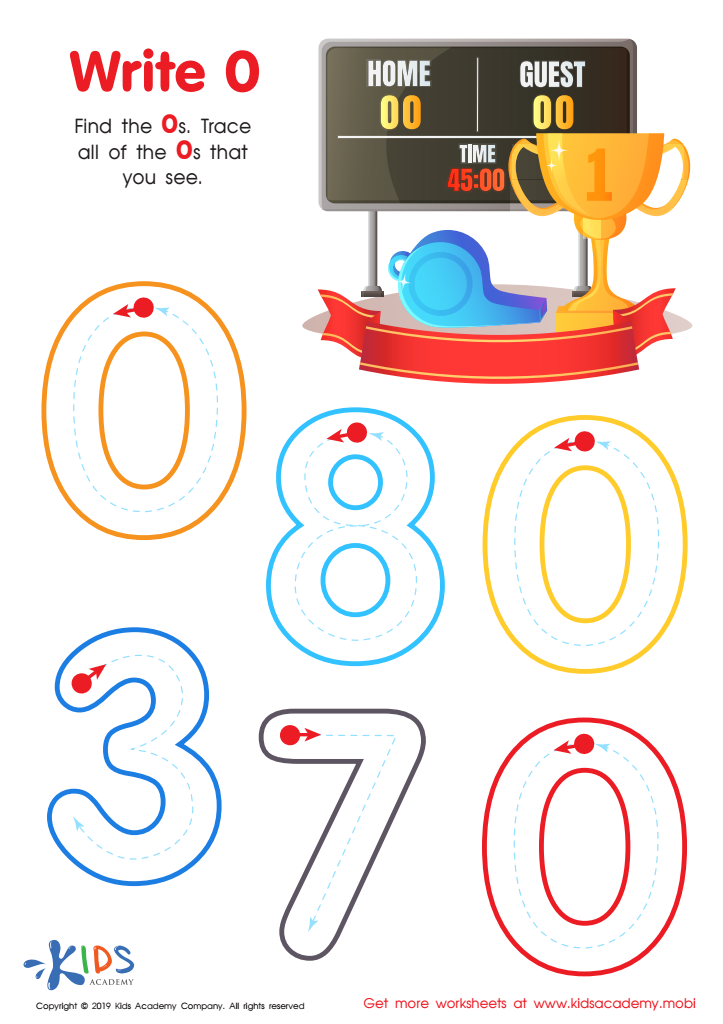
Write 0 Worksheet
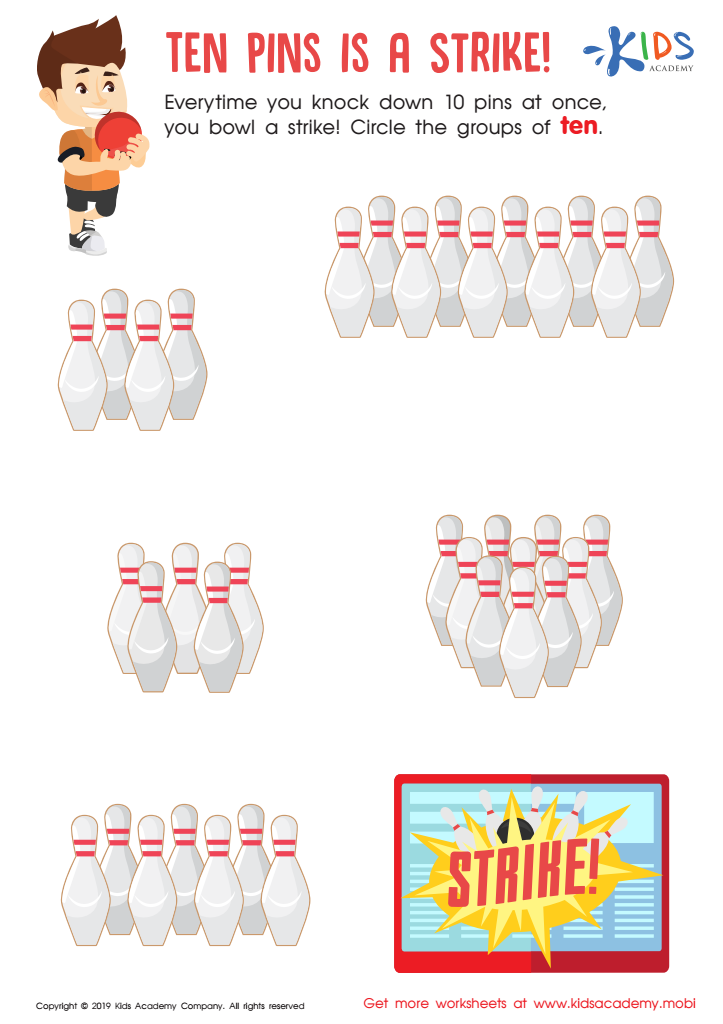
Ten Pins is a Strike Worksheet
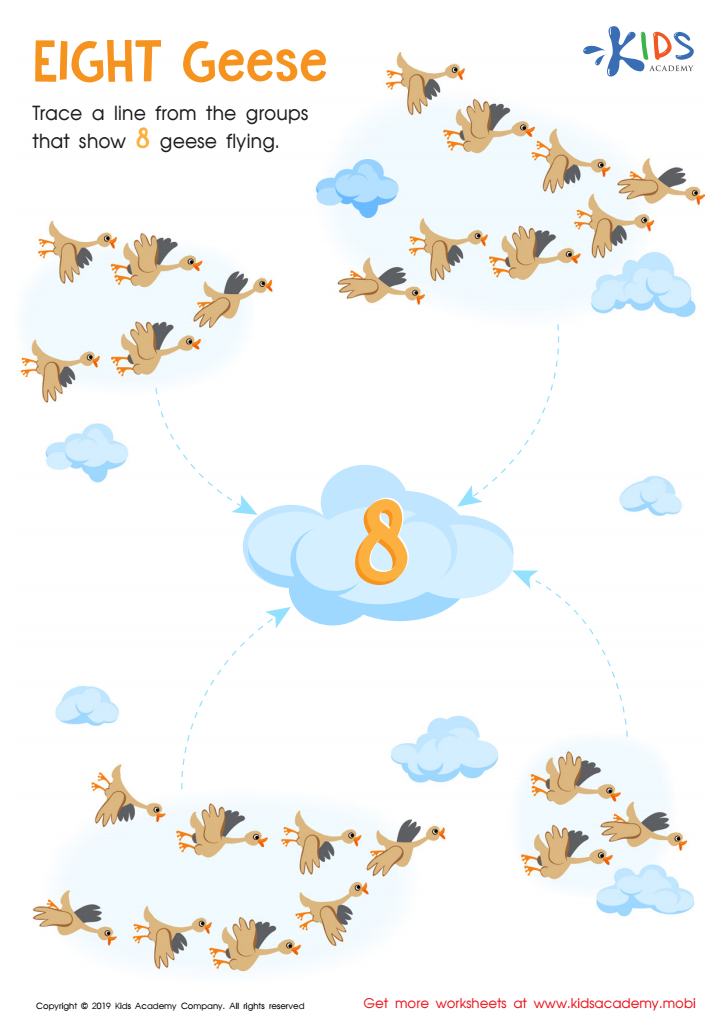
Eight Geese Worksheet
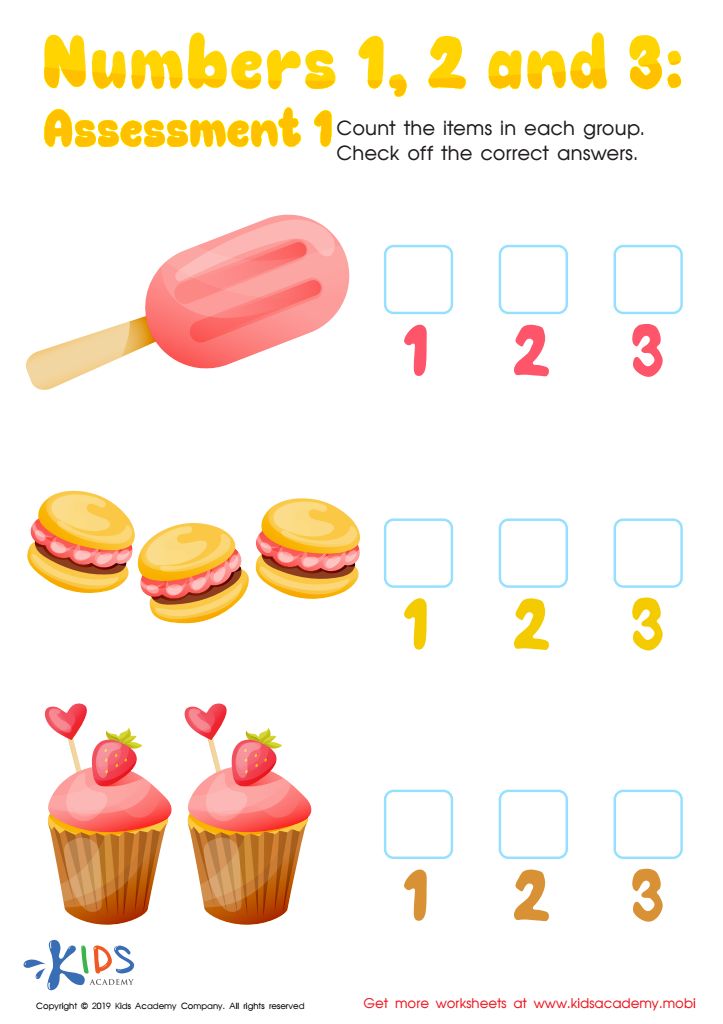
Numbers 1, 2 and 3: Assessment 1 Worksheet
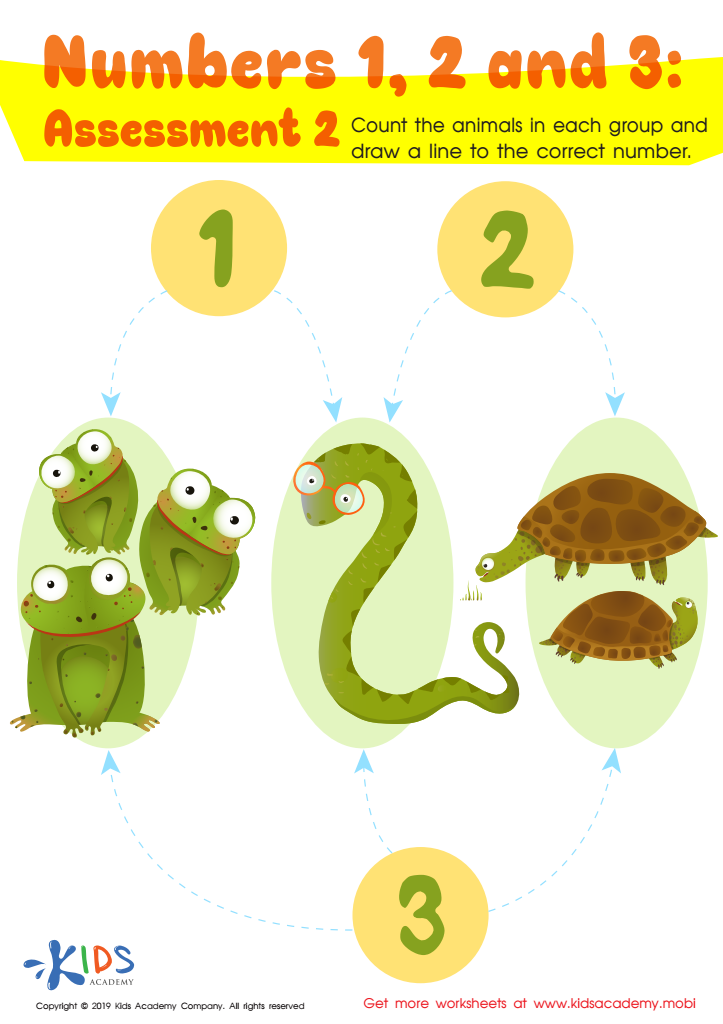
Numbers 1, 2 and 3: Assessment 2 Worksheet
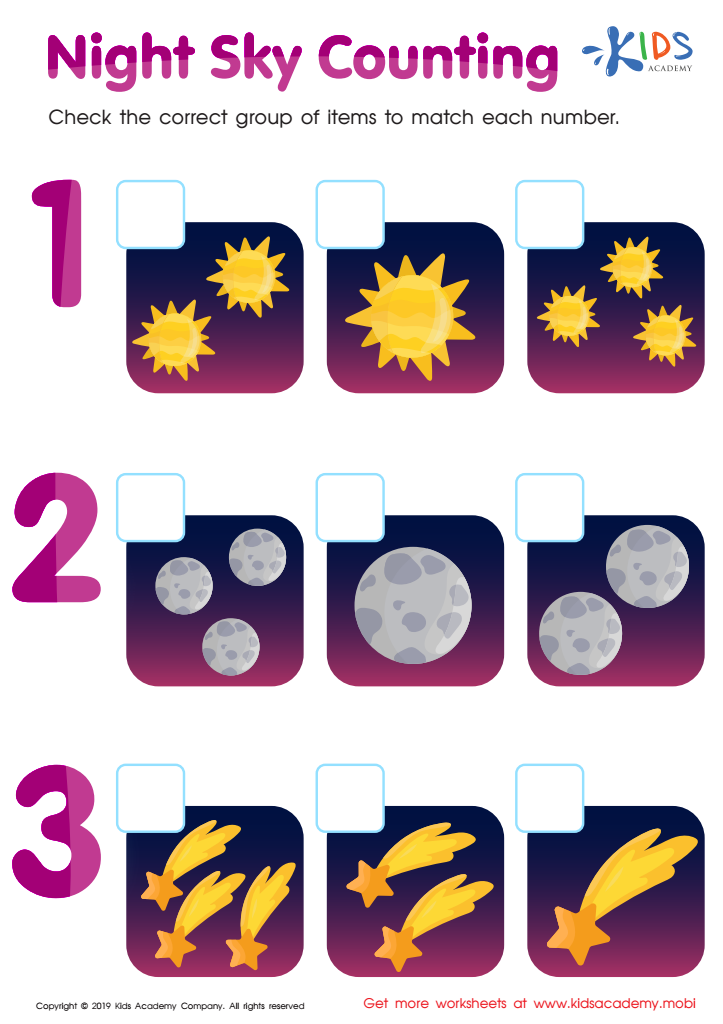
Night Sky Counting Worksheet








Hand-eye coordination is a crucial skill for young children, particularly for those aged 3-6, as it lays the foundation for numerous everyday tasks and activities. Parents and teachers should prioritize the development of this skill for several reasons.
Firstly, effective hand-eye coordination helps children engage in basic activities, such as writing, drawing, and manipulating small objects, which are essential for their educational journey. Mastery of numbers 0–10 is foundational for early numeracy skills, and activities that involve hand-eye coordination can significantly enhance these mathematical abilities through playful learning.
Moreover, practicing hand-eye coordination boosts fine motor skills, which are vital for tasks like tying shoelaces, fastening buttons, and using utensils. These skills instill a sense of independence in children and support their physical development.
Additionally, engaging in activities that promote hand-eye coordination fosters social interaction among peers, enhancing communication skills and teamwork. As children collaborate on games and projects, they learn to communicate effectively and develop emotional intelligence.
Ultimately, parents and teachers who prioritize hand-eye coordination not only support educational development but also contribute to the overall physical, social, and emotional well-being of children. Investing time in this area equips them with essential life skills for the future.