Reading comprehension Building Vocabulary Coloring Pages Worksheets for Ages 3-6
4 filtered results
-
From - To
Enhance your child's reading comprehension and vocabulary with our engaging coloring pages and worksheets designed for ages 3-6. Our resources blend fun and learning, encouraging young learners to explore language creatively. Each worksheet features colorful illustrations that captivate children's attention while introducing essential words and phrases. These interactive activities help improve vocabulary through delightful coloring and engaging exercises, fostering a love for reading from an early age. Parents and educators can easily integrate these worksheets into their daily routine, promoting linguistic skills and comprehension readiness. Download our specially curated coloring pages today, and embark on an exciting educational journey with your little one!
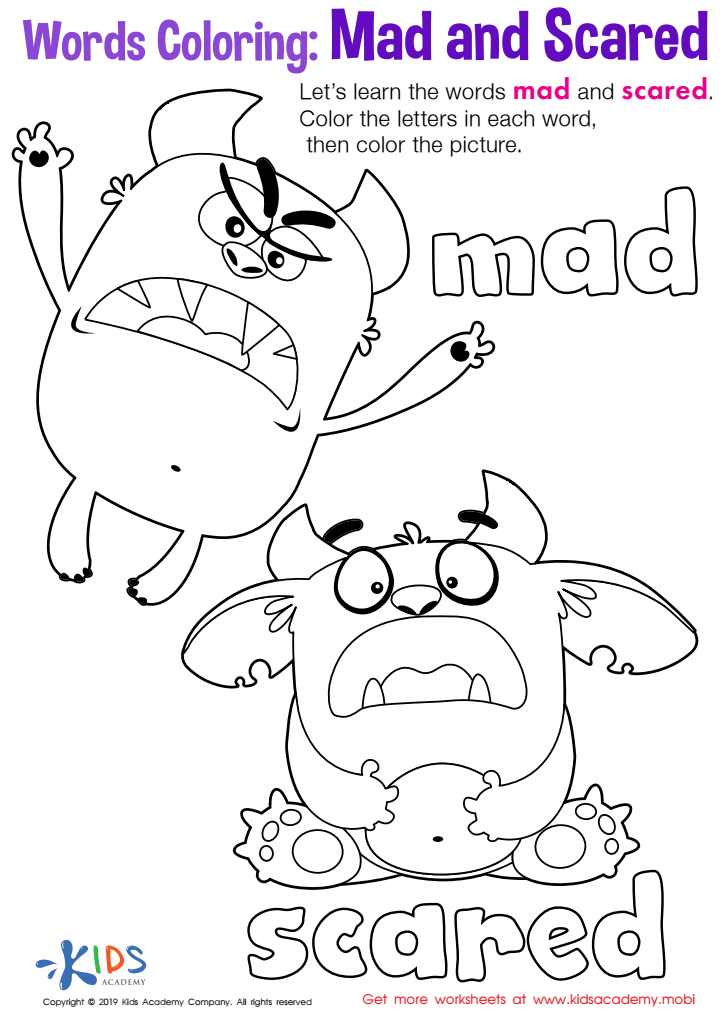
Mad and Scared Words Coloring Worksheet
 Assign to My Students
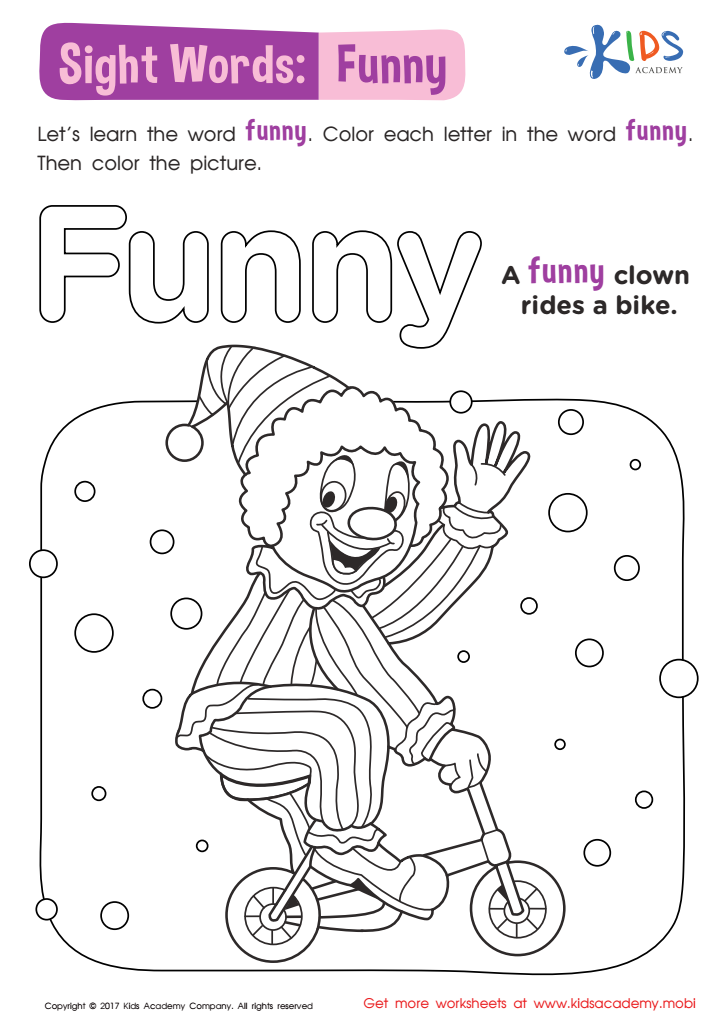
Funny Worksheet Sight Words Worksheet
Assign to My Students

Long and Short E Worksheet
Assign to My Students
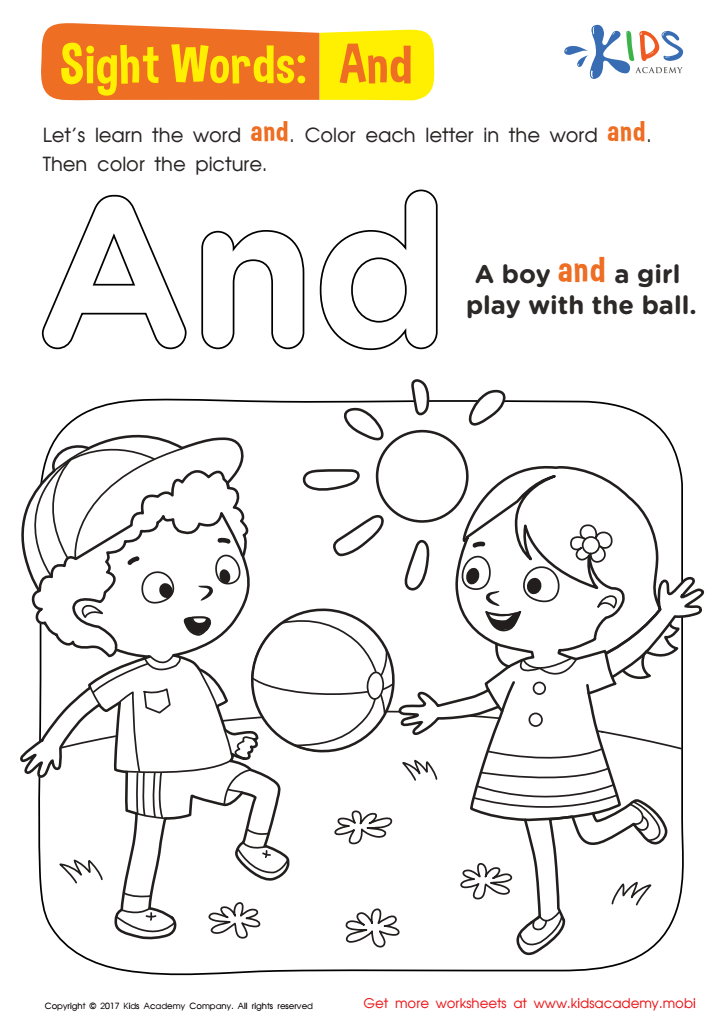
And Worksheet Sight Words Worksheet
Assign to My Students



Parents and teachers should prioritize reading comprehension and vocabulary building through coloring pages for children aged 3-6 because these foundational skills are crucial for early literacy development. During these formative years, children are like sponges, absorbing knowledge and forming the building blocks for future learning.
Coloring pages not only stimulate creativity and fine motor skills but can also be integrated with vocabulary-building activities. By incorporating words associated with the images—a cat, tree, or car—children are introduced to new vocabulary in a fun and engaging way. This combination enhances comprehension as they learn to connect words with their meanings and uses.
Furthermore, engaging in reading activities improves attention span and promotes a love for literature. When children color while discussing a story or relating it to an image, they enhance their ability to recall and discuss narrative elements, strengthening their comprehension skills.
By focusing on these activities, parents and teachers create a rich, interactive learning environment. This preparation lays a strong foundation for academic success, encouraging lifelong learners equipped with essential critical thinking and communication skills. Investing time in these practices ensures children are better prepared to navigate and understand more complex texts as they progress through their education.








