Addition Practice Building Vocabulary Worksheets for Ages 3-6
5 filtered results
-
From - To
Welcome to our "Addition Practice Building Vocabulary Worksheets" designed specifically for ages 3-6! These engaging worksheets blend essential math skills with vocabulary development, making learning fun and effective. Perfect for young learners, our activities encourage children to explore addition concepts while enhancing their language and comprehension skills. Each worksheet incorporates colorful visuals and interactive exercises that captivate young minds and promote hands-on learning. Parents and educators can use these resources to support early math literacy in a playful context. Start your child’s educational journey today and watch as they shine in both their math abilities and verbal expression!
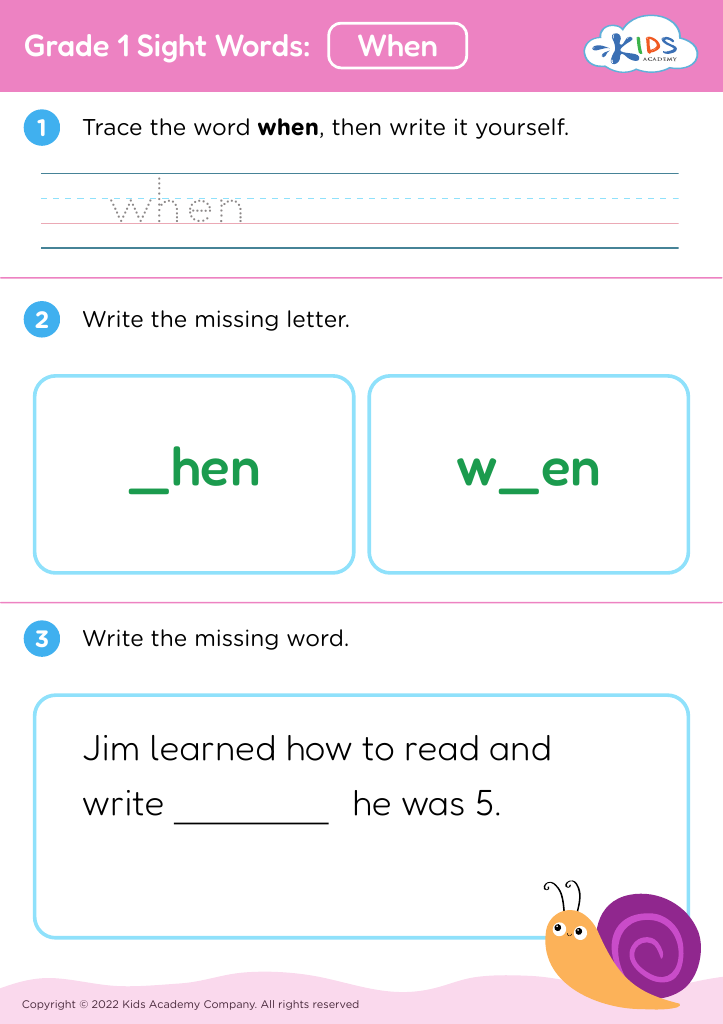











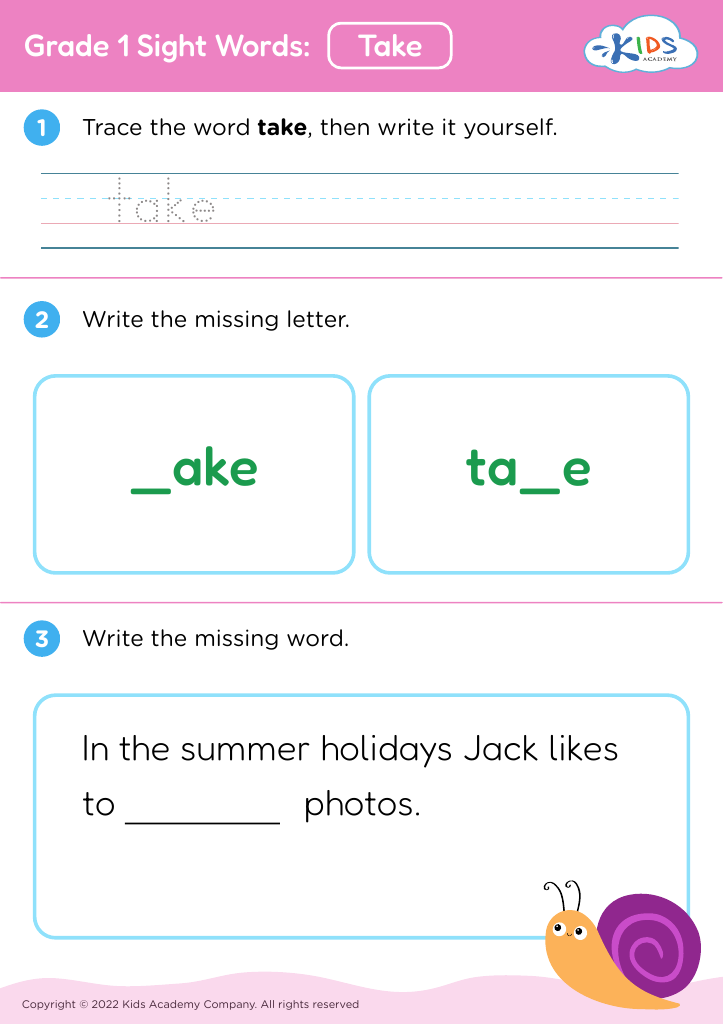
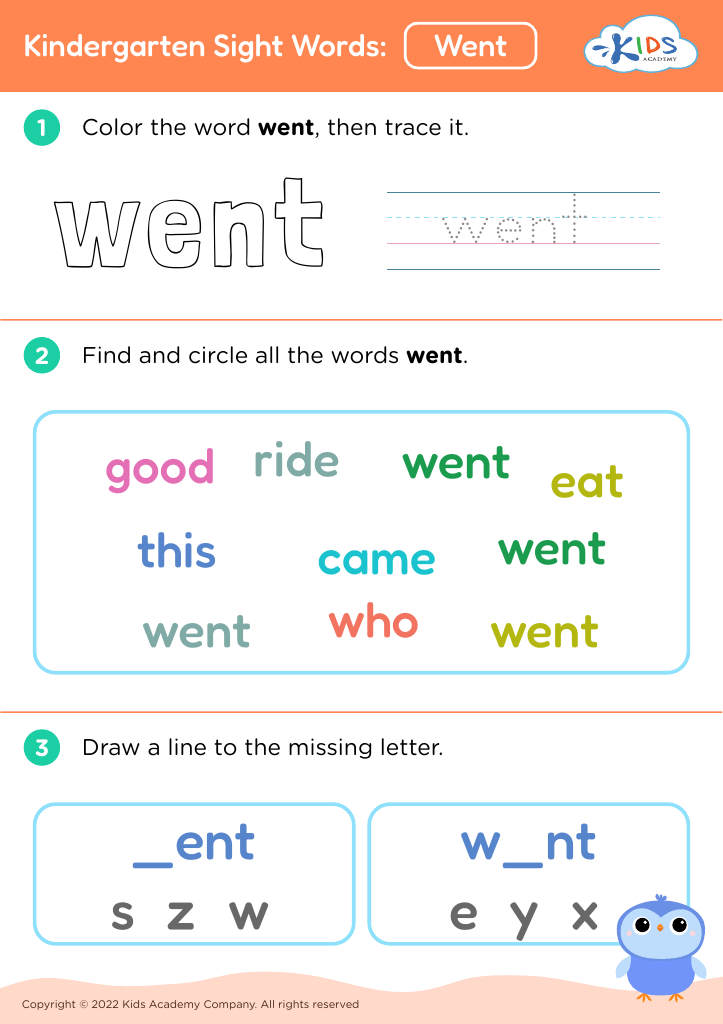
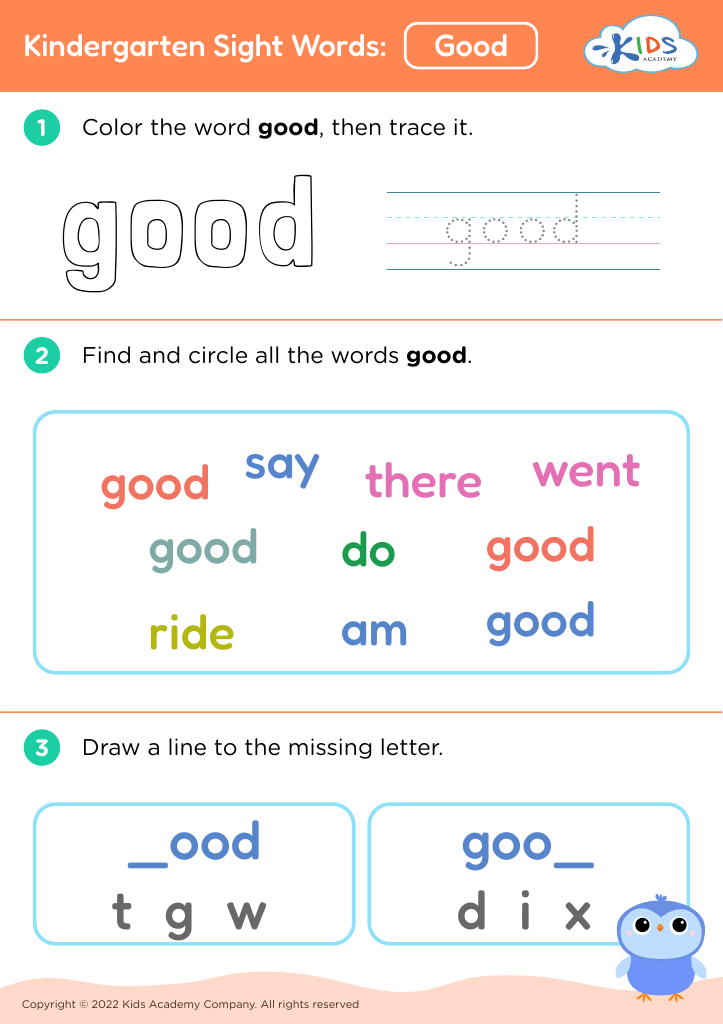
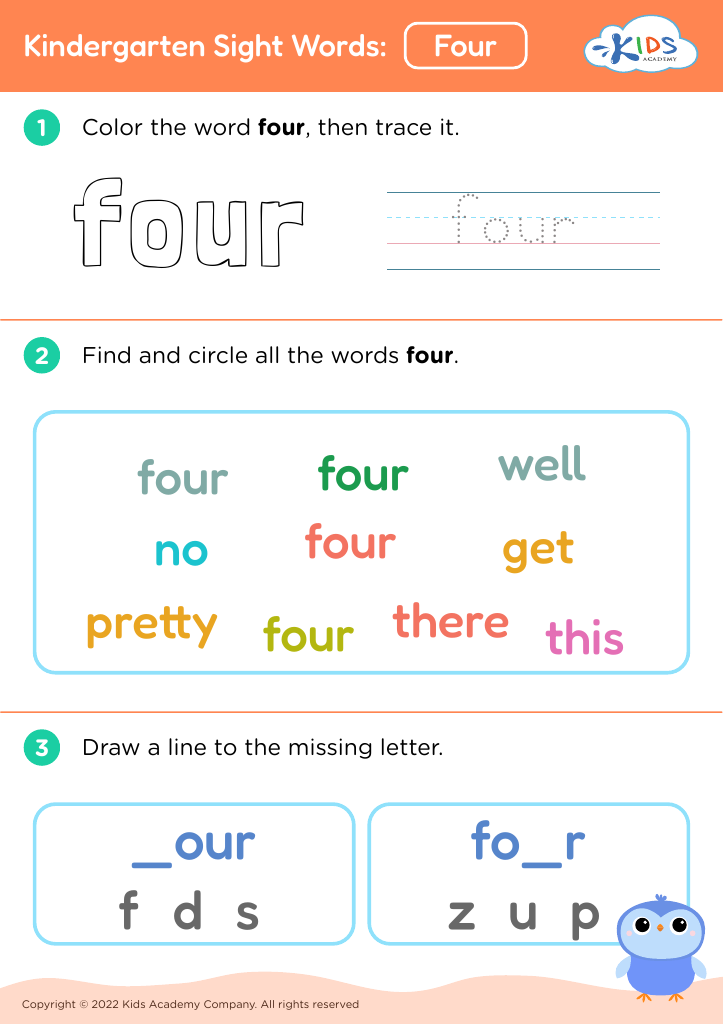








Addition practice and vocabulary building are crucial developmental components for children ages 3-6, and both should be emphasized by parents and teachers. First, mastering basic addition lays the groundwork for essential mathematical skills. Early exposure to addition helps children understand numbers, enables them to solve problems, and nurtures logical thinking. This foundation is essential for future math proficiency.
Moreover, building vocabulary during this age enhances children's communication skills, promotes reading readiness, and fosters cognitive development. The relationship between language and math is significant—understanding mathematical concepts often relies on recognizing and using the right terminology. For instance, words like "more," "less," "altogether," and "total" enrich children's mathematical discussions and provide clarity when solving problems.
Additionally, combining addition practice with vocabulary activities makes learning more engaging. Interactive games and songs that incorporate math terminology can make learning fun, promoting a positive attitude toward education. Finally, partnering parents and teachers in reinforcing these skills creates a consistent learning environment, which is key to a child’s success. By prioritizing both addition practice and vocabulary building, adults can equip children with the foundational skills necessary for their ongoing academic journey and everyday problem-solving.








